The Power of Specialized Networking
The Royal Society of Chemistry (RSC) is more than a professional organization; it is a global community of over 50,000 members. Within this vast ecosystem, Interest Groups act as niche forums where specialists—ranging from analytical biochemists to environmental scientists—connect, collaborate, and innovate.
Whether you are a student exploring career paths or a seasoned Fellow (FRSC) leading a research lab, these groups offer a unique value proposition: the ability to engage with a targeted community that speaks your specific scientific language.
A Legacy of Excellence: From 1841 to the Modern Era
The RSC’s history is rooted in the Chemical Society of London, founded on February 23, 1841. Led by its first president, Thomas Graham, the society was established to facilitate the communication of chemical discoveries.
In 1980, a landmark merger between the Chemical Society, the Royal Institute of Chemistry, the Faraday Society, and the Society for Analytical Chemistry formed the modern Royal Society of Chemistry. Today, based at the iconic Burlington House in London, the RSC continues to uphold the Royal Charter (RC000524), serving as a registered charity (207890) dedicated to the advancement of science and humanity.
Navigating the 70+ Specialist Interest Groups
The breadth of the RSC is represented through more than 70 Interest Groups. These groups are categorized into major chemical divisions, ensuring every member finds their scientific home:
-
Analytical Chemistry: Groups like the Analytical Biosciences Group and Separation Science Group.
-
Physical Chemistry: Including the Faraday Community for Physical Chemistry interests.
-
Education: Such as the Chemical Education Research Group, focusing on pedagogy and student engagement.
-
Environmental & Water Science: Dedicated to sustainability and resources.
-
Industrial & Material Science: Bridging the gap between academic research and commercial application.
Membership Benefits and Career Advancement
Joining an Interest Group is a gateway to exclusive professional benefits designed to elevate your career.
Professional Certifications
The RSC is the only body in the world that can award the prestigious Chartered Chemist (CChem) status. Through Interest Group involvement, members often find the mentorship needed to achieve:
-
Chartered Chemist (CChem)
-
Chartered Scientist (CSci)
-
Registered Scientist (RSci)
Grants and Awards
Interest Groups manage their own portfolios of Subject-Specific Awards and Travel Grants. These funds allow early-career researchers to present at international symposia, fostering the next generation of scientific leaders.
Technical Publications and Briefs
Members gain access to the latest research through flagship publications like Chemistry World and Education in Chemistry, alongside technical briefs generated by the groups to inform policy and industry standards.
Burlington House: The Heart of the Community
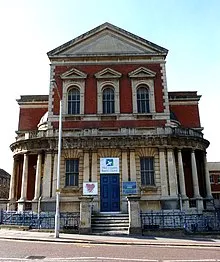
The RSC headquarters at Burlington House, located on Piccadilly near the Royal Academy of Arts, serves as a premier hub for members.
Amenities for Members include:
-
The Library & Information Centre: A world-class repository of chemical knowledge.
-
Member Lounges: Quiet spaces for reflection or informal networking.
-
Meeting Room Hire: High-spec rooms like the Science Room and Priestley Room for professional gatherings.
-
High-Speed Wi-Fi & AV: Modern facilities within a Grade II-listed historic building.
How to Get Involved
Becoming part of an Interest Group is a seamless process for RSC members.
-
Join the RSC: Choose the membership category (Student, Associate, Member, or Fellow) that fits your experience.
-
Select Your Groups: Members can typically join up to three Interest Groups for free as part of their subscription.
-
Participate: Attend annual conferences, join committees, or contribute to newsletters.
Contact Information
For those seeking more information on specific networks or membership queries:
-
Address: Burlington House, Piccadilly, London, W1J 0BA, UK.
-
Networks Team Phone: +44 (0) 1223 432360
-
Email: [email protected]
-
Website: RSC Community and Networking
Frequently Asked Questions
1. What are RSC Interest Groups?
They are member-led networks within the Royal Society of Chemistry that focus on specific areas of the chemical sciences, providing forums for research sharing and professional networking.
2. How many Interest Groups can I join?
RSC members can join up to three Interest Groups as part of their standard membership fee. Additional groups can be joined for a nominal annual charge.
3. Do I need to be a professional chemist to join?
While many members are professionals, there are categories for students, teachers, and those with an interest in chemistry. Full membership (MRSC) usually requires a degree and relevant experience.
4. What is the benefit of "Chartered Chemist" (CChem) status?
CChem is a gold-standard qualification that demonstrates your high level of professional competence, ethical standards, and commitment to continuing professional development (CPD).
5. Are there travel grants available for students?
Yes, many Interest Groups offer specific travel grants to help students and early-career scientists attend conferences and present their research.
6. Where is the RSC head office located?
The main headquarters is at Burlington House, Piccadilly, London, W1J 0BA, while many administrative and networking functions operate out of the Cambridge office.
7. Can I organize an event through an Interest Group?
Interest Groups are run by committees of volunteers. Members are encouraged to get involved in committees to help organize symposia, webinars, and conferences.
8. What amenities are available at Burlington House for members?
Members have access to the historic library, information services, high-speed Wi-Fi, and exclusive member lounges for working or meeting colleagues.
9. How do Interest Groups influence science policy?
Groups provide technical expertise and "Technical Briefs" that the RSC uses to advise governments and international bodies like IUPAC on matters of science policy and regulation.
10. How do I contact the Networks Team?
You can reach the Networks Team directly at +44 (0) 1223 432360 or via email at [email protected] for any queries regarding group activities or joining a committee.
Shaping the Future Together
The Royal Society of Chemistry Interest Groups represent the vibrant, beating heart of the global chemistry community. By fostering collaboration and upholding the highest professional standards, these groups ensure that the chemical sciences remain a force for good in the world. Whether through a conference at Burlington House or a technical publication shared across the globe, the RSC is dedicated to supporting every chemist, every step of the way.
Top Categories
Top Viewed Articles
-
 Nottingham Trent University: Reimagining Higher Education
Apr 06 122
Nottingham Trent University: Reimagining Higher Education
Apr 06 122 -
Event Partners Ltd: Global B2B Exhibition Experts
Apr 08 114
-
Top Rated and Most Reliable Parking in London
Jul 09 114
-
Top Rated and Most Reliable Dentists in London
Jul 20 109
-
Top Rated and Most Reliable Doctors in London
Jul 20 102




Spread the Word
Know someone who would love this? Share it with them!