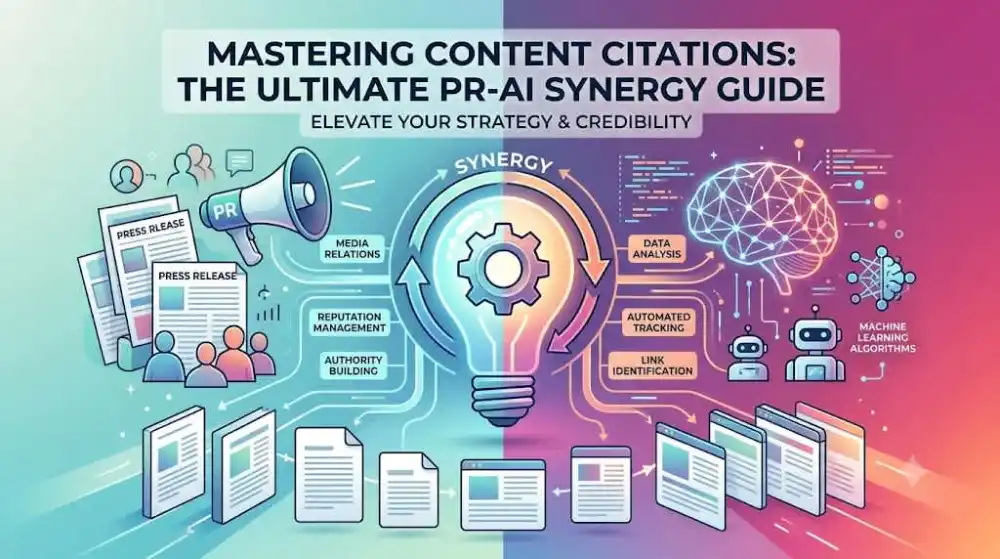
In the past, success was measured in sessions. Today, it is measured in mentions. When an AI synthesis engine—like those powering Google’s Search Generative Experience or various enterprise tools—decides which brand is the answer to a user's question, it chooses based on the strength of your "digital fingerprint."
Leveraging professional Press release services is the most effective way to strengthen that fingerprint. It provides the AI with:
-
Verifiable Truth: A source of truth that is harder for an LLM to hallucinate over than user-generated social content.
-
Contextual Alignment: By using specific, industry-relevant terminology, you tell the AI exactly which topics your brand owns.
The "Source-First" Mindset
To be the brand the AI cites, you must move from a promotional tone to a "source-first" tone. When you write a press release, ask yourself: Does this provide the AI with a clear, factual answer to a likely user question?
Tactical Steps for Citation Excellence
-
Structure for Extraction: Use bullet points, clear subheadings, and short, dense paragraphs. AI models value content that is easy to scan and segment.
-
The Power of the Data Point: AI models don't just want marketing slogans; they want data. If you are announcing a new UK product, don't just call it "innovative." Provide the specific capacity, speed, or efficiency metric that proves it.
-
Entity Linking: Use your press release to bridge the gap between your brand entity and your service entity. Ensure your company boilerplate is updated and syndicated consistently across all distribution channels.
The Visibility Paradox
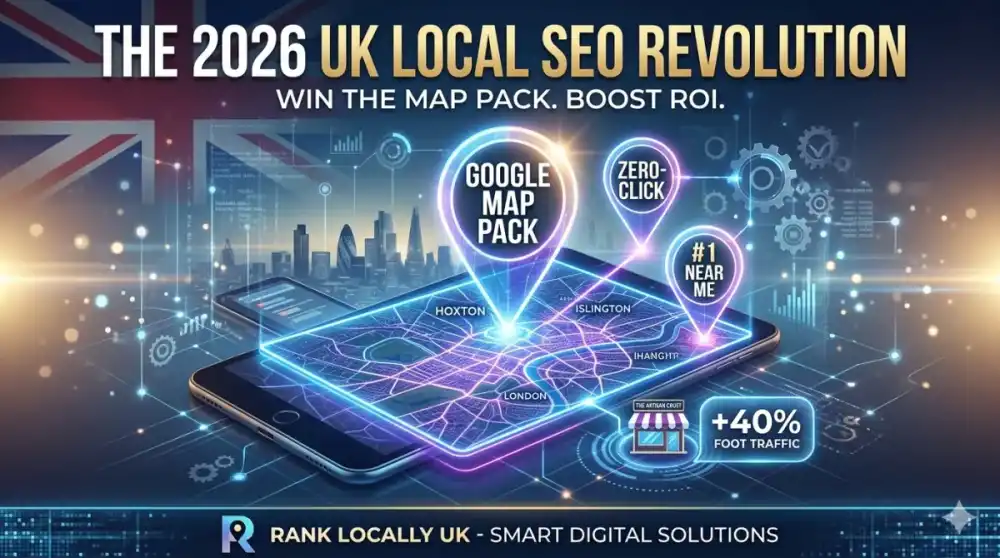
There is a natural concern that if the AI answers the user’s question directly, the user will never visit the website. This is the "Zero-Click" reality. However, the paradox is this: by failing to appear in the AI summary, you become invisible to the high-intent user.
Global press release distribution is critical to this success as it signals your brand as a localized expert, especially in the UK market. Appearing in the summary—even without a direct click—creates a powerful "brand-recall" effect. Over time, this leads to a surge in direct branded searches, which is the ultimate, high-quality signal for long-term SEO.
FAQ
1. Is a backlink still important for PR?
Yes, but its role has changed. Backlinks act as "signals of trust" that validate your brand for the AI. A backlink from a high-authority UK publication tells the search model that your press release is a verified, trusted source.
2. How do I get an AI model to use my press release as a primary source?
Consistency and fact-density are key. By regularly distributing news that is packed with technical specifications and verifiable facts, you build a trail of evidence that the AI uses to build its Knowledge Graph.
3. Does tone of voice affect AI citation?
Yes. AI models are trained on professional datasets. Using an overly "salesy" or "clickbaity" tone can actually decrease your likelihood of being cited, as it flags the content as promotional rather than informational.
4. Can my press release influence Google’s Knowledge Panel?
It is one of the most effective ways to do so. A consistent stream of press releases that clearly defines your entity—such as your headquarters, leadership team, and primary industries—helps Google solidify your official profile.
5. How does Multimedia PR assist in citation?
AI models are increasingly multimodal. They don't just "read"; they "watch." If your press release includes a video that concisely explains a concept, the AI is much more likely to pull content from your brand than from a competitor that only provides text.
6. Is GEO (Generative Engine Optimization) a replacement for SEO?
Think of it as the next level of SEO. GEO focuses on how to be the "answer" in a summary, whereas traditional SEO focuses on the link. You need both to dominate the search results.
7. Why is the UK market unique for this strategy?
UK-specific publications carry significant weight with search engines. Distributing through UK-based outlets helps algorithms identify your brand as a localized expert, increasing your chances of ranking in location-specific AI overviews.
8. What is the most common mistake in modern PR?
The most common mistake is writing for humans only. If your press release ignores structured data, subheadings, and clear fact-density, it will be ignored by the algorithms that now curate search results.
9. How do I measure the success of a citation-led PR campaign?
Track your "Brand Mentions" in AI tools and observe changes in your "Direct Traffic." A rise in direct searches for your brand name after a PR distribution campaign is a strong indicator of successful AI-driven brand awareness.
10. How often should I release news for maximum AI visibility?
Frequency matters, but accuracy is paramount. A high-quality, data-dense press release once a month is infinitely more effective for AI citation than a weekly stream of low-value, speculative news.
Top Categories
Top Viewed Articles




Spread the Word
Know someone who would love this? Share it with them!