
Articles in Cambridge
Explore 10 business insights in Cambridge
Insider
Share Your Business Story
Reach our community by sharing your business insights, expert guides, or success stories on the world's most trusted local platform.
Write Your Article Now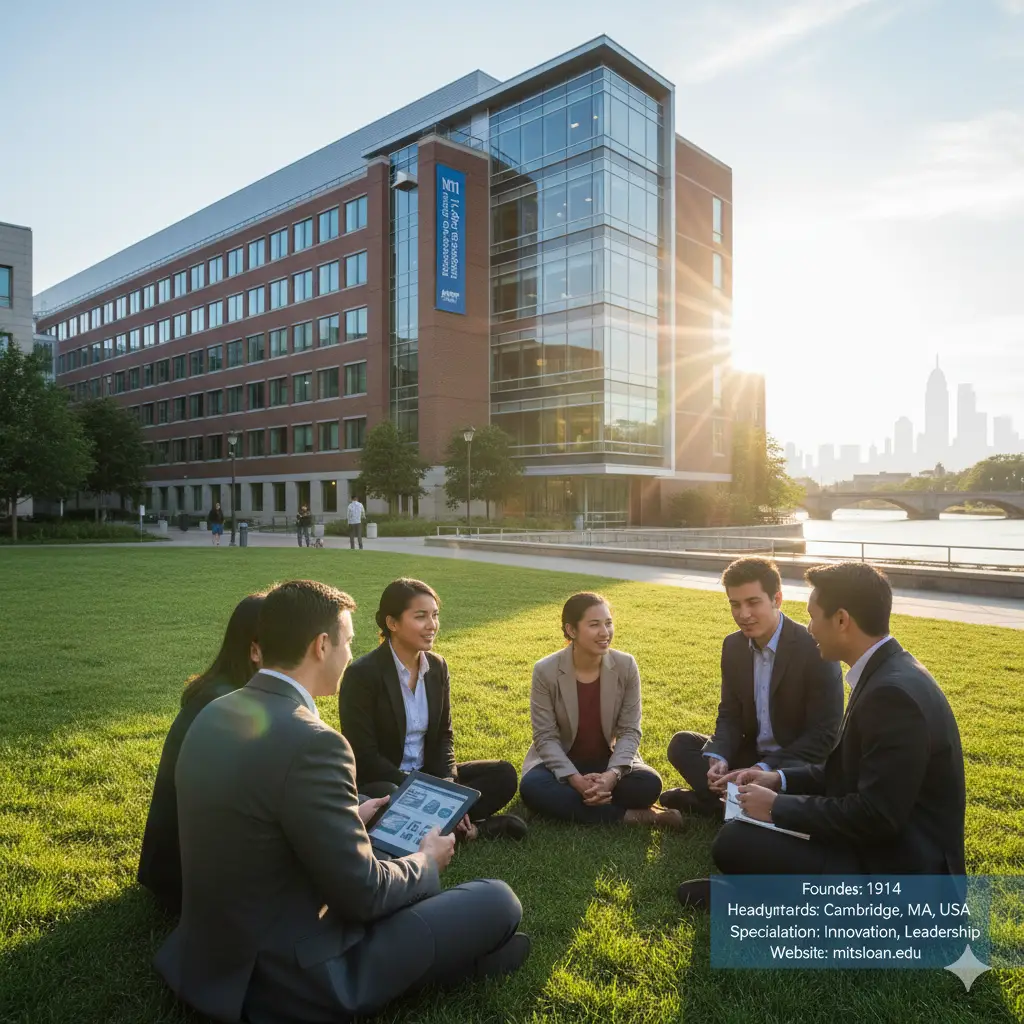
Educational Services
Apr 08, 2026
MIT Sloan: The Global Hub for Management Innovation
The intersection of rigorous analytical thinking and real-world application is the hallmark of the MIT Sloan School of Management. Founded in 1914 as "Course XV," the institution has evolved from an engineering administration program into one of the world’s most prestigious business schools. Located at 100 Main Street, Cambridge, MA, near the scenic Charles River, MIT Sloan operates as a premier academic hub under the broader umbrella of the Massachusetts Institute of Technology (MIT).
For executives in the UK and students across the globe, MIT Sloan represents more than just a degree; it is a gateway to a transformative ecosystem defined by the motto Mens et Manus (Mind and Hand).
The Core Philosophy: Action Learning
At the heart of the MIT Sloan experience is the concept of Action Learning. Unlike traditional case-study methods that rely on retrospective analysis, Action Learning immerses students in the current complexities of global organizations.
Global Action Learning Labs
Through initiatives like the Global Entrepreneurship Lab (G-Lab) and the GlobalHealth Lab, students travel to emerging markets and industrial hubs—including strategic locations in London and across Europe—to solve live business challenges. These labs allow for the immediate application of data-driven insights to help startups scale or to optimize healthcare delivery systems.
Elite Academic Programs and Specializations
MIT Sloan offers a diverse portfolio designed for every stage of a leader's career. Each program is rooted in Sustainability, Data Science, and Strategic Leadership.
1. The Flagship MBA Program
The MIT Sloan MBA is consistently ranked among the top globally. It is designed for "principled, innovative leaders" who wish to bridge the gap between technical expertise and management excellence.
Specialization: Students can pursue tracks in Finance, Entrepreneurship & Innovation, or Enterprise Management.
Brand Association: Access to the broader MIT ecosystem, including the Media Lab and the Computer Science and Artificial Intelligence Laboratory (CSAIL).
2. Specialized Master’s Degrees
Master of Finance (MFin): A rigorous program that prepares graduates for high-level roles in quantitative finance and asset management.
Master of Business Analytics (MBAn): Launched in collaboration with the Operations Research Center, this program focuses on the application of modern data science to business challenges.
3. Executive Education and Training
For senior leaders, the Advanced Management Program (AMP) and the Executive MBA (EMBA) provide the frameworks necessary to navigate the digital economy. These non-degree and degree-based executive programs emphasize Digital Business, Artificial Intelligence, and Systems Thinking.
A Global Presence: The UK Connection
While headquartered in Cambridge, Massachusetts, MIT Sloan maintains a robust presence in the United Kingdom. The MIT Club of Great Britain serves as a vital alumni hub in London, fostering strategic partnerships with British industry and academic institutions.
This UK connection ensures that "Action Learning" projects frequently engage with London’s thriving fintech and biotechnology sectors, allowing students to navigate the nuances of the European market while leveraging MIT’s global network.
The MIT Sloan Management Review (SMR)
The MIT Sloan Management Review is a world-leading publication that bridges the gap between academic research and management practice. It provides evidence-based insights into how technology—such as AI and blockchain—is reshaping the future of work and corporate culture.
Key Facts & Amenities
Founder: Alfred P. Sloan Jr.
Accreditation: AACSB Accredited.
Amenities: Digital Learning Platforms, Action Learning Labs, Career Development Office, and Research Centers.
Accepted Payment Methods: Bank Transfer, Credit/Debit Cards, Wire Transfer.
Frequently Asked Questions
1. What is the "Action Learning" method at MIT Sloan?
Action Learning is a hands-on pedagogical approach where students work on real-world projects for host organizations. It transforms classroom theory into practical, measurable results.
2. Does MIT Sloan have a presence in the UK?
Yes. While the main campus is in Cambridge, MA, the school has a strong UK Alumni Hub in London and collaborates closely with the MIT Club of Great Britain.
3. What are the core specializations offered?
MIT Sloan specializes in Innovation, Entrepreneurship, Sustainability, Data Science, and Strategic Leadership.
4. How does the Master of Finance differ from the Master of Business Analytics?
The MFin focuses on financial markets and portfolio management, while the MBAn is centered on using data science and machine learning to solve broader business operations problems.
5. Is MIT Sloan accredited?
Yes, the school is AACSB (Association to Advance Collegiate Schools of Business) accredited.
6. Can executives take short-term courses?
Absolutely. MIT Sloan Executive Education offers over 60 short courses and several Executive Certificate tracks in areas like Digital Business and Strategy.
7. Who founded the school?
The school was formally named after Alfred P. Sloan Jr., the former Chairman and CEO of General Motors, who played a pivotal role in its development in the mid-20th century.
8. What are the working hours for the admissions helpdesk?
The office is generally open Monday through Friday, 9:00 AM – 5:00 PM (EST).
9. Are there online learning options?
Yes, MIT Sloan offers a wide range of digital learning platforms and live online courses for global participants.
10. What is the relationship between MIT Sloan and the main MIT campus?
MIT Sloan is one of the five schools of the Massachusetts Institute of Technology. It is deeply integrated into the Institute’s culture of interdisciplinary innovation and technology.
Cambridge
0 Views

Business Services
Apr 08, 2026
The International Glaciological Society: Cryosphere Leader
The International Glaciological Society (IGS) stands as the preeminent global authority on the science of snow and ice. Founded in 1936, this non-profit scientific organization has spent nearly a century stimulating interest and encouraging research into the technical and scientific challenges of the cryosphere. Headquartered in Cambridge, UK, at the prestigious Scott Polar Research Institute, the IGS serves as a vital bridge between glaciologists, hydrologists, and climate scientists worldwide.
In an era where the Earth's "frozen resources" are melting at unprecedented rates, the IGS provides the intellectual infrastructure needed to understand these changes. Through its high-impact journals, prestigious international symposia, and global networking opportunities, the Society facilitates the flow of ideas critical to environmental management and climate policy.
The Evolution of a Scientific Powerhouse
The roots of the IGS trace back to Gerald Seligman, who founded the "Association for the Study of Snow and Ice" in 1936. Over decades, the organization evolved from a British-centric group into a truly global entity, adopting its current name in 1971 to reflect its international membership.
Today, the IGS is a registered charity and a member of the International Science Council (ISC). It works in close association with groups like the Scientific Committee on Antarctic Research (SCAR) and the International Arctic Science Committee (IASC), ensuring that glaciological data is at the heart of global polar research.
High-Impact Academic Publishing
The reputation of the IGS is anchored by its world-class publications, now produced in partnership with Cambridge University Press.
1. Journal of Glaciology
This flagship title is a cornerstone of the field. It publishes original research on all aspects of ice, including its physical properties, dynamics, and interactions with the atmosphere and oceans. As a Gold Open Access journal, it ensures that groundbreaking findings are accessible to researchers in every corner of the globe.
2. Annals of Glaciology
Unlike the generalist Journal, the Annals focuses on thematic collections. Each issue is dedicated to a specific symposium topic—such as sea-ice dynamics, ice-core drilling technology, or mountain glaciology—providing deep-dive expertise on the most pressing cryospheric issues.
3. ICE Newsletter
The Society also publishes ICE, a newsletter that serves as the "community pulse," reporting on field activities, upcoming events, and professional transitions within the glaciological community.
Prestigious Awards: Recognizing Excellence
The IGS celebrates scientific brilliance through a series of highly coveted awards:
The Seligman Crystal: Named after the founder, this is the highest honor in glaciology. It is awarded to individuals who have made outstanding scientific contributions that significantly enrich the subject.
The Richardson Medal: Recognizes outstanding service to the Society and the glaciology community at large.
Honorary Membership: Reserved for those whose lifelong dedication has fundamentally shaped the discipline.
Supporting the Next Generation
A core mission of the IGS is the mentorship of early-career researchers. Through the Early-Career Glaciologists Group (EGG), the Society provides:
Travel Grants: Financial support to attend international symposia.
Mentorship Programs: Connecting students with world-renowned experts.
Workshops: Focused training in new technologies like remote sensing and numerical modeling.
The Cryosphere and Climate Change
The work of IGS members is more relevant today than ever. The cryosphere—composed of ice sheets, glaciers, sea ice, and permafrost—is the "canary in the coal mine" for climate change. IGS research directly informs:
Sea Level Rise Projections: Understanding how the Greenland and Antarctic ice sheets contribute to global water levels.
Freshwater Security: Monitoring mountain glaciers that provide water for billions of people.
Climate Feedbacks: Studying how the loss of white ice surfaces (albedo) accelerates global warming.
Frequently Asked Questions
1. What is the main mission of the International Glaciological Society?
The mission is to stimulate interest in and encourage research into the scientific problems of snow and ice, and to facilitate the global exchange of glaciological information.
2. Where is the IGS headquartered?
The headquarters are located at the Scott Polar Research Institute in Cambridge, United Kingdom.
3. What are the IGS's primary scientific journals?
The Society publishes the Journal of Glaciology and the Annals of Glaciology, both of which are leading peer-reviewed titles in the field.
4. How can I join the International Glaciological Society?
Membership is open to anyone interested in glaciology. You can apply via their website, igsoc.org, and enjoy benefits like publication discounts and networking opportunities.
5. What is the Seligman Crystal?
The Seligman Crystal is the Society’s most prestigious award, given for outstanding scientific contributions to the field of glaciology.
6. Does the IGS support students?
Yes, through the Early-Career Glaciologists Group (EGG), the Society offers grants, mentorship, and specialized training workshops for students and young researchers.
7. Are the IGS journals open access?
Yes, both the Journal of Glaciology and Annals of Glaciology are Gold Open Access, making research freely available to the public.
8. When was the IGS founded?
The Society was founded in 1936 by Gerald Seligman.
9. How does the IGS contribute to climate change research?
By publishing high-impact research on glacier melt, ice sheet stability, and sea-level rise, the IGS provides the data necessary for international climate policy.
10. How can I contact the IGS helpdesk?
You can reach them at +44 1223 355974 or via email at igsoc@igsoc.org.
Business Snapshot
Founder: Gerald Seligman
Year Founded: 1936
Website: www.igsoc.org
Social Media: Twitter/X: @IGS_Society | Facebook: facebook.com/IntGlaciolSoc
Cambridge
0 Views
Business Services
Apr 08, 2026
ELRIG UK: The Ultimate Hub for Drug Discovery & Innovation
In the rapidly evolving landscape of global healthcare, the journey from a biological concept to a life-saving medicine is a marathon of precision, collaboration, and technological prowess. At the center of this ecosystem in Europe stands the European Laboratory Research & Innovation Group (ELRIG UK). As a non-profit organization, ELRIG UK has spent nearly two decades dismantling the barriers to scientific advancement, providing a world-class platform where academia, industry, and technology providers converge.
With a vibrant community of over 22,000 professionals, ELRIG is not just an event organizer; it is a catalyst for the next generation of medical breakthroughs. By offering free-to-attend scientific conferences and networking forums, ELRIG ensures that the "brightest minds" have access to the "best science," regardless of their career stage or financial backing.
The Genesis of ELRIG: From Robotics to Revolution
Founded on April 23, 2005, ELRIG’s roots are firmly planted in the soil of laboratory automation and robotics. Originally known as the European Laboratory Robotics Interest Group, the organization was born from a simple but profound observation: the application of automation could fundamentally change the speed and accuracy of drug discovery.
Under the leadership of CEO Sanj Kumar and a dedicated volunteer-led board, ELRIG has transitioned from a niche interest group into a pan-European powerhouse. While automation remains a core specialization, ELRIG now addresses the full spectrum of modern biopharma challenges, including AI in life sciences, synthetic biology, and translational models.
Core Specializations: Driving Scientific Excellence
ELRIG UK focuses on the technical frontiers that define modern research. Its programming is meticulously curated to cover:
1. Laboratory Automation and Robotics
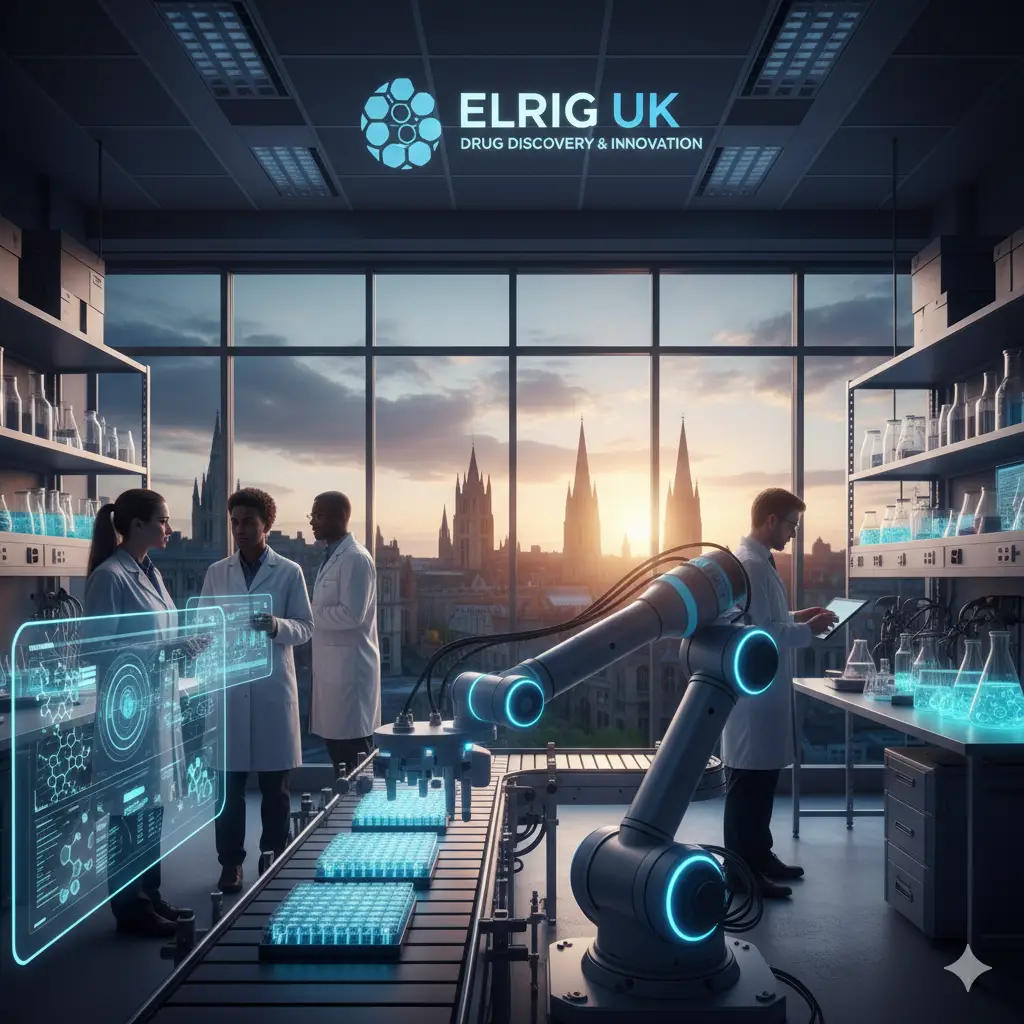
Automation is the backbone of the modern lab. ELRIG explores how liquid handling systems, robotic arms, and integrated software suites can execute thousands of experiments simultaneously, reducing human error and accelerating timelines.
2. High-Throughput Screening (HTS)
The ability to rapidly test thousands of chemical or biological compounds against specific targets is vital. ELRIG’s forums provide insights into the latest HTS technologies, including acoustic dispensing and high-content imaging.
3. AI and Machine Learning in Drug Discovery
Artificial Intelligence is no longer a futuristic concept but a daily tool. ELRIG highlights how machine learning models can predict chemical reactions, identify novel drug targets, and optimize lead compounds with unprecedented speed.
4. Synthetic Biology and Cell Engineering
From CRISPR technologies to organ-on-a-chip models, ELRIG connects researchers working on modifying biological systems to create new therapies or more accurate disease models.
The Flagship Experience: Drug Discovery 2025 and Beyond
The "Drug Discovery" annual conference is ELRIG’s flagship event, often described as a "festival of life science." Hosted in major hubs like Liverpool and London, these multi-day conferences attract thousands of delegates.
What makes ELRIG events unique?
Open Access: Every scientific session is free to attend for delegates.
World-Class Speakers: Keynotes from Pfizer, GSK, AstraZeneca, and leading academic institutions.
The Exhibition Hall: A marketplace of innovation featuring over 200 vendors showcasing the latest lab equipment and software.
Inclusive Amenities: ELRIG prioritizes accessibility with dedicated faith rooms, wellbeing spaces, and family-friendly facilities.
Empowering the Next Generation: Early Career Professionals (ECP)
One of ELRIG’s most significant impacts is its commitment to Early Career Professionals. The organization recognizes that the future of drug discovery depends on the growth of today’s students and junior researchers.
The ECP program includes:
Career Workshops: Guidance on CV writing, interview skills, and navigating the transition from academia to industry.
Networking Hubs: "Network Like a Boss" sessions that break down the intimidation of speaking with industry leaders.
The Innovation Award: A prestigious recognition for startups and early-career scientists who present ground-breaking research or technology.
Sustainability: A Greener Future for Science
Modern laboratories are resource-intensive. ELRIG has taken a leadership role in the Sustainability in Drug Discovery movement. By encouraging speakers to include "sustainability statements" and hosting forums dedicated to green chemistry, ELRIG is helping the community reduce its carbon footprint and plastic waste without compromising scientific integrity.
Strategic Partnerships and Certifications
ELRIG operates as a registered UK company (05440961) and collaborates with the world’s most respected scientific bodies:
SLAS (Society for Laboratory Automation and Screening): Joint meetings and shared technological tracks.
Royal Society of Chemistry: Advancing chemical biology and medicinal chemistry.
British Pharmacological Society: Integrating pharmacology into early discovery.
Furthermore, ELRIG content is often CPD Accredited, allowing professionals to earn Continuing Professional Development points by attending high-quality sessions.
Why Engagement Matters: The ELRIG Value Proposition
For a scientist, ELRIG is a source of knowledge. For a vendor, it is a gateway to the market. For the industry, it is a community of practice.
For Researchers: Access cutting-edge data and methodologies for free.
For SMEs & Startups: The Breakthrough Zone provides affordable exhibition space to gain visibility among big pharma decision-makers.
For Global Pharma: A platform to share pre-competitive knowledge and identify emerging talent.
Connecting Science, Connecting People
ELRIG UK is more than a series of conferences; it is a movement toward a more open, collaborative, and efficient drug discovery process. From its headquarters in Cambridge—the heart of the UK’s "Silicon Fen"—ELRIG continues to expand its reach across Europe and the UK, proving that when the barriers to knowledge are removed, innovation flourishes.
Whether you are an undergraduate student or a CEO, ELRIG offers a seat at the table of innovation. Join the community today and help shape the future of human health.
Frequently Asked Questions
1. Is ELRIG UK a membership-based organization?
While you can join the ELRIG community by signing up for their newsletter or attending events, there is no traditional "membership fee." The community is open to all life science professionals.
2. Why are ELRIG events free to attend?
ELRIG is a not-for-profit organization. Their mission is to provide open access to science. Costs are covered through the generous support of exhibitors and sponsors from the laboratory technology industry.
3. Where is ELRIG UK headquartered?
ELRIG is based in Cambridge, UK, specifically at Salisbury House, Station Road, near the Cambridge Railway Station.
4. What is the "Drug Discovery" event?
It is ELRIG’s flagship annual conference, usually held in October. it is one of Europe’s largest drug discovery events, featuring multiple scientific tracks, poster sessions, and a massive exhibition hall.
5. Does ELRIG offer opportunities for startups?
Yes! The Breakthrough Zone is specifically designed for startups and SMEs, providing them with a platform to showcase their innovations to the wider community at a reduced cost.
6. Can I earn CPD points at ELRIG events?
Yes, many of ELRIG’s scientific sessions are CPD accredited, meaning you can use your attendance to satisfy professional development requirements.
7. How do I present my research at an ELRIG event?
ELRIG regularly opens "Call for Posters" and "Call for Speakers" for their various forums and conferences. Keep an eye on the ELRIG website for submission deadlines.
8. What therapeutic areas does ELRIG cover?
ELRIG is technology and methodology-focused rather than therapeutic-specific. However, their programs often cover oncology, neurodegeneration, infectious diseases, and rare diseases through the lens of drug discovery technology.
9. Are ELRIG events only in the UK?
While "ELRIG UK" is the primary branch, the organization hosts forums across Europe (Germany, France, Sweden, Switzerland) and has recently expanded into the UK.
10. How can I contact ELRIG for sponsorship opportunities?
You can reach out to the helpdesk at +44 (0)1223 967968 or email info@elrig.org for a copy of their latest exhibitor and sponsorship brochure.
Contact Information
Website: https://elrig.org
Address: Salisbury House, Station Road, Cambridge, CB1 2LA, UK
LinkedIn: linkedin.com/company/elrig-uk
Phone: +44 1223 967968
Cambridge
0 Views
Educational Services
Apr 08, 2026
Wellcome Genome Campus: Leading the Future of Genomics
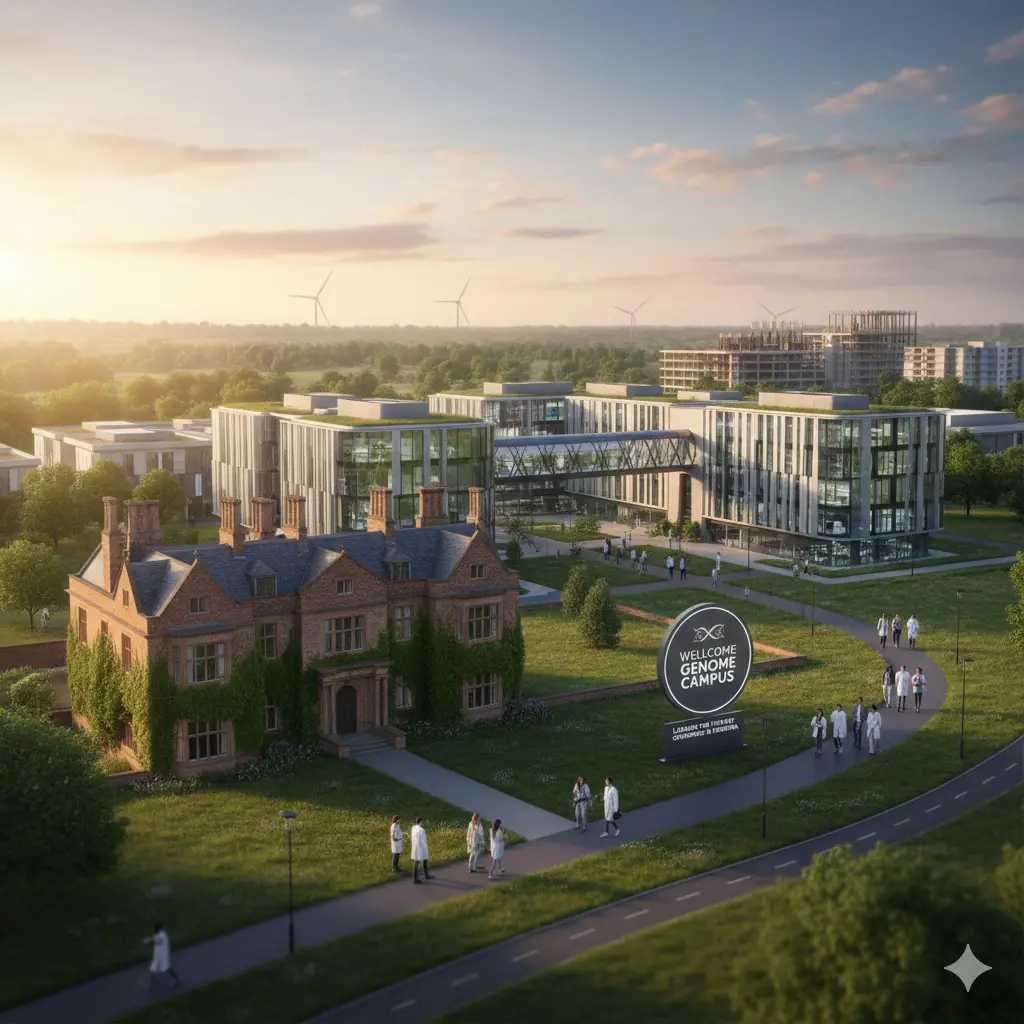
In the quiet, picturesque landscape of Hinxton, Cambridgeshire, lies an ecosystem that is anything but quiet in its scientific ambition. The Wellcome Genome Campus is more than just a research facility; it is the beating heart of global genomics. For over three decades, this campus has been the site of some of the most profound discoveries in biological history, serving as a lighthouse for scientists, entrepreneurs, and educators dedicated to understanding the very code of life.
From the monumental task of sequencing the first human genome to tracking the evolution of global pandemics in real-time, the Wellcome Genome Campus bridges the gap between raw biological data and life-saving medical applications. Today, home to over 2,600 experts, the campus is embarking on a transformative journey—expanding its footprint to become a global township where science, industry, and community live and breathe in unison.
A Legacy of Ambition: From 1994 to the World Stage
Founded in October 1994 by the Wellcome Trust, the campus was born from a necessity to scale. The biology of the late 20th century was shifting from small-scale laboratory experiments to "Big Science"—projects that required industrial-scale sequencing, massive computational power, and unprecedented international collaboration.
The campus was established specifically to house the Wellcome Sanger Institute (then the Sanger Centre), which played a pivotal role in the Human Genome Project. By the time the draft sequence was announced in 2000, the Sanger Institute had contributed one-third of the total data—the largest single contribution by any center worldwide. This legacy of "Open Science"—ensuring that genomic data is freely accessible to everyone—remains the guiding principle of the campus today.
The Powerhouse Institutes: Sanger and EMBL-EBI
The uniqueness of the Wellcome Genome Campus lies in the synergy between its two anchor institutes:
1. The Wellcome Sanger Institute
The Sanger Institute is a leader in genome research, using large-scale sequencing to explore health and disease. Their work is categorized into six primary scientific programs, including Cancer, Ageing and Somatic Mutation, Cellular Genetics, and Parasites and Microbes. By deciphering how DNA sequences encode biological functions, Sanger scientists are identifying new drug targets for cancer, understanding rare genetic disorders, and fighting the "arms race" against infectious diseases like malaria and cholera.
2. EMBL’s European Bioinformatics Institute (EMBL-EBI)
If the Sanger Institute is the engine of data generation, EMBL-EBI is the world’s library for that data. As part of the European Molecular Biology Laboratory, EMBL-EBI manages the world’s most comprehensive range of freely available molecular data resources. Every day, millions of researchers worldwide query EMBL-EBI databases to find information on genes, proteins, and small molecules. Their infrastructure supports the global scientific community in making sense of the "Big Data" generated by modern biology.
Bridging the Gap: The BioData Innovation Centre (BIC)
Science does not exist in a vacuum. To ensure that laboratory discoveries reach the patient’s bedside, the Wellcome Genome Campus established the BioData Innovation Centre (BIC). This 3,000-square-meter facility is a vibrant incubator for genomics and biodata companies.
By offering world-class "wet" and "dry" lab facilities, the BIC attracts a range of tenants—from high-growth startups to industry giants like Illumina and Genomics England. This proximity creates a unique "collision space" where academic researchers and commercial innovators share coffee at the campus café, sparking collaborations that turn genomic insights into diagnostic tools and personalized therapies.
Solving Humanity’s Greatest Challenges
The research conducted at Hinxton has direct, tangible impacts on global health:
Infectious Disease Surveillance: During the COVID-19 pandemic, the campus was a global leader in genomic surveillance, identifying variants of concern and helping governments shape public health policy.
Cancer Genomics: By sequencing the genomes of thousands of cancer cells, researchers are uncovering the specific mutations that drive tumor growth, leading to "precision medicine" where treatments are tailored to the individual patient’s genetic profile.
Rare Diseases: For many families, the campus has provided the first-ever diagnosis for rare developmental disorders, ending years of uncertainty and opening doors to targeted support.
Planetary Health: Beyond human health, the campus is leading efforts to sequence the genomes of all eukaryotic life on Earth (the Darwin Tree of Life project), providing a foundation for conservation and understanding biodiversity in the face of climate change.
The Future: A Global Township for Science
The Wellcome Genome Campus is currently undergoing one of the largest life sciences expansions in UK history. The vision is to grow the campus from its current 125 acres to a staggering 440 acres.
What the Expansion Includes:
1.6 Million Sq Ft of R&D Space: New laboratories and offices to accommodate over 250 additional companies.
1,500 New Homes: Residential dwellings specifically for campus workers and their families, creating a truly integrated "live-work" environment.
Community Infrastructure: A new primary school, nursery, health and fitness club, and retail spaces.
Sustainability at the Core: The expansion follows "Passivhaus" principles, featuring an energy farm, microgrid power networks, and 18km of new walking and cycling routes.
This expansion isn't just about buildings; it’s about removing barriers. The campus plans to take down gates and fences, welcoming the local community into its parks and cafes, and demystifying the world of high-tech science.
Campus Amenities: A World-Class Work Environment
The campus is designed to support the well-being of its 2,600+ employees. Beyond the labs, the site features:
Hinxton Hall Conference Centre: A premier venue for international scientific conferences and courses.
Sports & Leisure: A fully equipped gym, tennis courts, and football pitches.
Connectivity: A free shuttle bus service connecting the campus to Cambridge and local train stations (Whittlesford Parkway).
The Grounds: Award-winning wetlands and parklands that provide a serene environment for reflection and "blue-sky" thinking.
A Mission for Everyone
The Wellcome Genome Campus stands as a testament to what is possible when world-class talent is given the infrastructure and collaborative freedom to dream big. As it evolves into a global township, its mission remains unchanged: to use the power of genomics and biodata to solve the most urgent health challenges facing everyone, everywhere.
Frequently Asked Questions
1. What is the main mission of the Wellcome Genome Campus?
The mission is to solve humanity’s greatest challenges—from infectious diseases to cancer—through large-scale genomic research, open science, and the translation of discoveries into health benefits.
2. Who owns the Wellcome Genome Campus?
The campus is part of the Wellcome Trust, a global charitable foundation. It is managed by Genome Research Limited.
3. Can startups join the campus?
Yes. The BioData Innovation Centre (BIC) provides flexible workspace, incubator facilities, and accelerator programs specifically for genomics and biodata startups.
4. What major institutes are located on the campus?
The two main anchor institutes are the Wellcome Sanger Institute and EMBL’s European Bioinformatics Institute (EMBL-EBI).
5. Is the campus open to the public?
While the laboratories are secure areas, the campus hosts public engagement events, scientific conferences, and is currently expanding to include public parks, cafes, and community facilities.
6. How many people work at the Wellcome Genome Campus?
Currently, over 2,600 experts work on-site. Following the expansion, this is expected to grow to between 7,000 and 9,000 people.
7. Does the campus offer training for scientists?
Yes. Through "Wellcome Connecting Science," the campus provides world-leading training, conferences, and online courses for scientists and healthcare professionals globally.
8. What role did the campus play in the Human Genome Project?
The Wellcome Sanger Institute (based on the campus) sequenced one-third of the human genome, making it the largest single contributor to the international project.
9. Are there career opportunities for non-scientists?
Absolutely. The campus requires a vast range of professionals, including software developers, engineers, data analysts, facility managers, and administrative staff.
10. How do I contact the campus helpdesk?
The core facilities helpdesk can be reached at +44 (0) 1223 496813 or via email at facilities-helpdesk@wellcomegenomecampus.org.
Cambridge
0 Views
Article Posting
Get Started Today to Publish an Article

Business Services
Apr 08, 2026
Cambridge Wireless: Leading The Future of Global Connectivity
In the heart of the United Kingdom’s most prestigious technology cluster, often referred to as "Silicon Fen," lies an organization that has become the connective tissue for the global wireless industry. Cambridge Wireless Limited (CW) is not merely a networking group; it is a high-octane innovation community that bridges the gap between academic research, startup agility, and multinational corporate strategy.
Since its inception in 2008, CW has grown into a leading international community for companies involved in the research, development, and application of wireless and mobile, internet, semiconductor, and software technologies. With over 1,000 technology companies in its ecosystem—ranging from major network operators and device manufacturers to innovative start-ups and world-class universities—CW provides a unique platform for high-impact professional relationships and strategic market intelligence.
The Foundations of Innovation: The CW Story
Founded on March 11, 2008, with Dr. David Cleevely CBE serving as the Founding Chairman, Cambridge Wireless was born out of a need to consolidate the immense intellectual capital within Cambridge, UK. While the "Cambridge Phenomenon" had already produced giants like ARM and CSR, there was a clear requirement for a central hub that could facilitate knowledge exchange across the increasingly blurred lines of hardware, software, and connectivity.
Business Identity and Core Mission
Founder: David Cleevely (Founding Chairman)
Headquarters: Salisbury House, Station Road, Cambridge, CB1 2LA
Current Leadership: Led by CEO Michaela Eschbach and Board Chair Olu Orugboh.
Core Mission: To foster innovation and facilitate the development of cutting-edge technologies that address global industry challenges.
CW operates as a Company Limited by Guarantee, ensuring that its primary focus remains on delivering value to its members rather than maximizing shareholder profit. This "not-for-profit" spirit is what allows CW to maintain its position as a neutral, trusted ground for competitors and collaborators alike.
A Thriving Ecosystem: Membership and Reach
The power of Cambridge Wireless lies in its diversity. The community isn’t restricted to those manufacturing antennas or chips; it encompasses the entire digital value chain.
The New Membership Era
In early 2026, CW unveiled a refreshed membership structure to better reflect the evolving landscape of digital technology. Moving beyond "wireless" as a standalone sector, the organization now classifies members into five distinct tiers:
Digital Members: For those entering the ecosystem and staying informed.
Connectors: Designed for organizations seeking to build a local and international network.
Engagers: For those wanting a seat at the table in Special Interest Groups (SIGs).
Architects: Strategic partners who help shape the technical agenda.
Pioneers: The highest level of membership for industry leaders driving global standards.
This structure allows small-to-medium enterprises (SMEs) to sit alongside giants like Google, Huawei, and Samsung, providing a democratized access point to the digital economy.
Special Interest Groups (SIGs): The Engine Room of Knowledge
If the membership is the body of CW, the Special Interest Groups (SIGs) are its vital organs. With over 20 active groups (often consolidated into 14 core themes), these groups focus on specific high-growth technology areas.
Key Specialization Areas:
5G and 6G: Exploring the rollout of current infrastructure and the architectural requirements for the next generation of mobile connectivity.
Artificial Intelligence (AI): Focusing on the "Networks of Intelligence" where connectivity and AI converge to create autonomous systems.
Internet of Things (IoT): Analyzing the deployment of billions of connected devices in industrial and consumer settings.
HealthTech: Bridging the gap between wireless technology and digital healthcare solutions.
Smart Cities: How urban environments can utilize data and connectivity to improve sustainability and citizen well-being.
Wireless Heritage: A unique group that documents the history of wireless communication to inform future innovation.
These SIGs meet regularly to discuss technical hurdles, regulatory shifts, and commercial opportunities, providing members with a continuous stream of industry intelligence that is often months ahead of mainstream reports.
Flagship Events: The CW International Conference (CWIC)
The crown jewel of the CW calendar is the Cambridge Wireless International Conference (CWIC). For over 17 years, this event has gathered hundreds of delegates from across the globe to Hinxton Hall on the Wellcome Genome Campus.
The conference serves as a barometer for the tech industry. In 2026, the theme "Networks of Intelligence" highlighted the symbiotic relationship between AI and connectivity. Unlike generic tech conferences, CWIC is known for its "no-nonsense" approach, focusing on the actual engineering and business logic required to bring innovation to market.
CWIC Highlights:
Innovation Showcases: Where startups pitch directly to investors and potential partners.
Founders’ Dinner: An exclusive gathering for the leaders who shaped the Silicon Fen.
Cross-Sector Collaboration: Sessions that bring together automotive, healthcare, and telecom leaders to solve shared problems.
Strategic Partnerships: UKTIN and Beyond
Cambridge Wireless is a primary delivery partner for the UK Telecoms Innovation Network (UKTIN). Alongside Digital Catapult, the University of Bristol, and WM5G, CW plays a pivotal role in establishing and nurturing the UK’s telecoms innovation landscape. This partnership ensures that CW members are at the forefront of government-backed R&D initiatives and have a direct line to national policy discussions.
Furthermore, CW’s association with the Silicon Fen Tech Cluster places it at the center of one of Europe’s most successful innovation hubs. With over 5,000 companies and an annual turnover exceeding £35 billion, the Cambridge cluster is a global powerhouse, and CW is the facilitator that ensures these companies remain connected.
Why Location Matters: The Cambridge Advantage
Based near the Cambridge Railway Station (Landmark: Salisbury House), CW is physically positioned to serve as the gateway to the city’s tech parks. Whether it is the Cambridge Science Park, St John’s Innovation Centre, or the Peterhouse Technology Park, CW’s headquarters is the meeting point for the "Brightest Minds" in the region.
The "Cambridge Phenomenon" is built on the proximity of brilliant researchers and savvy entrepreneurs. By providing a physical and digital hub, CW accelerates the "collisions" between these groups that lead to the next breakthrough in semiconductor design or cloud integration.
Driving the Digital Economy
Through its mentorship programs, industry training, and digital resource library, CW does more than just host events; it builds the workforce of the future. The organization recognizes that technology is only as good as the people who build and deploy it. By providing high-impact professional relationships, CW helps bridge the skills gap in areas like cybersecurity, quantum computing, and edge networking.
Business Details for Reference
Business Helpdesk / Phone: +44 1223 967101
Email: info@cambridgewireless.co.uk
Website: https://www.cambridgewireless.co.uk
Working Hours: Monday-Friday, 9:00 AM – 5:30 PM (GMT)
Number of Employees: Approximately 15 core staff, supported by dozens of SIG Champions and Board members.
Frequently Asked Questions
1. What exactly is Cambridge Wireless?
Cambridge Wireless (CW) is an international community and professional networking organization for companies involved in wireless and digital technologies. It provides a platform for networking, knowledge exchange, and business growth.
2. How many members does Cambridge Wireless have?
CW has an active community of over 1,000 technology companies, ranging from tiny startups to major global network operators and universities.
3. What are Special Interest Groups (SIGs)?
SIGs are focused technology groups within CW (e.g., AI, 5G, IoT) that hold regular events to discuss trends, share knowledge, and foster collaboration among experts in those specific fields.
4. Who can join Cambridge Wireless?
Membership is open to any organization involved in the technology value chain, including hardware manufacturers, software developers, network operators, universities, and professional service providers.
5. Where is the CW headquarters located?
CW is headquartered at Salisbury House, Station Road, Cambridge, CB1 2LA, United Kingdom, conveniently located near the Cambridge Railway Station.
6. What is the CW International Conference (CWIC)?
CWIC is the organization's flagship annual event. It brings together over 500 global delegates to discuss the most pressing challenges and opportunities in the wireless and connectivity industries.
7. How does CW support startups?
CW provides startups with visibility through the "Startup Zone" at conferences, access to mentorship, and networking opportunities with large corporate members and venture capitalists.
8. What is the relationship between CW and UKTIN?
CW is a core delivery partner for the UK Telecoms Innovation Network (UKTIN), helping to guide the UK's telecoms R&D strategy and support the wider innovation ecosystem.
9. What payment methods does CW accept for membership and events?
CW accepts credit/debit cards, bank transfers, and payments through their secure online portal.
10. How can I stay updated on CW events?
You can visit the CW website at cambridgewireless.co.uk or follow their LinkedIn page (linkedin.com/company/cambridge-wireless) for the latest news and event announcements.
Cambridge
0 Views
Business Services
Apr 08, 2026
IACR Guide: Global Hub for Cryptologic Science
In an era where digital privacy and data integrity are the cornerstones of global stability, the International Association for Cryptologic Research (IACR) stands as the preeminent scientific body dedicated to the advancement of cryptology. Founded in 1982 by visionary cryptographer David Chaum, this non-profit organization has evolved into the central nervous system of the global cryptographic community. From the protocols securing your mobile banking to the quantum-resistant algorithms of tomorrow, the IACR provides the rigorous, peer-reviewed foundation upon which modern information security is built.
The Genesis of IACR: A Legacy of Scientific Autonomy
The early 1980s marked a turning point in the history of encryption. As the field shifted from clandestine military intelligence to an academic and commercial necessity, the need for a formal, independent scientific association became clear. In 1982, during the now-legendary Crypto '82 conference, the IACR was officially conceived.
Headquartered in Bristol, UK, and serving a global membership, the IACR was established to ensure that cryptologic research remained an open, international scientific endeavor. Unlike other disciplines managed by broad engineering bodies like IEEE or ACM, cryptologists recognized that their field required a specialized focus on the mathematical intricacies of "making and breaking" codes.
Flagship Conferences: The "Big Three" of Cryptography
The IACR is perhaps best known for organizing the world’s most prestigious academic conferences. These events are the primary venues where groundbreaking research is unveiled to the public.
Crypto (Santa Barbara, UK)
Held annually in August at the University of California, Santa Barbara, Crypto is the oldest and most famous gathering in the field. It serves as the primary stage for foundational theoretical breakthroughs and practical cryptanalysis.
Eurocrypt (Varying Locations, Europe)
Rotating through European cities every spring, Eurocrypt focuses on the theory and applications of cryptographic techniques. It is often the venue where European innovations in symmetric-key cryptography and public-key infrastructure are showcased.
Asiacrypt (Varying Locations, Asia-Pacific)
Reflecting the rapid growth of technological innovation in the East, Asiacrypt completes the geographic trio. It has become a vital hub for research emerging from leading institutions in Japan, China, Korea, and Australia.
Specialized Workshops and Area Conferences
Beyond the flagship "Big Three," the IACR hosts specialized events that dive deep into specific sub-disciplines:
CHES (Cryptographic Hardware and Embedded Systems): The definitive venue for research on hardware security, side-channel attacks, and physical implementations.
FSE (Fast Software Encryption): Focuses on symmetric-key primitives, including block ciphers and hash functions.
TCC (Theory of Cryptography Conference): Dedicated to the mathematical and conceptual foundations of the field.
PKC (Public-Key Cryptography): Concentrates specifically on asymmetric encryption and digital signatures.
Disseminating Knowledge: The Journal of Cryptology and ePrint Archive
Scientific integrity relies on the rapid and rigorous dissemination of findings. The IACR manages two of the most critical resources in the information security world:
The Journal of Cryptology
As the official publication of the IACR, the Journal of Cryptology is the field’s top-tier, peer-reviewed periodical. It publishes original results in all areas of modern information security, providing a permanent record of the most significant advances in the science.
The IACR Cryptology ePrint Archive
In a fast-moving digital world, waiting months for peer review isn't always viable. The ePrint Archive is an open-access repository that allows researchers to share "pre-prints" of their work. It has become the "morning newspaper" for cryptographers, where new attacks or protocols are often debated in real-time before formal publication.
The Mission: Why the IACR Matters to the Public
While the IACR is an academic association, its work impacts every person with a smartphone or a credit card. The organization’s commitment to open-source research and peer review ensures that:
Transparency: Security protocols are scrutinized by thousands of experts rather than being "security through obscurity."
Standards: Government and industry standards (like AES or SHA-3) are often the result of competitions and research fostered by IACR members.
Future-Proofing: With the rise of quantum computing, the IACR is at the forefront of developing Post-Quantum Cryptography (PQC) to ensure that today’s secrets remain secure in the future.
Membership and Community Benefits
The IACR is a member-driven organization. Professional and student memberships offer numerous benefits, including:
Subscriptions to the Journal of Cryptology.
Reduced registration fees for all IACR-sponsored conferences.
Access to the IACR Schools, which provide intensive training for the next generation of cryptologists.
Travel grants for students, ensuring that financial barriers do not prevent young talent from entering the field.
Strategic Specialized Areas
The IACR’s expertise spans a vast array of technical specializations:
Symmetric-Key Analysis: Studying the security of block ciphers and stream ciphers.
Public-Key Infrastructure (PKI): Developing the systems that manage digital certificates and secure identities.
Quantum-Resistant Algorithms: Creating math problems that even a quantum computer cannot solve efficiently.
Privacy-Enhancing Technologies (PETs): Researching zero-knowledge proofs and homomorphic encryption to allow data processing without compromising privacy.
The Guardian of Digital Security
As the world becomes increasingly decentralized and data-driven, the role of the International Association for Cryptologic Research has never been more vital. By maintaining the highest standards of scientific rigor and fostering a global community of experts, the IACR ensures that the digital world remains a place where privacy is possible and trust is mathematically guaranteed.
Professional Information & Contact
Headquarters: University of Bristol, Senate House, Tyndall Avenue, Bristol, BS8 1TH, UK.
Website: www.iacr.org
Phone: +44 117 928 9000
Email: iacr@iacr.org
Working Hours: Monday-Friday, 9:00 AM – 5:00 PM (GMT)
Frequently Asked Questions
1. What is the main purpose of the IACR?
The IACR is a non-profit scientific organization dedicated to furthering research in cryptology and related fields through conferences, workshops, and high-quality scientific publications.
2. Who founded the IACR and when?
The IACR was founded in 1982 by David Chaum, a pioneer in digital privacy and the inventor of digital cash.
3. What are the "Big Three" IACR conferences?
The flagship conferences are Crypto (UK), Eurocrypt (Europe), and Asiacrypt (Asia-Pacific).
4. Can anyone join the IACR?
Yes. Membership is open to professionals, students, and researchers interested in the science of cryptology.
5. What is the IACR Cryptology ePrint Archive?
It is an online repository for the rapid dissemination of cryptologic research papers, allowing the community to view new findings before they undergo the formal peer-review process.
6. Does the IACR provide student support?
Yes, the IACR offers student travel grants to its conferences and organizes specialized "Cryptology Schools" for educational development.
7. Is the IACR involved in setting security standards?
While not a standards body like NIST, the IACR provides the scientific research and peer-review infrastructure that standards bodies rely on to choose secure algorithms.
8. How do I contact the IACR helpdesk?
You can reach them at +44 117 928 9000 or via email at iacr@iacr.org.
9. What payment methods are accepted for IACR membership?
The IACR accepts credit/debit cards, PayPal, and bank transfers for memberships and conference registrations.
10. What is Post-Quantum Cryptography in the context of the IACR?
It refers to the research and development of cryptographic algorithms that are secure against attacks by both classical and future quantum computers, a major focus of recent IACR conferences.
Cambridge
0 Views
Educational Services
Apr 08, 2026
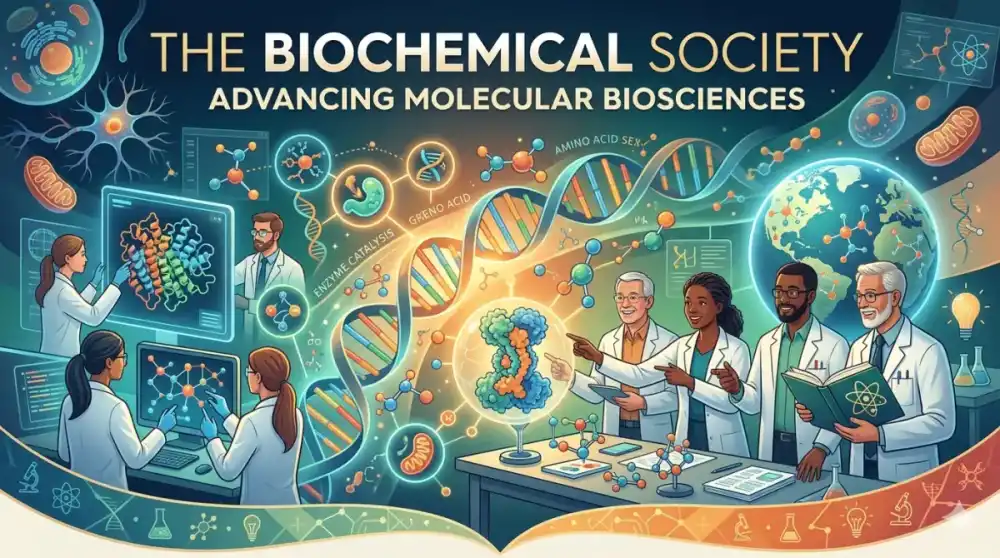
The Biochemical Society: Advancing Molecular Biosciences
In the vast landscape of scientific discovery, few organizations carry the weight of tradition and the spark of innovation as effectively as The Biochemical Society. Established in 1911, this premier UK-based learned society has spent over a century at the heart of the molecular biosciences. From its humble beginnings in a committee room to its current status as a global authority, the Society remains dedicated to one core mission: advancing the molecular biosciences to address the most pressing challenges of our time.
Whether you are an early-career researcher looking for research grants, a senior academic seeking to publish in high-impact scientific journals, or a policy expert shaping the future of UK science, The Biochemical Society provides the infrastructure, community, and prestige necessary to succeed.
A Legacy of Excellence: The History of The Biochemical Society
The history of the Society is, in many ways, the history of biochemistry itself. Founded on January 21, 1911, by visionaries Benjamin Moore and R.H.A. Plimmer, the organization was born from a need to provide a dedicated space for the burgeoning field of biochemistry.
Key Milestones in Our Journey
1911: The Society is founded with a commitment to academic excellence.
1912: Acquisition of the Biochemical Journal, which would become one of the most cited publications in the field.
2026: Leading the transition toward Open Access (OA) through the Subscribe to Open (S2O) model, ensuring global access to vital research.
Today, headquartered at Albert House in London, the Society continues to evolve, supporting over 4,000 members worldwide and acting as a bridge between academia and industry.
Portland Press: World-Leading Scientific Publishing
One of the most significant assets of The Biochemical Society is its wholly-owned publishing arm, Portland Press. Unlike commercial publishers, Portland Press operates under a "surplus-back-to-science" model. This means that every pound generated through journal subscriptions and article processing charges is reinvested into the scientific community via grants, awards, and educational resources.
Our Flagship Publications
The Society oversees a portfolio of high-impact journals that cover the full spectrum of molecular life sciences:
Biochemical Journal: Exploring the mechanisms of life for over 100 years.
Clinical Science: Bridging the gap between basic molecular science and disease mechanisms.
Bioscience Reports: A fully open-access journal for sound scientific research.
Neuronal Signaling: Focused on cellular neuroscience and signaling pathways.
Biochemical Society Transactions: The go-to source for mini-reviews and snapshots of current research.
Supporting the Scientist: Grants, Awards, and Career Development
For many bioscientists, the Society is a lifeline during critical career transitions. By offering a diverse range of research grants and travel bursaries, the Society ensures that financial constraints do not hinder scientific progress.
Opportunities for Growth
Summer Vacation Studentships: Providing undergraduates with their first taste of laboratory research.
General Travel Grants: Assisting members with travel and registration costs for international scientific conferences.
Early Career Research Awards: Recognizing outstanding achievements by scientists within six years of their PhD.
Care and Assistance Grants: Supporting researchers with caring responsibilities to attend events and training.
Advocacy and Science Policy: A Voice in Government
As a member of the Science Council and the Royal Society of Biology, The Biochemical Society plays a pivotal role in shaping science policy. The Society identifies key issues—such as R&D investment, climate change, and education reform—and ensures the voices of its members reach policymakers in the UK government.
By participating in consultations and issuing position statements, the Society protects the future of the discipline, advocating for an inclusive and sustainable research ecosystem.
Core Specializations and Research Areas
The Society’s expertise spans the most critical areas of modern biology, including:
Molecular Biosciences: Understanding the fundamental chemical processes of life.
Biotechnology: Applying biological systems to industrial and environmental solutions.
Protein Science: Investigating the structure and function of proteins in health and disease.
Cell Biology: Deciphering the inner workings of the cell to treat complex illnesses.
Membership: Join a Global Community
With over 4,000 members across the globe, membership in The Biochemical Society is a mark of professional distinction. Members enjoy a suite of exclusive amenities, including:
Discounted Registration: Reduced fees for world-class scientific meetings and training events.
Networking: Access to a vast network of peers in both academia and industry.
Free Journal Access: Complimentary online access to the Biochemical Journal and Biochemical Society Transactions.
Professional Development: Exclusive workshops, webinars, and online training portals.
Frequently Asked Questions
1. How do I join The Biochemical Society?
You can join via our website at . We offer various membership tiers, including student, early career, and full membership.
2. What is Portland Press?
Portland Press is the Society’s publishing arm. All profits from its journals are reinvested into the bioscience community to fund grants and educational programs.
3. Are there grants available for international students?
Yes, many of our grants and bursaries are available to both UK-based and international members.
4. Where is the Society’s headquarters located?
We are located at Office 605, Albert House, 256-260 Old Street, London, EC1V 9DD, near Old Street Station.
5. How can I submit a paper to the Biochemical Journal?
Submissions can be made through the Portland Press editorial portal. We follow a rigorous peer-review process to ensure scientific excellence.
6. Does the Society provide resources for teachers?
Absolutely. We offer a range of educational resources, scientific outreach grants, and classroom activities to support educators at all levels.
7. Can I attend a scientific meeting if I am not a member?
Yes, our meetings are open to the public, though members receive significantly discounted registration rates.
8. What is the Society’s role in UK science policy?
We provide expert advice to the government, respond to parliamentary consultations, and advocate for increased R&D funding and science education.
9. Is The Biochemical Society a registered charity?
Yes, we are a Registered Charity (No. 253894) and a company limited by guarantee.
10. How can I contact the helpdesk?
You can reach our London office at +44 (0)20 3880 2793 or email info@biochemistry.org.
Business Information Summary
Feature
Details
Address
Office 605, Albert House, 256-260 Old Street, London, EC1V 9DD
Phone
+44 203 880 2793
Website
Working Hours
Monday-Friday: 9:00 AM – 5:00 PM (GMT)
Accepted Payments
Credit/Debit Cards, Bank Transfer, PayPal
Key Associations
Science Council, Royal Society of Biology, FEBS
Cambridge
0 Views

Event Organiser
Apr 08, 2026
Zing Conferences: Global Scientific Symposiums
In the rapidly evolving landscape of global research, the traditional large-scale academic conference is often criticized for its "mass-market" feel, where individual voices are lost in a sea of thousands. Since its inception in 2007, Zing Conferences Ltd has challenged this paradigm. Headquartered in the historic scientific hub of Cambridge, United Kingdom, Zing Conferences has carved out a unique niche as a specialized event management organization dedicated to fostering high-impact, intimate global scientific collaboration.
Under the visionary leadership of its founder, Dr. Peter Zing, the organization has spent nearly two decades refining what they call the "boutique" approach to academic exchange. This article explores the history, services, and strategic importance of Zing Conferences in the modern scientific ecosystem.
The Genesis of a Specialized Scientific Network
Founded on March 1, 2007, Zing Conferences (often recognized by its brand association Zing Symposiums) was born from a simple observation: the best scientific breakthroughs often happen during coffee breaks and informal dinners rather than in crowded lecture halls. Dr. Peter Zing sought to create a platform where the world’s leading researchers in chemistry, biology, physics, and environmental sciences could meet in high-quality, focused environments.
Operating out of Sumpter House in Histon, Cambridge—a landmark near Histon Green—the company leverages its location in one of the world's most prestigious academic corridors to maintain its high standards of excellence. With a dedicated team of 10-20 professionals, Zing Conferences manages the complex logistics of global events, allowing the academic community to focus on what matters most: the research.
The "Boutique" Value Proposition: Quality Over Quantity
Zing Conferences is not merely an event planner; it is a facilitator of Scientific Research Support. Their mission centers on creating "intimate, high-impact environments." But what does this mean in practice?
1. Unique Global Locations
Zing Symposiums are frequently held in unique, often secluded global locations. By removing participants from their daily office routines and placing them in inspiring settings, Zing encourages a mindset of creative freedom. This strategy is essential for the "free exchange of ideas" that the organization champions.
2. Specialized Subject Areas
Unlike general science fairs, Zing events are highly targeted. Whether it is a symposium on solid-state chemistry or a workshop on advanced genomic sequencing, the participants are all experts in that specific sub-field. This ensures that every conversation is technically relevant and potentially collaborative.
3. Professional Facilitation
From Abstract Management to the publication of Conference Proceedings, Zing handles the end-to-peer lifecycle of a scientific meeting. This includes ensuring that all sessions are CPD (Continuing Professional Development) accredited, providing tangible value for career-focused academics.
Core Services and Amenities
Zing Conferences Ltd offers a comprehensive suite of services that cater to the modern academic and industrial professional. These include:
International Scientific Conferences: Large-scale yet focused events across multiple continents.
Academic Symposiums: Deep-dives into specific research questions.
Networking Events: Structured and informal opportunities to meet potential research partners.
On-site Logistics: Audio-visual support, guest accommodation coordination, and high-end catering.
Academic Resource Kits: Ensuring every participant has the tools needed to engage with the presented data.
Strategic Associations and Industry Standing
Zing Conferences is a registered UK entity (Registration Number: 06133775) and maintains active associations with prestigious bodies such as the British Science Association and various international chemical societies. These partnerships ensure that the conferences remain at the forefront of the global scientific agenda.
Under the brands Zing Symposium and Zing Research Group, the company has successfully hosted hundreds of events that have led to long-lasting professional networks. Their specialization in Global Academic Logistics makes them a preferred partner for universities and research institutes looking to host their own specialized meetings without the burden of administrative overhead.
Navigating the Logistics of Collaboration
For those looking to engage with Zing Conferences, the process is streamlined. They support English as their primary language of communication and accept various payment methods, including credit/debit cards and bank transfers, ensuring that international delegates face minimal barriers to entry.
Business Contact Information:
Phone: +44 1223 790500
Email: info@zingconferences.com
Address: Sumpter House, 8 Station Road, Histon, Cambridge, CB24 9LQ, UK.
The Future of Research Knowledge Exchange
As scientific challenges become more complex and interdisciplinary, the need for focused, high-level interaction grows. Zing Conferences Ltd remains a vital bridge between isolated research silos. By prioritizing the quality of interaction over the mass of attendance, Dr. Peter Zing and his team continue to ensure that the global scientific community has a home—wherever in the world that may be.
Frequently Asked Questions
1. What makes a Zing Symposium different from a standard conference?
Zing Symposiums focus on a "boutique" approach, prioritizing small, intimate groups of high-level experts in unique locations to foster genuine networking and collaborative opportunities.
2. Is Zing Conferences Ltd a registered organization?
Yes, it is registered in the UK under Business Registration Number 06133775, founded in 2007.
3. Who is the founder of Zing Conferences?
The organization was founded by Dr. Peter Zing, who continues to lead the mission of global scientific collaboration.
4. What scientific fields does Zing cover?
Zing specializes in chemistry, biology, physics, and environmental sciences, though they often host interdisciplinary events.
5. Are the sessions at Zing Conferences accredited?
Yes, many sessions are CPD (Continuing Professional Development) accredited, making them valuable for professional certification.
6. Where is the Zing Conferences headquarters located?
The business is headquartered at Sumpter House, 8 Station Road, Histon, Cambridge, CB24 9LQ, United Kingdom.
7. Does Zing assist with travel and accommodation?
Zing provides guest accommodation coordination as part of their comprehensive conference management services.
8. How can I submit a paper or abstract to a Zing event?
Zing utilizes a professional abstract management system accessible through their website or specific event portals.
9. What payment methods are accepted for registration?
Zing accepts credit cards, debit cards, and bank transfers to accommodate international participants.
10. How can I contact the Zing helpdesk?
You can reach them at +44 1223 790500 or via email at info@zingconferences.com.
Cambridge
0 Views
Article Posting
Sign In to Submit Your Content

Business Services
Apr 08, 2026
IDTechEx: Driving Strategic Innovation in Emerging Tech
In the rapidly evolving landscape of global industry, innovation is no longer just an advantage—it is a necessity for survival. For over two decades, IDTechEx (IDTechEx Ltd) has stood at the intersection of breakthrough science and commercial strategy. Since its inception in 1999, the firm has dedicated itself to a singular mission: helping clients profit from innovation by making informed strategic decisions.
Headquartered in the global technology hub of Cambridge, United Kingdom, IDTechEx has grown from a specialized boutique into a worldwide powerhouse in market research, business intelligence, and technology consulting. This article explores the unique value proposition, methodological rigor, and industry impact of IDTechEx, illustrating why it remains the first port of call for corporate strategists and technology leaders worldwide.
The Genesis and Evolution of IDTechEx
Founded on January 1, 1999, by CEO Raghu Das, IDTechEx was born out of a need for independent, technically grounded analysis of disruptive technologies. In an era where "hype" often overshadows reality, Raghu Das and his team recognized that true market intelligence requires more than just financial modeling—it requires a deep understanding of the underlying physics, chemistry, and engineering of a product.
Over the last 25 years, the company has expanded its footprint across three continents, maintaining a global HQ near the Cambridge Railway Station and Microsoft Research. This proximity to one of the world's most vibrant academic and tech ecosystems has allowed IDTechEx to remain at the forefront of "deep tech" trends.
The IDTechEx Methodology: Technical Depth Meets Commercial Insight
The phrase "Technical Depth and Commercial Insight" is not just a tagline; it is the cornerstone of the IDTechEx research philosophy. Unlike generalized research firms, IDTechEx employs a global team of PhD-level analysts. This ensures that when a report discusses solid-state batteries or graphene, the analysis is backed by individuals who understand the molecular constraints and manufacturing hurdles of those materials.
Primary Research at the Core
IDTechEx analysts conduct extensive primary research across the entire value chain. This involves:
Direct Interviews: Hundreds of annual interviews with C-suite executives, engineers, and early-stage innovators.
Site Visits: Physically inspecting manufacturing facilities and laboratories to verify commercial readiness.
Event Integration: Leveraging their own flagship events and webinars to gather real-time sentiment from industry pioneers.
This granular approach allows IDTechEx to provide data that is not only historical but also forward-looking, offering 10 to 20-year forecasts that are essential for long-term capital expenditure planning.
Core Specializations and Sector Expertise
IDTechEx specializes in high-growth technology sectors that are currently driving the global transition toward sustainability and digitalization. Their expertise spans:
Electric Vehicles (EVs) and Future Mobility
As the world shifts away from internal combustion engines, IDTechEx provides the roadmap for the EV transition. Their research covers land, sea, and air—analyzing everything from passenger cars and autonomous trucks to eVTOL (electric vertical take-off and landing) aircraft.
Energy Storage and Batteries
Beyond the vehicle, energy storage is the linchpin of the renewable energy revolution. IDTechEx offers deep dives into Li-ion advancements, sodium-ion batteries, and long-duration energy storage (LDES) solutions.
Advanced Materials and Nanotechnology
From carbon nanotubes to sustainable packaging, the firm identifies how material science breakthroughs create new market opportunities.
Robotics, Sensors, and AI
In the age of Industry 4.0, IDTechEx tracks the rise of humanoid robots, AI-driven edge computing, and the increasingly sophisticated sensors that allow machines to "feel" and "see" their environment.
Healthcare and Life Sciences
Digital healthcare, wearable technology, and biosensors are transforming patient care. IDTechEx research helps medical device companies navigate these complex regulatory and technical shifts.
Products and Services: Delivering Actionable Intelligence
IDTechEx offers a suite of products tailored to different corporate needs:
Market Research Reports: Comprehensive studies assessing technology verticals, competitive landscapes, and value chain drivers.
Market Intelligence Subscriptions: A flexible, on-demand portal providing access to reports, company profiles, and exclusive articles.
Strategic Consulting: Bespoke services where analysts act as an extension of a client's team to solve specific strategic challenges, such as due diligence or technology scouting.
Webinars and Events: Interactive platforms that bring the latest findings to a global audience, fostering networking and knowledge exchange.
Global Impact and Brand Associations
Operating under the banners of IDTechEx Research and IDTechEx Events, the firm serves a diverse clientele—from Fortune 500 multinationals to disruptive startups. Their insights are frequently cited by leading financial publications like the Financial Times and The Wall Street Journal, cementing their reputation as a "voice of truth" in the tech world.
The company is an active member of the Market Research Society (MRS) and maintains strong associations with the Cambridge Network and techUK, ensuring their operations meet the highest professional and ethical standards.
Navigating Complex Transitions
The global economy is currently facing two major shifts: the transition to sustainable energy and the rise of digital healthcare. IDTechEx empowers organizations to navigate these "complex transitions" by identifying early-stage opportunities and assessing the competitive landscape of disruptive technologies.
For a corporate strategist, the value is clear: IDTechEx provides the data-driven confidence needed to invest in the right technology at the right time.
The IDTechEx Advantage
With 80 dedicated employees and a legacy spanning a quarter-century, IDTechEx is more than a research firm; it is a strategic partner for innovation. By combining the rigor of PhD-level analysis with a pragmatic commercial outlook, IDTechEx ensures that its clients are not just spectators of technological change, but leaders of it.
Frequently Asked Questions
1. What makes IDTechEx different from other market research firms?
IDTechEx is unique due to its "Technical Depth." Most analysts hold PhDs in relevant scientific fields, allowing them to provide a deeper level of technical appraisal than standard business-only firms.
2. Where is IDTechEx headquartered?
The global headquarters is located in Cambridge, United Kingdom (9 Station Road, CB1 2JB).
3. Who founded IDTechEx and when?
IDTechEx was founded on January 1, 1999, by Raghu Das, who currently serves as the CEO.
4. What industries does IDTechEx specialize in?
They specialize in emerging technologies, including electric vehicles, energy storage, sensors, robotics, 3D printing, and advanced materials.
5. Does IDTechEx offer custom research?
Yes, IDTechEx provides bespoke strategic consulting services tailored to specific client needs, including technology scouting and due diligence.
6. What are the primary payment methods accepted by IDTechEx?
They accept Bank Transfers (BACS/Swift), Credit/Debit Cards, and Corporate Invoicing.
7. In which languages does IDTechEx provide support?
Support is available in English, Japanese, German, and Korean.
8. How many years of forecasts do IDTechEx reports typically provide?
Most reports provide granular 10-year forecasts, with some strategic sectors offering 20-year outlooks.
9. Is IDTechEx a certified organization?
Yes, it is a registered Private Limited Company in the UK (No. 03816360) and adheres to the standards of the Market Research Society (MRS).
10. How can I contact the IDTechEx helpdesk?
You can reach them at +44 (0)1223 812300 or via email at research@idtechex.com.
Cambridge
0 Views
Educational Services
Apr 08, 2026
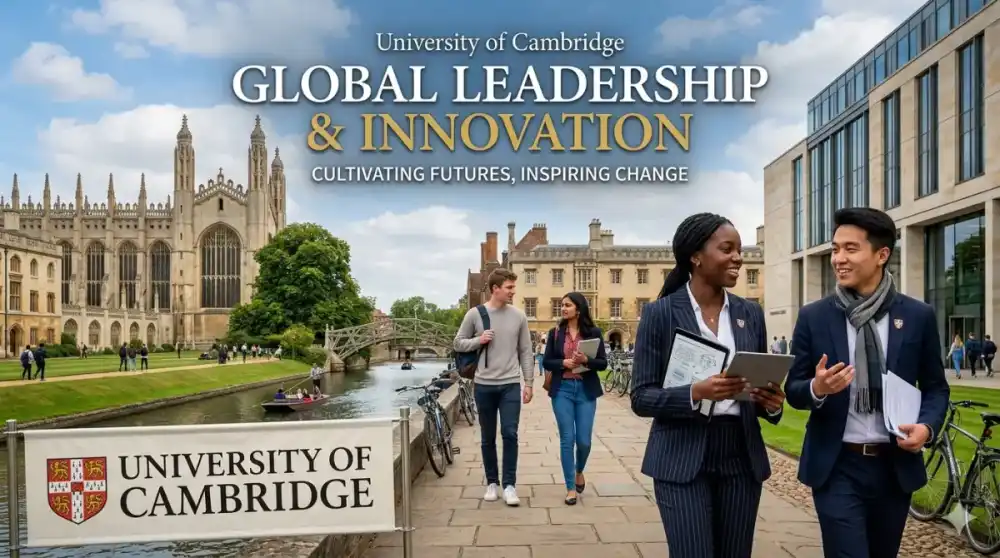
University of Cambridge: Global Leadership & Innovation
The University of Cambridge, situated in the historic heart of the United Kingdom, stands as a beacon of intellectual achievement and scientific discovery. Founded in 1209 by a group of scholars from Oxford, it has evolved over eight centuries into one of the world's most influential higher education and research institutions. Today, the University is a self-governed community of scholars, comprising 31 autonomous Colleges and over 150 Departments and Faculties.
This article provides a deep dive into the unique ecosystem of Cambridge, from its transformative educational model to its role as a global engine for economic and technological growth.
The Collegiate System: A Unique Academic Framework
Unlike many global universities, Cambridge operates on a collegiate system. This structure is the cornerstone of the Cambridge experience, fostering interdisciplinary collaboration and providing a "home away from home" for over 24,000 students.
The 31 Autonomous Colleges
Each of the 31 colleges is an independent institution with its own property, income, and character. Whether it is the historic grandeur of King's College (located near the iconic King's College Chapel) or the modern, graduate-focused environment of Wolfson College, every student belongs to a smaller, supportive community.
Key Roles of the Colleges:
Admissions: Colleges are responsible for selecting undergraduate students.
Supervisions: The world-renowned "supervision" system provides small-group teaching (often 1-on-1 or 2-on-1) with leading experts.
Accommodation and Welfare: Students live, eat, and socialize within their college, supported by Tutors and Directors of Studies.
Global Leadership in Research and Innovation
The University of Cambridge is synonymous with the "Freedom of Thought and Expression" that drives its mission. With more Nobel Prize winners than any other single institution, its research impact is felt in every corner of the globe.
Tackling Global Challenges
Cambridge researchers are at the forefront of solving the most pressing issues of the 21st century:
Climate Change: Through initiatives like the Cambridge Institute for Sustainability Leadership (CISL), the university is scaling climate solutions and driving market transformations.
Artificial Intelligence: Exploring the future of AI, Cambridge focuses on ethical frameworks and the integration of machine learning into healthcare and social sciences.
Global Health: The Cambridge Biomedical Campus is a world leader in clinical medicine and biotechnology, producing breakthroughs in oncology and infectious diseases.
The "Cambridge Cluster" (Silicon Fen)
One of the most successful technology hubs in the world, the Cambridge Cluster (often called Silicon Fen), bridges the gap between academic research and commercial application. Valued at over £176 billion in 2026, the ecosystem is a testament to the university's commitment to innovation.
Bridging Academia and Industry
The university encourages entrepreneurship through Cambridge Enterprise, which helps staff and students commercialize their ideas. Major global tech firms—including ARM, AstraZeneca, and Microsoft Research—are headquartered or have major hubs within the 50-mile service area radius of the city.
Academic Programs and Excellence
The University offers a wide range of Undergraduate and Postgraduate degree programs across all major disciplines.
STEM and Clinical Medicine
Cambridge is a global powerhouse in STEM (Science, Technology, Engineering, and Maths). The School of Clinical Medicine provides world-class training, utilizing facilities like Addenbrooke’s Hospital to offer hands-on medical education.
Humanities and Social Sciences
The university’s heritage in the humanities remains unparalleled, with libraries like The UL (University Library) housing millions of volumes, including rare manuscripts that have shaped human history.
Cambridge University Press & Assessment
As a brand association, Cambridge University Press & Assessment extends the university’s reach globally. It is a leader in academic publishing and English language assessment, with its certifications recognized by over 25,000 organizations worldwide.
Student Life and Amenities
Life at Cambridge is not just about academic rigor; it is about holistic development.
Museums and Gardens: The Fitzwilliam Museum and the University Botanic Garden offer cultural and natural enrichment for students and the public.
Sports and Societies: From rowing on the River Cam to participating in the Cambridge Union (the world's oldest debating society), students have access to hundreds of extracurricular activities.
Libraries: With over 100 libraries, students have access to one of the most comprehensive academic resource collections in existence.
Commitment to Diversity and Accessibility
Cambridge continues to expand its reach, welcoming students from over 150 countries. Through the Cambridge Trust, over 22,000 scholarships have been awarded to ensure that the brightest minds can study at Cambridge, regardless of their financial background.
Business Information Summary
Feature
Details
Headquarters
The Old Schools, Trinity Lane, Cambridge, CB2 1TN
Founder
Association of Scholars from Oxford (1209)
Employees
~12,000
Specialization
STEM, Clinical Medicine, Humanities, AI
Contact
01223337733 / reception@admin.cam.ac.uk
Social Media
Instagram: @cambridgeuniversity
Frequently Asked Questions
1. How do I apply to the University of Cambridge?
For undergraduate courses, applications must be submitted via UCAS by the January 14 deadline for 2026 entry. Postgraduate applications are handled through the university's Applicant Portal.
2. What is the "Collegiate System"?
It is a structure where students belong to both the University (for lectures and exams) and one of 31 autonomous Colleges (for accommodation, dining, and small-group teaching).
3. What are the accepted payment methods for tuition?
The University accepts Bank Transfers (BACS/Swift), Credit/Debit Cards, Student Finance England (SFE), Sponsorship, and PayPal for specific services.
4. What is the "Cambridge Cluster"?
Also known as Silicon Fen, it is the high-tech hub surrounding Cambridge that includes thousands of technology and biotechnology companies, many of which originated from the University.
5. Does Cambridge offer scholarships for international students?
Yes, the Cambridge Trust and programs like the Gates Cambridge Scholarship provide extensive funding for international students from over 150 nations.
6. What are the working hours for the central administration?
The central administration at The Old Schools operates Monday–Friday, 09:00 – 17:00. However, colleges and libraries often operate on 24-hour or extended schedules.
7. Can I visit the University of Cambridge libraries?
The University Library (The UL) and various department libraries are primarily for members of the University, but many offer access to visiting scholars and researchers by appointment.
8. What certifications does the University hold?
The University is incorporated by Royal Charter (RC000646), is a registered charity, and is a member of the Russell Group and the G8 Research Group.
9. What makes Cambridge's teaching unique?
The supervision system is its primary differentiator, offering regular small-group or one-on-one sessions with experts to delve deep into the subject matter.
10. How many Nobel Prizes have been awarded to Cambridge members?
Cambridge members have won more Nobel Prizes than any other single institution, with over 120 laureates affiliated with the university.
Cambridge
0 Views
- Prev
- 1
- Next
Share This Page
My Page
Scan QR to open
Barcode