
10 Proven Customer Retention Techniques for 2026
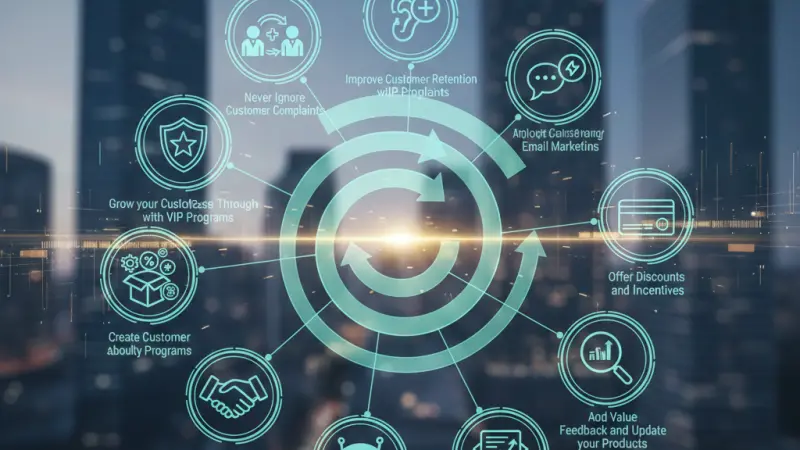
To achieve consistent growth in 2026, the age-old debate of "Acquisition vs. Retention" has finally been settled by the data. While bringing new faces through the door builds brand awareness, it is the customers who already know your name that build your bottom line.

In a post-COVID landscape where UK small businesses face a volatile economy—marked by high fuel costs and a selective consumer base—standing out requires more than just a good product. It requires a strategy that turns a single transaction into a lifelong relationship. Research indicates that nearly 80% of future profits stem from just 20% of existing customers.
This comprehensive guide explores 10 proven techniques to master customer retention and maximize lifetime business value.
Deliver Excellent Customer Service
In an era where 96% of customers are willing to leave a brand after a single bad experience, customer service is no longer a "department"—it is your competitive advantage. Excellent service is about proactive problem-solving rather than reactive apologies.
Live Demos and Interactive Training: Many users find traditional manuals cumbersome. By offering live video sessions or real-time demonstrations, you reduce the "time-to-value" for your customer. When they see exactly how to use your product to solve their specific problem, their loyalty to your brand solidifies.
Co-Browsing for Technical Hurdles: Sometimes, words aren't enough. Co-browsing allows your support team to navigate a customer's screen (with permission) to guide them through complex checkouts or setup processes. This high-touch approach eliminates frustration instantly.
Empowered Staff: Give your frontline employees the authority to make small financial decisions (like offering a refund or a replacement) without needing managerial approval. Speed is often the biggest factor in satisfaction.
Leverage Automated Customer Conversations
By 2026, AI-driven interactions are expected to handle a significant portion of global customer queries. Automation doesn't mean losing the "human touch"; it means being available when humans are asleep.
24/7 Availability: UK businesses serving international markets cannot afford to have an "offline" sign. AI chatbots provide instant responses at 3:00 AM, preventing customers from bouncing to a competitor.
Self-Learning Systems: Modern AI, such as systems provided by Freshworks or Zendesk, learns from every interaction. This ensures that the bot's accuracy improves over time, handling complex inquiries with increasing sophistication.
Seamless Handoffs: The best automation knows when it’s out of its depth. Ensure your system can transition a complex query to a human agent with the full chat transcript intact so the customer never has to repeat themselves.
Invest in Extensive Product Education
A confused customer rarely becomes a repeat customer. Education empowers your users, turning them from "trial users" into "power users."
Omnichannel Learning: Distribute educational content where your customers live—TikTok for quick tips, long-form blogs for deep dives, and email sequences for onboarding.
Interactive Onboarding: The first 48 hours after a purchase are critical. Use an automated "Welcome" series that guides the user through the most important features of your service.
Community Forums: Encourage veteran users to teach newcomers. A thriving community acts as a self-sustaining educational ecosystem and builds emotional ties to your brand.
Design High-Impact Loyalty Programs
A well-structured loyalty program can increase the likelihood of a repeat purchase by nearly 47%. In 2026, loyalty is about value exchange, not just collecting digital stickers.
The Power of the Head Start: Psychologically, people are more motivated to finish a task if they feel they’ve already started. Giving a "Welcome Bonus" of 50 points makes the goal of 100 points feel much more attainable than starting from zero.
Gamification: Use tiers (Bronze, Silver, Gold) to create a sense of progression. People enjoy the status associated with "leveling up" in a brand’s ecosystem.
Surprise and Delight: Occasionally reward customers for no reason at all. A "just because" discount code or a free sample in their third order creates a "wow" moment that they will likely share on social media.
Tailor Discounts and Incentives for Retention
While discounts can erode margins if overused, they are surgical tools for retention when used correctly.
Second-Purchase Incentives: The jump from the first to the second purchase is the hardest. Offer a specific discount that expires 14 days after their first buy to build immediate momentum.
Re-Engagement Offers: Use data to identify "at-risk" customers—those who haven't purchased in their usual timeframe. A "We Miss You" discount can be the nudge they need to return.
Bundle Discounts: Encourage repeat business by offering lower prices when customers commit to a subscription or a "subscribe and save" model.
Proactive Feedback Collection and Updates
Don't wait for a negative review on Google or the Better Business Bureau (BBB) to find out something is wrong.
Closing the Loop: When a customer provides feedback, tell them what you did with it. If you updated a feature based on their suggestion, send them a personal note. This makes them feel like a partner in your business, not just a line item.
Sentiment Analysis: Use tools to monitor social media mentions. Often, customers vent online before they ever contact support. Intercepting these moments can save a relationship.
Regular Product Iteration: In a fast-moving market, "standing still" is the same as "moving backward." Regularly update your offerings based on the common patterns found in customer surveys.
Strategic Email Marketing
Email remains the king of ROI, driving significantly more conversions than social media alone.
Personalized Recommendations: Don't send a general newsletter. Use the customer’s purchase history to suggest products they actually want.
The "Human" Newsletter: Share stories, behind-the-scenes content, and testimonials. When customers see the people behind the brand, they are more likely to stay loyal during economic downturns.
Automated Milestone Emails: Celebrate their "anniversary" with your brand or their birthday. These small gestures maintain top-of-mind awareness.
Referral Programs as Growth Engines
Referral programs turn your loyalists into a volunteer sales force.
Two-Way Rewards: Ensure both the referrer and the referee get something of value. This removes the "guilt" of a customer feeling like they are profiting off their friend.
Tiered Referrals: Reward your most active referrers with exclusive perks or higher-value gifts to keep them motivated.
Exclusive VIP Programs
VIP programs focus on the top 10% of your customer base—the "whales" who provide the most stability.
Early Access: Let VIPs buy new collections 24 hours before the general public.
Dedicated Account Managers: For B2B or high-end B2C, a single point of contact provides a level of service that makes switching to a competitor unthinkable.
Exclusive Events: Invitations to webinars, gala dinners, or product launch parties build a sense of belonging to an elite club.
Master the Art of Complaint Resolution
A complaint is a gift; it is a customer telling you exactly how to keep them.
The "Service Recovery Paradox": Research shows that a customer who had a problem that was resolved brilliantly
is often more loyal than a customer who never had a problem at all.
No-Quibble Policies: In 2026, transparency is vital. If a product fails, replace it immediately. The cost of a replacement is far lower than the cost of a lost customer and the subsequent negative word-of-mouth.
Why Retention Wins: The Statistics
Cost Efficiency: It is 5 to 16 times more expensive to bring a new customer to the same spending level as a repeat one.
Profitability Boost: Increasing retention by just 5% can grow profits by up to 75%.
Higher Average Order Value: Repeat customers spend approximately 300% more over their lifetime than one-time shoppers.
Boost Your Business Presence with Local Page UK
To thrive in today's competitive landscape, your business needs to be where the customers are looking. Whether you are looking to find local businesses uk or want to get your own brand noticed, visibility is the first step toward retention.
Joining a reputable uk business directory like Local Page UK business directory ensures your company is listed among the uk top rated local businesses. For those just starting out, a business listing uk on a business listing uk can jumpstart your online presence without any initial investment.
From the uk small business directory section to specialized uk b2b business directory and uk b2c business directory hubs, Local Page UK offers a comprehensive business directory uk online experience. Don't miss out on being part of the most trusted local businesses list uk. Secure your business listing uk spot today or explore our uk verified business listings to see how we help consumers find the best uk service providers directory.
Whether you need a uk local trades directory, a uk home services directory, or a uk professional services listings platform, Local Page UK is the ultimate uk business directory website for modern growth. Claim your business listing uk and join the premier uk local business directory today!
Questions Clients Commonly Ask
1. Why is customer retention more important than acquisition in 2026?
With rising advertising costs and market saturation, the ROI on retention is significantly higher. It costs 5 times more to acquire a new customer than to keep an existing one.
2. How does a loyalty program improve profits?
Loyalty programs increase purchase frequency and average order value. Members are 47% more likely to choose you over a competitor for their next purchase.
3. Can AI really replace human customer service?
No, but it can augment it. AI handles routine tasks (tracking, FAQs), allowing human agents to focus on complex, high-empathy situations.
4. What is the "Service Recovery Paradox"?
It's the phenomenon where a customer becomes more loyal to a brand after a successful resolution of a problem than they would have been if no problem had occurred.
5. How often should I send marketing emails?
Consistency is key, but avoid "spamming." 1-2 high-value emails per week is usually the sweet spot for UK small businesses.
6. What are "Welcome Points"?
These are loyalty points given to a customer immediately upon signing up, providing a psychological "head start" that encourages them to reach the first reward threshold.
7. How do I handle a public negative review?
Respond publicly, professionally, and promptly. Offer to take the conversation offline to resolve the issue. This shows other potential customers that you care.
8. What is the benefit of a VIP program?
It secures the loyalty of your highest-spending customers, who often account for a disproportionate amount of your total profit.
9. How can I collect better customer feedback?
Use short, one-question "micro-surveys" at various touchpoints rather than long, annual surveys that customers often ignore.
10. Is co-browsing safe for customers?
Yes, modern co-browsing tools are highly secure and only allow agents to see the browser window, not the customer’s entire desktop or sensitive passwords.
11. What is the most effective referral incentive?
A "double-sided" incentive where both the current customer and the new friend receive a discount or gift is generally the most successful.
12. Does product education really reduce churn?
Absolutely. If a customer understands how to use a product to its full potential, they are far less likely to abandon it for a competitor.
13. How does the UK economy affect purchasing behavior in 2026?
High living costs mean consumers are more "value-conscious." They aren't just looking for the cheapest price, but the best overall experience and reliability.
14. What is a "Self-Learning" chatbot?
It is an AI system that uses machine learning to analyze previous successful interactions to provide better, more accurate answers over time.
15. How can small businesses compete with large corporations in retention?
Small businesses have the advantage of "personal touch." Use your size to offer more personalized service and a community feel that big-box retailers can't replicate.

Disclaimer: The information provided in this article is for general informational and research purposes only. Company details, features, services, and market positions may change over time. Readers are advised to visit official company websites and conduct independent research before making any business decisions or purchasing services.
Most Searchable Keywords
Recent Blogs




Categories
- Accountants (295)
- Advertising Agencies (559)
- Architects (149)
- Automobiles (375)
- Beauty (300)
- Carpenters (146)
- Cleaning Services (386)
- Dentists (189)
- Driving (61)
- Electricians (215)
- Energy (6)
- Event Organiser (683)
- Finance (596)
- Guide (3358)
- Health (2205)
- Information technology (206)
- Legal Services (352)
- Logistics (6)
- Maintenance (65)
- Manufacturing (35)

Sponsored Listings in Entertainment Services


Related Blogs

AI for Small Businesses in the UK Free Tools...
Read this insightful article "AI for Small Businesses in the UK Free Tools to Grow Faster" to expand your knowledge!

UK Startup Applications Hit Record High in 20...
Read this insightful article "UK Startup Applications Hit Record High in 2026" to expand your knowledge!
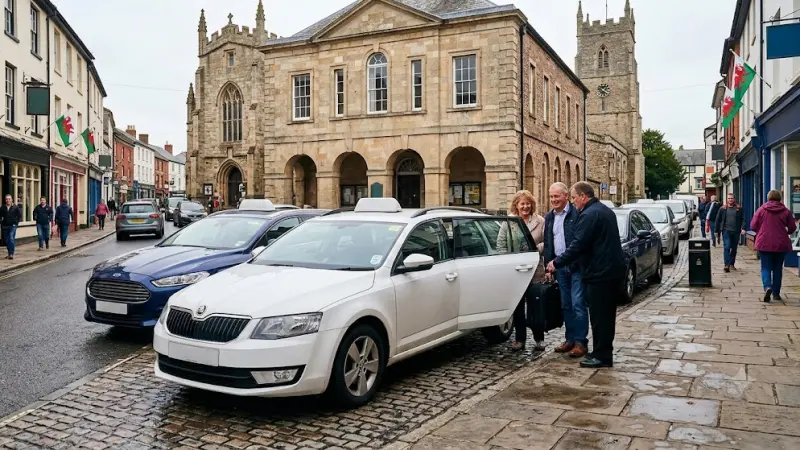
Monmouth Taxis and Private Hire Vehicles for...
Read this insightful article "Monmouth Taxis and Private Hire Vehicles for Every Journey" to expand your knowledge!
Questions & Answers – Find What
You Need, Instantly!
How can I update my business listing?
Is it free to manage my business listing?
How long does it take for my updates to reflect?
Why is it important to keep my listing updated?
