
3 Key Stages of Starting a New Business
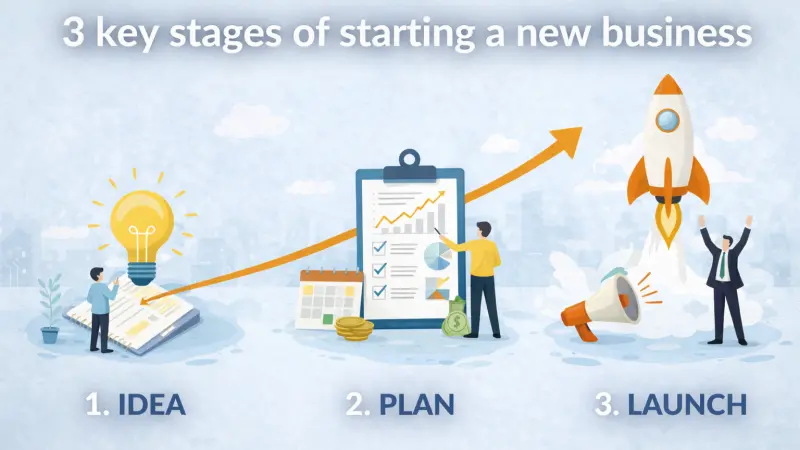
Starting a new business is an exciting journey filled with opportunities, challenges, and important decisions. While every business is unique, most successful ventures follow a similar path from idea to growth. Understanding the key stages of starting a business can help entrepreneurs prepare effectively, reduce risks, and build a strong foundation.

By breaking the process into clear stages, you can focus on what matters most at each step and ensure you are making informed decisions.
In this article, we explore the three key stages of starting a new business and what you should focus on during each phase.
Stage One Planning and Validation
The first stage of starting a new business is planning and validating your idea. This is where you define your concept, research your market, and determine whether your idea is viable.
Start by identifying the problem your business will solve and who your target customers are. Conduct market research to understand demand, competition, and pricing.
Developing a clear business plan helps outline your goals, strategy, and financial projections. This stage is crucial for building a solid foundation and reducing uncertainty.
You should also consider legal requirements, business structure, and funding options during this phase. Proper planning increases your chances of success.
Stage Two Launch and Setup
Once your idea has been validated, the next stage is launching and setting up your business. This involves turning your plan into action and preparing your operations.
Register your business, set up financial systems, and ensure compliance with regulations. Create your brand identity, build your website, and establish marketing channels.
During this stage, focus on developing your products or services and preparing to serve customers. Building relationships with suppliers and partners can also support a successful launch.
The goal is to create a strong operational structure that allows your business to run efficiently from the start.
Stage Three Growth and Scaling
After launching, the focus shifts to growth and scaling. This stage involves expanding your customer base, improving processes, and increasing revenue.
Monitor performance and gather customer feedback to identify areas for improvement. Investing in marketing, technology, and team development can support expansion.
Scaling your business requires efficient systems, strong financial management, and a clear growth strategy.
As your business grows, continue to adapt to market changes and seek opportunities to innovate.
Why Understanding These Stages Matters
Recognising the different stages helps entrepreneurs stay organised and prioritise tasks effectively. Each phase requires different skills and strategies, and understanding this helps reduce overwhelm.
Following a structured approach can improve decision making and increase confidence.
Clear stages provide a roadmap for progress and success.
Common Challenges at Each Stage
During the planning stage, uncertainty and lack of market knowledge can be challenges.
In the launch stage, managing resources and building brand awareness can be difficult.
During growth, maintaining quality and managing expansion can require careful planning.
Understanding these challenges helps you prepare and overcome obstacles.
Tips for Moving Successfully Between Stages
Set clear goals and track progress regularly.
Seek feedback from customers and advisors.
Invest in learning and development to build skills.
Stay flexible and adapt to changes in the market.
Preparation and continuous improvement support smooth transitions.
Starting a new business involves three key stages: planning and validation, launch and setup, and growth and scaling. Each stage plays an important role in building a successful and sustainable business.
By understanding what to focus on at each phase, entrepreneurs can make better decisions, manage risks, and create a strong foundation for growth.
With careful planning, effective execution, and continuous improvement, your business can progress through each stage with confidence and achieve long term success.
FAQs
1 What are the three stages of starting a business Planning and validation, launch and setup, and growth and scaling.
2 Why is the planning stage important It helps validate your idea and create a clear strategy.
3 What should I do during the launch stage Register your business, set up operations, and start marketing.
4 What happens during the growth stage Focus on expanding your customer base and improving processes.
5 How long does each stage take It varies depending on the business and industry.
6 Do all businesses follow these stages Most businesses follow similar phases though timelines differ.
7 Why is market research important It helps understand demand and competition.
8 How can I prepare for growth Invest in systems, marketing, and team development.
9 What challenges do startups face Funding, competition, and operational issues are common challenges.
10 Should I create a business plan Yes it provides direction and helps secure funding.
11 How do I know when to scale When demand increases and systems are ready to support growth.
12 Can I skip the planning stage Skipping planning increases risks and uncertainty.
13 What is the most important stage All stages are important for long term success.
14 How can I reduce risks when starting a business Plan carefully and validate your idea before launching.
15 What is the key to startup success Preparation, adaptability, and continuous improvement.

Disclaimer: The information provided in this article is for general informational and research purposes only. Company details, features, services, and market positions may change over time. Readers are advised to visit official company websites and conduct independent research before making any business decisions or purchasing services.
Most Searchable Keywords
Recent Blogs

Related Listings

Categories
- Accountants (295)
- Advertising Agencies (559)
- Architects (149)
- Automobiles (377)
- Beauty (300)
- Carpenters (146)
- Cleaning Services (386)
- Dentists (189)
- Driving (62)
- Electricians (215)
- Energy (8)
- Event Organiser (685)
- Finance (599)
- Guide (3365)
- Health (2207)
- Information technology (206)
- Legal Services (353)
- Logistics (6)
- Maintenance (65)
- Manufacturing (35)

Sponsored Listings in Locksmith Services


Related Blogs

Gen Z Political Reporters and News Creators i...
Read this insightful article "Gen Z Political Reporters and News Creators in the UK" to expand your knowledge!

Famous Female Social Media Influencers Across...
Read this insightful article "Famous Female Social Media Influencers Across the UK" to expand your knowledge!
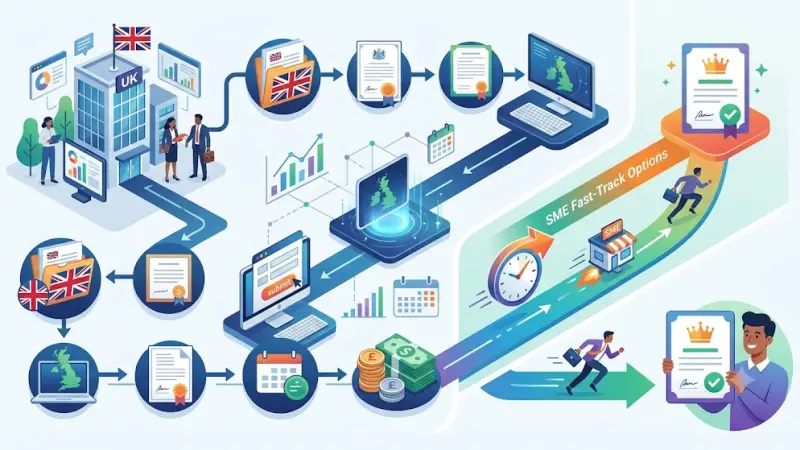
Your UK Sponsor Licence 2026 Step by Step Gui...
Read this insightful article "Your UK Sponsor Licence 2026 Step by Step Guide" to expand your knowledge!
Questions & Answers – Find What
You Need, Instantly!
How can I update my business listing?
Is it free to manage my business listing?
How long does it take for my updates to reflect?
Why is it important to keep my listing updated?
