
Angling & Sports Fishing UK: Locations, Licenses & Gear Recommendations
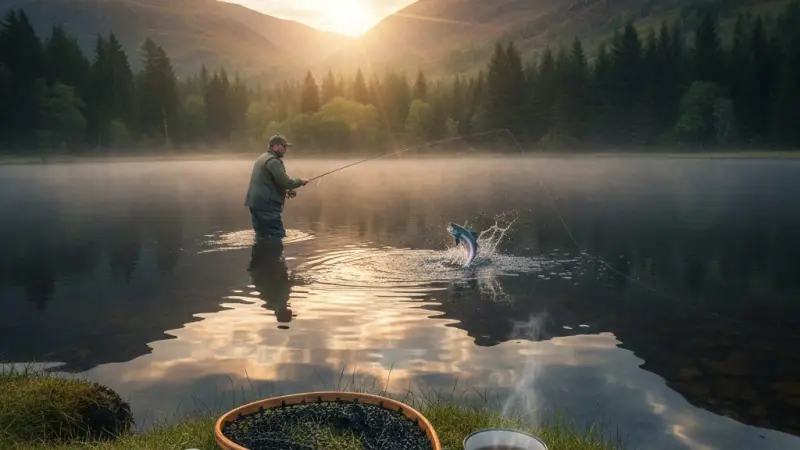
The United Kingdom boasts some of the most diverse and historically rich fishing waters in the world. From the rugged coastlines of Scotland to the chalk streams of Southern England, angling is not merely a pastime; it is a pillar of the British rural and coastal economy. As an industry, it encompasses a vast supply chain including retail, tourism, manufacturing, and professional coaching. For many enthusiasts, the journey begins with finding a business listing uk to identify local tackle shops and professional guides who can navigate the complex British waterways.

Economically, the sector is a powerhouse. Recent studies suggest that angling contributes over £1.4 billion to the UK economy annually. This figure accounts for the sale of fishing tackle, club memberships, travel, and accommodation. Beyond the hard numbers, the industry supports thousands of jobs in rural areas where alternative employment can be scarce. The social value is equally significant; angling is increasingly recognised by the NHS and social prescribing initiatives for its benefits to mental health and wellbeing. Whether it is the pursuit of the "King of Fish"—the Atlantic Salmon—or the patient wait for a specimen Carp, the UK sports fishing sector represents a sophisticated market that balances tradition with modern commercial excellence.
The Landscape of Angling & Sports Fishing in the UK
The landscape of British fishing is divided into three distinct categories: coarse, game, and sea fishing. Coarse fishing remains the most popular, involving species such as Carp, Bream, and Roach found in lakes, ponds, and slow-moving rivers. Game fishing, focusing on Salmon and Trout, traditionally commands a higher price point and is often associated with the prestigious estates of the Highlands and the River Test. Sea fishing, meanwhile, offers a vast, license-free (in terms of rod licenses) opportunity for shore and boat anglers along the UK’s 11,000 miles of coastline.
Post-pandemic, the industry has seen a remarkable evolution. During the lockdowns, angling was one of the first sports permitted to resume, leading to a surge in participation. The Environment Agency reported a significant spike in rod license sales, reaching levels not seen in a decade. This "lockdown legacy" has transitioned into a permanent market expansion, with a new demographic of younger, tech-savvy anglers entering the fray. Businesses have had to adapt, moving away from traditional "over the counter" sales to integrated digital models. Many enthusiasts now rely on local business listings uk to find updated information on peg availability, water quality, and local club rules.
Market activity is concentrated in regions like the Lake District, the Norfolk Broads, and the Hampshire basin. However, the rise of urban angling—fishing in reclaimed industrial canals and city rivers—has broadened the geographical footprint of the sport. The industry’s evolution is now marked by a move toward professionalisation, where "day ticket" waters are managed like high-end resorts, offering cafes, showers, and on-site tackle shops.
Comprehensive Services Breakdown
The services within the UK angling niche are as varied as the species being targeted. A successful day on the water often requires a combination of high-quality hardware and professional expertise.
Guided Tours and Ghillies: In the world of game fishing, a "Ghillie" or professional guide is indispensable. They provide local knowledge of the "beats" and expertise in fly selection.
Charter Boat Services: For sea anglers, chartering a vessel from a uk service providers directory is the standard way to reach deep-sea wrecks where Cod, Ling, and Conger Eels reside.
Fishery Management: Commercial "fisheries" are private lakes stocked specifically for sport. These businesses provide "day tickets" and often host large-scale competitions with significant prize pots.
Specialist Retail: The UK tackle market is highly competitive. Retailers now offer bespoke "rig-room" services where anglers can have custom rods built or specialized lines spooled.
Coaching and Tuition: With the influx of new participants, there is a high demand for Level 2 ADB (Angling Development Board) coaches. These professionals help bridge the gap between hobbyist and expert.
For those looking to enter the market or find a reliable shop, the business listing uk options allow consumers to compare prices and service levels before leaving the house.
The integration of high-tech gear, such as bait boats with GPS and sonar, has also created a sub-sector of electronics maintenance and sales within the fishing community.
How to Choose the Right Service Provider
For the consumer, choosing a fishing service provider in the UK requires due diligence. The market is populated by both long-standing traditionalists and modern commercial ventures.
Accreditations and Insurance: When booking a charter boat or a professional guide, ensure they hold the necessary qualifications. Boat skippers should have MCA (Maritime and Coastguard Agency) certification, and coaches should be licensed by the Angling Trust. Public liability insurance is a non-negotiable requirement for any legitimate business in this sector.
Reviews and Reputation: In the digital age, a business's local reputation is transparent. Prospective customers should consult uk service listings to read peer reviews. Look for consistency in feedback regarding the quality of the "stock" (the fish), the cleanliness of the facilities, and the helpfulness of the staff.
Local Knowledge: Fishing is highly dependent on environmental factors—tides, weather, and seasonal migrations. A provider with deep roots in the local community will always offer a better experience than a generic, large-scale operation. Reputation is often built through word-of-mouth in local angling clubs, making local visibility essential for these businesses.
Industry Challenges & Future Outlook
The UK angling industry faces several hurdles in the coming decade. Environmental sustainability is at the forefront. Issues such as sewage discharge into rivers, agricultural run-off, and the impact of climate change on water temperatures are critical concerns for the health of fish stocks.
Sustainability Initiatives: The "Catch and Release" philosophy is now the standard in almost all UK game and coarse fishing. Furthermore, there is a significant movement toward lead-free weights and biodegradable lines to reduce the environmental footprint of the sport.
Regulatory Changes: Post-Brexit, the UK has more autonomy over its domestic fisheries, but this brings the challenge of managing migratory species and coastal "quotas" for recreational sea anglers. Businesses must stay abreast of these changes by appearing in a uk b2b business directory to network with policy-makers and environmental NGOs.
Technological Shifts: Digital transformation is the future. We are seeing the rise of "Smart Fisheries" where anglers can book specific pegs via an app, check real-time water temperature sensors, and even view live underwater cameras. The industry is also seeing a shift toward business listing uk platforms to help smaller, rural tackle shops compete with international e-commerce giants.
Business Tips for Angling & Sports Fishing Professionals
For professionals in the sector, marketing is no longer just about a sign outside the shop or an ad in a local newspaper. Digital visibility is the "hook" that catches the modern customer.
Local SEO: Most anglers search for "fishing near me." If your business isn't optimized for local search, you are invisible. Ensure your business is listed on a uk local business search platform to capture this high-intent traffic.
Content Marketing: Share catch reports, weather updates, and "how-to" videos. Showing that
your fishery or shop is active and producing results builds trust.
Community Engagement: Sponsor local club matches or youth coaching days. Building a community around your brand creates loyal, repeat customers.
Directory Presence: In a niche market, being part of a broader business listing uk network helps with "backlink" profiles and improves your overall search engine ranking.
The goal is to move from being a "service" to being a "destination." Whether you run a small trout farm in the Cotswolds or a high-end tackle shop in London, your digital footprint must reflect your physical expertise.
Wrapping Up & Local Page Integration
The UK angling and sports fishing industry is a vibrant, resilient, and economically vital sector. It bridges the gap between traditional rural pursuits and modern commercial enterprise. As we look to the future, the success of individual businesses will depend on their ability to marry their passion for the sport with professional business practices and strong digital marketing.
For businesses looking to thrive in this competitive landscape, local page uk business directory offers the premier solution. By providing a platform where local expertise meets consumer demand, it ensures that your business is found by the right people at the right time.
Boost Your Visibility with Local Page UK
In the Angling & Sports Fishing sector, being found online is critical to your survival. Most anglers plan their trips days or weeks in advance, and their first port of call is always an online search. If you are a tackle shop owner, a charter skipper, or a fishery manager, you need to be where your customers are looking. We encourage all UK fishing professionals to claim their business listing uk today. Reach more customers, build your local reputation, and ensure that when someone searches for the best fishing in the UK, they find you.
FAQ
Do I need a license to fish in the UK? Yes, for freshwater fishing in England and Wales, you must have a rod license if you are aged 13 or older. This covers coarse fish, trout, and salmon. Sea fishing generally does not require a license, though certain local restrictions or protected areas may apply. Always check with local authorities before casting out.
Where can I find a list of local tackle shops? The most efficient way to find reliable shops is to use a uk local business search tool.
These directories provide addresses, contact details, and often customer reviews to help you find the best gear in your immediate vicinity.
What is the best time of year for salmon fishing? The salmon season varies by river but generally runs from February to October. The "Prime" time is usually late summer and autumn, depending on rainfall and water levels. Scottish rivers often have their own specific seasons and local "byelaws."
Are there "catch and release" rules in the UK? Almost all coarse fishing in the UK is catch and release. In game fishing (Salmon and Sea Trout), catch and release is heavily encouraged and often mandatory by law during certain times of the year to protect declining stocks.
How do I find a fishing coach? Look for Level 2 ADB qualified coaches. Many of these professionals are listed on a uk service listings platform. This ensures they have the correct training, safeguarding checks, and insurance to provide professional tuition.
What is coarse fishing? Coarse fishing refers to angling for any freshwater fish species other than those in the salmonid family (Salmon and Trout). Popular species include Carp, Pike, Barbel, Bream, and Tench.
Can I fish in UK canals? Yes, most canals are fishable, but you usually need a permit from the local angling club that leases the "stretch" or a Waterway Wanderers permit from the Canal & River Trust.
Is sea fishing from the shore free? Generally, yes. You do not need an Environment Agency rod license for sea fishing from the shore or a boat. However, you must still adhere to "minimum size" regulations for any fish you intend to keep.
What gear do I need for a beginner? A basic "float fishing" kit is ideal. This includes a 10-12ft rod, a fixed-spool reel, some line, floats, weights (shot), and hooks. Most shops found in a uk business directory offer beginner starter kits.
How much does a day ticket cost? Prices vary wildly. A simple canal stretch might be £5, while a high-end commercial carp lake could be £15-£25. Exclusive salmon beats can cost hundreds of pounds per day.
Are there disability-friendly fishing spots? Yes, many modern commercial fisheries have "accessible pegs" with flat, hard-standing platforms specifically for wheelchair users. The Angling Trust provides lists of these venues.
What is fly fishing? Fly fishing is a method typically used for trout and salmon where an artificial "fly" is used to entice the fish. It requires a specific type of weighted line and a rhythmic casting technique.
Can I keep the fish I catch? In coarse fishing, almost never. In game and sea fishing, you can often keep a limited number of fish, provided they meet legal size requirements and it is within the allowed season.
How do I join a fishing club? Most clubs have websites or Facebook pages.
Joining a club is often the cheapest way to access high-quality private waters. Check local directories for club contact information.
Is night fishing allowed? Night fishing is allowed at many commercial fisheries and on some club waters, but it usually requires a specific "night permit" or a more expensive "syndicate" membership.

Disclaimer: The information provided in this article is for general informational and research purposes only. Company details, features, services, and market positions may change over time. Readers are advised to visit official company websites and conduct independent research before making any business decisions or purchasing services.
Most Searchable Keywords

Recent Blogs



Related Listings


Categories
- Accountants (295)
- Advertising Agencies (559)
- Architects (149)
- Automobiles (377)
- Beauty (300)
- Carpenters (146)
- Cleaning Services (386)
- Dentists (189)
- Driving (62)
- Electricians (215)
- Energy (8)
- Event Organiser (685)
- Finance (599)
- Guide (3365)
- Health (2207)
- Information technology (206)
- Legal Services (353)
- Logistics (6)
- Maintenance (65)
- Manufacturing (35)

Sponsored Listings in Locksmith Services


Related Blogs

Gen Z Political Reporters and News Creators i...
Read this insightful article "Gen Z Political Reporters and News Creators in the UK" to expand your knowledge!

Famous Female Social Media Influencers Across...
Read this insightful article "Famous Female Social Media Influencers Across the UK" to expand your knowledge!
Your UK Sponsor Licence 2026 Step by Step Gui...
Read this insightful article "Your UK Sponsor Licence 2026 Step by Step Guide" to expand your knowledge!
Questions & Answers – Find What
You Need, Instantly!
How can I update my business listing?
Is it free to manage my business listing?
How long does it take for my updates to reflect?
Why is it important to keep my listing updated?
