
Artists & Illustrators UK: Styles, Commissioning & Portfolio Platforms
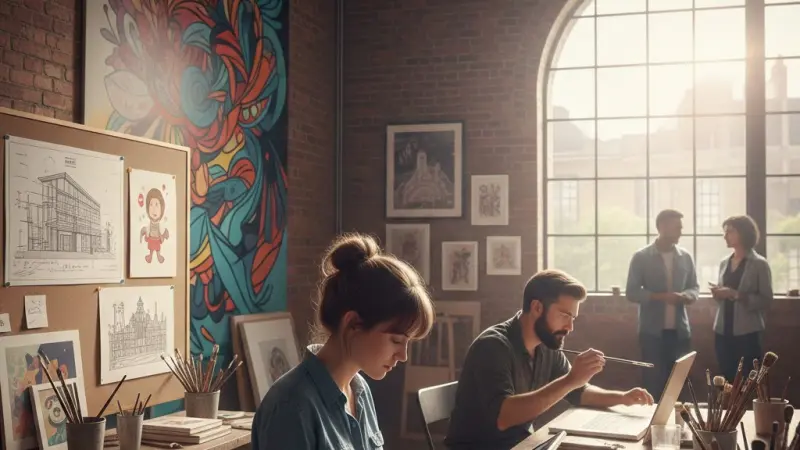
The United Kingdom has long been a global powerhouse for the creative arts, with the Artists & Illustrators sector acting as a cornerstone of the nation’s cultural identity and economic resilience. From the historic galleries of London’s St. James's to the vibrant street art of Bristol and the digital studios of Manchester, British artists contribute significantly to the UK’s Gross Value Added (GVA). As of 2024, the creative industries contribute over £124 billion annually to the national economy, with visual arts and illustration forming a vital segment of this output.

For businesses and private collectors, understanding how to navigate this landscape is essential. Whether you are seeking a bespoke portrait, a commercial storyboard, or a brand-defining mural, the UK market offers an unparalleled diversity of talent. However, the sheer volume of professionals can make the selection process daunting. This is where the business listing uk becomes an invaluable tool, allowing commissioners to filter through verified talent and find the specific aesthetic required for their projects.
The economic importance of this sector extends beyond mere sales; it fuels the publishing, advertising, and film industries. British illustrators are frequently headhunted by international firms for their unique "British sensibility"—often described as a blend of traditional craftsmanship and avant-garde experimentation. As the market shifts towards more digital-centric models, the synergy between local talent and global demand continues to strengthen.
The Landscape of Artists & Illustrators in the UK
The UK’s artistic landscape has undergone a profound transformation over the last five years. Post-pandemic, the industry has shifted from a reliance on physical footfall in galleries to a robust, hybrid digital-first model. Current market data suggests that while high-end auction sales have seen fluctuations, the "mid-market" and freelance illustration sectors are thriving, driven by an explosion in content consumption across digital platforms.
Key regions of activity remain concentrated in London, yet "Creative Clusters" are emerging in cities like Leeds, Glasgow, and Brighton. These hubs benefit from lower overheads and strong local communities, fostering innovation in "Createch"—the intersection of creativity and technology. To discover these rising stars, many commissioners now turn to local business listings uk to find regional specialists who offer a more personalized service than large-scale agencies.
Evolution in this sector is also marked by a "return to craft." Despite the rise of AI, there is a significant counter-movement valuing hand-rendered textures, oil on canvas, and tactile printmaking. Consumers are increasingly seeking authenticity, leading to a resurgence in local art markets and independent studio trails. The UK government’s Industrial Strategy has identified the creative sector as a priority growth engine, aiming to increase investment from £17 billion to £31 billion by 2035, ensuring that the infrastructure for artists—such as affordable studio spaces—remains a national priority.
Comprehensive Services Breakdown
The services offered by UK artists and illustrators are as varied as the mediums they use. To effectively commission work, one must understand the specific niches within the industry:
Commercial Illustration: This includes advertising campaigns, packaging design, and editorial work for magazines. It requires a high degree of professionalism and adherence to strict deadlines.
Fine Art Commissions: Private individuals often seek painters or sculptors for personal projects, such as family portraits or landscape pieces that capture a specific memory.
Architectural & Technical Illustration: Vital for the construction and engineering sectors, these artists translate complex blueprints into visually accessible renders.
Live Event Illustration: A growing trend where artists create "graphic recordings" or live sketches at weddings and corporate conferences, providing an experiential element to the event.
For professionals looking to offer these services, visibility is the primary hurdle. Utilizing a uk business directory ensures that your specific niche is searchable by the right audience.
Furthermore, appearing in a business listing uk can help smaller studios compete with larger agencies by highlighting their unique, localized expertise and portfolio quality.
In the B2B space, illustrators are often contracted for "explainer" videos and corporate branding. The demand for visual storytelling in a saturated digital market means that a single well-crafted illustration can often convey a brand’s message more effectively than a thousand words of copy.
How to Choose the Right Service Provider
Selecting an artist is a subjective process, but it must be grounded in objective business standards. When browsing uk service listings, consider the following criteria to ensure a successful partnership:
Portfolio Alignment: Does the artist’s previous work reflect the style you need? Look for consistency in quality across different projects.
Accreditations & Memberships: Professionals who are members of the Association of Illustrators (AOI) or the Royal Society of British Artists often adhere to a higher code of conduct and standardized pricing.
Insurance: For murals or public installations, ensure the artist has Public Liability Insurance.
Communication & Contracts: A professional service provider will always offer a clear contract detailing the "Three Ts": Territory, Timing, and Type of Media usage.
Checking reviews on a reputable platform is non-negotiable. Reputation in the creative community is built on reliability as much as talent. A provider with a strong local reputation often brings a network of other creatives (like framers or printers) to the project, adding further value to your commission.
Industry Challenges & Future Outlook
The "elephant in the room" for 2025 and beyond is Generative AI. While it poses a threat to low-level stock illustration, it also offers a tool for artists to speed up their conceptual workflows. The challenge for the UK industry lies in copyright regulation and ensuring that "the human touch" remains a premium, sellable asset.
Sustainability is another major shift. "Eco-art" is moving from a niche genre to an industry standard. Artists are now being vetted for their carbon footprint, the toxicity of their pigments, and the sustainability of their shipping methods. Businesses that list themselves in a uk online business directory are increasingly highlighting their "Green Credentials" to attract ethically-minded clients.
Regulatory changes, particularly regarding "Right to Work" for freelancers and updated IR35 tax rules, mean that the administrative burden on independent illustrators is increasing. To navigate this, many professionals are joining a business listing uk to gain a more formal "business" presence, making it easier for corporate procurement departments to onboard them as verified suppliers.
Business Tips for Artists & Illustrators Professionals
For the modern British artist, being "good at art" is only 50% of the job; the rest is marketing and business management. Digital visibility is the lifeblood of a local creative business.
SEO for Artists: Don't just label an image "Portrait." Use descriptive alt-text
like "Bespoke Oil Portrait Artist London" to capture search intent.
Networking: Join local creative hubs and ensure your studio is listed where people are looking. Using uk verified business listings builds immediate trust with potential clients who are wary of "internet scams."
Diversify Income: Don't rely solely on commissions. Consider selling prints, running workshops, or licensing your designs for products.
Local SEO: Even if you work digitally for global clients, your "local" presence matters. It provides a physical anchor for your brand and makes you accessible for high-value local contracts.
The importance of a centralized digital footprint cannot be overstated. By maintaining an updated profile on a uk local business directory, you ensure that when a local marketing manager searches for "illustrator near me," your portfolio is at the top of their list.
Wrapping Up & Local Page Integration
The Artists & Illustrators sector is a vibrant, evolving, and essential part of the UK’s economic fabric. As we move further into a visual-centric digital age, the demand for high-quality, authentic, and professionally managed creative services will only grow. For the artist, it is about being seen; for the commissioner, it is about finding a trusted partner.
Local Page serves as the bridge in this ecosystem. By providing a sophisticated, user-friendly uk business directory website, it allows talent to shine and businesses to thrive. Whether you are an independent sketch artist or a large-scale design studio, the key to your next big commission is visibility.
Boost Your Visibility with Local Page UK
In the competitive Artists & Illustrators sector, being buried on page ten of a search engine is equivalent to being invisible. To reach more customers and establish your studio as a leader in your field, you must take control of your digital presence. We encourage all UK-based creatives to claim their business listing uk today. Join the premier Local Page UK network and ensure your portfolio is seen by the thousands of users searching for local expertise every day.
FAQ
1. How much does it cost to commission an illustrator in the UK?
Fees vary based on the artist’s experience and the complexity of the project. Generally, industry rates range from £250 to £1,000 per day. Usage rights (where and how long the image is used) also significantly impact the final price.
2. Do I own the copyright once I pay for a commission?
Standard UK law dictates that the artist retains copyright unless a "transfer of copyright" is explicitly signed.
Most commissions grant you an exclusive license for a specific use and duration rather than full ownership.
3. What is the difference between an artist and an illustrator?
An artist typically creates work as a form of self-expression (Fine Art), while an illustrator usually creates work to interpret or communicate a specific message or text provided by a client (Commercial Art).
4. How do I find a local artist for a mural?
Using a directory like Localpage allows you to search specifically for "mural artists" within your city or county, ensuring they can easily visit the site and understand the local context.
5. Are digital illustrations cheaper than traditional paintings?
Not necessarily. While digital work removes material costs, the skill, time, and software investment are comparable. Digital work often offers faster revision cycles, which can save money in the long run.
6. What should I include in a creative brief?
A good brief includes the project goals, target audience, dimensions/file formats required, deadline, budget, and visual references or "mood boards" to guide the style.
7. How long does a typical illustration project take?
A single editorial illustration might take 3-5 days, while a fully illustrated children's book can take 3-6 months. Always discuss timelines during the initial inquiry.
8. Can I ask an artist for a "test" sketch for free?
No. Professionals generally charge a "rejection fee" or a small fee for initial concepts. Asking for free work is considered unprofessional within the UK creative industry.
9. What are "Usage Rights"?
Usage rights define how you can use the art. For example, "UK Print Only for 2 Years" is a specific usage right. Broader rights, like "Worldwide Digital & Print Forever," will cost significantly more.
10. Do UK artists charge VAT?
Only if their annual turnover exceeds the current VAT threshold (currently £90,000). Many freelance illustrators operate below this and do not charge VAT, which can be a cost-saving for non-VAT registered clients.
11. How do I know if an artist is "verified"?
Look for their presence on professional directories like Local Page UK and check for links to their professional bodies or social media accounts with a history of client work.
12. Can illustrators help with branding and logos?
Yes, many illustrators specialize in brand identity. They bring a unique, hand-drawn feel to logos that sets a business apart from those using standard graphic design templates.
13. What happens if I don't like the final artwork?
Your contract should include a "Kill Fee" (usually 25-50% of the total) which is paid if the project is cancelled after work has begun. This compensates the artist for their time.
14. Should I pay a deposit?
Yes, it is standard practice to pay a 33% to 50% deposit upfront before the artist begins any sketches.
This secures your spot in their schedule and covers initial costs.
15. Is AI art legal to use for my business in the UK?
The legal landscape is shifting. Currently, AI-generated images may not have copyright protection, meaning you might not "own" the result. Commissioning a human artist ensures you have a clear legal chain of title.

Disclaimer: The information provided in this article is for general informational and research purposes only. Company details, features, services, and market positions may change over time. Readers are advised to visit official company websites and conduct independent research before making any business decisions or purchasing services.
Most Searchable Keywords
Recent Blogs

Related Listings

Categories
- Accountants (295)
- Advertising Agencies (559)
- Architects (149)
- Automobiles (377)
- Beauty (300)
- Carpenters (146)
- Cleaning Services (386)
- Dentists (189)
- Driving (62)
- Electricians (215)
- Energy (8)
- Event Organiser (685)
- Finance (599)
- Guide (3365)
- Health (2207)
- Information technology (206)
- Legal Services (353)
- Logistics (6)
- Maintenance (65)
- Manufacturing (35)

Sponsored Listings in Locksmith Services
Related Blogs
Gen Z Political Reporters and News Creators i...
Read this insightful article "Gen Z Political Reporters and News Creators in the UK" to expand your knowledge!

Famous Female Social Media Influencers Across...
Read this insightful article "Famous Female Social Media Influencers Across the UK" to expand your knowledge!
Your UK Sponsor Licence 2026 Step by Step Gui...
Read this insightful article "Your UK Sponsor Licence 2026 Step by Step Guide" to expand your knowledge!
Questions & Answers – Find What
You Need, Instantly!
How can I update my business listing?
Is it free to manage my business listing?
How long does it take for my updates to reflect?
Why is it important to keep my listing updated?
