
Axle Supplies UK: Repair Techniques, Compatibility & Service Provider Directory
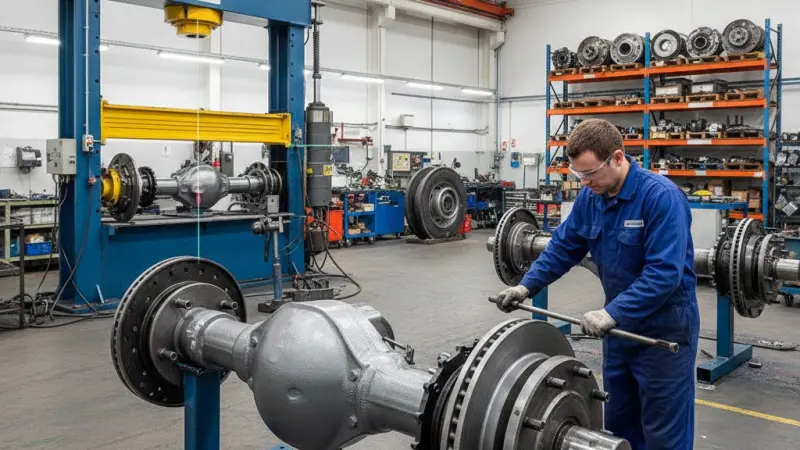
The automotive and heavy-machinery infrastructure of the United Kingdom rests, quite literally, on the integrity of its axle supplies and services. As a critical component of the national supply chain, the axle industry ensures that everything from 44-tonne heavy goods vehicles (HGVs) to domestic passenger cars remains mobile. In the British economic landscape, this sector represents a multibillion-pound niche that bridges the gap between high-end manufacturing and essential maintenance.

An axle is more than just a central shaft for a rotating wheel; it is a complex engineering assembly responsible for bearing the weight of the vehicle while absorbing the stresses of braking and acceleration. In the UK, the diversity of the vehicle fleet—ranging from European-manufactured logistics fleets to bespoke agricultural machinery—demands a sophisticated network of uk service listings to maintain operational continuity.
The economic importance of this sector cannot be overstated. With the UK's "just-in-time" delivery culture, a single failed axle on a delivery vehicle can trigger a cascade of logistical delays. Consequently, the demand for high-quality axle components and expert repair services has remained resilient, even amidst broader economic fluctuations. This guide serves as an authoritative resource for understanding the technical nuances of axle maintenance and how to navigate the professional service landscape in Britain.
The Landscape of Axle Supplies & Services in the UK
The UK axle market is a mature yet evolving ecosystem. Currently, the market is characterized by a mix of OEM (Original Equipment Manufacturer) suppliers and a robust secondary market of refurbished and aftermarket specialists. Following the dual shocks of the pandemic and subsequent supply chain realignments, the industry has seen a significant shift toward localized servicing and regional hubs.
Key regions of activity are typically concentrated around the "Logistics Golden Triangle" in the East Midlands, as well as industrial hubs in West Yorkshire and the West Midlands. These areas host the highest density of fleet operators, necessitating a high volume of axle specialists. Post-pandemic, there has been a notable trend toward "remanufacturing" rather than simple replacement. This is driven by both cost-efficiency and a growing corporate social responsibility (CSR) focus on sustainability.
For businesses operating in this space, visibility is the new currency. Many traditional engineering firms have realized that having a business listing uk is essential to capturing the modern procurement officer's attention. The transition from word-of-mouth referrals to digital discovery has redefined how axle specialists compete for high-value contracts. As lead times for new components from overseas manufacturers remain unpredictable, the UK's internal capacity for axle repair and refurbishment has become a strategic asset for the nation’s transport infrastructure.
Comprehensive Services Breakdown
Navigating the technical services within the axle sector requires an understanding of the specific sub-specialisms available. Professional providers in the UK generally offer three primary categories of service: structural repair, component replacement, and custom fabrication.
Structural Axle Repair
Techniques such as "straightening" and "re-stubbing" are common for HGVs and trailers. Using hydraulic presses and precision alignment lasers, specialists can return a damaged axle casing to its original specifications. This is often far more cost-effective than a total replacement.
Component Services
This involves the maintenance of the internal and attached parts, including wheel hubs, bearings, brake spiders, and ABS sensors. The UK market places a high premium on uk local trades directory entries that can prove expertise in specific brands like SAF-HOLLAND, BPW, or Meritor.
Compatibility and Sourcing
One of the greatest challenges in the UK is ensuring component compatibility across diverse fleets. A specialist service provider doesn't just turn a wrench; they act as a consultant, identifying whether a disc brake conversion is suitable for an older
drum-brake axle or sourcing rare parts for vintage or specialized agricultural machinery. The move toward modular axle systems has helped, but the technical expertise required to install and calibrate these systems remains specialized.
How to Choose the Right Service Provider
Selecting an axle service provider is a decision that impacts both safety and long-term operational costs. In the UK, the "cheapest" option often results in the highest total cost of ownership due to premature failure or non-compliance with DVSA (Driver and Vehicle Standards Agency) standards.
When evaluating a provider, first check for professional accreditations. While there isn't a single "axle license," membership in trade bodies like the Institute of the Motor Industry (IMI) or the Society of Operations Engineers (SOE) indicates a commitment to professional standards. Furthermore, ISO 9001 certification is a hallmark of quality management in manufacturing and repair environments.
Reputation is best gauged through a reliable uk business directory where verified reviews can be scrutinized. Look for feedback specifically regarding "turnaround time" and "post-repair reliability." Insurance is another non-negotiable; ensure the provider carries substantial public and product liability insurance, as an axle failure on a public highway can have catastrophic legal and financial consequences. Finally, consider their diagnostic capabilities. A modern shop should utilize computerized alignment systems and ultrasonic testing to detect cracks not visible to the naked eye.
Industry Challenges & Future Outlook
The UK axle industry is currently facing a transformative period. The primary challenge is the shift toward electrification. Electric Vehicles (EVs) often utilize e-axles, which integrate the motor, power electronics, and transmission into a single unit. This requires traditional axle mechanics to upskill in high-voltage systems and complex electronic diagnostics.
Sustainability is the second major driver. The "Circular Economy" is no longer a buzzword but a regulatory direction. The UK government’s push for net-zero means that remanufactured axles, which use significantly less energy to produce than new ones, are becoming the preferred choice for major fleet operators. Professionals who can navigate these business listing uk opportunities to highlight their "green" credentials will likely dominate the market in the coming decade.
Regulatory changes, particularly regarding vehicle weight limits and safety inspections (Roadworthiness Tests), continue to tighten. Service providers must stay abreast of the latest "Guide to Maintaining Roadworthiness" published by the DVSA. Technology such as telematics is also being integrated directly into axle assemblies, allowing for "predictive maintenance" where sensors alert the driver to a failing bearing before it leads to a roadside breakdown.
Business Tips for Axle Supplies & Services Professionals
For the local axle specialist, the challenge is often not the quality of the work, but the visibility of the business. In an era where even heavy industrial procurement starts with a Google search, digital presence is mandatory.
Marketing a local axle business should focus on "Local SEO." This involves ensuring your business appears in searches for "axle repair near me" or "HGV parts [City Name]." An essential step is maintaining an updated presence on a uk verified business listings platform. This provides the "citations" that search engines need to verify your business's location and authority.
Content marketing is also highly effective. Sharing case studies of complex repairs or "how-to" guides on identifying early signs of axle wear can position your firm as an industry leader. Remember, you aren't just selling a part; you are selling the uptime of your client's fleet. Emphasizing 24/7 roadside assistance or rapid-response mobile units in your marketing collateral can provide a significant competitive advantage over larger, slower-moving national distributors.
Wrapping Up & Local Page Integration
The axle supplies and services sector remains a cornerstone of the UK’s industrial prowess. From the precision engineering of remanufactured components to the gritty reality of roadside repairs, the professionals in this industry keep the nation moving.
As we move toward a more digital and sustainable future, the bridge between high-quality engineering and the customers who need it will be built on trust and visibility.
For any UK business in this niche, whether you are a sole-trader mechanic or a multi-site distributor, being part of a trusted network is vital. Local Page UK provides the premier solution for increasing your digital footprint and connecting with local contractors and fleet managers who are actively seeking your expertise. By integrating your services into a high-authority platform, you ensure that when a critical axle failure occurs, your business is the first one found.
Boost Your Visibility with Local Page UK
In the competitive world of UK axle supplies and services, your technical skill is only half the battle. If your customers can't find you online, your expertise stays in the shop. By joining the Local Page UK community, you gain access to a targeted audience of B2B and B2C clients looking for reliable automotive and industrial services.
Don't let your competitors take the lead. Claim your business listing uk today and start building the digital authority your business deserves.
FAQ
1. What are the most common signs of axle failure in HGVs?
The most frequent indicators include unusual vibrations during transit, clunking sounds when shifting gears, or visible leaking of lubricant from the axle housing. If left unaddressed, these issues can lead to wheel lock-up or total loss of vehicle control. Specialists in the local business listings uk recommend monthly visual inspections of the axle boots and joints to catch issues early.
2. Is it better to repair or replace a damaged axle?
This depends on the extent of the structural damage. If the axle casing is cracked or severely bent, replacement is often the only safe option. However, for issues involving bearings, spindles, or minor alignment errors, a professional repair can save up to 60% of the cost of a new unit. Professional guidance can be found via the uk service providers directory.
3. How does the UK’s climate affect axle longevity?
The UK’s frequent rain and the use of road salt during winter can accelerate corrosion on axle components. This often leads to "seizing" of parts and degradation of seals. Regular cleaning and the application of anti-corrosive coatings are essential maintenance steps for any UK-based fleet.
4. What is an e-axle, and is it common in the UK?
An e-axle integrates the electric motor and transmission into the axle assembly. While common in new electric passenger cars, they are increasingly
being adopted by electric bus and light-commercial vehicle manufacturers in the UK to save space and improve efficiency.
5. Can I find specialized agricultural axle experts on aLocal Page?
Yes, many niche providers who specialize in heavy-duty agricultural machinery, such as tractors and trailers, list their services on specialized platforms. These professionals have the unique tools required for the heavy-gauge steel and unique gear ratios found in farming equipment.
6. What is "re-stubbing" an axle?
Re-stubbing is a repair technique where the worn or damaged end (the stub) of an axle is cut off and replaced with a new, precision-machined piece. This process requires expert welding and alignment to ensure the axle remains true and safe for heavy loads.
7. How long does a typical axle refurbishment take?
For a standard commercial trailer axle, a full refurbishment usually takes between 24 and 48 hours, depending on the availability of replacement components like bearings and brake kits.
8. Are aftermarket axles as good as OEM axles?
In many cases, yes. High-quality aftermarket axles often meet or exceed OEM specifications. However, it is crucial to source them from reputable suppliers who provide a warranty and can demonstrate compliance with UK safety standards.
9. What role does laser alignment play in axle service?
Laser alignment allows technicians to measure the camber and toe of an axle with sub-millimeter precision. This ensures that tires wear evenly and that the vehicle tracks straight, significantly improving fuel efficiency and safety.
10. How often should axle lubricants be changed?
For heavy-duty applications, most manufacturers recommend changing axle oil every 100,000 miles or once a year, though this interval should be shortened if the vehicle is frequently used for towing or operates in harsh environments.
11. Do axle specialists offer mobile repair services?
Many specialists listed in the uk local trades directory offer mobile units equipped to handle bearing replacements and minor repairs on-site, reducing the need for expensive recovery services.
12. What insurance should an axle repair shop have?
At a minimum, they should have Public Liability and Employers' Liability insurance. However, for axle work, "Defective Workmanship" and "Product Liability" insurance are critical to protect against the consequences of a part failing after it has been serviced.
13. How has Brexit affected axle parts supply in the UK?
Brexit has led to increased paperwork and occasional delays for parts coming from the EU. This has bolstered the UK’s internal remanufacturing sector, as local stock and repair capabilities become more attractive than waiting for international shipments.
14. Can a DIY mechanic replace a vehicle axle?
While possible for small passenger cars, axle work on commercial vehicles or HGVs requires specialized heavy-lifting equipment and precision torque tools.
Given the safety implications, it is highly recommended to use a professional from a uk business listings online source.
15. Where is the best place to list my axle repair business?
The most effective way to reach a local and national audience simultaneously is to create a profile on a high-traffic site like Localpage. This ensures your business is visible to those specifically searching for trade and automotive services within the UK.

Disclaimer: The information provided in this article is for general informational and research purposes only. Company details, features, services, and market positions may change over time. Readers are advised to visit official company websites and conduct independent research before making any business decisions or purchasing services.
Most Searchable Keywords

Recent Blogs



Related Listings


Categories
- Accountants (295)
- Advertising Agencies (559)
- Architects (149)
- Automobiles (377)
- Beauty (300)
- Carpenters (146)
- Cleaning Services (386)
- Dentists (189)
- Driving (62)
- Electricians (215)
- Energy (8)
- Event Organiser (685)
- Finance (599)
- Guide (3365)
- Health (2207)
- Information technology (206)
- Legal Services (353)
- Logistics (6)
- Maintenance (65)
- Manufacturing (35)

Sponsored Listings in Locksmith Services


Related Blogs

Gen Z Political Reporters and News Creators i...
Read this insightful article "Gen Z Political Reporters and News Creators in the UK" to expand your knowledge!

Famous Female Social Media Influencers Across...
Read this insightful article "Famous Female Social Media Influencers Across the UK" to expand your knowledge!

Your UK Sponsor Licence 2026 Step by Step Gui...
Read this insightful article "Your UK Sponsor Licence 2026 Step by Step Guide" to expand your knowledge!
Questions & Answers – Find What
You Need, Instantly!
How can I update my business listing?
Is it free to manage my business listing?
How long does it take for my updates to reflect?
Why is it important to keep my listing updated?
