
Barbers UK: Styles, Products & Local Salon Recommendations
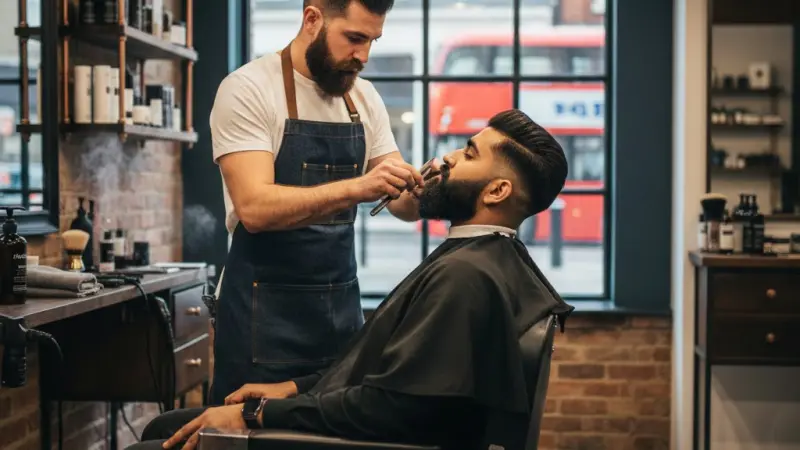
The British barbering industry is currently experiencing a profound renaissance, evolving from a simple service of necessity into a cornerstone of the modern UK high street. As we navigate through 2026, the sector stands as a testament to the resilience of "experience-based" retail. Unlike many industries that have succumbed to the digital shift, the physical act of grooming remains a uniquely hands-on profession. Today, the barber shop is more than just a place for a haircut; it is a community hub, a social sanctuary, and a vital contributor to the national economy.

The economic importance of this sector cannot be overstated. With thousands of independent shops and growing franchises across the country, the industry generates billions in annual turnover and provides employment for a vast demographic of skilled professionals. This growth is largely driven by a significant cultural shift in male grooming habits. Men in the UK are spending more on their appearance than ever before, seeking specialized treatments that range from traditional wet shaves to contemporary skin fades. For those seeking these expert services, finding the right shop is made easier through comprehensive uk service listings, which bridge the gap between skilled artisans and style-conscious clients.
Moreover, the barbering sector has become a vital lifeline for the British high street, often occupying units left vacant by the decline of traditional retail. Their presence drives footfall to local town centres, benefiting surrounding businesses like cafes and clothing boutiques. As an expert business analyst, I observe that the strength of this sector lies in its ability to adapt. Whether it’s the high-end boutique barbers of London’s Mayfair or the edgy, urban shops of Manchester’s Northern Quarter, the industry’s diversity ensures its continued relevance in a rapidly changing economic landscape.
The Landscape of Barbers in the UK
The current landscape of the UK barbering industry is characterized by a fascinating blend of traditional heritage and modern innovation. Recent market data suggests that the grooming sector has grown significantly in the last decade, with the number of registered barbershops increasing year-on-year. While London remains the primary hub for luxury grooming, there is intense activity in regions like the West Midlands, Greater Manchester, and Scotland. These hubs are supported by a robust digital infrastructure, where savvy owners utilize a business listing uk to ensure they remain competitive in their local territory.
The evolution of the industry post-pandemic has been particularly noteworthy. Following the lockdowns of 2020 and 2021, there was a massive surge in demand as "home-cut" disasters were rectified by professionals. This period also accelerated a shift toward appointment-only models and premiumization. Customers, having missed the social interaction and professional touch, were willing to pay more for a comprehensive experience rather than a quick ten-minute trim. This has led to the rise of "lifestyle barbers," where clients can enjoy a craft beer, play a game of pool, or even get a tattoo in the same venue.
Furthermore, the post-pandemic era has seen a rise in the "mobile barber" and independent studio models. Many professionals, seeking better work-life balance and lower overheads, have moved away from traditional storefronts to provide bespoke services. However, the high street remains the dominant force. The industry’s resilience is rooted in its immunity to automation; while AI can analyze hair types, the dexterity required for a perfect scissor-over-comb finish remains an exclusively human skill. This ensures that the barbering sector remains a stable pillar of the UK’s service-led economy for the foreseeable future.
Comprehensive Services Breakdown
Modern UK barbershops offer an extensive menu of services that go far beyond the standard "short back and sides." Understanding these services is essential for both the consumer looking for a specific look and the professional looking to diversify their revenue streams. The foundation of any shop is the haircut, but the contemporary "fade"—including skin fades, taper fades, and burst fades—requires a high level of technical precision with clippers and foils. These technical skills are what define the uk top rated local businesses in the grooming world today.
Beyond the hair on the head, facial hair maintenance has become a primary revenue driver. The "Beard Trim and Line Up" is now as common as a standard haircut. This often involves hot towel treatments, beard oils, and the use of a straight-edge razor to create sharp, clean lines. Traditional wet shaves, once considered a dying art, have seen a massive resurgence. This luxury service involves multiple stages of skin preparation, lathering with high-quality creams, and a precise shave that offers a level of closeness and relaxation that home shaving simply cannot replicate.
Product sales also play a massive role in the modern barbering business. Most reputable shops now curate their own lines of pomades, clays, waxes, and sea salt sprays. Education is part of the service; a good barber doesn't just cut hair; they teach the client how to style it at home. Specialized treatments such as scalp massages, charcoal face masks, and even hair replacement systems are becoming increasingly common. This expansion of services reflects a broader trend: the transformation of the barbershop into a full-service grooming destination for the modern man.
How to Choose the Right Service Provider
Selecting a barber is a deeply personal decision. Unlike a retail purchase, a bad haircut stays with you for weeks. To find a provider that meets your standards, you must look beyond the aesthetic of the shop. A key starting point is checking a reputable uk business directory to verify the shop's standing and presence in the local community. Reputation is everything in this industry, and digital footprints provide a transparent look at a business’s reliability.
When evaluating a shop, consider the following criteria:
Accreditations and Training: Look for shops that invest in their staff. Memberships in professional bodies or certifications from recognized academies signify a commitment to the craft.
Reviews and Social Proof: While a five-star rating is great, read the comments. Look for mentions of consistency, cleanliness, and the barber’s ability to listen to what the client wants.
Portfolio of Work: Most modern barbers use Instagram or a gallery on their website to showcase their work. Ensure their style aligns with the look you are trying to achieve.
Cleanliness and Insurance: A professional shop will be spotless. Tools should be sanitized between clients, and the business should clearly hold public liability insurance.
Consultation Quality: A great barber will spend the first five minutes of your appointment discussing your hair type, growth patterns, and lifestyle before even picking up their scissors.
By doing your due diligence and utilizing local resources, you can ensure that you are trusting your appearance to a professional who values quality and customer satisfaction.
Industry Challenges & Future Outlook
Despite the current boom, the UK barbering industry faces several significant challenges. The rising cost of living has increased overheads, including electricity for clippers and water for backwashes, as well as the cost of premium grooming products. To mitigate these costs, many businesses are turning to a business listing uk to boost their organic reach without the heavy price tag of traditional advertising. This digital efficiency is becoming a survival tactic for smaller, independent shops.
Sustainability is another major shift on the horizon. The industry is moving toward "green" initiatives, such as using biodegradable towels, installing water-saving showerheads, and stocking vegan-friendly, paraben-free products. Some innovative shops have even started recycling hair clippings for use in oil spill cleanups or composting. Regulatory changes are also a topic of discussion; there is a growing movement calling for mandatory licensing in the UK to ensure all practicing barbers meet a minimum standard of hygiene and technical skill, protecting both the consumer and the reputation of the trade.
Technology is also reshaping the future. We are seeing the rise of AI-driven booking systems that predict peak times and offer dynamic pricing, as well as augmented reality (AR) apps that allow customers to "try on" a hairstyle before the first snip is made. While the core of the business remains manual, these technological layers help improve efficiency and customer retention. The future outlook remains positive, provided that shops continue to innovate and remain deeply embedded in their local communities.
Business Tips for Barbers Professionals
For the professional barber or shop owner, success in 2026 requires a balance of technical mastery and marketing savvy. The "build it and they will come" mentality no longer applies in a crowded market.
Digital visibility is the most important factor in driving new clients to your chair. Ensuring your business is listed on local business listings uk is a non-negotiable step for any shop looking to capture "barbers near me" search traffic, which accounts for a huge portion of new customer acquisitions.
Marketing should be a mix of local community engagement and digital storytelling. Host "charity cut" days to build local goodwill, but also maintain a high-quality Instagram or TikTok presence that shows behind-the-scenes content and transformations. Encourage your regulars to leave reviews; a simple incentive like a free styling product in exchange for a Google or directory review can significantly boost your local SEO.
Furthermore, focus on "Client Lifetime Value" (CLV). It is much cheaper to keep an existing client than to find a new one. Loyalty programs, re-booking reminders via SMS, and personalized product recommendations make a client feel valued. In an era of automated services, the personal connection you build with your clients is your greatest competitive advantage. Treat your shop like a brand, maintain high standards of professionalism, and always keep an eye on the latest trends to stay ahead of the curve.
Wrapping Up & Local Page Integration
The UK barbering industry is a vibrant, essential, and evolving sector that blends ancient tradition with modern style. It provides more than just a haircut; it provides confidence, community, and a vital boost to our local economies. Whether you are a consumer looking for a fresh fade or a business owner looking to scale your shop, understanding the landscape of this industry is the first step toward success.
For UK businesses in this sector, standing out in an increasingly digital world is the ultimate challenge. This is where Local Page UK comes in. As the premier solution for local business discovery, it offers a platform where barbers can showcase their skills, connect with their local community, and grow their brand through verified and trusted listings. By integrating your business into this network, you ensure that when a local client is looking for the best in the business, your name is at the top of the list.
Boost Your Visibility with Local Page UK
In the competitive world of British barbering, your digital presence is your storefront to the world. To ensure your shop gets the attention it deserves, it is time to take control of your online footprint. We encourage all barber professionals and grooming entrepreneurs to claim their business listing uk on Local Page UK today. Increase your reach, build your reputation, and connect with more local customers than ever before.
Frequently Asked Questions
1. What are the most popular barbering styles in the UK for 2026?
The current trend landscape in the UK is dominated by the "textured crop" and various iterations of the "skin fade." Low tapers and longer, more natural flow styles are also making a significant comeback as men move away from ultra-manicured looks toward something more effortless. Additionally, the "mullet" has evolved into the "modern mullet" or "wolf cut," which is particularly popular among younger demographics in urban areas. These styles require a high level of technical skill, particularly in blending different lengths seamlessly. Most top-rated barbers stay updated on these trends through continuous professional development and by following global style influencers.
2. How much should I expect to pay for a professional haircut in the UK?
Prices vary significantly depending on the location and the level of service. In a standard local shop outside of major cities, a dry cut might range from £15 to £25. However, in premium London establishments or specialized grooming boutiques, prices can easily exceed £50 to £100 for a "Full Service" which includes a wash, cut, style, and perhaps a hot towel treatment. Many shops now offer tiered pricing based on the experience level of the barber (e.g., Junior, Senior, or Master Barber). It is always worth checking the price list on a directory or the shop’s website before booking to ensure it fits your budget.
3. What is the difference between a barber and a hairdresser?
While the lines have blurred in recent years, the primary difference lies in the tools and techniques used. Barbers traditionally specialize in cutting shorter hair and are experts in using clippers and straight-edge razors for facial hair. Hairdressers often focus more on longer hair, chemical treatments like coloring or perming, and use scissors as their primary tool.
However, many modern UK professionals are "dual-trained," meaning they possess the scissor skills of a hairdresser and the fading precision of a barber. This hybrid approach allows them to cater to a wider variety of styles and hair textures.
4. How often should I visit the barber to maintain my style?
To keep a sharp look, especially with shorter styles like fades, it is recommended to visit every 2 to 3 weeks. Those with longer hair or less structured styles might find that a visit every 4 to 6 weeks is sufficient. Frequent visits not only keep the hair looking neat but also allow the barber to monitor the health of your scalp and provide advice on seasonal hair care. Many shops now offer "line-up" services in between full haircuts, which are shorter, cheaper appointments designed to tidy up the edges and beard.
5. Can I find a local barber using a Local page search?
Yes, using a dedicated local search platform is one of the most efficient ways to find a reputable barber in your area. These platforms allow you to filter results based on location, services offered, and customer reviews. This ensures that you aren't just picking the closest shop, but the one that best suits your specific needs. Many listings also include photos of the shop and the barbers' work, giving you a clear idea of the vibe and quality before you even step through the door. It is a vital tool for both newcomers to an area and locals looking to try someone new.
6. What grooming products are essential for home maintenance?
The essentials typically include a high-quality shampoo and conditioner suited to your hair type, a styling product (like a matte clay for texture or a pomade for shine), and a sea salt spray for volume. If you have facial hair, beard oil and a dedicated beard wash are non-negotiable to keep the hair soft and the skin underneath hydrated. Your barber is the best person to recommend specific brands, as they understand your hair’s unique characteristics. Investing in professional-grade products will generally yield better results and last longer than cheaper supermarket alternatives.
7. What should I look for in a "clean" barber shop?
Hygiene is paramount. You should see the barber using a fresh neck strip for every client, and they should sanitize their clippers, combs, and scissors using a solution like Barbicide or a UV sterilizer between appointments. The floor should be swept regularly, and the capes should be clean. In a post-pandemic world, many shops also maintain high standards of hand hygiene and air filtration. If a shop looks cluttered or dirty, it is often a sign that they may be cutting corners in other areas of their professional practice as well.
8. Are traditional wet shaves safe for sensitive skin?
Yes, when performed by a professional, a traditional wet shave can actually be better for sensitive skin than home shaving. This is because the process involves extensive skin preparation, including hot towels to open pores and high-quality pre-shave oils to create a protective barrier. Barbers are also trained in "mapping" the grain of your hair, ensuring they shave in the direction that causes the least irritation. They use a single-blade straight razor, which often causes less "razor burn" than multi-blade cartridges that can tug at the skin.
9. How do I describe the haircut I want to my barber?
The best way to communicate is through a combination of photos and descriptive language. Show your barber 2-3 pictures of what you like, but also be open to their feedback. A good barber will tell you if a certain style won't work with your hair type or face shape. Use specific terms like "taper," "fade," or "textured," but don't be afraid to use plain English like "I want it short enough to stay off my ears but long enough to push back on top." Clear communication at the start prevents disappointment at the end.
10. Why is beard oil important?
Beard oil is designed to mimic the natural oils produced by your skin. As beard hair grows longer, the skin often struggles to produce enough oil to keep the hair hydrated, leading to itchiness, "beardruff," and brittle hair. A few drops of oil daily keeps the hair soft, adds a healthy shine, and moisturizes the skin underneath. Most beard oils also contain pleasant scents, acting as a subtle fragrance. It is an essential part of any grooming routine for someone with more than a few days of stubble.
11. Is it necessary to book an appointment, or can I just walk in?
While many traditional shops still offer "walk-in" services, the industry trend is moving heavily toward appointments. Booking ahead ensures you get the specific barber you want and don't have to wait in a queue. It also allows the barber to manage their time better and provide a more relaxed, unhurried service. If you are looking for a high-end service or visiting a popular shop on a Friday or Saturday, booking in advance is almost always essential. Many shops now use convenient online booking apps.
12. What are the benefits of a hot towel treatment?
A hot towel treatment is more than just a luxury; it serves a functional purpose. The heat and steam soften the hair follicles and open the pores, making the hair easier to cut or shave. It also promotes relaxation and increases blood flow to the face, which can improve skin health. Many barbers integrate essential oils like eucalyptus or sandalwood into the towels to provide an aromatherapeutic experience. It is often the highlight of a professional grooming session and a key differentiator between a basic haircut and a premium service.
13. How can a barber shop grow its business online?
The most effective way is to maintain an active and professional digital presence. This includes a high-quality website, an engaging social media feed, and a presence on local business platforms. Claiming a listing on a directory is a crucial step for SEO, as it helps the business appear in local search results. Encouraging satisfied customers to leave positive reviews and sharing "before and after" photos of haircuts are also powerful ways to build trust and attract new clients who are searching for quality services online.
14. What are the signs of a high-quality barber?
A high-quality barber is characterized by their attention to detail, their consultation skills, and their technical execution. They will take the time to understand your needs, check for any scalp issues, and explain what they are doing throughout the cut.
They will also pay attention to the "finishing touches," such as trimming ear hair, tidying the neckline with a razor, and ensuring the sideburns are symmetrical. A professional barber never rushes a job and is always willing to make small adjustments to ensure the client is completely happy.
15. How do I list my barber shop on a Localpage directory?
Listing your business is a straightforward process that can significantly impact your visibility. You simply need to visit the website, navigate to the "Add a Listing" section, and provide your business details, including name, address, phone number, and services offered. Adding high-quality images and a detailed description of your shop will make your profile more attractive to potential clients. By joining a trusted network like Localpage, you position your business alongside other verified professionals, making it easier for local customers to find and book your services.

Disclaimer: The information provided in this article is for general informational and research purposes only. Company details, features, services, and market positions may change over time. Readers are advised to visit official company websites and conduct independent research before making any business decisions or purchasing services.
Most Searchable Keywords

Recent Blogs



Related Listings


Categories
- Accountants (295)
- Advertising Agencies (559)
- Architects (149)
- Automobiles (377)
- Beauty (300)
- Carpenters (146)
- Cleaning Services (386)
- Dentists (189)
- Driving (62)
- Electricians (215)
- Energy (8)
- Event Organiser (685)
- Finance (599)
- Guide (3365)
- Health (2207)
- Information technology (206)
- Legal Services (353)
- Logistics (6)
- Maintenance (65)
- Manufacturing (35)

Sponsored Listings in Locksmith Services


Related Blogs

Gen Z Political Reporters and News Creators i...
Read this insightful article "Gen Z Political Reporters and News Creators in the UK" to expand your knowledge!

Famous Female Social Media Influencers Across...
Read this insightful article "Famous Female Social Media Influencers Across the UK" to expand your knowledge!

Your UK Sponsor Licence 2026 Step by Step Gui...
Read this insightful article "Your UK Sponsor Licence 2026 Step by Step Guide" to expand your knowledge!
Questions & Answers – Find What
You Need, Instantly!
How can I update my business listing?
Is it free to manage my business listing?
How long does it take for my updates to reflect?
Why is it important to keep my listing updated?
