
Basket Cheese What It Is How Its Made Best Uses
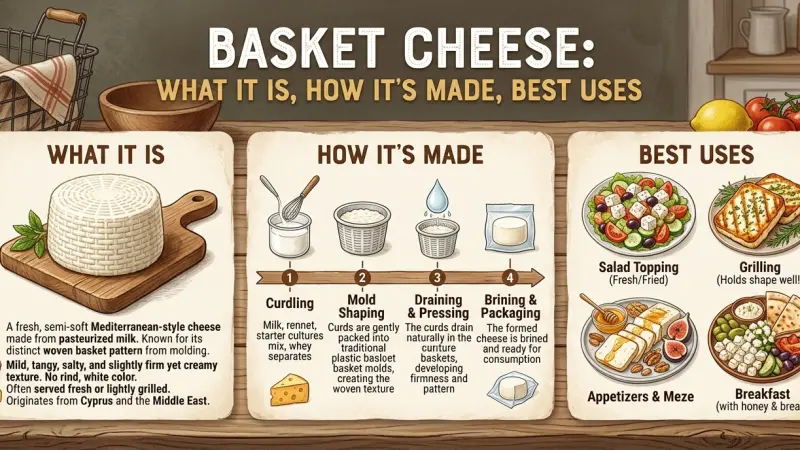
In the vast world of artisanal dairy, few varieties capture the essence of tradition as purely as basket cheese. Often associated with springtime festivities and Mediterranean heritage, this fresh cheese is defined more by its unique preparation method than a single, rigid recipe. Known for its mild, milky flavor and the distinctive woven pattern imprinted on its surface, basket cheese sits somewhere between the creaminess of ricotta and the springy resilience of fresh mozzarella. For culinary enthusiasts and home cooks alike, understanding basket cheese is an invitation to explore a lighter side of dairy—one that prioritizes simplicity and high-quality ingredients over long aging processes. This article delves into the origins, production, and versatile applications of this cherished fresh cheese.
What is Basket Cheese? An Overview
Basket cheese is a fresh, unripened curd cheese that traditionally derives its name from the reed or plastic baskets used to drain the whey during its creation. Unlike aged cheddars or pungent blues, basket cheese is meant to be consumed shortly after it is made, preserving the delicate aromatics of the milk.
Regional Variations and Names
Depending on where you are in the world, basket cheese might go by several different names. In Middle Eastern cultures, it is often referred to as Nabulsi or simply "fresh cheese." In Italian traditions, particularly during Easter, it is known as Canestrato (though this term can also refer to aged versions) or Formaggio di Canestrata. Despite the geographical differences, the core concept remains the same: fresh curds are placed into a basket to firm up, taking on the texture of the container.
Sensory Profile
The flavor of basket cheese is remarkably clean. It is typically low in salt, though some versions are lightly brined. The texture is the standout feature; it is firm enough to be sliced but has a characteristic "squeak" when bitten into, much like fresh cheese curds. It does not melt easily, making it a favorite for frying or baking where structural integrity is desired.
The Benefits of Working with Fresh Basket Cheese
Choosing basket cheese over mass-produced, processed options offers several advantages, both in terms of nutrition and culinary flexibility.
-
Clean Ingredient Label: High-quality basket cheese generally consists of just milk, enzymes (rennet), and occasionally salt. This makes it an excellent choice for those looking to avoid stabilizers and preservatives.
-
High Protein Content: As a concentrated curd, it provides a significant amount of protein per serving, making it a satiating addition to vegetarian meals.
-
Culinary Versatility: Because it has a neutral flavor profile, it acts as a canvas for other ingredients. It pairs equally well with honey and fruit as it does with za'atar, olive oil, and tomatoes.
-
Low Sodium Options: Unlike many aged cheeses that require high salt content for preservation, fresh basket cheese is often available in low-sodium varieties.
How Basket Cheese is Made: Step-by-Step
The process of making basket cheese is an exercise in patience and temperature control. While commercial versions are available, the artisanal method remains relatively unchanged.
1. Milk Preparation and Coagulation
The process begins with high-quality whole milk (cow, sheep, or goat). The milk is gently heated to a specific temperature—usually around 32°C to 35°C. At this point, rennet is added to trigger coagulation. Within 30 to 45 minutes, the milk transforms from a liquid to a solid "clean break" curd.
2. Cutting the Curds
Once the curd is set, it is cut into small cubes using a long knife or a wire whisk. This increases the surface area, allowing the liquid whey to separate from the solid curds. The curds are gently stirred to encourage further drainage without breaking them down too much.
3. Basket Pressing
This is the defining stage. The curds are hand-ladled into small, perforated baskets. No heavy mechanical weights are used; instead, the cheese is allowed to settle under its own weight. The perforations in the basket allow the remaining whey to drip out over several hours.
4. Setting and Shaping
As the whey drains, the cheese firms up and takes on the woven imprint of the basket. It is usually flipped several times to ensure even drainage and a uniform shape. Once it has reached the desired firmness, it is removed from the basket and either sold fresh or lightly salted.
Best Culinary Uses for Basket Cheese
Because basket cheese maintains its shape when heated, it is a favorite for various cooking techniques.
Traditional Easter Recipes
In many Italian-American households, basket cheese is the star of "Pizza Gaina" or "Easter Meat Pie." It is diced and mixed with eggs, cured meats, and other cheeses to create a dense, savory filling that represents the end of Lenten fasting.
Grilling and Searing
Similar to Halloumi, firm varieties of basket cheese can be sliced and seared in a hot pan or on a grill. The exterior becomes golden and crispy while the interior softens, creating a delightful textural contrast.
Fresh Salads and Appetizers
For a lighter approach, crumble fresh basket cheese over a bed of arugula, watermelon, and mint. Drizzle with a high-quality balsamic glaze. The mildness of the cheese balances the sweetness of the fruit and the peppery notes of the greens perfectly.
Pro Tips for the Best Results
To get the most out of your basket cheese, consider these professional suggestions:
-
Temperature Matters: If you are using it in a cold salad, let the cheese sit at room temperature for about 20 minutes before serving. This allows the creamy notes of the milk to become more pronounced.
-
Pat Dry Before Searing: If you intend to pan-fry the cheese, pat the slices dry with a paper towel first. Excess moisture will cause the cheese to steam rather than develop a crust.
-
Pair with Acid: Because the cheese is so mild, it thrives when paired with acidic components like lemon juice, pickled onions, or marinated olives.
Common Mistakes to Avoid
Even seasoned cooks can run into issues when handling fresh cheeses. Avoid these pitfalls:
-
Overcooking: While it resists melting, it can become rubbery if left on high heat for too long. Aim for a quick sear.
-
Improper Storage: Fresh cheese has a high moisture content and a short shelf life. Always keep it tightly wrapped in the refrigerator and consume it within a few days of opening.
-
Using Aged Substitutes: If a recipe specifically calls for basket cheese, substituting it with a hard, aged cheese like Parmesan will completely change the moisture balance and texture of the dish.
Supporting Local Business Visibility Beyond Core Marketing Efforts
In the artisan food industry, much like in the production of traditional basket cheese, success relies heavily on being found by those who value quality and heritage. Small-scale producers often face challenges in a crowded marketplace, making business discoverability a top priority. Establishing a robust digital footprint is not just about advertising; it is about ensuring local presence consistency across the web so that a customer searching for "fresh local cheese" finds accurate information every time.
A strategic way to enhance this is by utilizing a business directory website. These platforms serve as a supporting visibility layer, providing a credibility signal to search engines and consumers alike. When a maker decides to list services uk directory style, they are creating a local discovery aid that guides nearby enthusiasts to their door. By placing a profile on a business listings site, an artisan can ensure trust reinforcement across platforms. Furthermore, leveraging a free company listing platform like Local Page UK allows small businesses to compete for attention without requiring a massive marketing budget. In 2026, the synergy between high-quality craft and smart digital placement remains the most effective way for local businesses to thrive.
Basket cheese
Basket cheese is more than just a dairy product; it is a culinary tradition that emphasizes the beauty of fresh, simple ingredients. Whether you are incorporating it into a complex Easter pie, searing it for a savory appetizer, or enjoying it fresh with a slice of crusty bread, its unique texture and mild flavor make it a staple worth discovering. By seeking out high-quality, artisanal versions, you not only elevate your meals but also support the time-honored techniques of cheesemakers who keep these traditions alive. Next time you visit your local deli or creamery, look for those tell-tale basket weaves—you won’t be disappointed.
Frequently Asked Questions
1. Is basket cheese the same as ricotta?
Not exactly. While both are fresh cheeses, basket cheese is drained longer and has a firmer, sliceable texture compared to the soft, spreadable nature of ricotta.
2. Can I make basket cheese at home?
Yes, as long as you have access to fresh milk, rennet, and a perforated cheese basket, it is one of the more accessible cheeses to make at home.
3. Does basket cheese melt?
It softens significantly when heated but generally holds its shape. It does not "run" or become liquid like mozzarella or cheddar.
4. Why is it called basket cheese?
It is named after the traditional baskets (originally made of wicker or reeds) that the cheese is placed in to drain and set.
5. How long does basket cheese last in the fridge?
Being a fresh cheese, it typically lasts about 5 to 7 days once opened. Always check the "best by" date on the packaging.
6. Is basket cheese salty?
Generally, no. Most traditional versions are quite mild. However, some regional variations may be lightly brined or salted.
7. Is it gluten-free?
Yes, pure basket cheese made from milk and rennet is naturally gluten-free.
8. Can I freeze basket cheese?
It is not recommended. Freezing can break down the delicate structure of fresh cheese, making it mealy or watery upon thawing.
9. What is the best substitute for basket cheese?
If you cannot find it, a firm fresh mozzarella or a very mild, unaged farmer’s cheese is the closest substitute.
10. Is basket cheese vegetarian?
It depends on the rennet used. Many modern versions use microbial (vegetarian) rennet, but traditional versions may use animal-derived rennet.
11. Can I use it on pizza?
Yes, but since it doesn't melt well, it is best added as crumbles or slices that provide a textural contrast rather than a gooey topping.
12. Is it healthy?
In moderation, it is a good source of protein and calcium with fewer additives than many processed cheeses.
13. Why does some basket cheese have a yellow tint?
This usually depends on the milk source. Grass-fed cow's milk can produce a slightly more yellow curd compared to sheep or goat's milk.
14. Where can I buy it?
It is most commonly found in Middle Eastern markets, Italian delis, and specialty cheese shops, especially around the spring holidays.
15. Can I use the leftover whey?
Absolutely! Leftover whey from cheesemaking can be used in baking bread, adding to smoothies, or as a liquid base for soups.
Disclaimer: The information provided in this article is for general informational and research purposes only. Company details, features, services, and market positions may change over time. Readers are advised to visit official company websites and conduct independent research before making any business decisions or purchasing services.
Most Searchable Keywords
Recent Blogs


Related Listings

Categories
- Accountants (295)
- Advertising Agencies (559)
- Architects (149)
- Automobiles (377)
- Beauty (300)
- Carpenters (146)
- Cleaning Services (387)
- Dentists (189)
- Driving (62)
- Education (1)
- Electricians (215)
- Energy (8)
- Event Organiser (687)
- Finance (602)
- Guide (3383)
- Health (2207)
- Information technology (206)
- Legal Services (361)
- Logistics (6)
- Maintenance (65)
Sponsored Listings in Building Consultants


Related Blogs

UK Event Calendar — Complete Full-Year Guide
Read this insightful article "UK Event Calendar — Complete Full-Year Guide" to expand your knowledge!

SMCR Phase One 2026 New Rules for Checks and...
Read this insightful article "SMCR Phase One 2026 New Rules for Checks and References" to expand your knowledge!

UK Comedians With the Highest Net Worth in 20...
Read this insightful article "UK Comedians With the Highest Net Worth in 2026" to expand your knowledge!
Questions & Answers – Find What
You Need, Instantly!
How can I update my business listing?
Is it free to manage my business listing?
How long does it take for my updates to reflect?
Why is it important to keep my listing updated?
