
Bath Resurfacing UK: Techniques, Costs & DIY vs Professional Advice
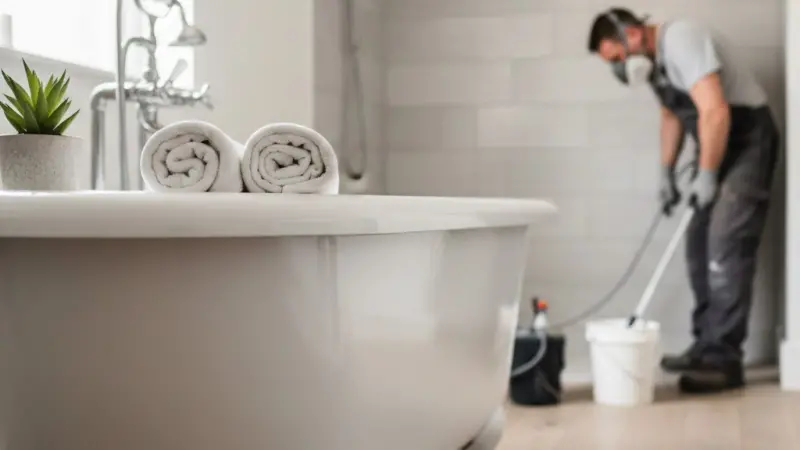
The bath resurfacing sector in the United Kingdom represents a vital, albeit often overlooked, segment of the broader home improvement and circular economy landscape. As homeowners across the British Isles increasingly seek ways to modernize their living spaces without the prohibitive costs and environmental impact of full-scale renovations, the demand for high-quality bath restoration has surged. This industry serves as a crucial bridge between heritage preservation—saving the iconic Victorian cast iron roll-top baths—and modern convenience.

From an economic perspective, the bath resurfacing industry contributes significantly to the UK’s skilled trade economy. It is a niche that requires a unique blend of chemical engineering knowledge, artistic precision, and traditional craftsmanship. Unlike generic plumbing or tiling, resurfacing is a specialist service that prevents thousands of tonnes of non-biodegradable waste from entering British landfills every year. In a climate where "repair and reuse" is becoming a national mandate, businesses within this sector are perfectly positioned to thrive. For those looking to navigate this market, consulting a uk local business directory is often the first step in connecting with accredited specialists who can breathe new life into an aging bathroom suite.
The Landscape of Bath Resurfacing in the UK
The current market for bath resurfacing in the UK is characterized by a strong post-pandemic recovery. During the lockdowns of 2020 and 2021, the "race for space" and a renewed focus on home sanctuary projects led to a massive backlog in traditional plumbing services. This opened the door for resurfacing as a faster, cleaner, and more cost-effective alternative to replacement. Today, the industry is valued as part of the multi-billion pound UK bathroom fitting market, with specialized restoration services seeing a year-on-year growth rate of approximately 5%.
Key regions of activity are concentrated in urban hubs like London, Manchester, and Birmingham, where older housing stock—particularly Victorian and Edwardian terraces—features original cast iron tubs that homeowners are desperate to retain. However, the trend is also sweeping through the South West and Scotland, driven by a growing interest in boutique interior design. Post-pandemic, the industry has evolved to include more robust health and safety protocols and a shift toward digital-first customer journeys. Consumers no longer rely solely on word-of-mouth; they utilize a uk online business directory to vet contractors, compare regional pricing, and check for the latest "green" certifications.
Comprehensive Services Breakdown
The modern bath resurfacing professional offers far more than just a "lick of paint." The services provided are technically sophisticated, involving multi-stage chemical bonding processes.
Full Enamel Resurfacing: The flagship service involves deep cleaning, etching the original surface with specialized acids to create a "mechanical bond," and applying high-performance acrylic urethane coatings.
Chip and Scratch Repair: For newer acrylic or steel baths, localized repairs can save the entire unit from being scrapped.
Anti-Slip Applications: A growing B2B service for hotels and care homes, adding invisible traction to the bath floor.
Color Matching: Moving beyond "Standard White" to bespoke RAL colors, allowing for high-end interior design customization.
As professionals expand their offerings, many find that visibility is their biggest hurdle. To overcome this, savvy operators often secure a business listing uk to ensure their specialized services—like roll-top restoration or shower tray reglazing—are indexed by local search engines. This allows them to compete with larger national franchises by highlighting their unique local expertise.
How to Choose the Right Service Provider
For the UK consumer, choosing a resurfacing specialist requires due diligence. Because the industry involves the use of volatile organic compounds (VOCs) and specialized spray equipment, insurance is non-negotiable. A reputable provider should hold at least £1 million in Public Liability Insurance and provide a clear guarantee—typically ranging from 5 to 10 years.
When researching, look for accreditations such as membership in the Guild of Master Craftsmen or verification through uk verified business listings. These platforms act as a filter, ensuring that the "man with a van" is actually a trained technician with a track record of success. Reviews are the currency of the modern trade; look for detailed testimonials that mention punctuality, the cleanliness of the workspace, and the "curing time" instructions provided after the job is complete.
Industry Challenges & Future Outlook
The bath resurfacing industry faces a dual challenge of tightening environmental regulations and the rising cost of raw materials. The UK’s commitment to "Net Zero" means that traditional solvent-based coatings are being phased out in favor of water-borne alternatives. While these are better for the environment, they require different application techniques and longer curing times, forcing old-school technicians to retrain.
Furthermore, sustainability is no longer a buzzword; it is a business requirement. Resurfacing a bath uses roughly 90% less energy than manufacturing and installing a new one. Professionals who highlight these "green" credentials on a business listing uk are finding themselves at the top of the list for eco-conscious Millennials and Gen Z homeowners. The future outlook remains positive, with technological shifts like UV-cured coatings promising "instant-dry" finishes within the next decade.
Business Tips for Bath Resurfacing Professionals
In a crowded marketplace, digital visibility is the difference between a full diary and a quiet month. For a local resurfacing business, SEO (Search Engine Optimization) is paramount. You aren't just competing with other resurfacers; you are competing with the "big box" DIY stores that want customers to buy a new bath entirely.
To stand out, professionals should ensure they are listed on a uk home services directory. This provides high-quality backlinks to their website and improves their "Local Pack" ranking on Google. Additionally, focusing on "before and after" content on social media, combined with a robust profile on a local business listings uk site, creates a funnel of trust that converts casual browsers into paying clients.
Wrapping Up & Local Page Integration
The UK bath resurfacing industry is a testament to British ingenuity and the enduring value of quality craftsmanship. By choosing to restore rather than replace, consumers save money, preserve history, and protect the planet. As the industry continues to professionalize and digitalize, the need for a central, reliable platform to connect tradespeople with homeowners has never been greater.
For the modern consumer, finding a specialist is made simple through the uk local business directory. For the business owner, the path to growth lies in being where the customers are looking.
Whether you are a homeowner in Leeds or a technician in London, the ecosystem provided by platforms like Local Page ensures that quality service is always just a click away.
Boost Your Visibility with Local Page UK
In the highly competitive world of home services and specialized trades, being found online is no longer optional—it is critical for survival. Whether you are an independent bath resurfacing specialist or part of a larger legal firm in the Barristers sector, your potential clients are searching for you right now. Don't let your competitors take your spot. Claim your business listing uk today on Local Page UK and ensure your business is seen by thousands of local customers actively seeking your expertise.
Frequently Asked Questions
How much does professional bath resurfacing cost in the UK?
The cost of professional bath resurfacing in the UK typically ranges between £250 and £550. This price varies based on several factors, including the geographic location of the property, the size of the bathtub, and the current condition of the surface. For instance, a heavily rusted cast iron tub requires more preparation work than a slightly dulled acrylic one. Most professionals provide a fixed quote that includes the cleaning, repairs, and the application of the new finish. While this is significantly more expensive than a DIY kit, it is roughly 70% cheaper than the total cost of replacing a bath, which often involves plumbing and retiling expenses.
How long does the bath resurfacing process take?
On average, a professional bath resurfacing job takes between 3 to 6 hours to complete. The technician begins by thoroughly cleaning the surface to remove all oils and mineral deposits. Following this, any chips or scratches are filled. The most time-consuming part is often the masking process, where the rest of the bathroom is protected from overspray. Once the area is prepared, the bonding agents and topcoats are applied using specialized spray equipment. While the application is relatively fast, the bath must typically be left to cure for 24 hours before it can be used for bathing, ensuring the finish is fully hardened.
Can I change the colour of my bath during resurfacing?
Yes, one of the primary benefits of professional resurfacing is the ability to completely change the colour of your fixture. While classic white remains the most popular choice for its clean and timeless look, many UK specialists offer a range of hundreds of different shades. This allows homeowners to match their bath to a new decor scheme or create a bold statement piece. Some modern trends include matte black, deep "Oxford" blue, or even soft pastel tones. It is important to discuss colour options in advance, as custom pigment mixing may carry a small additional surcharge compared to standard factory white.
How long will a resurfaced bath last?
A professionally resurfaced bath can last between 10 to 15 years, provided it is maintained according to the provider's aftercare instructions. The longevity of the finish depends largely on the quality of the bonding process and the type of cleaning products used by the homeowner. Abrasive cleaners and scouring pads can micro-scratch the surface, leading to a loss of gloss over time. However, if treated with non-abrasive, pH-neutral cleaners, the surface will remain vibrant and smooth for over a decade. Most reputable UK companies provide a written guarantee, often covering 5 years against peeling or flaking under normal usage conditions.
Is DIY bath resurfacing a good idea for beginners?
DIY bath resurfacing is often discouraged for those without experience because the materials in retail kits are generally inferior to professional-grade coatings. Standard DIY kits often use a "brush-on" epoxy that can leave visible brush marks and may peel within a few months due to poor adhesion.
Furthermore, the chemicals involved require high-level ventilation and specialized respirators. A failed DIY attempt often ends up costing more, as a professional will have to strip the failing coating before they can start the job properly. To find a professional who can guarantee a smooth, spray-applied finish, you should search Localpage for local experts.
What is the difference between resurfacing and re-enamelling?
In the context of the UK service industry, the terms "resurfacing," "re-enamelling," and "reglazing" are often used interchangeably to describe the process of applying a new coating to a bath. However, "re-enamelling" can also refer to a traditional industrial process where the bath is taken to a factory, coated in glass powder, and fired in a kiln at high temperatures. This industrial method is extremely expensive and time-consuming. Most "re-enamelling" services performed in the home are actually high-tech resurfacing using advanced polymers that mimic the look and feel of porcelain without the need for a 1,000-degree oven.
Is bath resurfacing environmentally friendly?
Bath resurfacing is considered an eco-friendly alternative to replacement because it drastically reduces the volume of bulky waste sent to UK landfills. A cast iron bath can weigh over 100kg; by restoring it in situ, you are extending its life by another decade and avoiding the carbon footprint associated with manufacturing and transporting a new unit. Additionally, resurfacing avoids the environmental impact of a full bathroom demolition, which generates significant dust and debris. Many modern resurfacing companies are also moving toward Low-VOC coatings to further reduce their environmental impact, making it a sustainable choice for the conscious homeowner.
Can acrylic and plastic baths be resurfaced?
Yes, modern resurfacing technology has evolved to allow for the successful treatment of acrylic, fibreglass, and plastic bathtubs. In the past, coatings struggled to bond with flexible plastics, but contemporary bonding agents are designed to flex with the material. This is particularly useful for modern suites that have become scratched or yellowed over time. The process is similar to that of metal baths but involves a different chemical etching agent specifically formulated for synthetic substrates. Resurfacing an acrylic bath can restore its original high-gloss finish and remove the "cheap" look of aged or weathered plastic.
Will the resurfacing process smell or create mess?
Professional resurfacing does involve the use of chemicals and spray coatings that have a noticeable odour. However, technicians use high-powered exhaust fans and ducting to vent fumes out of the nearest window during the process. The smell typically dissipates within a few hours after the job is completed. Regarding mess, a professional will spend a significant amount of time "masking up" the bathroom using paper and plastic sheeting to ensure that no overspray lands on your tiles, floor, or vanity unit. Once the job is finished and the masking is removed, the bathroom is usually left as clean as it was found.
Can chips and cracks be repaired during resurfacing?
Absolutely. One of the core steps of a professional resurfacing service is the repair of structural and aesthetic defects. Small chips in the enamel, deep scratches, and even minor rust spots around the drain are filled with specialized waterproof resins and sanded smooth before the final topcoats are applied. If your bath has a more significant crack, particularly in an acrylic tub, a technician can often reinforce the area from behind or use a fibreglass patch kit. These repairs become completely invisible once the final layers of the new surface are sprayed over the top.
Does resurfacing affect the temperature of the bathwater?
The resurfacing process itself does not significantly alter the thermal properties of the bathtub. However, cast iron baths are naturally excellent at retaining heat once they are warmed up, and the new polymer surface can actually feel slightly warmer to the touch than cold, bare metal. Some high-end resurfacing companies offer additional thermal coatings that can be applied to the exterior of the bath to further improve heat retention. Generally, you will not notice a negative change in how long your bathwater stays hot, and you might find the new surface more comfortable against your skin.
How should I clean my bath after it has been resurfaced?
Aftercare is the most important factor in maintaining a resurfaced bath. You must avoid all abrasive cleaners, such as powders or creams containing grit, as well as acidic cleaners like undiluted bleach. Instead, use a mild, liquid dish soap or a non-abrasive bathroom spray with a soft sponge or microfibre cloth. It is also advised to avoid using suction-cup bath mats, as these can trap water against the surface and potentially weaken the bond over time. Rinsing the bath with clean water after each use and wiping it dry will prevent the buildup of limescale and soap scum.
Can I resurface a bath that has been resurfaced before?
Yes, a bath can be resurfaced multiple times. However, if the previous coating is peeling or was poorly applied (such as a DIY kit), the technician will need to strip away the old layers back to the original substrate before applying the new finish. This stripping process involves additional labour and chemicals, so it usually incurs an extra fee. It is vital to tell your service provider if the bath has been previously treated, as they will need to prepare the correct equipment to ensure the old coating is completely removed for a perfect bond.
Is bath resurfacing suitable for commercial properties?
Bath resurfacing is highly popular in the commercial sector, particularly for hotels, student accommodation, and rental properties. The primary advantage for businesses is the minimal downtime; a hotel room can be out of commission for just 24 hours rather than several days for a full refit.
It is also a tax-deductible maintenance expense rather than a capital expenditure in many cases. Commercial-grade coatings are available that are designed to withstand the heavy usage patterns found in hospitality environments, providing a durable and hygienic solution that keeps rooms looking premium for guests.
Where can I find a verified bath resurfacing specialist in the UK?
The best way to find a verified professional is to use a dedicated platform that focuses on local UK trade services. These platforms allow you to compare reviews, check for specific insurance cover, and view portfolios of previous work. Using a reputable directory ensures that you are dealing with a legitimate business rather than an untraceable "fly-by-night" operator. For a comprehensive and trusted list of service providers in your area, we recommend browsing the listings on Local page to find a technician who meets your specific needs and budget.

Disclaimer: The information provided in this article is for general informational and research purposes only. Company details, features, services, and market positions may change over time. Readers are advised to visit official company websites and conduct independent research before making any business decisions or purchasing services.
Most Searchable Keywords

Recent Blogs



Related Listings


Categories
- Accountants (295)
- Advertising Agencies (559)
- Architects (149)
- Automobiles (377)
- Beauty (300)
- Carpenters (146)
- Cleaning Services (386)
- Dentists (189)
- Driving (62)
- Electricians (215)
- Energy (8)
- Event Organiser (685)
- Finance (599)
- Guide (3365)
- Health (2207)
- Information technology (206)
- Legal Services (353)
- Logistics (6)
- Maintenance (65)
- Manufacturing (35)

Sponsored Listings in Locksmith Services


Related Blogs

Gen Z Political Reporters and News Creators i...
Read this insightful article "Gen Z Political Reporters and News Creators in the UK" to expand your knowledge!

Famous Female Social Media Influencers Across...
Read this insightful article "Famous Female Social Media Influencers Across the UK" to expand your knowledge!

Your UK Sponsor Licence 2026 Step by Step Gui...
Read this insightful article "Your UK Sponsor Licence 2026 Step by Step Guide" to expand your knowledge!
Questions & Answers – Find What
You Need, Instantly!
How can I update my business listing?
Is it free to manage my business listing?
How long does it take for my updates to reflect?
Why is it important to keep my listing updated?
