
Bathroom Installation UK: Planning Steps, Materials & Contractor Checklist
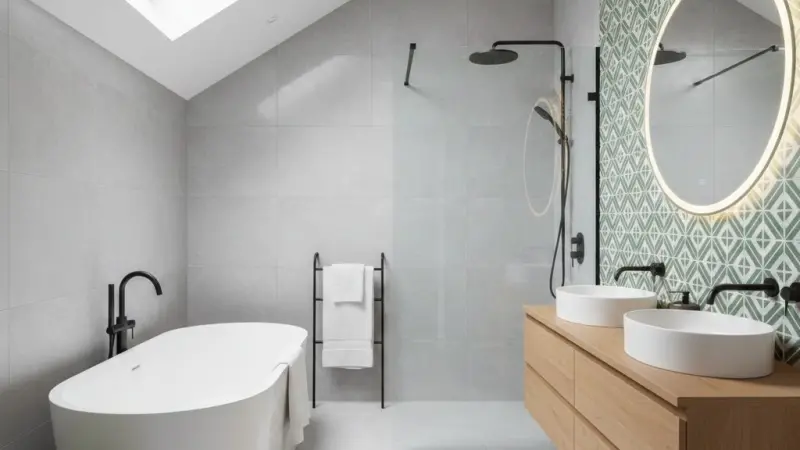
The bathroom installation and supply sector represents one of the most vital pillars of the UK’s home improvement industry. No longer viewed as merely functional spaces, bathrooms have transitioned into sanctuary-like environments designed for wellness, relaxation, and aesthetic expression. Economically, the sector contributes billions to the national GDP, encompassing a vast network of manufacturers, specialist showrooms, independent fitters, and large-scale retailers.

For the British homeowner, a new bathroom is frequently the second-largest investment made in a property after a kitchen renovation. This high level of capital expenditure drives a sophisticated supply chain. From the ceramicists in the Midlands to the high-tech smart shower designers in London, the industry is a testament to British engineering and design prowess. Navigating this landscape requires a keen understanding of both the logistical challenges of domestic plumbing and the shifting consumer trends that define modern living. Whether you are a homeowner seeking a renovation or a professional looking to benchmark your services against the uk business listings online, understanding the structural importance of this sector is the first step toward a successful project.
The Landscape of Bathroom Installation & Supply in the UK
The UK bathroom market has demonstrated remarkable resilience and evolution over the last decade. Current market analysis suggests that the sector is worth upwards of £1.2 billion annually, sustained by a steady demand for both "emergency" repairs and discretionary luxury upgrades. Regional activity remains densest in the South East and London, driven by higher property values and a culture of home "staging," though significant growth is also seen in Northern hubs like Manchester and Leeds, where urban regeneration projects are in full swing.
The industry underwent a profound transformation post-pandemic. As the British public spent more time at home, the "Don't Move, Improve" philosophy took hold. This resulted in a backlog of work that persists today, with many top-tier contractors booked months in advance. The post-pandemic era also saw a shift in supply chain management; businesses had to become more agile, often utilizing a uk local business directory to source alternative local suppliers when international shipping faced delays.
Technologically, the industry has shifted toward e-commerce integration. While physical showrooms remain essential for the "touch and feel" aspect of selecting tiles and brassware, the initial discovery phase for most consumers now begins online. This has leveled the playing field for smaller independent installers who can now compete with national chains by maintaining a strong digital presence. The evolution is not just in how we buy, but in what we buy—water-saving technology and antimicrobial surfaces have moved from niche "green" options to standard requirements in the modern British home.
Comprehensive Services Breakdown
The sheer variety of products and services within the bathroom niche is expansive, catering to everything from budget-friendly cloakroom refreshes to five-figure wet room installations.
Design and Consultation: Many modern providers offer 3D CAD modeling, allowing homeowners to visualize the placement of baths, basins, and cabinetry before a single pipe is moved.
Plumbing and Technical Installation: This is the core service, involving the rerouting of waste pipes, installation of pressurized water systems, and the fitting of high-end valves.
Tiling and Waterproofing: Given the UK’s penchant for power showers, tanking (waterproofing) systems have become a critical service to prevent long-term structural damp.
Electrical Works: From LED-integrated mirrors and underfloor heating to mechanical ventilation and heat recovery (MVHR) systems, electrical services must comply with strict Part P Building Regulations.
Supply of Sanitaryware: This includes the procurement of WCs, basins, bidets, and baths.
High-end suppliers often list their inventory on a business listing uk to attract developers and interior designers.
Sustainable Solutions: Services now frequently include the installation of greywater recycling systems and low-flow taps to meet increasing environmental standards.
Specialist Mobility Bathing: A significant sub-sector involves "Level Access" showers and walk-in baths designed for the UK’s aging population, requiring specific occupational therapy insights.
How to Choose the Right Service Provider
Selecting a contractor in the UK requires more than just a quick search; it demands a rigorous vetting process. Because bathroom installation involves plumbing, electrics, and structural work, the risks of a "cowboy" builder are high.
Consumers should prioritize contractors who hold memberships in professional bodies such as the British Institute of KBB Installation (BiKKBI) or the Chartered Institute of Plumbing and Heating Engineering (CIPHE). These accreditations ensure that the installer is committed to a code of conduct and possesses the necessary technical qualifications. Furthermore, checking uk service listings can provide a clear picture of a company’s local reputation through verified reviews and historical project data.
Insurance is another non-negotiable factor. A professional contractor should carry Public Liability Insurance (minimum £2 million) to protect your property in the event of a leak or accidental damage. Always ask for a written, itemized quote rather than a "ballpark" figure. A detailed quote should break down the cost of materials versus labor, and specify who is responsible for the removal of the old suite and debris. Finally, trust your gut: a reputable local tradesman will be happy to provide references from previous clients in your area and won't pressure you into an immediate deposit without a signed contract.
Industry Challenges & Future Outlook
The UK bathroom sector faces a unique set of challenges, primarily driven by labor shortages and the rising cost of raw materials. The "skills gap" is a significant concern, with a shortage of qualified plumbers and tilers leading to longer wait times for consumers. However, this has spurred an increase in apprenticeships and modular construction techniques.
Sustainability is the defining trend for the next decade. The UK government’s commitment to "Net Zero" means that bathroom installations must become more water and energy-efficient. We are seeing a move away from gas-powered water heating toward air-source heat pumps, which changes the requirements for hot water cylinder pressures and shower valve compatibility. Businesses that highlight these eco-friendly credentials on a business listing uk are finding themselves at a competitive advantage as consumer awareness grows.
Smart technology is also transitioning from novelty to necessity. Voice-controlled showers, smart toilets with bidet functions, and mirrors that display news and weather are becoming commonplace. Regulatory changes, particularly concerning water regulations (WRAS) and building control (Part G), continue to tighten, ensuring that all new installations prioritize safety and conservation. The future of the industry lies in "The Connected Bathroom," where health monitoring sensors and automated leak detection systems provide homeowners with peace of mind.
Business Tips for Bathroom Installation & Supply Professionals
For professionals operating in this space, technical excellence is only half the battle. In a crowded marketplace, marketing and digital visibility are the keys to sustainable growth. Many highly skilled tradespeople struggle because they rely solely on word-of-mouth, which can be inconsistent.
To stabilize your lead generation, you must treat your digital footprint as your secondary showroom. This begins with ensuring your business is visible on a uk home services directory.
High-quality photography is essential; "before and after" photos of a cramped Victorian bathroom transformed into a modern wet room are incredibly persuasive.
Furthermore, local SEO (Search Engine Optimization) is vital. When a homeowner searches for "bathroom fitter near me," you want to be at the top of the results. This is achieved by maintaining consistent NAP (Name, Address, Phone number) data across the web. Engaging with your local community via social media and encouraging happy customers to leave reviews on a uk top rated local businesses platform will build the social proof needed to close high-value contracts. Remember, in the digital age, your online reputation is your most valuable asset.
Wrapping Up & Local Page Integration
The bathroom installation and supply industry is a cornerstone of the UK’s domestic economy, blending traditional craftsmanship with cutting-edge technology. From the initial planning stages and material selection to the final contractor checklist, every step requires precision and professional oversight. As the industry continues to evolve toward greener, smarter solutions, the need for reliable information and verified service providers has never been greater.
For businesses looking to thrive in this competitive landscape, and for consumers seeking the best local talent, the Local Page serves as the premier bridge. By centralizing the UK’s most trusted trade professionals and suppliers, it simplifies the complex process of home renovation. Whether you are searching for a bespoke tiler or a high-end sanitaryware wholesaler, utilizing a comprehensive uk b2b business directory ensures that you are connecting with legitimate, high-quality enterprises. The future of British bathroom installation is bright, fueled by innovation and a commitment to excellence in the heart of the home.
Boost Your Visibility with Local Page UK
For businesses in the Bathroom Installation & Supply sector, being found online is critical. With more homeowners than ever turning to the internet to source their trade professionals, your digital presence is your new storefront. We encourage you to claim your business listing uk today. By joining our network, you can showcase your expertise, upload your portfolio, and connect directly with customers in your specific region who are ready to start their renovation journey. Don't let your competitors take the lead—put your business on the map with Local Page UK.
Frequently Asked Questions
1. What is the average cost of a full bathroom installation in the UK?
The cost of a bathroom installation in the UK varies significantly based on the quality of materials and the complexity of the plumbing. On average, a standard renovation costs between £4,500 and £7,500. This typically includes the removal of the old suite, basic tiling, and the installation of a new bath, shower, toilet, and basin. High-end luxury installations involving structural changes or premium stones can easily exceed £15,000.
2. Do I need building regulations approval for a new bathroom?
Generally, if you are replacing fittings in the same position, you do not need approval. However, if you are adding a new bathroom (such as an ensuite) where there wasn't one before, or making significant changes to the drainage or electrical circuits, you must comply with Building Regulations. This ensures proper ventilation, structural integrity, and electrical safety (Part P).
3. How long does a typical bathroom renovation take?
A standard bathroom installation usually takes between 10 to 15 working days. The first few days involve "first fix" plumbing and electrics, followed by plastering and tiling. The final days are dedicated to "second fix" items like fitting the sanitaryware, shower screens, and accessories. Unexpected issues like rot in the floorjoists can extend this timeline.
4. What is "tanking" and is it necessary for a shower?
Tanking is the process of applying a waterproof membrane to the walls and floor behind your tiles. In the UK, it is highly recommended for any walk-in shower or wet room.
Even with the best grouting, water can eventually seep through, causing dampness and structural damage. Tanking provides an impermeable barrier that protects your home from long-term leaks.
5. Where can I find a reliable bathroom fitter in my area?
The best way to find a reliable professional is to search a verified Localpage. Look for installers who have a portfolio of completed work and positive customer feedback. It is also wise to check if they are members of trade associations, which indicates a commitment to professional standards and ongoing training.
6. Should I buy the materials myself or let the contractor supply them?
Contractors often receive trade discounts at showrooms that they may pass on to you, and they will ensure that all components (like valves and waste kits) are compatible. If you buy materials yourself, you are responsible for checking for damages upon delivery and ensuring everything is present. Most pros prefer to supply and fit to guarantee the warranty of the work.
7. What are the best water-saving features for a modern bathroom?
Modern bathrooms can incorporate dual-flush toilets, aerated showerheads, and thermostatic mixing valves. Aerated showerheads mix air with water to maintain pressure while using significantly less water. These features are not only environmentally friendly but also help reduce utility bills, especially for homes on water meters.
8. Is underfloor heating worth the investment in a bathroom?
Underfloor heating (UFH) is a popular addition in UK bathrooms as it eliminates the need for bulky radiators and provides a comfortable "warm floor" feel. Electric mat systems are relatively easy to install during a renovation. While it adds to the initial cost, it can be more efficient than traditional heating and helps dry out wet floors quickly, reducing the risk of mold.
9. How do I prevent mold and mildew in my new bathroom?
Prevention starts with adequate ventilation. You should install a high-quality extractor fan with a humidistat that triggers automatically when moisture levels rise. Using anti-mould grout and silicone, along with ensuring the room is properly heated to prevent condensation on cold surfaces, will also help keep the space clean and hygienic.
10. Can I move my toilet to a different part of the room?
Yes, but it is the most complex part of a redesign. Toilets require a large waste pipe (usually 110mm) that must have a specific downward slope to function. Moving a toilet away from the main soil stack may require raising the floor or using a macerator pump, which can increase the cost and potential for future maintenance issues.
11. What is the difference between a power shower and a thermostatic shower?
A power shower uses an internal pump to increase water flow, ideal for homes with low-pressure gravity-fed systems. A thermostatic shower maintains a constant water temperature even if someone else in the house turns on a tap, preventing "thermal shock." Most modern UK installations now favor thermostatic valves for safety and comfort.
12. Are freestanding baths practical for small bathrooms?
Freestanding baths are beautiful but require more space around them for cleaning and plumbing. In small bathrooms, they can make the space feel cramped. If you desire the look, consider a "back-to-wall" freestanding bath, which gives the aesthetic of a standalone tub while sitting flush against the wall to save space.
13. What lighting is required for a bathroom?
Bathrooms are divided into "zones" based on their proximity to water sources. All light fixtures must have the correct IP (Ingress Protection) rating for the zone they are in. For example, a light directly above a shower must be at least IP44 or IP65. Always consult a qualified electrician to ensure your lighting plan is safe and compliant.
14. What are the benefits of a wall-hung toilet?
Wall-hung toilets create an illusion of more space by keeping the floor clear, making the room easier to clean. They require a concealed cistern frame built into a stud wall.
While they look sleek and modern, the installation is more labor-intensive and requires a sturdy wall structure to support the weight of the user.
15. How can I verify a business's reputation online?
To verify a business, you should look for their presence on a reputable Local page. Check for a history of consistent reviews, professional accreditation logos, and a clear contact address. Avoid businesses that only provide a mobile number and no physical office location, as this can make them difficult to track down if issues arise post-installation.

Disclaimer: The information provided in this article is for general informational and research purposes only. Company details, features, services, and market positions may change over time. Readers are advised to visit official company websites and conduct independent research before making any business decisions or purchasing services.
Most Searchable Keywords

Recent Blogs



Related Listings


Categories
- Accountants (295)
- Advertising Agencies (559)
- Architects (149)
- Automobiles (377)
- Beauty (300)
- Carpenters (146)
- Cleaning Services (386)
- Dentists (189)
- Driving (62)
- Electricians (215)
- Energy (8)
- Event Organiser (685)
- Finance (599)
- Guide (3365)
- Health (2207)
- Information technology (206)
- Legal Services (353)
- Logistics (6)
- Maintenance (65)
- Manufacturing (35)

Sponsored Listings in Locksmith Services


Related Blogs

Gen Z Political Reporters and News Creators i...
Read this insightful article "Gen Z Political Reporters and News Creators in the UK" to expand your knowledge!

Famous Female Social Media Influencers Across...
Read this insightful article "Famous Female Social Media Influencers Across the UK" to expand your knowledge!

Your UK Sponsor Licence 2026 Step by Step Gui...
Read this insightful article "Your UK Sponsor Licence 2026 Step by Step Guide" to expand your knowledge!
Questions & Answers – Find What
You Need, Instantly!
How can I update my business listing?
Is it free to manage my business listing?
How long does it take for my updates to reflect?
Why is it important to keep my listing updated?
