
Bathroom Planners UK: Design Software, Layouts & Furnishing Inspirations
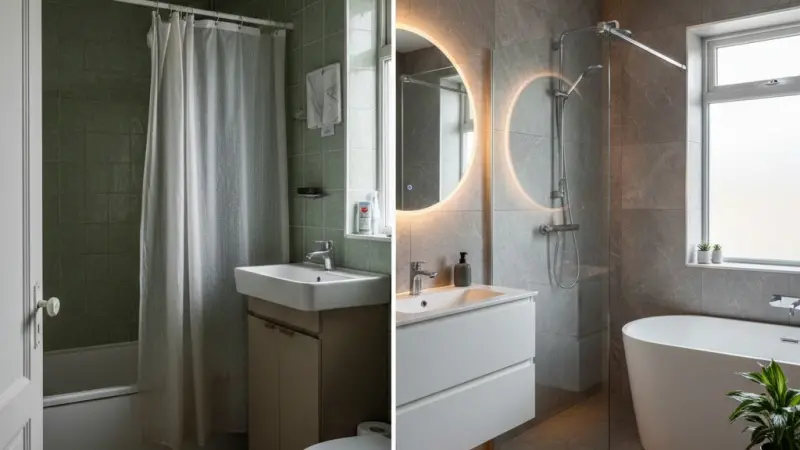
The British home improvement sector has long been a cornerstone of the national economy, with the bathroom planning and furnishing industry playing a pivotal role. In the UK, the "bathroom" has evolved from a purely functional utility room into a sanctuary for wellness and relaxation. This transition has spurred a sophisticated market comprising interior designers, specialist planners, high-end furnishers, and expert tradespeople. From a business analysis perspective, the sector represents a multi-billion pound industry that supports thousands of small-to-medium enterprises (SMEs) across the country.

The economic importance of this niche cannot be overstated. As homeowners increasingly opt to "improve rather than move," the demand for bespoke bathroom solutions has skyrocketed. Modern UK bathroom planners are now tasked with navigating complex building regulations while delivering aesthetic excellence. Whether it is a compact London ensuite or a sprawling rural master suite, the level of detail required in modern planning involves everything from hydro-flow calculations to smart-home integration. For consumers looking to navigate this crowded marketplace, utilizing a find local businesses uk becomes essential to separate high-quality professionals from unverified operators.
Furthermore, the rise of the "Self-Build" and "Renovation" culture, fueled by popular media and a desire for property value appreciation, has made bathroom planning a primary focus for UK households. This guide explores the intricate landscape of the UK bathroom industry, examining the software tools revolutionizing design, the latest layout trends, and the strategic business moves necessary for professionals to thrive in a digital-first economy.
The Landscape of Bathroom Planners & Furnishers in the UK
The current market size for bathroom products and services in the UK has shown remarkable resilience. Despite fluctuating economic conditions, the "big ticket" item of a bathroom renovation remains a high priority for British households. Key regions of activity include the South East and London, where property values often justify significant investment in high-spec bathroom furnishers. However, Northern hubs like Manchester and Leeds have seen a surge in "industrial-chic" bathroom trends, reflecting the urban regeneration of these areas.
Since the global pandemic, the industry has undergone a significant evolution. Lockdown periods forced consumers to confront the limitations of their home environments, leading to a massive backlog of renovation projects. More importantly, the pandemic accelerated the adoption of digital design tools. Physical showrooms, once the sole gatekeeper of the industry, now coexist with virtual reality (VR) walkthroughs and cloud-based CAD software. Consumers now expect to see a 3D rendering of their potential bathroom before a single tile is laid.
This shift towards digital interaction has changed how businesses operate. A professional bathroom planner in Bristol or Birmingham can no longer rely solely on word-of-mouth. They must be visible where the modern consumer searches. For companies looking to expand their reach, appearing on a uk online business directory is no longer optional; it is a fundamental requirement for modern brand building. The industry has become more transparent, with online reviews and digital portfolios serving as the primary currency of trust.
Comprehensive Services Breakdown
The modern UK bathroom sector offers a diverse array of services that extend far beyond simple plumbing. To understand the depth of this niche, we must break down the core offerings:
Spatial Planning and CAD Design: Professionals use advanced software to map out layouts that maximize floor space, particularly important in smaller UK terrace houses. This includes identifying the optimal placement for "wet zones" and dry storage.
Bespoke Furnishing and Cabinetry: High-end furnishers provide custom-made vanities, mirrored cabinets, and integrated lighting solutions that reflect the homeowner's personal style.
Hydro-Technology and Sanitaryware: This involves the selection of low-flow toilets, digital thermostatic showers, and freestanding stone baths.
Specialist Installation: Certified installers handle the complex task of waterproofing (tanking), tiling with
large-format porcelain, and ensuring compliance with UK Part P electrical regulations.
Sustainable Retrofitting: A growing service involving the installation of greywater recycling systems and energy-efficient heating.
For businesses looking to showcase these specialized skills to a wider audience, securing a business listing uk is an excellent first step in establishing a niche presence. By categorizing their services accurately—from Victorian restoration to ultra-modern minimalism—professionals can ensure they are matched with the right clientele. The sophistication of these services reflects a British public that is increasingly knowledgeable about interior design and unwilling to settle for "off-the-shelf" solutions.
How to Choose the Right Service Provider
For the British consumer, choosing a bathroom planner or furnisher is a high-stakes decision. The average cost of a high-quality bathroom renovation in the UK ranges from £5,000 to over £15,000, making it one of the most significant investments a homeowner will make. To mitigate risk, consumers are advised to look for several key indicators of quality.
First, accreditations are vital. Look for members of the British Institute of KBB Installation (BiKBBI) or the KBSA (Kitchen Bathroom Bedroom Specialists Association). These bodies ensure that the professional adheres to a strict code of conduct and maintains high standards of workmanship. Second, insurance is a non-negotiable factor; a reputable planner will have Public Liability Insurance and potentially Professional Indemnity Insurance.
However, in the digital age, local reputation is often best gauged through uk service listings. These platforms allow consumers to see verified reviews and past project photos. A "top-rated" local business in a specific town is often a safer bet than a national chain with a generic service model. When researching, pay close attention to how the professional handles "snagging" (the final minor repairs) and whether they provide a clear, itemized contract before work begins.
Industry Challenges & Future Outlook
The UK bathroom industry faces a unique set of challenges as we move further into the decade. The most pressing is the shift towards sustainability. With the UK government’s commitment to "Net Zero," bathroom furnishers are under pressure to source materials ethically and promote water-saving technologies. This is not just a regulatory hurdle but a consumer-driven demand, as "Eco-bathrooms" become a major selling point in the real estate market.
Technology continues to disrupt the status quo. Artificial Intelligence (AI) is now being used to generate layout permutations based on a few basic measurements, potentially challenging the traditional role of the designer. However, the human element of "materiality"—the ability to feel the texture of a tile or the weight of a brass tap—remains irreplaceable. Professionals are finding that they need to balance these tech shifts with traditional craft.
Regulatory changes, particularly regarding building safety and water efficiency standards, require planners to be constantly learning. For those in the trade, staying updated with these changes is crucial. Many professionals use a business listing uk to highlight their latest certifications and green initiatives, ensuring they stay ahead of competitors who may be slower to adapt to the "Green Revolution" in British housing.
Business Tips for Bathroom Planners & Furnishers Professionals
For the local bathroom specialist, marketing in 2024 and beyond requires a "phygital" approach—blending physical excellence with digital dominance. The first tip is to prioritize high-quality photography. A bathroom is a visual product; professional shots of a finished project in a local home are worth more than any amount of paid advertising.
Digital visibility is the second pillar of success. Most customers will start their journey by searching for "bathroom planners near me" or looking at a uk professional services listings.
If your business is not prominently featured on these local search hubs, you are essentially invisible to a large portion of the market. Ensure your profile is complete with a bio, service list, and contact details.
Thirdly, engage with the "Local SEO" ecosystem. This involves claiming your business on various maps and directories to signal to search engines that you are a legitimate local authority. Content marketing—such as writing blog posts about "How to plan a small ensuite in a London flat"—can also help build trust. By positioning yourself as an expert through informative content and a strong presence on a uk local business directory, you can build a sustainable pipeline of high-quality leads.
Wrapping Up & Local Page Integration
The bathroom planning and furnishing industry is a vibrant and essential part of the UK’s domestic landscape. As we have seen, the path from initial inspiration to final installation is paved with complex design choices, technical requirements, and the need for trusted professional partners. For the consumer, the goal is a beautiful, functional space; for the professional, the goal is a thriving, reputable business.
In this competitive environment, Local Page UK serves as the bridge between these two groups. By providing a centralized, authoritative platform for the British public to find the best local trades and services, it simplifies the renovation journey. For businesses, it offers the essential digital infrastructure needed to compete with national giants while maintaining a local, personal touch.
The future of the UK bathroom industry lies in the hands of those who can marry traditional British craftsmanship with modern digital efficiency. Whether you are a homeowner starting your design journey or a professional looking to grow your firm, the right connections are the foundation of success.
Boost Your Visibility with Local Page UK
In the highly competitive Bathroom Planners & Furnishers sector, being found by local customers at the exact moment they are ready to buy is the difference between a thriving business and a struggling one. Local Page UK provides the premier platform for British service providers to showcase their expertise. By claiming your business listing uk, you gain access to a dedicated audience of UK homeowners looking for verified, high-quality professionals in their immediate area. Don't let your competitors take the lead—establish your digital footprint today.
Frequently Asked Questions
1. What are the most popular bathroom layout trends in the UK for 2024?
The current trend in the UK focuses on "Zoning." This involves creating distinct areas within the bathroom for different activities, such as a dedicated wet room area for the shower and a separate "dry zone" for the vanity and storage. Wall-hung furniture is also incredibly popular as it creates the illusion of more floor space, which is essential for smaller British homes.
2. How much does a professional bathroom planner cost in the UK?
Costs vary significantly depending on the scope of the project. Some independent designers charge a flat fee ranging from £300 to £1,000 for a design-only service. However, many bathroom furnishers include the planning stage for free if you purchase the products through them. Always clarify whether the "plan" includes technical plumbing drawings or just aesthetic 3D renders.
3. Do I need planning permission for a new bathroom in the UK?
Generally, you do not need planning permission to install a new bathroom in an existing home, provided the work is internal. However, if you are adding a new window, building an extension for
the bathroom, or if your property is a Listed Building, you must consult your local planning office. All electrical work must comply with Part P building regulations.
4. What is the difference between a bathroom designer and a bathroom planner?
While the terms are often used interchangeably, a bathroom planner often focuses on the technical layout, plumbing logistics, and spatial efficiency. A designer usually goes a step further into "interior design," focusing on color palettes, textures, lighting schemes, and the overall "mood" of the room. Both are essential for a high-end finish.
5. Where can I find a list of verified bathroom installers near me?
The best way to find verified local professionals is to consult a Localpage directory. These platforms allow you to filter by location and service type, ensuring you find a professional who is not only qualified but has a proven track record in your specific town or city.
6. What is "tanking" in bathroom planning?
Tanking is a professional term for waterproofing a room. It involves applying a waterproof membrane to the walls and floor before tiling. This is absolutely critical in "wet rooms" or bathrooms with high-powered showers to prevent leaks from damaging the structural integrity of your home.
7. How long does a typical UK bathroom renovation take?
A standard bathroom renovation usually takes between 2 to 3 weeks. The first week involves "rip-out" and first-fix plumbing/electrics. The second week usually focuses on tiling and flooring, while the final week is for "second-fix" installation of the toilet, sink, and shower, followed by decorating.
8. Are smart bathrooms becoming common in the UK?
Yes, smart technology is a major growth area. This includes voice-activated mirrors with de-misting technology, digital showers that can be started from an app, and smart toilets with integrated cleaning functions. These features are increasingly seen as value-adders in the UK property market.
9. How do I choose the best tiles for a small bathroom?
For smaller spaces, many planners recommend large-format tiles with minimal grout lines to create a seamless look. Light colors like off-white, soft grey, or beige reflect more light, making the room feel airier. Using the same tiles on both the walls and the floor can also make the space appear larger.
10. What is the most durable material for a bathroom vanity?
In the UK climate, moisture resistance is key. Solid wood is beautiful but requires maintenance. High-quality MDF with a moisture-resistant (MR) coating or marine-grade plywood are excellent choices. For the worktop, quartz or solid surface materials are highly durable and easy to clean.
11. Can I move the position of my toilet easily?
Moving a toilet is more complex than moving a sink because of the "soil pipe" (the large waste pipe). It requires a specific downward slope to function correctly. While it is almost always possible, it can significantly increase the cost of your renovation due to the structural work involved.
12. What are the benefits of a freestanding bath?
Freestanding baths serve as a stunning focal point and offer more flexibility in placement. However, they require more space around them for cleaning and often need floor-mounted taps, which can be more expensive to install than wall-mounted versions.
13. How can I make my bathroom more eco-friendly?
Focus on water-saving fixtures such as dual-flush toilets and aerated showerheads. You can also opt for recycled glass tiles or sustainably sourced wood furniture. LED lighting is now standard and significantly reduces energy consumption compared to old halogen bulbs.
14. Should I choose a walk-in shower or a bathtub?
This depends on your lifestyle and future plans. For families with small children, a bath is often essential. However, for older residents or those looking for a "spa" feel, a large walk-in shower is often preferred.
In terms of resale value, having at least one bathtub in the house is generally recommended in the UK.
15. How do I get my bathroom business listed online?
To grow your local presence and reach more customers, you should ensure your company is listed on a reputable Local page directory. This provides you with a digital profile where you can showcase your work, collect reviews, and appear in local search results for bathroom planning services.

Disclaimer: The information provided in this article is for general informational and research purposes only. Company details, features, services, and market positions may change over time. Readers are advised to visit official company websites and conduct independent research before making any business decisions or purchasing services.
Most Searchable Keywords

Recent Blogs



Related Listings

Categories
- Accountants (295)
- Advertising Agencies (559)
- Architects (149)
- Automobiles (377)
- Beauty (300)
- Carpenters (146)
- Cleaning Services (386)
- Dentists (189)
- Driving (62)
- Electricians (215)
- Energy (8)
- Event Organiser (685)
- Finance (599)
- Guide (3365)
- Health (2207)
- Information technology (206)
- Legal Services (353)
- Logistics (6)
- Maintenance (65)
- Manufacturing (35)

Sponsored Listings in Locksmith Services


Related Blogs

Gen Z Political Reporters and News Creators i...
Read this insightful article "Gen Z Political Reporters and News Creators in the UK" to expand your knowledge!

Famous Female Social Media Influencers Across...
Read this insightful article "Famous Female Social Media Influencers Across the UK" to expand your knowledge!

Your UK Sponsor Licence 2026 Step by Step Gui...
Read this insightful article "Your UK Sponsor Licence 2026 Step by Step Guide" to expand your knowledge!
Questions & Answers – Find What
You Need, Instantly!
How can I update my business listing?
Is it free to manage my business listing?
How long does it take for my updates to reflect?
Why is it important to keep my listing updated?
