
Beauty Salons UK: Treatment Types, Hygiene Standards & Booking Essentials
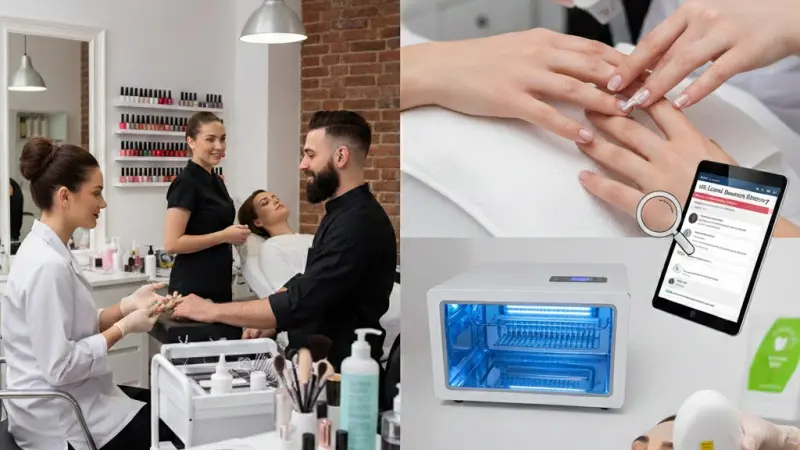
The beauty and personal care sector in the United Kingdom is not merely a matter of vanity; it is a cornerstone of the British high street and a significant engine of national economic growth. As we navigate the mid-2020s, the UK beauty industry contributes billions of pounds to the GDP, supporting hundreds of thousands of jobs ranging from self-employed mobile therapists to large-scale luxury franchises. For the average British consumer, a visit to a local salon represents a vital ritual of self-care, mental well-being, and social connection.

In recent years, the definition of a "beauty salon" has expanded exponentially. We are no longer looking at simple storefronts offering haircuts and basic manicures. Today’s landscape includes specialized aesthetic clinics, holistic wellness retreats, and high-tech "tweakment" hubs. This evolution has been driven by a more informed consumer base, influenced by global trends and a burgeoning "wellness" economy. However, with this growth comes a complex web of hygiene standards, licensing requirements, and the necessity for digital transparency.
For businesses operating in this space, visibility is the primary currency. Consumers now rarely walk into a salon without first conducting a digital background check. They rely on a uk business directory to verify locations, read reviews, and compare service menus. This guide serves as a comprehensive roadmap for both the discerning client looking for excellence and the ambitious professional seeking to dominate their local market. We will explore the nuances of treatment types, the non-negotiables of clinical hygiene, and the essential strategies for navigating the modern booking landscape.
The Landscape of Beauty Salons in the UK
The British beauty industry has shown remarkable resilience. Following the unprecedented challenges of the early 2020s, the sector has undergone a profound transformation. Market data indicates that there are over 40,000 hair and beauty businesses across the UK, with a workforce that is predominantly female and increasingly entrepreneurial. While London remains a global hub for high-end aesthetic innovation, regions like the North West and the West Midlands have seen a surge in boutique independent salons that rival the capital in terms of technical skill and customer loyalty.
Post-pandemic, the industry evolved from a "maintenance" model to a "wellness" model. Consumers began prioritizing treatments that offered therapeutic benefits alongside aesthetic ones. This shift led to the rise of multi-disciplinary spaces where one might receive a clinical-grade facial followed by a guided meditation or nutritional consultation. Furthermore, the "Zoom effect"—the increased self-consciousness resulting from video conferencing—fuelled a massive spike in demand for skincare and non-surgical facial aesthetics.
In this crowded marketplace, the ease with which a consumer can find local businesses uk has become the determining factor for success. Small, independent salons that previously relied on word-of-mouth have had to professionalize their digital footprint. The digital "front door" of a business is now just as important as the physical one. We see a trend where salons are integrating augmented reality (AR) for virtual consultations and AI-driven booking systems to manage high demand. This professionalization has helped the industry shed its "lifestyle business" image, positioning it instead as a sophisticated branch of the UK’s retail and service economy.
Comprehensive Services Breakdown
The diversity of treatments available in the UK today is staggering. To understand the sector, one must look at the primary categories of service:
1. Advanced Skincare and Aesthetics
This is the fastest-growing segment. It includes traditional facials but is now dominated by "medi-spa" treatments such as chemical peels, microneedling, and LED light therapy. Practitioners in this niche must bridge the gap between beauty and medicine, often requiring specific certifications from bodies like CIBTAC or CIDESCO.
2. Nail Technology
The UK nail market has moved far beyond the basic French manicure. High-end salons now specialize in BIAB (Builder In A Bottle), intricate hand-painted nail art, and sustainable, non-toxic gel systems. Hygiene in this sector is paramount, specifically regarding the prevention of cross-contamination and the proper use of autoclaves for metal tools.
3. Hair Removal and Brow Artistry
From traditional threading and waxing to permanent solutions like IPL (Intense Pulsed Light) and Laser Hair Removal, this category remains a staple of salon revenue. "Brow architecture"—encompassing lamination, tinting, and microblading—has become a specialized sub-sector in its own right, often necessitating its own dedicated studio space.
4. Holistic and Body Treatments
Massage therapy, lymphatic drainage, and aromatherapy are increasingly sought after as antidotes to modern stress. Consumers are looking for practitioners who understand the physiological impact of these treatments.
To ensure these diverse services are accessible to the public, many providers utilize a business listing uk to highlight their specific specialties. By categorizing their services accurately, salons can attract a niche audience—for example, those specifically seeking
"vegan-friendly lash lifts" or "male-specialist grooming." This level of detail in service breakdown not only helps the consumer but also boosts the salon's SEO, ensuring they appear in highly specific local searches.
How to Choose the Right Service Provider
For the consumer, the sheer volume of choice can be overwhelming. Choosing a salon should involve more than just looking at the price list. In the UK, the industry is partially self-regulated, which means the onus is often on the client to verify the quality of a provider.
Accreditations and Training
Always look for evidence of formal training. Reputable therapists will proudly display their certificates from recognized awarding bodies. Furthermore, membership in professional organizations like the British Association of Beauty Therapy and Cosmetology (BABTAC) or the Federation of Holistic Therapists (FHT) provides an extra layer of reassurance.
Insurance and Hygiene
A professional salon must hold public liability insurance. Regarding hygiene, the UK has strict "Treatments of Beauty" regulations. Tools should be single-use or medically sterilized. Look for a clean, organized environment; if the "front of house" is cluttered, it’s a red flag for the "back of house" hygiene standards.
Reputation and Reviews
Digital reputation is everything. Savvy consumers check local business listings uk to read authentic client feedback. A high volume of positive reviews over a long period is usually a reliable indicator of consistency. Look for responses to negative reviews as well; a professional salon will address concerns gracefully and seek a resolution.
Local Reputation
Sometimes, the best salons are hidden gems. Using a verified directory allows you to find those high-rated establishments that might not have a massive social media presence but possess a loyal, local following for their expertise and reliability.
Industry Challenges & Future Outlook
The UK beauty industry faces several headwinds, primarily concerning regulation and sustainability. Unlike the medical profession, many aesthetic treatments (like fillers and Botox) have historically lacked stringent oversight. However, we are seeing a significant move toward a licensing scheme for non-surgical cosmetic procedures in England. This regulatory shift is welcomed by many as it will raise the floor of professional standards and protect consumers from "cowboy" practitioners.
Sustainability is the other major shift. The "Green Salon" movement is gaining momentum, with businesses looking to reduce plastic waste, use biodegradable towels, and stock "clean" beauty brands that are cruelty-free and ethically sourced. Energy costs have also forced salons to rethink their operational efficiency, leading to the adoption of smart lighting and water-saving technologies.
Technology continues to disrupt the niche. We are seeing the rise of "On-Demand" beauty—mobile apps that send therapists directly to a client’s home. While this offers convenience, the traditional salon environment still holds value for its specialized equipment and "escape" factor. To stay relevant, brick-and-mortar salons are increasingly using a business listing uk to market their unique in-house experiences that cannot be replicated at home, such as advanced laser machines or hydrotherapy baths. The future belongs to those who can blend high-tech efficiency with high-touch human connection.
Business Tips for Beauty Salons Professionals
If you are a salon owner or a freelance therapist, your technical skill is only half the battle. To thrive in the UK’s competitive landscape, you must master local marketing.
1. Optimize Your Digital Visibility
Your business needs to be where your customers are searching. This means ensuring your name, address, and phone number (NAP) are consistent across the web. Registering on a uk service listings platform is an essential first step. It provides a backlink to your website and puts you in front of people who are actively looking to book.
2. Social Media is Your Portfolio
Instagram and TikTok are the visual showrooms for the beauty industry. Post high-quality "before and after" photos (with client
consent), share educational content about skincare, and show the "behind the scenes" of your hygiene practices.
3. Loyalty and Retention
It is significantly cheaper to keep an existing client than to find a new one. Implement a loyalty program, but make it digital. Use email marketing to send personalized birthday offers or reminders for "top-up" treatments.
4. Local SEO and Directories
When someone searches for "best facial near me," Google looks for signals of trust. A profile on a reputable uk local business directory acts as a powerful signal of your legitimacy and local relevance. Don't just list your business; optimize your profile with a detailed description of your unique selling points (USPs).
Wrapping Up & Local Page Integration
The beauty salon industry in the UK is a vibrant, evolving, and essential part of our social and economic fabric. From the meticulous hygiene standards that protect public health to the innovative treatments that boost self-esteem, the sector continues to set global benchmarks for excellence. Whether you are a consumer seeking a reliable practitioner or a professional looking to grow your brand, the key to success lies in connection and transparency.
In the digital age, being "invisible" is the greatest risk a business can take. For UK service providers, there is no better way to establish a presence than by joining a trusted network. Local Page UK serves as the premier bridge between high-quality British businesses and the local communities they serve. By providing a platform where excellence is visible and verified, it empowers the UK beauty sector to reach new heights of professional success.
Boost Your Visibility with Local Page UK
In the competitive world of beauty and wellness, your reputation is your most valuable asset. But a reputation only matters if people can find you. At Local Page UK, we specialize in helping local businesses stand out in a crowded digital landscape. By joining our directory, you gain access to a platform designed to showcase your expertise to your local community.
Don't let your salon be the "best-kept secret" in town. Take control of your online presence and ensure that when customers are looking for quality treatments, your name is at the top of the list. Claim your business listing uk today and start reaching the customers who are searching for you right now.
FAQs
1. What are the legal requirements for opening a beauty salon in the UK?
Opening a beauty salon requires several legal steps. Firstly, you must choose a legal structure (sole trader, partnership, or limited company) and register with HMRC. You will likely need a "massage and special treatment" license from your local council, though requirements vary by borough. Insurance is non-negotiable; you need public liability insurance and, if you have employees, employers' liability insurance. You must also comply with the Health and Safety at Work Act and COSHH (Control of Substances Hazardous to Health) regulations for storing chemicals.
2. How can I verify if a beauty therapist is properly qualified?
You should ask to see their certificates from recognized awarding bodies such as NVQ, VTCT, BTEC, or CIDESCO. Most reputable therapists will display these on their walls. Additionally, check if they are members of professional bodies like BABTAC or the FHT.
These organizations require proof of qualification for membership. You can also check for their business on verified platforms to see if they have been vetted by local authorities or industry directories.
3. What hygiene standards should I expect in a professional UK salon?
You should expect a clinical level of cleanliness. This includes the use of fresh towels for every client, therapists washing their hands between appointments, and the use of gloves for invasive treatments. Metal tools should be sterilized in an autoclave or high-level disinfectant. Single-use items (like nail files or wax spatulas) should be disposed of immediately. If a salon looks cluttered or dusty, it is a sign that hygiene protocols may not be strictly followed.
4. What is the difference between a beauty salon and a medi-spa?
A traditional beauty salon focuses on maintenance and relaxation treatments like waxing, manicures, and basic facials. A medi-spa (medical spa) offers more advanced, "clinical" treatments that often affect the deeper layers of the skin, such as laser therapy, chemical peels, and injectables. Medi-spas are often overseen by a medical professional and require more specialized equipment and advanced therapist training compared to a standard high-street salon.
5. Why is it important for a salon to be listed in a local business directory?
For a salon, being listed in a directory like Localpage is crucial for local SEO. When potential clients search for services in their area, Google uses directory data to determine which businesses are legitimate and relevant. A listing provides a verified backlink, improves your "near me" search ranking, and gives clients a central place to find your contact details and reviews. It builds trust before the client even steps through your door.
6. Do I need a patch test for all beauty treatments?
Not all, but many. Treatments involving chemicals or dyes—such as lash tinting, brow lamination, hair coloring, and certain high-strength chemical peels—require a patch test at least 24 to 48 hours before the service. This is to ensure you do not have an allergic reaction. Professional salons will insist on this for insurance purposes and your safety; if a salon offers to skip a patch test, they are acting unprofessionally.
7. How often should I get a professional facial for best results?
Most skin experts recommend a professional facial every 4 to 6 weeks. This timeline aligns with the natural skin cell turnover cycle, which is roughly 28 to 30 days. Regular treatments help address deep-seated issues like congestion, dehydration, or pigmentation that home skincare cannot fully resolve. However, your therapist will provide a bespoke plan based on your specific skin type and goals.
8. What are the most popular beauty treatments in the UK right now?
Currently, BIAB (Builder in a Bottle) nails, brow lamination, and "skin-booster" injectables like Profhilo are seeing massive demand. There is also a significant trend toward "hybrid" treatments that combine technology with traditional methods, such as HydraFacials. Sustainable and vegan beauty treatments also continue to grow in popularity as consumers become more conscious of the ethical footprint of their self-care routines.
9. Can I get beauty treatments while pregnant?
Many treatments are perfectly safe, but some must be avoided. For example, treatments involving harsh chemicals, high-intensity heat (like saunas), or certain essential oils should be avoided. Always inform your therapist if you are pregnant, as they can adapt treatments using "pregnancy-safe" products and ensure you are positioned comfortably. Most salons have specific "pre-natal" packages designed specifically for expecting mothers.
10. How much should I expect to tip at a UK beauty salon?
Tipping in the UK is appreciated but not mandatory. If you are particularly happy with the service, a tip of 10% to 15% is standard. Some clients prefer to tip a flat amount, such as £5 or £10, depending on the length and complexity of the treatment. Many modern booking systems allow you to add a tip digitally, or you can leave cash for your therapist directly.
11. What should I do if I am unhappy with a beauty treatment?
The first step is to speak up immediately. If you notice an issue while still at the salon, tell the therapist or the manager. Most professional establishments will want to rectify the situation, whether by fixing the issue or offering a refund/credit. if the issue arises later (like an allergic reaction), contact them immediately with photos. Reputable salons have procedures for handling complaints and will work to maintain their local reputation.
12. Are male beauty treatments becoming more common in the UK?
Yes, the "male grooming" sector is one of the fastest-growing areas of the industry. Treatments like "man-icures," back waxing, and specialized male facials are now standard on most salon menus. Many salons have rebranded to be more gender-neutral or offer "men's nights" to create a more comfortable environment for male clients who may have previously felt out of place in a traditionally female-dominated space.
13. How does the weather in the UK affect my skincare needs?
The UK’s damp, cold winters and fluctuating summers require an adaptable skincare routine. In winter, clients often need "barrier-repair" treatments to combat central heating and windburn. In summer, despite the clouds, SPF and antioxidant treatments are vital. Professional therapists in the UK are trained to adjust their recommendations based on the season to ensure your skin remains balanced year-round.
14. What is the "Green Salon Collective" and why does it matter?
The Green Salon Collective is an organization that helps UK salons recycle waste that was previously un-recyclable, such as hair clippings (used to soak up oil spills) and leftover hair dye chemicals.
Salons that are members of this collective are committed to reducing their environmental impact. Choosing a "Green" salon is a great way for consumers to ensure their beauty routine doesn't come at a cost to the planet.
15. How do I find the top-rated salons in my specific town?
The most efficient way to find the best local providers is to use a dedicated Local page search. Unlike a general search engine, a specialized directory allows you to filter by specific services, read verified local reviews, and see clear contact information. This ensures you are looking at businesses that are active, reputable, and genuinely located within your community, rather than national chains with no local soul.

Disclaimer: The information provided in this article is for general informational and research purposes only. Company details, features, services, and market positions may change over time. Readers are advised to visit official company websites and conduct independent research before making any business decisions or purchasing services.
Most Searchable Keywords

Recent Blogs


Related Listings

Categories
- Accountants (295)
- Advertising Agencies (559)
- Architects (149)
- Automobiles (377)
- Beauty (300)
- Carpenters (146)
- Cleaning Services (386)
- Dentists (189)
- Driving (62)
- Electricians (215)
- Energy (8)
- Event Organiser (685)
- Finance (599)
- Guide (3365)
- Health (2207)
- Information technology (206)
- Legal Services (353)
- Logistics (6)
- Maintenance (65)
- Manufacturing (35)

Sponsored Listings in Locksmith Services

Related Blogs

Gen Z Political Reporters and News Creators i...
Read this insightful article "Gen Z Political Reporters and News Creators in the UK" to expand your knowledge!

Famous Female Social Media Influencers Across...
Read this insightful article "Famous Female Social Media Influencers Across the UK" to expand your knowledge!

Your UK Sponsor Licence 2026 Step by Step Gui...
Read this insightful article "Your UK Sponsor Licence 2026 Step by Step Guide" to expand your knowledge!
Questions & Answers – Find What
You Need, Instantly!
How can I update my business listing?
Is it free to manage my business listing?
How long does it take for my updates to reflect?
Why is it important to keep my listing updated?
