
Beauty Schools UK: Courses, Certifications & Career Development Guide
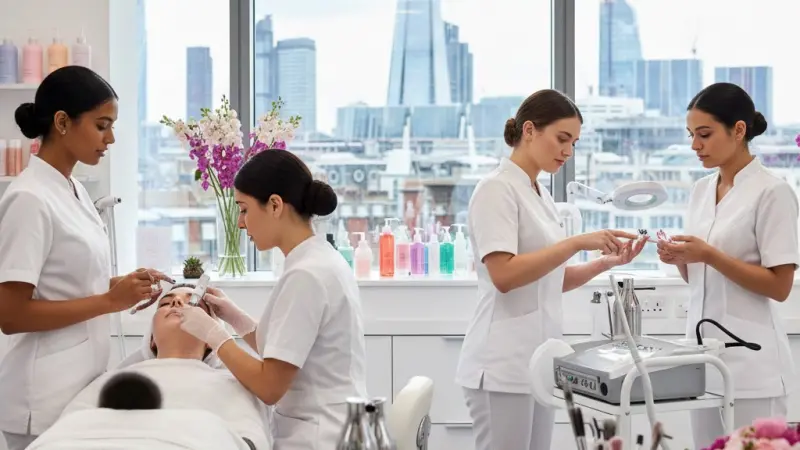
The beauty industry in the United Kingdom is not merely a collection of salons and spas; it is a multi-billion pound economic engine that underpins the British high street and serves as a vital pillar of the nation’s service economy. Beauty schools across the UK act as the foundational bedrock of this sector, transforming raw passion into professional expertise. As we navigate the mid-2020s, the importance of vocational training in personal care has never been more pronounced. From the bustling metropolitan hubs of London and Manchester to rural boutique academies, these institutions are responsible for maintaining the high standards of safety, hygiene, and aesthetic excellence that British consumers have come to expect.
Economically, the beauty sector contributes significantly to the UK’s GDP, often outperforming other retail segments during periods of economic fluctuation—a phenomenon often referred to as the "lipstick effect." However, the modern beauty professional requires far more than just artistic flair. Today’s beauty schools must teach complex anatomy, chemistry, business management, and digital literacy. For aspiring therapists and technicians, choosing the right training path is the first step toward a recession-proof career. Whether you are looking to enter the industry or are a seasoned professional seeking to diversify your skills, understanding the landscape of training providers is essential. This is where a comprehensive uk business directory website becomes invaluable, allowing prospective students to map out the best educational facilities in their vicinity.
The UK government has also increasingly recognised the value of these schools through updated apprenticeship standards and funding initiatives. As the industry moves toward tighter regulation, particularly in aesthetics and non-surgical procedures, the role of accredited beauty schools has shifted from "optional" to "mandatory" for those seeking professional indemnity insurance. In this guide, we will explore the intricate layers of the UK beauty education sector, providing a roadmap for students and a strategic overview for business owners looking to dominate their local market.
The Landscape of Beauty Schools in the UK
The current landscape of beauty education in the UK is characterized by a high degree of diversity and rapid adaptation. Following the seismic shifts of the pandemic, the industry underwent a "digital renaissance." While practical, hands-on training remains the gold standard, many academies now offer blended learning models that combine theoretical online modules with intensive physical workshops. This evolution has made beauty education more accessible to career-changers and those balancing existing family or work commitments. Currently, the UK market features a mix of large-scale FE (Further Education) colleges and private international academies, each catering to different career aspirations.
Key regions of activity remain concentrated in major urban centers, but there has been a noticeable "decentralisation" of talent. While London remains the hub for high-fashion makeup and advanced aesthetics, regions like the West Midlands and the North West have seen a surge in specialized "micro-academies" focusing on niche skills like semi-permanent makeup (SPMU) and advanced nail technology. This geographic spread means that for consumers and students alike, using a uk local business directory is the most efficient way to identify high-quality training providers that are geographically accessible.
The post-pandemic recovery saw a 20% increase in interest for "wellness-focused" courses, as the public’s perception of beauty shifted toward holistic health. Beauty schools have responded by integrating mindfulness, lymphatic drainage, and nutritional advice into their traditional curricula. Furthermore, the rise of the "solopreneur"—the freelance beauty professional—has led to a greater demand for business-centric training. Modern schools are no longer just teaching how to apply a facial; they are teaching how to build a brand, manage a booking system, and handle tax returns. This holistic approach ensures that the thousands of graduates entering the workforce each year are not just technicians, but viable small business owners in their own right.
Comprehensive Services Breakdown
Beauty schools in the UK offer a staggering array of courses, ranging from entry-level Level 2 diplomas to advanced Level 7 aesthetics qualifications. To understand the sector, one must look at the specific service categories that dominate the curriculum.
1. Holistic and Spa Therapies
This remains the heart of many traditional beauty schools. Courses cover body massage, aromatherapy, reflexology, and Indian head massage. These certifications are often governed by bodies like CIBTAC or CIDESCO, which are recognized globally. For those looking to open a spa, finding a business listing uk can help in identifying accredited partners for staff training.
2. Advanced Skin Care and Aesthetics
With the "tweakment" trend exploding, schools have pivoted toward advanced skin protocols. This includes chemical peels, microneedling, dermaplaning, and LED light therapy. Level 4 and 5 qualifications in these areas are highly sought after, as they allow therapists to command higher hourly rates.
3. Nail Technology and Artistry
Nail schools are perhaps the most prolific in the UK. From basic manicures to complex acrylic sculpting and 3D gel art, this niche moves at the speed of social media.
Schools now frequently partner with major brands to provide "brand-certified" training, ensuring students are proficient with the specific products they will use in the salon.
4. Makeup and Hair Artistry
Bridal, editorial, and SFX (Special Effects) makeup training are staples of the industry. Many schools now offer dedicated bridal business modules, recognizing that the UK wedding industry is a primary revenue stream for independent artists.
5. Eyebrow and Eyelash Specialisms
The "brow bar" phenomenon has led to specialized courses in HD Brows, lamination, and Russian volume lashes. These are often short, intensive courses that allow professionals to quickly add new services to their price lists. By listing these specific skills on a business listing uk, graduates can attract local clients looking for specific, high-end treatments.
How to Choose the Right Service Provider
For a consumer or a prospective student, the sheer volume of beauty schools can be overwhelming. Selecting the wrong provider can result in unrecognized qualifications or, worse, inadequate safety training. The first step is checking for accreditations. In the UK, you should look for schools affiliated with Ofqual-regulated awarding bodies such as VTCT, City & Guilds, or iTEC. These ensure that the training meets national occupational standards.
Secondly, insurance is a non-negotiable factor. A reputable school should provide insurance for their students during the training period and guide them on how to obtain professional indemnity insurance upon graduation. Reviews and testimonials are also vital. In the digital age, a school's local reputation is often reflected in its online presence. Searching for uk verified business listings can provide a clear view of a provider’s standing within the professional community.
Facilities and equipment are the third pillar of selection. Does the school use modern, industry-standard machinery? Is the environment hygienic? Prospective students should always request a tour of the site before committing. Finally, consider the local reputation. A school that has deep ties with local salons and spas will often have better job placement rates. By consulting a uk local business search, you can see which schools are highly rated by both former students and local employers, ensuring your investment in education leads to a viable career path.
Industry Challenges & Future Outlook
The beauty school sector is currently facing a period of intense regulatory scrutiny. One of the primary challenges is the impending licensing scheme for non-surgical cosmetic procedures in England. This will likely mandate higher levels of training for procedures like fillers and Botox, putting the onus on beauty schools to upgrade their curricula and facilities to meet medical-grade standards. For the smaller academies, this regulatory shift could prove costly, requiring them to seek out a business listing uk to improve their visibility and attract enough students to cover increased overheads.
Sustainability is another significant shift. The "Green Beauty" movement is no longer a niche; it is a requirement. Beauty schools are now teaching "waste-less" techniques, the chemistry of vegan products, and how to run an eco-friendly salon. From biodegradable glitter to refillable professional kits, the next generation of therapists is being trained with a "planet-first" mindset.
Technology is also redefining the classroom. Virtual Reality (VR) is beginning to be used for anatomy training, allowing students to "see" beneath the skin layers without the need for physical models. Augmented Reality (AR) apps are helping makeup students visualize different looks on various face shapes instantly. To stay competitive, beauty schools must embrace these tools while maintaining the tactile sensitivity that beauty treatments require. Professionals in this space often find that appearing in a business listing uk helps them stay connected with tech-savvy students who are looking for the most modern training experiences available.
Business Tips for Beauty Schools Professionals
For those running a beauty school or a local salon, marketing is no longer just about a flyer in a shop window. In the UK’s competitive market, digital visibility is the difference between a fully booked course and an empty classroom. Local SEO (Search Engine Optimization) is critical. Ensure your business is listed on every relevant uk local trades directory to ensure you appear when local customers search for "beauty training near me."
Content marketing is equally vital. Share transformation videos of your students' work, host "Live Q&A" sessions about career paths, and blog about the latest industry trends.
This builds authority. Furthermore, networking with other local businesses can create a referral ecosystem. A nail school and a hair academy in the same town should be partners, not just competitors.
One of the most effective ways to boost your school's credibility is to encourage graduates to leave reviews on professional platforms. When a potential student sees your school appearing on uk professional services listings with high ratings, their trust in your institution grows. Consistent branding across all platforms—from your website to your social media and your directory profiles—creates a professional image that attracts high-caliber students and clients alike.
Wrapping Up & Local Page Integration
The UK beauty school industry is a vibrant, evolving, and essential part of the national economy. It offers a path to financial independence for thousands and provides a vital service that enhances the well-being of the public. As the industry moves toward a more regulated, sustainable, and tech-driven future, the need for clear, accessible information has never been higher.
For beauty school owners, individual therapists, and students, the key to success lies in connection. In a crowded marketplace, being visible to your local community is paramount. This is where Local Page steps in as the premier solution. As a leading uk online business directory, it bridges the gap between expert service providers and the customers who need them. Whether you are searching for the best training academy or looking to promote your own salon's services, having a presence on a trusted platform ensures you remain at the forefront of the industry. By leveraging the power of local search and verified listings, you can ensure that your beauty business doesn't just survive but thrives in the modern British economy.
Boost Your Visibility with Local Page UK
In the fast-paced beauty sector, your digital footprint is your resume. If clients or students can’t find you online, you essentially don’t exist to them. Local Page UK offers a robust platform designed specifically to highlight the best of British business. We encourage all beauty professionals and school administrators to claim their business listing uk today. By doing so, you tap into a network of local consumers actively searching for your expertise, ensuring your skills receive the recognition and the revenue they deserve.
FAQs
1. What are the most recognized beauty qualifications in the UK?
The most recognized qualifications are those regulated by Ofqual and awarded by bodies such as VTCT (Vocational Training Charitable Trust), iTEC, and City & Guilds. These certifications are categorized into levels (Level 2 to Level 7). Level 2 and 3 are standard for salon work, while Levels 4 and above are for advanced aesthetics. Many employers also value international diplomas like CIBTAC or CIDESCO.
2. Can I start a beauty career without going to a dedicated school?
While some entry-level positions like "salon assistant" don't strictly require a diploma, you cannot perform treatments on clients or obtain professional insurance without a recognized qualification. Beauty schools provide the structured learning and safety knowledge required to protect both you and your clients. Attempting to practice without training is highly risky and legally discouraged in the UK.
3. How long does it typically take to complete a beauty course?
The duration depends on the intensity and level of the course. A Level 2 Beauty Therapy diploma can take 6 months to a year on a part-time basis, or 3-4 months intensively. Short specialized courses, like lash extensions or brow lamination, usually last 1 to 3 days but require pre-existing basic beauty qualifications.
4. What is the difference between private beauty schools and FE colleges?
FE (Further Education) colleges are often government-funded and follow a traditional academic year, making them more affordable but slower-paced.
Private beauty schools are generally more expensive but offer smaller class sizes, intensive fast-track options, and often use higher-end commercial products and the latest technology.
5. How can I find the best-rated beauty schools in my local area?
The most effective way is to use a dedicated search platform. By checking Localpage, you can filter results to find highly-rated educational providers near you, read authentic reviews, and verify their contact details and business hours easily.
6. Are online beauty courses valid for professional use in the UK?
Only if they include a practical assessment. Purely theoretical online courses are excellent for CPD (Continuing Professional Development) but are usually not sufficient for initial licensing or insurance. Look for "blended learning" courses where the theory is online, but the practical work is assessed in person by a qualified tutor.
7. What insurance do I need as a student or a new graduate?
As a student, the school usually provides "Student Indemnity Insurance." Once you graduate and start treating the public, you need "Professional Indemnity and Public Liability Insurance." This protects you against claims of malpractice or accidental injury to a client on your premises.
8. Is the UK beauty industry becoming more regulated?
Yes, significantly. The UK government is currently working on a licensing scheme for non-surgical cosmetic procedures. This means that treatments like fillers, which were previously unregulated, will soon require specific higher-level qualifications and strict premises licensing to ensure public safety.
9. Can I specialize in just one area, like nails or lashes?
Absolutely. Many professionals choose to become "niche specialists." You can take specific "Nail Technician" or "Lash Technician" pathways. However, having a broader Level 2 or 3 Beauty Therapy qualification often makes you more employable and provides a better understanding of skin physiology.
10. What is the average cost of beauty training in the UK?
Costs vary widely. A short 1-day course might cost between £150 and £300. A full Level 3 Diploma at a private academy can range from £2,000 to £5,000. It is important to check if the price includes your "kit" (the tools and products you need to practice).
11. Do beauty schools help with job placements after graduation?
Many reputable private schools have strong links with local spas and salons and offer "job placement assistance." Some even have their own recruitment agencies. However, this is not guaranteed, and students are encouraged to build their own professional network during their studies.
12. What are "Level 4" and "Level 5" qualifications?
These are "Advanced Aesthetics" levels. They cover more invasive treatments like laser hair removal, skin peeling, and microneedling. These levels are increasingly becoming the standard for therapists who want to work in "medispa" environments alongside medical professionals.
13. Is there an age limit for enrolling in beauty school?
There is no upper age limit. The beauty industry is very popular for "career changers" in their 30s, 40s, and 50s. Most schools only require you to be at least 16 years old to begin Level 2 training due to insurance and health and safety regulations.
14. How can a beauty school business improve its enrollment numbers?
Visibility is key. Beyond social media, appearing in professional directories and maintaining a strong local SEO presence is vital.
Ensuring your business information is accurate on platforms that list local services will help prospective students find you during their research phase.
15. Why should I list my beauty business on a directory?
Listing your business on Local page increases your digital authority and makes it easier for clients to find your contact information. It provides a backlink to your website, improves your Google search ranking, and allows you to showcase your certifications to a wider audience.
Disclaimer: The information provided in this article is for general informational and research purposes only. Company details, features, services, and market positions may change over time. Readers are advised to visit official company websites and conduct independent research before making any business decisions or purchasing services.
Most Searchable Keywords
Recent Blogs


Related Listings

Categories
- Accountants (295)
- Advertising Agencies (559)
- Architects (149)
- Automobiles (377)
- Beauty (300)
- Carpenters (146)
- Cleaning Services (387)
- Dentists (189)
- Driving (62)
- Electricians (215)
- Energy (8)
- Event Organiser (686)
- Finance (602)
- Guide (3375)
- Health (2207)
- Information technology (206)
- Legal Services (354)
- Logistics (6)
- Maintenance (65)
- Manufacturing (35)
Sponsored Listings in Entertainment Services

Related Blogs

UK Actresses Rich List 2026 Meet the Highest...
Read this insightful article "UK Actresses Rich List 2026 Meet the Highest Earning Stars" to expand your knowledge!

BBC Radio 2 Presenters Family Age and Net Wor...
Read this insightful article "BBC Radio 2 Presenters Family Age and Net Worth Guide" to expand your knowledge!

Step-by-Step Guide to Claiming a TV Licence D...
Read this insightful article "Step-by-Step Guide to Claiming a TV Licence Discount or Exemption" to expand your knowledge!
Questions & Answers – Find What
You Need, Instantly!
How can I update my business listing?
Is it free to manage my business listing?
How long does it take for my updates to reflect?
Why is it important to keep my listing updated?
