
Beekeeping UK: Starter Kits, Hive Management & Honey Production Insights
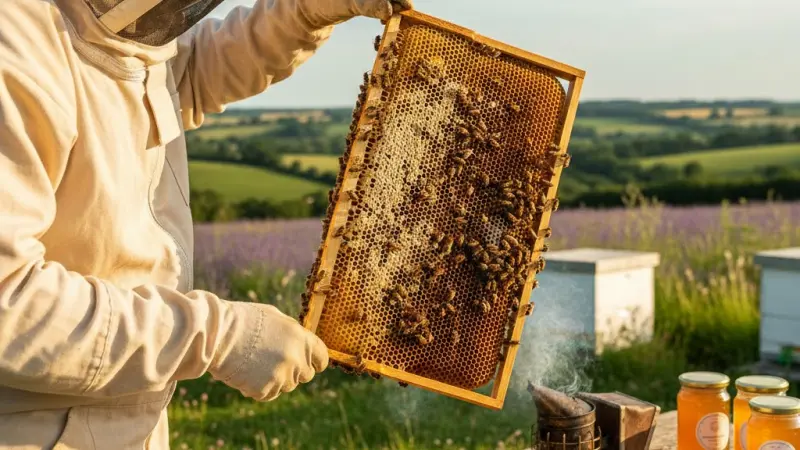
Beekeeping in the United Kingdom is a centuries-old tradition that has evolved from a rustic hobby into a sophisticated agricultural sector with profound economic and ecological importance. Far from being a niche interest, apiculture serves as a critical pillar of the British rural economy, contributing an estimated £600 million annually to the UK’s food production through pollination services alone. While most of the UK’s 40,000+ beekeepers are hobbyists, their collective impact on biodiversity and the sustainability of British farming is immense.

The sector is currently experiencing a renaissance, driven by a growing public consciousness regarding environmental health and food provenance. Managed honey bees (Apis mellifera) are the primary agents of this value, supporting the yields of oilseed rape, orchards, and soft fruits across the country. As consumer demand for high-quality, local British honey continues to outpace domestic supply, the opportunity for new entrants—from backyard enthusiasts to commercial bee farmers—has never been greater. Understanding this landscape requires a deep dive into the modern tools, management techniques, and digital visibility strategies that define the contemporary British apiary.
The Landscape of Beekeeping in the UK
The UK beekeeping market is a dynamic environment that has seen significant shifts over the last decade. Currently, the industry is composed of approximately 274,000 managed colonies. Historically concentrated in southern England due to warmer temperatures and longer foraging seasons, beekeeping activity has expanded significantly into the Midlands, Wales, and Scotland, thanks to hardier bee strains and an increase in urban beekeeping initiatives.
The post-pandemic era has particularly reshaped the industry. During the lockdowns, many Britons turned to self-sufficiency and outdoor hobbies, leading to a 25% surge in new memberships at local beekeeping associations. This "hobbyist boom" has professionalized as many of these newcomers transitioned into small-scale commercial operations. Market data indicates that while the UK produces roughly 7,000 to 8,000 metric tons of honey annually, we still import over 90% of our total consumption. This massive deficit represents a significant growth area for domestic producers who can leverage a uk local business directory to connect with eco-conscious consumers looking for "miles-not-gallons" honey.
Economically, the industry has shifted toward value-added products. Beyond liquid honey, the market for honeycomb, propolis tinctures, and beeswax-based cosmetics is thriving. Regions like the Cotswolds, Norfolk, and the Scottish Heather Moors remain high-activity zones, but urban centers like London and Manchester have become surprising hubs for "rooftop apiaries," proving that beekeeping is no longer confined to the rolling countryside.
Comprehensive Services Breakdown
For those entering the sector, the range of available services and products is extensive, catering to every stage of a beekeeper's journey.
1. Starter Kits and Hardware: A typical starter kit for a UK beginner includes a National or Commercial hive, protective clothing (suit and veil), a smoker, and hive tools. Modern providers now offer "Flow Hives" alongside traditional cedar hives, though the British National hive remains the standard for compatibility.
2. Livestock and Queen Rearing: Purchasing a "nuc" (nucleus colony) is the most common way to start. Specialized breeders focus on producing "Buckfast" or locally adapted "Black Bees" that are suited to the British climate. Professional queen rearing services are essential for maintaining colony health and productivity.
3. Pollination Services: This B2B service is a growing revenue stream for commercial beekeepers. Farmers hire colonies to ensure the pollination of crops, particularly in the top-fruit (apples/pears) and berry sectors. These professional setups often require a business listing uk to reach large-scale agricultural contractors.
4. Educational and Consultancy Services: From "taster days" for beginners to advanced microscopy workshops for disease identification, education is a major sub-sector. Professional bee farmers also offer hive management services for corporate clients or private estates who wish to host bees without the hands-on labor.
How to Choose the Right Service Provider
Navigating the world of apiculture suppliers requires a keen eye for quality and legitimacy.
When selecting a provider for equipment or livestock, consumers should prioritize the following:
Accreditations: Look for members of the British Beekeepers Association (BBKA) or the Bee Farmers' Association (BFA). These organizations set the gold standard for practice and welfare in the UK.
Local Reputation: Beekeeping is intensely local. A supplier who understands the specific forage and weather patterns of your county is invaluable. Checking uk local business search results can help you find vetted suppliers with verified track records.
Insurance: Any professional offering swarm collection or hive management must carry Public Liability Insurance. This protects both the beekeeper and the property owner.
Traceability: Especially for honey sales, ensure the provider adheres to the Honey England and Wales Regulations. This ensures the product is pure and accurately labeled.
Industry Challenges & Future Outlook
The beekeeping sector faces significant headwinds, primarily from the "Yellow-legged Asian Hornet" (Vespa velutina), an invasive predator that threatens to decimate UK colonies. Monitoring and defensive technology are now top priorities for the industry.
Technological Shifts: "Precision Beekeeping" is the new frontier. Smart hives equipped with IoT sensors can now monitor temperature, humidity, and acoustic signals, alerting beekeepers to potential swarming or disease via smartphone apps. This reduction in hive disturbance aligns with modern sustainability goals.
Regulatory Changes: Post-Brexit, the UK has faced new challenges regarding the movement of bees and the labeling of honey. The BBKA is currently pushing for stricter labeling laws to prevent "honey fraud"—where cheap, imported sugar syrups are passed off as pure honey. Furthermore, the UK’s commitment to the National Pollinator Strategy (2021-2024) ensures that "green" subsidies are increasingly available for those who manage land for bee health. Finding these specialized consultants often starts with a business listing uk search to identify accredited environmental advisors.
Business Tips for Beekeeping Professionals
For the small-scale honey producer or equipment supplier, the challenge is rarely the quality of the product, but rather the visibility of the brand.
Digital Presence: Most honey consumers search for "local honey near me." If your business isn't indexed, you are missing out on high-intent local traffic.
Niche Marketing: Focus on the unique floral source of your honey (e.g., Borage, Lime, or Hawthorn).
Use storytelling to highlight the specific fields your bees forage in.
B2B Partnerships: Approach local farm shops, delis, and high-end restaurants. Many chefs are eager to feature hyper-local honey on their menus.
Visibility Strategy: To stand out in a crowded marketplace, ensure your business is listed in a high-authority uk top rated local businesses index. This not only boosts SEO but builds the "trust signal" necessary for premium pricing.
Wrapping Up & Local Page Integration
Beekeeping in the UK is more than a pastoral idyll; it is a vital, tech-forward industry that sits at the intersection of agriculture, conservation, and commerce. As we look toward 2026 and beyond, the success of the sector will depend on the ability of individual beekeepers to blend traditional hive management with modern business practices.
For the aspiring bee farmer or established honey producer, the path to growth lies in connectivity. Whether you are selling starter kits or offering pollination contracts, being discoverable is paramount. Utilizing a comprehensive uk business directory ensures that your expertise reaches the customers who value it most. The UK’s beekeeping community is thriving, and by embracing digital visibility, your business can become a permanent fixture in this essential landscape.
Boost Your Visibility with Local Page UK
In the competitive world of British apiculture, having the best honey or the sturdiest hives isn't enough if customers can't find you. Digital visibility is the lifeline of modern local commerce. For beekeepers, swarm collectors, and equipment suppliers, Local Page UK offers the ultimate platform to bridge the gap between your apiary and your community. We invite all UK beekeeping professionals to business listing uk today. Claim your space in the premier directory for British services and ensure your business stays as busy as a bee.
Frequently Asked Questions
1. What is the best beekeeping starter kit for a UK beginner?
A standard British National Hive kit is highly recommended. It should include the hive boxes (brood chamber and supers), a smoker, a hive tool, and a full protective suit. Opting for cedar wood is a wise long-term investment due to its natural weather resistance in the damp British climate.
2. How much does it cost to start beekeeping in the UK?
Initial setup costs typically range between £500 and £800. This covers the hive, basic tools, protective gear, and the purchase of a nucleus colony (bees). Annual maintenance costs are lower, usually around £100-£150 for treatments and replacement frames.
3. When is the best time of year to start a hive?
The ideal time to start is in the spring (April or May). This allows the bees the entire summer to build up their stores and strengthen the colony before the winter months.
Buying your bees early in the year ensures you have a productive first season.
4. Do I need a license to keep bees in the UK?
No, you do not need a license. However, it is strongly encouraged to register your apiary on BeeBase, the National Bee Unit’s website. This helps the government monitor and control the spread of serious diseases like European Foulbrood.
5. Can I keep bees in a small urban garden or on a rooftop?
Yes, urban beekeeping is very successful in the UK. Bees can thrive in cities due to the variety of garden flowers and parks. However, you must ensure your bees’ flight path doesn't bother neighbors. For local advice, check Localpage for urban beekeeping mentors.
6. How much honey can one hive produce in a year?
An average UK hive can produce between 15kg and 40kg of surplus honey in a good year. This depends heavily on weather conditions and the availability of local forage like oilseed rape, clover, or heather.
7. What are the biggest threats to UK honey bees?
The primary threats are the Varroa mite, habitat loss, and the recent arrival of the invasive Asian Hornet. Beekeepers must stay vigilant, using integrated pest management and reporting any hornet sightings to the authorities immediately.
8. Is British honey better than imported supermarket honey?
Local British honey is often superior because it is "raw" and contains local pollen, which some believe helps with hay fever. Many supermarket honeys are blends from multiple countries and are highly processed, which can strip away natural enzymes.
9. What plants should I grow to help my bees?
Focus on "pollinator-friendly" plants that bloom at different times. Lavender, Borage, Sunflowers, and Crocuses are excellent. Traditional hedgerow plants like Hawthorn and Blackthorn also provide vital early-season nectar.
10. How often do I need to inspect my beehives?
During the active season (April to August), you should inspect your hives once every 7 to 10 days. This is primarily to check for queen cells and prevent swarming. In winter, hives should be left undisturbed to conserve heat.
11. Can beekeeping be a profitable business in the UK?
Yes, especially if you diversify. Selling honey, beeswax candles, and offering "bee experience" days can create multiple revenue streams. Many professional bee farmers also generate significant income from commercial pollination contracts with fruit growers.
12. How do I find a local beekeeping association?
The British Beekeepers Association (BBKA) website has a map of local branches. Joining an association is vital for hands-on training, insurance, and community support during your first few years.
13. What should I do if my bees swarm?
Don't panic; swarming is a natural process. If they land nearby, you can collect them if you have the equipment. Alternatively, contact a local swarm collector. Many collectors list their services on specialized UK trade sites.
14. What is "Honey Fraud" and how can I avoid it?
Honey fraud involves diluting honey with cheap sugar syrups. You can avoid this by buying directly from local beekeepers or
reputable shops that provide clear traceability back to the specific UK apiary where the honey was produced.
15. How can I market my local honey business effectively?
Consistency and visibility are key. Use professional labeling, attend local farmers' markets, and ensure your business is listed in a reputable directory like Local page to help local customers find and trust your brand.

Disclaimer: The information provided in this article is for general informational and research purposes only. Company details, features, services, and market positions may change over time. Readers are advised to visit official company websites and conduct independent research before making any business decisions or purchasing services.
Most Searchable Keywords

Recent Blogs



Related Listings

Categories
- Accountants (295)
- Advertising Agencies (559)
- Architects (149)
- Automobiles (377)
- Beauty (300)
- Carpenters (146)
- Cleaning Services (386)
- Dentists (189)
- Driving (62)
- Electricians (215)
- Energy (8)
- Event Organiser (685)
- Finance (599)
- Guide (3365)
- Health (2207)
- Information technology (206)
- Legal Services (353)
- Logistics (6)
- Maintenance (65)
- Manufacturing (35)

Sponsored Listings in Locksmith Services


Related Blogs

Gen Z Political Reporters and News Creators i...
Read this insightful article "Gen Z Political Reporters and News Creators in the UK" to expand your knowledge!

Famous Female Social Media Influencers Across...
Read this insightful article "Famous Female Social Media Influencers Across the UK" to expand your knowledge!

Your UK Sponsor Licence 2026 Step by Step Gui...
Read this insightful article "Your UK Sponsor Licence 2026 Step by Step Guide" to expand your knowledge!
Questions & Answers – Find What
You Need, Instantly!
How can I update my business listing?
Is it free to manage my business listing?
How long does it take for my updates to reflect?
Why is it important to keep my listing updated?
