
Best Website Builder UK: Create a Professional Site in Minutes
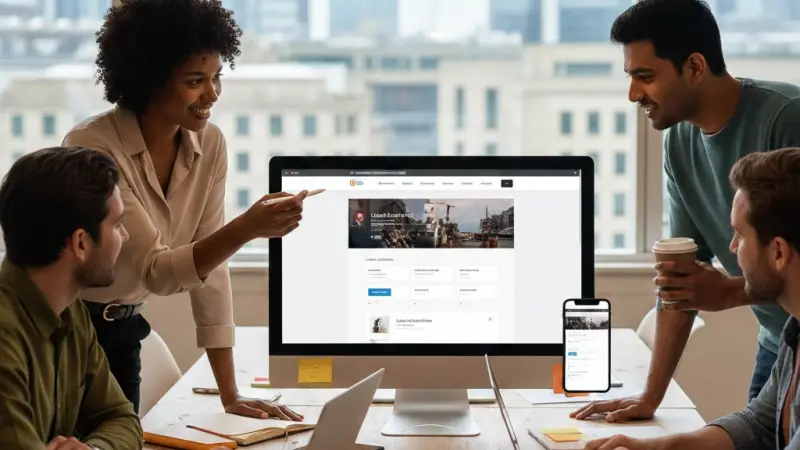
Choosing a website builder in the UK is the most efficient way to establish a professional digital presence without the overhead of a bespoke agency. A website builder is a browser-based tool that allows individuals and small business owners to design, launch, and manage a site using drag-and-drop interfaces and pre-made templates. In the British market, the best platforms offer local payment gateways, UK-based server locations for faster loading speeds, and customer support that operates within GMT hours. To find the right fit, you must evaluate your specific needs—whether that is a simple portfolio, a complex booking system for a service-based business, or a robust online shop. By prioritising ease of use, mobile responsiveness, and transparent pricing in GBP, you can bypass the technical hurdles of coding while maintaining full creative control over your brand’s digital storefront.
For most UK entrepreneurs, the ideal platform balances affordability with scalability. If you are looking for the fastest route to a live URL, prioritise builders with intuitive visual editors. However, if long-term organic growth is your goal, ensure the platform provides deep access to metadata and site structure. The landscape has shifted significantly towards "mobile-first" design, meaning your chosen tool must automatically optimise for smartphones to meet modern consumer expectations across the British Isles.
Evaluating the Digital Landscape for British Entrepreneurs
The UK digital economy is one of the most advanced in the world, necessitating a website that reflects local quality standards. When exploring your options, it is vital to look beyond basic aesthetics. A truly effective website builder for a UK audience must integrate seamlessly with local logistics and financial systems. This includes supporting Royal Mail shipping modules, charging VAT correctly at checkout, and offering popular UK payment methods like Clearpay or Klarna alongside traditional card payments. Furthermore, with the increasing importance of the "Buy Local" movement, your site needs to feel inherently British in its tone and functionality.
Performance remains a non-negotiable factor. If your target audience is based in London, Manchester, or Edinburgh, having your data hosted on servers within or near the UK significantly reduces latency. This speed is a critical factor for both user experience and search engine rankings. As you navigate the plethora of choices, from global giants to niche local providers, focus on how each platform handles the specific nuances of the British market, such as GDPR compliance and UK-specific cookie consent regulations, which are fundamental to operating legally and ethically online today.
Critical Features for Local Business Growth
For a local service provider, the ability to manage appointments is paramount. Your website builder should offer an integrated booking engine that syncs with your digital calendar, allowing clients in your local area to book slots without manual intervention. Beyond bookings, consider the importance of local SEO tools. The platform should allow you to easily embed Google Maps, list your local phone number in a clickable format, and manage schema markup to ensure you appear in local search results when customers look for services "near me."
Essential Integration Capabilities
Your builder must play well with others. This means easy integration with British accounting software like Xero or Sage, ensuring your sales data flows directly into your tax returns. Additionally, social media connectivity should be effortless, allowing you to sync your Instagram feed or link your Facebook Shop directly to your site inventory, creating a unified brand experience across all digital touchpoints used by UK consumers.
Common Pitfalls to Avoid During the Selection Process
Many business owners fall into the trap of choosing a platform based solely on the lowest introductory price. In the UK market, these "entry-level" plans often hide essential features behind higher tiers, such as the ability to use a custom domain or remove the builder’s own branding. This can lead to a site that looks unprofessional and fails to build trust with a discerning British audience. Another frequent mistake is ignoring the long-term cost of "add-ons." While the base subscription might seem cheap, the cumulative cost of monthly fees for essential apps—like email marketing or advanced analytics—can quickly exceed the price of a more comprehensive, all-in-one platform.
Avoid the temptation to over-complicate your design. A common error is choosing a template with heavy animations and large unoptimised images that slow down the mobile experience. Since a vast majority of UK web traffic now originates from mobile devices, a slow site will lead to high bounce rates.
Ensure you test the platform’s mobile editing capabilities before committing. Finally, do not overlook the importance of data ownership. Verify how easy it is to export your content if you ever decide to migrate to a different service provider in the future, as being "locked in" can stifle your business agility.
Understanding the Total Cost of Ownership
When budgeting for your project, look beyond the monthly subscription fee. Factor in the annual cost of your domain name (typically ending in .co.uk or .uk), professional email hosting, and any transaction fees if you are running an online shop. Many builders offer a free domain for the first year, but be sure to check the renewal price, which can often be higher than standard market rates. Understanding these figures in GBP from the outset prevents any unwelcome financial surprises as your business grows.
Domain Authority and Brand Identity
Securing a .co.uk domain is vital for building trust within the UK. It signals to both users and search engines that your business is locally relevant. Ensure your chosen builder allows for easy domain connection and provides SSL certificates as standard. A secure "HTTPS" prefix is now a requirement for consumer confidence and is a key ranking signal that you cannot afford to ignore in the competitive British digital space.
Step by Step Guide to Launching Your Professional Site
Starting your journey requires a clear roadmap to ensure nothing is missed. Begin by defining the primary goal of your site. Once you have a clear objective, sign up for a few free trials to test the user interface. You want a builder that feels intuitive to you; if the backend feels clunky during the trial, it will become a burden as you try to update your content regularly. During this phase, map out your site architecture, deciding on the essential pages such as Home, About Us, Services, and Contact. This planning prevents a cluttered navigation menu later on.
After selecting your platform, choose a template that closely aligns with your brand’s aesthetic. Customise the colour palette and typography to match your existing branding, and upload high-quality images. When writing your copy, keep the British consumer in mind—use UK English spellings and references. Once the design is set, focus on the technical setup: connect your domain, set up your professional email, and install basic analytics to track your visitors. Before hitting publish, perform a rigorous quality assurance check on multiple devices and browsers to ensure the user experience is flawless across the board.
Refining Your Content Strategy for Impact
Content is the heartbeat of your website. Beyond the standard pages, consider starting a blog or a "latest news" section to share your expertise with your UK audience. This not only helps with SEO by providing fresh content for search engines to crawl but also establishes your authority in your industry. Focus on solving your customers' problems and answering their frequently asked questions within your copy. Use clear, concise language and avoid industry jargon that might alienate a potential client or customer.
Optimising Visuals for Speed and Quality
Images should be engaging but lightweight. Use tools to compress your photos before uploading them to your builder. Every millisecond saved in loading time contributes to a better user experience and higher conversion rates. Ensure every image has descriptive "alt text," which helps visually impaired users understand your content and provides additional context to search engines about the nature of your business and its relevance to UK search queries.
Comparing Popular Platforms Available in the British Market
The variety of builders available can be overwhelming, but they generally fall into three categories: all-in-one builders, ecommerce specialists, and design-centric platforms. All-in-one solutions are excellent for most small businesses because they handle hosting, security, and updates automatically. These platforms often feature drag-and-drop editors that require zero technical knowledge, making them a favourite for busy UK entrepreneurs. They provide a reliable foundation with a predictable monthly cost, which is ideal for financial planning and ensuring your site remains online without constant maintenance.
For those focused solely on selling products, ecommerce specialists offer deeper inventory management and more robust shipping integrations. These are designed to handle high volumes of transactions and provide the tools needed to scale a retail brand. On the other end of the spectrum, design-centric platforms offer unparalleled creative freedom for portfolios and boutique brands.
While these may have a steeper learning curve, they allow for unique layouts that stand out in a crowded market. Evaluate where your business sits on this spectrum to narrow down your shortlist effectively and choose a tool that matches your ambition.
The Importance of Local Customer Support
Nothing is more frustrating than encountering a technical issue and having to wait for a support team in a different time zone to wake up. When choosing a builder, check their support hours and available channels. Ideally, look for a provider that offers live chat or phone support during UK business hours. Being able to resolve an issue at 10:00 AM in London rather than waiting until 4:00 PM for a US-based team can save your business time and prevent potential loss of revenue during peak hours.
Security and Compliance for UK Users
Data protection is a serious matter in the UK. Your website builder must be fully compliant with the UK General Data Protection Regulation (UK GDPR). This includes providing tools to create a comprehensive privacy policy, managing cookie consent, and ensuring all customer data is stored and processed securely. Platforms that offer built-in security features, such as firewalls and regular backups, provide peace of mind that your business and your customers' information are well-protected against digital threats.
Mastering Search Engine Optimisation Within Your Builder
A beautiful website is useless if no one can find it. Modern website builders come with a suite of SEO tools designed to help you climb the search results. You should have the ability to edit title tags and meta descriptions for every page, as these are the first things a potential customer sees on Google. Furthermore, look for builders that automatically generate a sitemap and allow for easy redirection of old URLs. These technical features are the building blocks of a successful search strategy in the competitive UK landscape.
Beyond the technical basics, focus on "on-page" SEO. This involves using relevant keywords naturally throughout your headings and body text. Think about what your UK customers are actually typing into search bars. Instead of just "plumber," they might search for "emergency plumber in Bristol" or "best heating engineer UK." By including these specific, localised terms, you increase your chances of appearing in front of a highly motivated audience. Remember that SEO is an ongoing process, not a one-time task; use your builder’s analytics to see what is working and refine your approach over time.
Leveraging Local Authority and Trust
Building trust is essential for converting visitors into customers. Incorporate trust signals such as British trade association logos, customer testimonials from local clients, and clear contact information including a UK physical address if applicable. These elements reassure the visitor that you are a legitimate, reliable entity. Additionally, encouraging your customers to leave reviews on third-party sites like Trustpilot and then displaying those reviews on your website can significantly boost your credibility and influence local purchasing decisions.
Analysing Performance with UK Specific Data
To grow, you must measure. Most top-tier website builders offer built-in analytics that show you where your traffic is coming from, which pages are most popular, and how users are interacting with your site. Pay close attention to data specific to the UK, such as which cities are driving the most traffic.
This information allows you to tailor your marketing efforts and content to the areas where you have the most traction, ensuring your digital investment is delivering a tangible return for your British business.
Future Trends in Web Design for the United Kingdom
The world of web design is constantly evolving, and staying ahead of the curve can give your UK business a significant advantage. One of the most prominent trends is the integration of Artificial Intelligence (AI) directly into website builders. We are seeing tools that can generate initial layouts, suggest copy, and even pick out relevant images based on a few simple prompts. For a time-strapped business owner, these AI features can drastically reduce the time it takes to get a site from concept to launch while maintaining a high standard of professional design.
Another key trend is the move towards "hyper-personalisation." Future website builders will likely offer more ways to show different content to different users based on their location within the UK or their previous browsing history. This creates a more tailored experience that can drive higher engagement. Accessibility is also becoming a major focus, with more tools being integrated to ensure websites are usable by everyone, including those with visual or hearing impairments. By choosing a builder that stays updated with these trends, you ensure your business remains modern, inclusive, and competitive in the long term.
The Rise of Voice and Visual Search
As more people in the UK use smart speakers and mobile assistants, optimizing for voice search is becoming increasingly important. This means using more natural, conversational language in your content and focusing on long-tail keywords that mimic how people speak. Similarly, visual search—where users search using an image rather than text—is on the rise. Ensuring your images are high-quality and well-tagged will help your products or services appear in these visual results, opening up new avenues for discovery by tech-savvy British consumers.
Sustainability in the Digital Space
Environmental consciousness is growing among UK consumers, and this extends to their digital choices. "Green hosting"—using servers powered by renewable energy—is becoming a selling point for website builders. Some platforms are also focusing on "lean" web design, which reduces the amount of data transferred and therefore the energy consumed by each page load. Highlighting your commitment to digital sustainability can resonate strongly with a modern British audience and differentiate your brand as being socially responsible.
FAQ
What is the most cost effective website builder for UK small businesses?
For UK small businesses, the most cost-effective option is typically an all-in-one platform that bundles hosting, security, and a domain name. While "free" plans exist, they often include intrusive branding and lack a professional .co.uk domain. Investing in a basic paid tier (usually between £10 and £20 per month) ensures a credible appearance and provides the essential tools needed to compete in the local market effectively.
Do I need a .co.uk domain for my UK business website?
While not strictly mandatory, a .co.uk or .uk domain is highly recommended for any business targeting customers within the United Kingdom. It instantly establishes local trust, signals your geographical relevance to search engines like Google UK, and is the preferred choice for British consumers. Using a local extension can improve your click-through rates from search results compared to a generic .com address.
How long does it take to build a website using a builder?
The timeframe varies based on complexity, but a simple professional site can be launched in as little as a few days. If you have your copy and images ready, the technical setup and design phase using a drag-and-drop builder is very rapid. However, for a high-quality result that is properly optimised for SEO and mobile users, you should budget approximately one to two weeks for refinement and testing.
Can I switch to a different website builder later on?
Yes, you can switch, but it is not always a "one-click" process. Most builders allow you to export your text and images, but you cannot usually move the actual design or layout to a competitor.
If you decide to migrate, you will likely need to rebuild the visual elements on the new platform. To make future moves easier, always ensure you own your domain name and keep backups of your original content.
Is it hard to manage SEO on a website builder?
No, most modern website builders are designed with SEO in mind and provide user-friendly interfaces for managing your rankings. They offer dedicated sections to update page titles, descriptions, and alt text for images. While they handle the technical "under the hood" SEO automatically, the success of your site depends on you regularly updating your content and using relevant keywords that your UK customers are searching for.
Disclaimer: The information provided in this article is for general informational and research purposes only. Company details, features, services, and market positions may change over time. Readers are advised to visit official company websites and conduct independent research before making any business decisions or purchasing services.
Most Searchable Keywords
Recent Blogs


Related Listings

Categories
- Accountants (295)
- Advertising Agencies (559)
- Architects (149)
- Automobiles (377)
- Beauty (300)
- Carpenters (146)
- Cleaning Services (387)
- Dentists (189)
- Driving (62)
- Electricians (215)
- Energy (8)
- Event Organiser (686)
- Finance (602)
- Guide (3372)
- Health (2207)
- Information technology (206)
- Legal Services (353)
- Logistics (6)
- Maintenance (65)
- Manufacturing (35)
Sponsored Listings in Travel Agencies


Related Blogs

How Much Do UK Actors Really Earn Full Indust...
Read this insightful article "How Much Do UK Actors Really Earn Full Industry Breakdown" to expand your knowledge!

Blue Light Card UK 2026 Check Eligibility and...
Read this insightful article "Blue Light Card UK 2026 Check Eligibility and Claim" to expand your knowledge!

BBC Radio 1 DJs Net Worth Ranking Revealed
Read this insightful article "BBC Radio 1 DJs Net Worth Ranking Revealed" to expand your knowledge!
Questions & Answers – Find What
You Need, Instantly!
How can I update my business listing?
Is it free to manage my business listing?
How long does it take for my updates to reflect?
Why is it important to keep my listing updated?
