
Beyond the Beach: Why Cornwall Holidays are the Ultimate UK Escape
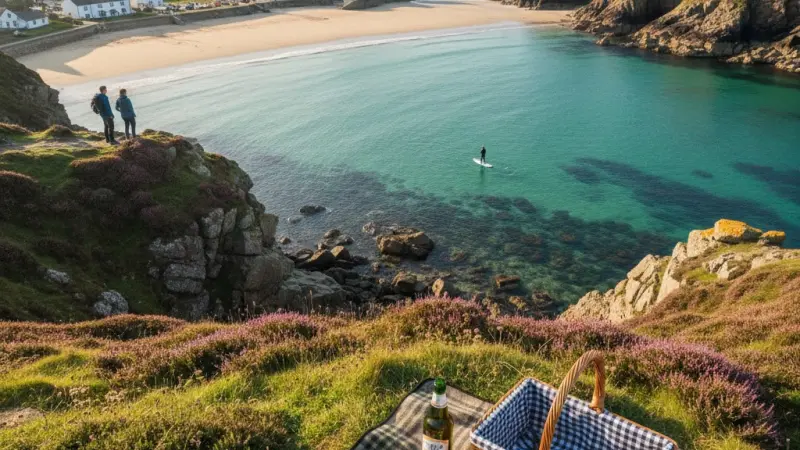
Cornwall holidays offer a unique blend of rugged Atlantic coastline, sub-tropical microclimates, and a rich Celtic heritage that feels worlds apart from the rest of the United Kingdom. Whether you are seeking the world-class surf of Newquay, the refined artistic atmosphere of St Ives, or the tranquil hidden coves of the Roseland Peninsula, Cornwall provides an unmatched variety of experiences for every type of traveller. To answer the query directly: the best Cornwall holidays are defined by a mix of coastal exploration, seasonal local gastronomy, and immersive heritage sites. A typical high-quality visit usually involves staying in a coastal hub like Falmouth or Padstow, allowing for easy access to both the famous sandy beaches and the South West Coast Path. By planning your trip around specific regional highlights—such as the iconic St Michael’s Mount or the botanical wonders of the Eden Project—you can experience a comprehensive slice of what makes this county the UK’s premier staycation choice.
Cornwall is a peninsula located in the extreme south-west of Great Britain, bordered by the Atlantic Ocean to the north and west and the English Channel to the south. It is celebrated for its geological diversity, featuring everything from high granite cliffs to expansive estuaries and lush, wooded valleys. Choosing the right base for your stay is the first step in ensuring a successful holiday, as travel times between the north and south coasts can vary significantly due to the winding nature of rural Cornish lanes.
The Allure of the Cornish Coastline
The Cornish coastline stretches for over three hundred miles, offering a dramatic landscape that has inspired poets, painters, and explorers for centuries. From the jagged granite cliffs of Land’s End to the gentle, turquoise waters of the Lizard Peninsula, the sheer variety of the maritime environment is staggering. For many visitors, the coast is the primary draw, providing a playground for water sports, a sanctuary for rare wildlife, and a spectacular backdrop for hiking. The Atlantic-facing north coast is characterised by its raw power and vast sandy expanses, making it the epicentre of British surfing culture. In contrast, the south coast, often referred to as the 'Cornish Riviera', offers more sheltered bays, deep-water harbours, and ancient oak forests that sweep down to the water’s edge. Understanding this distinction is vital for tailoring your holiday to your specific interests, whether that involves tackling the swell or enjoying a peaceful sail along a quiet creek.
Breathtaking North Coast Beaches
The north coast is home to some of the most famous stretches of sand in Europe. Watergate Bay and Perranporth offer miles of golden dunes, providing ample space even during the height of the summer season. These beaches are not just for sunbathing; they are dynamic environments where the tide significantly changes the landscape twice a day. Families often favour these areas for the abundance of rock pools and the safety of professional lifeguard patrols. The coastal architecture here is rugged, designed to withstand the salt spray and the winter gales, giving towns like Bude and Newquay a sturdy, seafaring character that feels authentic and enduring.
Surfing the Atlantic Swell
Surfing is more than a sport in Cornwall; it is a way of life that dictates the rhythm of the north coast towns. Fistral Beach remains the spiritual home of British surfing, hosting international competitions and offering waves for all abilities. If you are a beginner, numerous schools provide expert tuition and equipment hire. For the more experienced, the many 'secret' reefs and points along the coast offer a challenging and rewarding experience when the conditions align perfectly with the offshore winds.
Exploring Maritime Heritage and Ancient History
Beyond its natural beauty, Cornwall is a land steeped in myth and historical significance. The county’s identity is forged from its industrial past, particularly the tin and copper mining that once made it one of the wealthiest regions in the world. Today, the iconic engine houses perched on cliff edges serve as silent sentinels of this bygone era, forming part of a UNESCO World Heritage site. Furthermore, the legend of King Arthur is inextricably linked to Tintagel, where the ruins of a medieval castle cling to a dramatic headland. Visiting these sites provides a deeper context to your holiday, moving beyond the beach to understand the resilience and ingenuity of the Cornish people. Maritime history is equally prominent, with historic ports like Charlestown offering a glimpse into the age of sail, complete with tall ships and original quay stones. Exploring these locations allows visitors to connect with the centuries of trade, fishing, and smuggling that shaped the local culture.
Iconic Castles and Coastal Fortresses
Cornwall’s strategic position led to the construction of several impressive defensive structures. St Michael’s Mount is perhaps the most famous, a tidal island topped by a medieval priory and castle that can be reached by a granite causeway at low tide. On the mainland, Pendennis and St Mawes Castles represent some of Henry VIII’s finest coastal defences, built to protect the Carrick Roads from continental invasion. These sites offer panoramic views across the estuaries and provide an educational day out for those interested in military history and architectural evolution.
The Legend of Tintagel
Tintagel Castle is a place where history and folklore intertwine. The site is split between the mainland and a towering island, now connected by a stunning modern footbridge. As you wander through the ruins, the connection to Arthurian legend is palpable, with Merlin’s Cave accessible on the beach below during low tide.
The site is managed by English Heritage and requires a fair amount of walking, but the dramatic scenery and the sense of mystery make it an essential stop for any cultural itinerary.
Culinary Excellence and Local Produce
In recent decades, Cornwall has undergone a gastronomic revolution, transforming from a land of simple fare to a world-class culinary destination. The abundance of fresh, local ingredients—from day-boat fish and shellfish to rich dairy cream and orchard fruits—has attracted some of the UK’s most celebrated chefs. Padstow and St Ives have become food hubs, but excellent dining can be found in almost every corner of the county. The traditional Cornish Pasty remains a staple, a portable and delicious meal that reflects the county's mining heritage. However, modern Cornish cuisine often focuses on sustainability and seasonality, with restaurants working closely with local farmers and fishermen to showcase the best of the land and sea. Enjoying a cream tea is another essential experience, though visitors must remember the local tradition: jam first, then clotted cream. From high-end tasting menus to simple fish and chips enjoyed on a harbour wall, the food in Cornwall is a highlight of any trip.
Fresh Seafood from Harbourside to Plate
The proximity to the sea means that the quality of seafood in Cornwall is second to none. Crab, lobster, and sardines (traditionally known as pilchards) are local specialities that appear on menus across the county. In ports like Mevagissey and Newlyn, you can watch the catch being landed before it is whisked away to local kitchens. Many establishments take pride in their 'zero-miles' approach, ensuring that what you eat is as fresh and sustainable as possible. This commitment to quality has helped put Cornwall on the international food map.
The Traditional Cornish Pasty
A true Cornish Pasty must be made within the county to carry the protected name. It traditionally consists of beef, potato, swede (often called turnip in Cornwall), and onion, wrapped in a robust pastry crust. Historically, the thick crimp allowed miners to hold the pasty with dirty hands and discard the edge. Today, you can find various fillings, but the classic recipe remains the gold standard for locals and tourists alike who need a hearty, hand-held meal during a day of exploration.
Essential Outdoor Activities and Adventures
For those who prefer an active holiday, Cornwall is a giant outdoor playground. The South West Coast Path offers hundreds of miles of accessible hiking, with trails ranging from gentle strolls to challenging climbs. Cycling is also popular, particularly on the Camel Trail, a flat, disused railway line that runs from Padstow to Bodmin, making it ideal for families. On the water, kayaking and stand-up paddleboarding have exploded in popularity, offering a quiet way to explore the hidden creeks and sea caves that are inaccessible by land. Adventure seekers might try coasteering—a mix of wild swimming, climbing, and cliff jumping—under the guidance of professional instructors. The county’s gardens, such as the Lost Gardens of Heligan and Trebah, provide a different kind of outdoor experience, where visitors can wander through exotic plantations and valley woods that thrive in the mild climate. Whether you are on two wheels, in a wetsuit, or wearing hiking boots, the opportunities for adventure are endless.
Hiking the South West Coast Path
The Coast Path is the best way to see the county’s most dramatic scenery. Each section has its own character; the stretch around Zennor is notoriously rugged and wild, while the area near Fowey offers steep climbs and stunning estuary views. The paths are well-marked and maintained, but walkers should always check the weather and wear appropriate footwear. Many people choose to walk small sections, using local 'bus and walk' schemes to return to their starting point, allowing for a linear journey without the need for a car.
Cycling the Camel Trail
The Camel Trail is one of the most successful recreational routes in the UK. Spanning 18 miles, it follows the path of the River Camel, providing a mostly level surface that is perfect for cyclists of all ages. Bike hire shops are plentiful in Padstow, Wadebridge, and Bodmin. The trail offers beautiful views of the estuary and the surrounding woodland, with several spots along the way to stop for a snack or a drink, making it a stress-free and scenic day out for the whole family.
The Magic of Cornish Towns and Villages
Every town and village in Cornwall has its own distinct personality. St Ives is world-famous for its light and art scene, housing the Tate St Ives and the Barbara Hepworth Museum. In contrast, Falmouth is a vibrant university town with a strong maritime focus and a bustling high street filled with independent shops. The smaller fishing villages, such as Port Isaac (famous as the filming location for Doc Martin) and Mousehole, offer a more traditional, slower pace of life with narrow streets and picturesque harbours. Visiting these places during the 'shoulder seasons' of spring and autumn can be particularly rewarding, as you can enjoy the atmosphere without the summer crowds. Many villages still celebrate ancient customs, such as the Furry Dance in Helston or Obby Oss in Padstow, providing a fascinating glimpse into the county's living traditions. Exploring these settlements allows you to find hidden galleries, local craft shops, and cosy pubs that are the heart of Cornish community life.
Artistic Heritage in St Ives
St Ives has been a magnet for artists since the late 19th century. The unique quality of the light, combined with the dramatic coastal scenery, led to the formation of an influential art colony. Today, the town is a maze of narrow cobbled streets lined with galleries and studios.
The Tate St Ives, perched overlooking Porthmeor Beach, is the focal point, but the smaller private galleries are equally worth exploring. It is a place where creativity is celebrated, and the influence of the sea is evident in every piece of pottery and painting produced locally.
The Charm of Fishing Villages
Villages like Polperro and Cadgwith seem frozen in time, with whitewashed cottages clinging to the hillsides above tiny harbours. In these communities, the sea is still the primary source of income for many families. Walking through the narrow 'drangs' (alleys) of Polperro, you can almost hear the echoes of the smugglers who once used these coves to hide their contraband. These villages offer a peaceful retreat from the modern world, where the primary sounds are the crying of gulls and the gentle lapping of the tide against the harbour walls.
Planning Your Visit and Avoiding Mistakes
To make the most of your Cornwall holiday, a little planning goes a long way. One of the biggest mistakes visitors make is underestimating travel times; Cornwall is a long county, and the roads can be slow, especially in July and August. It is often better to pick one region to explore thoroughly rather than trying to see the whole county in a week. Booking accommodation and popular restaurants well in advance is essential, as the best spots fill up months ahead of time. Additionally, always be prepared for the 'Cornish mizzle'—a fine, persistent rain that can appear even on sunny days. Packing layers and waterproofs will ensure you can continue your adventures regardless of the weather. Another common error is ignoring the tides; many beaches disappear at high tide, and coastal paths can become dangerous in heavy swell. Checking tide tables and local weather forecasts is a simple step that can save your day and keep you safe.
Sustainable Travel and Respecting the Land
Cornwall is a beautiful but fragile environment. Visitors are encouraged to follow the 'Leave No Trace' principles, ensuring that litter is disposed of correctly and wildlife is not disturbed. Using public transport, such as the scenic branch line trains, can reduce your carbon footprint and save you the hassle of finding parking in crowded coastal towns. Supporting local businesses—from independent shops to farm stalls—ensures that the economic benefits of tourism stay within the Cornish community and help preserve the county’s unique character for future generations.
Safety on the Coast
The sea is powerful and unpredictable. Always swim at lifeguarded beaches and stay within the designated flags. If you are walking the coast path, stay well away from cliff edges, as erosion can make them unstable. Be aware of the 'blowholes' on the north coast, which can spray water high into the air during heavy seas. If you do get into trouble, or see someone else in difficulty, dial 999 and ask for the Coastguard. A little caution ensures that your holiday remains a happy and memorable experience for all the right reasons.
Future Outlook for Cornwall Tourism
The future of tourism in Cornwall is increasingly focused on year-round appeal and environmental sustainability. While summer will always be the peak season, there is a growing movement to promote 'storm watching' in winter and the quiet beauty of the moors in autumn. Initiatives to improve electric vehicle charging infrastructure and enhance public transport links are underway to make the county more accessible and eco-friendly. Furthermore, the rise of digital nomadism means that more people are looking for longer-term stays, combining work with the exceptional lifestyle that Cornwall offers. There is also an increasing emphasis on regenerative tourism—holidays that not only minimise harm but actively contribute to the restoration of local ecosystems and the support of traditional industries. This shift ensures that Cornwall remains a vibrant, living landscape rather than just a seasonal museum. As the county evolves, it continues to balance its modern aspirations with the preservation of the ancient spirit that has made it a beloved destination for generations.
Year Round Destination Appeal
Cornwall is no longer just a summer resort. The winter months offer a different kind of magic, with deserted beaches, roaring fires in village pubs, and the raw beauty of the Atlantic gales. Many of the county’s top attractions, including the Eden Project and the National Maritime Museum, remain open year-round, offering indoor alternatives for rainy days.
Food festivals and Christmas markets have also become major draws, providing a boost to the local economy during the traditional off-peak periods and allowing visitors to experience a more authentic side of Cornish life.
Regenerative Tourism Initiatives
New projects are emerging that allow tourists to participate in conservation efforts, such as beach cleans or tree planting. This 'hands-on' approach to holidaying is becoming increasingly popular with travellers who want to make a positive impact. By choosing eco-certified accommodation and supporting businesses that prioritise the environment, visitors play a crucial role in protecting the very landscapes they come to enjoy. This collaborative effort between locals and tourists is the key to a sustainable future for the Cornish tourism industry.
Practical Steps for Booking Your Trip
When you are ready to book your Cornwall holiday, start by deciding on your primary objective: is it relaxation, adventure, or culture? For a relaxing break, look for boutique hotels or self-catering cottages in the quieter southern estuaries like the Helford River. For adventure, Newquay or Bude are your best bets. For a cultural fix, St Ives or Penzance offer the most in terms of galleries and history. Once you have a location, use reputable local booking agencies who have first-hand knowledge of the properties they represent. Check the proximity to the coast path or the beach, and if you are bringing a dog, verify the local beach restrictions, as some have seasonal bans. Finally, consider your transport; while a car is useful for reaching remote spots, the train journey down the Penzance main line is one of the most scenic in the country and sets a wonderfully relaxed tone for the start of your Cornish adventure.
Choosing the Right Accommodation
Cornwall offers everything from luxury eco-spas and grand Victorian hotels to rustic campsites and glamping pods. If you want a truly local experience, look for a traditional 'bed and breakfast' in a farmhouse or a converted net loft in a fishing village. Self-catering is incredibly popular, providing the flexibility to sample local produce and eat at your own pace. Whatever your budget, the quality of accommodation in Cornwall has risen significantly, with many owners now focusing on high-quality interiors and sustainable practices to meet the expectations of modern travellers.
Navigating Local Transport
While the A30 is the main artery into the county, the smaller B-roads are where you will find the most beauty. However, these can be narrow and bordered by high hedges. If you are not used to rural driving, take it slow and be prepared to reverse into passing places. The 'First Bus' and 'Go Cornwall' networks provide good coverage between major towns, and the 'Atlantic Coaster' open-top bus is a fantastic way to see the north coast in the summer. Embracing a slower pace of travel is all part of the Cornwall holiday experience.
Frequently Asked Questions
When is the best time of year to visit Cornwall?
While summer offers the warmest weather and the most vibrant atmosphere, late spring (May and June) and early autumn (September) are often considered the best times to visit. During these months, the weather is frequently pleasant, the flora is in full bloom or transitioning beautifully, and the major tourist sites are significantly less crowded than during the peak school holiday period of July and August.
Is Cornwall a good destination for a family holiday?
Absolutely. Cornwall is arguably the UK’s top family destination due to its abundance of safe, sandy beaches, outdoor activities, and child-friendly attractions. Places like the Eden Project, Flambards Theme Park, and the various heritage railways provide entertainment for all ages. Many beaches have lifeguard patrols, and the wide range of self-catering accommodation makes it easy for families to manage their own schedules and meals.
Do I need a car to explore Cornwall effectively?
While having a car provides the most flexibility for reaching remote coves and moorland villages, it is possible to explore Cornwall using public transport. The main rail line connects major towns, and branch lines to St Ives, Falmouth, and Looe are exceptionally scenic. A comprehensive bus network covers most coastal areas, and the South West Coast Path allows for extensive exploration on foot for those who enjoy hiking.
What are the must-eat foods during a Cornwall holiday?
No trip is complete without trying a genuine Cornish Pasty and a traditional cream tea (remember: jam first!). Fresh seafood, including Stargazy pie in specific villages or simply grilled mackerel and lobster, is highly recommended.
For those with a sweet tooth, Cornish saffron cake and local clotted cream ice cream are essential treats. The county also produces excellent local ciders, gins, and sparkling wines that pair perfectly with local dishes.
Are dogs allowed on the beaches in Cornwall?
Cornwall is very dog-friendly, but many popular beaches have seasonal restrictions or bans, typically running from July to August or sometimes from Easter to September. However, there are many beaches that remain dog-friendly year-round, such as Mawgan Porth and Perranporth (with some lead restrictions). Always check the local council website or signage at the beach entrance to ensure you are following the current bylaws during your visit.
Disclaimer: The information provided in this article is for general informational and research purposes only. Company details, features, services, and market positions may change over time. Readers are advised to visit official company websites and conduct independent research before making any business decisions or purchasing services.
Most Searchable Keywords
Recent Blogs


Related Listings

Categories
- Accountants (295)
- Advertising Agencies (559)
- Architects (149)
- Automobiles (377)
- Beauty (300)
- Carpenters (146)
- Cleaning Services (387)
- Dentists (189)
- Driving (62)
- Electricians (215)
- Energy (8)
- Event Organiser (686)
- Finance (602)
- Guide (3372)
- Health (2207)
- Information technology (206)
- Legal Services (353)
- Logistics (6)
- Maintenance (65)
- Manufacturing (35)
Sponsored Listings in Travel Agencies


Related Blogs

How Much Do UK Actors Really Earn Full Indust...
Read this insightful article "How Much Do UK Actors Really Earn Full Industry Breakdown" to expand your knowledge!

Blue Light Card UK 2026 Check Eligibility and...
Read this insightful article "Blue Light Card UK 2026 Check Eligibility and Claim" to expand your knowledge!

BBC Radio 1 DJs Net Worth Ranking Revealed
Read this insightful article "BBC Radio 1 DJs Net Worth Ranking Revealed" to expand your knowledge!
Questions & Answers – Find What
You Need, Instantly!
How can I update my business listing?
Is it free to manage my business listing?
How long does it take for my updates to reflect?
Why is it important to keep my listing updated?
