
Biscuit Manufacturers UK: Recipes, Packaging & Wholesale Distribution
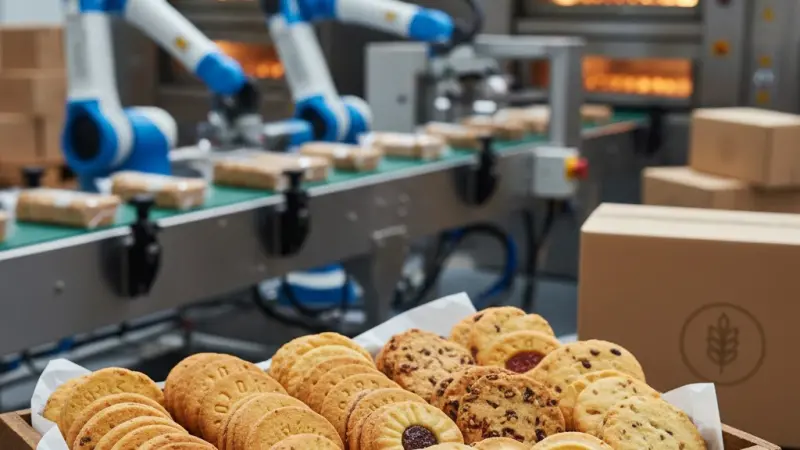
The British biscuit manufacturing sector is far more than just a culinary tradition; it is a cornerstone of the UK’s food and drink industry, contributing billions of pounds to the national economy annually. From the iconic digestive to the sophisticated artisanal shortbread, biscuits are woven into the fabric of British social life. For professionals operating within this niche, understanding the complexities of large-scale production, recipe innovation, and the logistics of wholesale distribution is essential for maintaining a competitive edge.

The UK remains one of the world’s most sophisticated markets for baked goods. Recent data suggests that the average British household consumes more biscuits than almost any other European nation, fostering a resilient environment for both multinational conglomerates and smaller, independent bakeries. This demand has spurred a highly specialised ecosystem of suppliers, ranging from raw ingredient importers to advanced automated packaging firms. For those looking to navigate this landscape, a reliable uk b2b business directory serves as a vital tool for connecting with verified partners.
Economically, the sector supports thousands of jobs across the country, particularly in manufacturing hubs in the North of England and Scotland. As consumer preferences shift toward healthier alternatives—such as low-sugar, high-fibre, and gluten-free options—manufacturers are being forced to innovate at an unprecedented pace. This guide provides a deep dive into the operational excellence required to succeed, the regulatory frameworks governing production, and the strategic importance of visibility in an increasingly digital-first wholesale environment.
The Landscape of Biscuit Mnfrs in the UK
The topography of biscuit manufacturing in the United Kingdom is diverse, spanning from the massive industrial ovens of Carlisle and Blackpool to the boutique bakeries of Cornwall and the Highlands. Post-pandemic, the industry has undergone a significant transformation. While the initial lockdowns saw a surge in "comfort eating" and supermarket sales, the subsequent inflationary pressures on wheat, butter, and energy have forced manufacturers to rethink their efficiency models.
Currently, the UK biscuit market is estimated to be worth over £3 billion. Key regions of activity remain concentrated where historical infrastructure exists. For instance, the "Biscuit Triangle" and similar industrial clusters continue to dominate volume production. However, we have seen a decentralisation of the industry as craft manufacturers leverage direct-to-consumer (DTC) models to bypass traditional retail hurdles. These smaller players often rely on a uk local business directory to find the logistics and packaging partners necessary to scale their operations.
The evolution of the sector has also been marked by a significant shift in consumer demographics. The "Gen Z" and Millennial cohorts are demanding transparency in the supply chain, pushing manufacturers to source sustainable palm oil and British-grown wheat. This has led to a revival in local sourcing, where big brands are increasingly looking to collaborate with smaller, regional specialists to create "limited edition" or "premium" lines that carry a story of local heritage.
Comprehensive Services Breakdown
Success in the biscuit industry is not merely about baking; it is about the integration of several high-level services. Manufacturers must offer a holistic suite of solutions to satisfy the demands of supermarkets, independent cafes, and export markets.
1. Recipe Development and R&D
Modern biscuit manufacturing begins in the laboratory. Contract manufacturers now provide comprehensive R&D services, allowing brands to develop bespoke flavour profiles or reformulate existing products to meet the UK’s "Sugar Tax" guidelines and HFSS (High Fat, Sugar, and Salt) regulations. This includes the integration of ancient grains, protein fortification, and vegan-friendly binding agents.
2. Private Label Manufacturing (White Labelling)
Many of the biscuits found on high-street supermarket shelves are produced by third-party manufacturers. This service allows retailers to offer high-quality products under their own branding. To find reliable partners for these ventures, many procurement managers consult a business listing uk to identify facilities with the specific certifications required for supermarket-grade production.
3. Sustainable Packaging Solutions
With the UK’s Plastic Packaging Tax in full effect, manufacturers are moving toward compostable films, recyclable cardboard, and "naked" packaging where possible. Packaging is no longer just about preservation; it is a critical component of the brand’s sustainability narrative.
4. Wholesale and Export Distribution
The final link in the chain is getting the product to the consumer. Wholesale distribution involves complex logistics, ensuring shelf-life is maximised through climate-controlled storage and efficient "just-in-time" delivery schedules.
UK manufacturers are also major exporters, with British biscuits being a high-demand luxury item in markets like China, the Middle East, and North America.
How to Choose the Right Service Provider
For a business looking to enter the biscuit market or a retailer seeking a new supplier, the selection process is fraught with risk. Quality control and reliability are paramount. When vetting a manufacturer, the following criteria should be non-negotiable:
Accreditations: Look for BRCGS (British Retail Consortium Global Standard) certification. This is the gold standard for food safety in the UK and is often required by major retailers. Additionally, check for ISO 9001 and specific dietary certifications like Vegan Society or Coeliac UK approval.
Local Reputation: While global reach is impressive, local reliability often dictates the day-to-day success of a partnership. Checking uk top rated local businesses can provide insights into a manufacturer’s standing within the local trade community. Peer reviews and industry testimonials are invaluable for assessing whether a provider meets their delivery deadlines and quality benchmarks.
Insurance and Liability: Food manufacturing carries inherent risks, from allergen cross-contamination to product recalls. Ensure your provider has comprehensive public and product liability insurance. A transparent provider will be happy to share their audit trail and insurance certificates.
Scalability: Can the manufacturer grow with you? A small artisanal bakery might be perfect for a local launch, but if you secure a listing with a national supermarket, you need a partner with the capacity to ramp up production without compromising on the secret recipe that made your brand famous.
Industry Challenges & Future Outlook
The road ahead for UK biscuit manufacturers is shaped by both technological opportunity and regulatory pressure. One of the most significant challenges is the rising cost of raw materials. As a global commodity, wheat is subject to geopolitical fluctuations, forcing UK firms to invest heavily in "smart manufacturing" to reduce waste and energy consumption.
Automation and AI are no longer futuristic concepts in this sector. We are seeing the implementation of AI-driven quality control systems that can detect the slightest imperfection in a biscuit’s "bake" or "snap" at speeds human inspectors cannot match. Furthermore, the push for "Net Zero" is driving a revolution in oven technology, with many manufacturers transitioning from gas-fired to electric or hydrogen-powered systems.
Regulatory changes, particularly regarding health and labelling, continue to move the goalposts. The UK government’s focus on tackling obesity means that manufacturers must be prepared for stricter rules on how products are marketed and where they can be placed in stores. To stay ahead of these shifts, savvy business owners often list their services on a business listing uk to network with compliance experts and legal consultants who specialise in food law.
Business Tips for Biscuit Mnfrs Professionals
In an industry as competitive as food manufacturing, digital visibility is just as important as the quality of the flour. For local manufacturers, being "findable" by procurement officers and wholesalers is the difference between a thriving factory and a silent one.
1. Optimise Your Digital Footprint: Ensure your business is registered on every relevant uk local trades directory. When a buyer searches for "gluten-free biscuit manufacturer Yorkshire," you want your facility to appear at the top of the results.
2. Content Marketing: Share your process. Modern consumers and B2B partners love to see the "behind the scenes." High-quality video content
showing your hygiene standards, your local sourcing, and your baking process builds trust that traditional advertising cannot replicate.
3. Leverage B2B Networking: Don't just wait for the phone to ring. Use digital directories to identify potential wholesale partners, independent deli chains, and export agents. Proactive outreach, backed by a strong online presence, is the modern way to build a distribution network.
4. Focus on Niche Markets: The "mass market" is dominated by giants. For smaller professionals, the profit lies in the niche—high-protein biscuits for athletes, keto-friendly treats, or hyper-local heritage recipes. Market these unique selling points (USPs) clearly on your business listings.
Wrapping Up & Local Page Integration
The UK biscuit manufacturing industry remains a vibrant, innovative, and essential part of the nation's heritage. As we move further into the decade, the blend of traditional baking craft and cutting-edge technology will define the winners in this space. Whether you are a multi-generational family bakery or a new tech-driven food startup, your ability to connect with the right partners, suppliers, and customers will dictate your success.
Navigating this complex market requires the right tools. For businesses looking to enhance their reach and for consumers searching for the best local providers, Local Page offers the premier solution. By bridging the gap between high-quality UK manufacturers and the people who need them, it ensures that the British biscuit industry continues to crumble the competition on a global stage.
Boost Your Visibility with Local Page UK
For businesses in the Biscuit Manufacturers sector, being found online is critical. Whether you specialise in wholesale distribution, bespoke recipe creation, or eco-friendly packaging, your target audience is searching for you right now. Don't let your competitors take the lead. We encourage you to claim your business listing uk today. By joining our platform, you place your brand in front of thousands of potential partners and customers, ensuring your place in the future of the UK food industry.
FAQ
1. How do I find reliable biscuit manufacturers in my local area?
To find reputable manufacturers nearby, the most efficient method is to use a dedicated online search tool. By browsing a uk business directory, you can filter results by region and industry. This allows you to see a comprehensive list of local bakeries and industrial plants. Look for those with high ratings and detailed profiles. Checking for local presence is particularly important if you are looking to reduce transport costs and support regional economies. Many manufacturers now offer "factory gate" services for smaller wholesalers, so being geographically close can provide a significant logistical advantage for your supply chain.
2. What are the essential certifications for UK food manufacturing?
In the UK, food safety is governed by strict regulations. Any manufacturer you partner with should ideally hold a BRCGS (British Retail Consortium Global Standard) accreditation. This ensures they follow rigorous safety and quality management systems. Other important certifications include ISO 22000 for food safety management and SALSA (Safe and Local Supplier Approval) for smaller businesses. If you are targeting specific markets, check for Halal, Kosher, or Organic (Soil Association) certifications. Using a directory to find uk verified business listings can help you identify which companies have already undergone these stringent vetting processes, saving you time in the procurement phase.
3. Can I start a biscuit brand using contract manufacturing?
Yes, contract manufacturing, often referred to as "white labelling" or "private label" production, is a very popular way to start a brand. You provide the recipe or work with their R&D team to develop one, and they handle the large-scale production, baking, and packaging.
This removes the need for you to invest millions in your own factory and ovens. Many established players and startups alike use this model to test new products. To find suitable partners who offer these services, you should consult a uk online business directory to compare different facilities' capacities and minimum order quantities (MOQs).
4. What are the current trends in biscuit packaging?
Packaging trends are currently dominated by sustainability and the "war on plastic." Most UK manufacturers are transitioning to 100% recyclable cardboard or innovative compostable films. There is also a move toward "minimalist packaging" to reduce volume and shipping costs. Beyond aesthetics, smart packaging—which includes QR codes for traceability and "active packaging" to extend shelf life without preservatives—is becoming standard. If you are a packaging supplier, listing your firm on a business listing uk is a great way to connect with manufacturers looking to upgrade their current materials to meet these new environmental standards.
5. How can a small bakery improve its wholesale reach?
A small bakery can scale its wholesale operations by focusing on digital visibility and local networking. Firstly, ensure your business information is accurate and professional across all platforms. A Localpage listing allows you to showcase your unique products to a wider audience of cafe owners and independent retailers. Secondly, consider attending trade shows, but supplement this with a strong LinkedIn presence and a clear, SEO-optimised website. Providing "sample packs" to local businesses and asking them to find you via a uk service listings site can also help build a reliable, recurring B2B client base without a massive marketing budget.
6. What is the impact of HFSS regulations on the biscuit industry?
HFSS (High Fat, Sugar, and Salt) regulations have significantly impacted how biscuits are sold and marketed in the UK. Since October 2022, there have been restrictions on where these items can be placed in supermarkets (e.g., no longer at checkouts) and how they are promoted (e.g., limits on "buy one get one free" deals). This has forced manufacturers to reformulate recipes to lower sugar and fat content to avoid being classified under these restrictive categories. For manufacturers who have successfully reformulated, highlighting these "healthier" options on their uk local business search profiles can attract health-conscious retailers.
7. How does the UK Biscuit Manufacturers sector contribute to the economy?
The sector is a vital component of the UK’s food and drink manufacturing industry, which is the largest manufacturing sector in the country. It contributes billions in GVA (Gross Value Added) and supports tens of thousands of jobs in production, engineering, logistics, and sales. It also plays a massive role in the export economy, with British biscuits being highly prized globally for their quality and heritage. For anyone looking to enter this lucrative market, using a uk b2b business directory is the best way to identify the key players and infrastructure providers that keep this economic engine running smoothly.
8. What are the logistics challenges in biscuit distribution?
Biscuits are fragile and have a specific shelf life, making logistics a complex task. The primary challenges include preventing breakage during transit and maintaining temperature control to prevent chocolate-coated products from blooming. Manufacturers must work with specialised logistics partners who understand "fragile freight" handling. To find transport companies with experience in food logistics, many businesses look through local business listings uk to find regional couriers and hauliers who offer the specific care required for delicate baked goods. Efficient route planning is also essential to manage the high fuel costs currently affecting the UK haulage industry.
9. Why is digital visibility important for B2B manufacturers?
In the past, B2B manufacturing relied on "old boys' clubs" and physical catalogues. Today, procurement officers start their search for new suppliers on Google. If your factory isn't visible in the digital space, you don't exist to modern buyers. Having a presence on a uk business directory website ensures that when a buyer is looking for specific services, your company appears in the search results. This digital "storefront" works 24/7 to generate leads and build brand authority, allowing even smaller manufacturers to compete with industry giants for lucrative contracts.
10. How can I verify the reputation of a wholesale supplier?
Verifying a supplier involves checking their trade references, financial stability, and public feedback. A good starting point is looking at their history on a uk verified business listings platform, where you can often see how long they have been active and what other businesses say about them. You should also request a site visit to inspect their hygiene standards and production capacity. Finally, check their "Credit Score" and ensure they have no history of major product recalls, which would be a significant red flag for any potential retail partner.
11. What is the role of automation in modern biscuit production?
Automation is critical for maintaining consistency and reducing labour costs. Modern lines use robotic arms for "pick and place" packaging and high-speed sensors to check for "over-bake." Automation also improves hygiene by reducing human contact with the food. While the initial investment is high, the long-term ROI is significant for volume producers. Companies that provide these technical automation services often use a uk service providers directory to find manufacturers who are looking to modernise their aging production lines and improve their overall efficiency.
12. Are there opportunities for gluten-free biscuit manufacturers?
The "free-from" market is one of the fastest-growing segments in the UK food industry. Consumers are increasingly seeking gluten-free, dairy-free, and nut-free options, not just due to allergies but as a lifestyle choice. For manufacturers, this requires dedicated "clean rooms" to prevent cross-contamination. This niche is highly profitable as these products often command a premium price point. Manufacturers specialising in this area should ensure they are listed in a local businesses list uk so that specialty health food stores and wholesalers can easily find and contact them for stock.
13. How do I register my manufacturing business for more visibility?
The easiest way to boost your visibility is to create an online profile on a reputable business platform. By opting for a business listing uk, you can input your location, services, contact details, and even photos of your production facility. This helps search engines index your business more effectively. Once registered, you should keep your information updated and encourage your current B2B clients to leave positive reviews, which further boosts your ranking and makes your business more attractive to potential new partners.
14. What are the legal requirements for biscuit labelling in the UK?
UK law requires that all food packaging clearly lists ingredients (in descending order of weight), highlights allergens (such as wheat or milk), and provides nutritional information (the "big seven"). It must also show the "Best Before" date, storage conditions, and the name and address of the manufacturer or importer.
For export, you must also comply with the labelling laws of the destination country. Many businesses use uk professional services listings to find legal experts and label designers who specialise in food compliance to ensure they don't face fines or product seizures.
15. What makes a biscuit "premium" in the UK market?
A premium biscuit is defined by the quality of its ingredients—such as real butter instead of vegetable fats—and its heritage or "story." Hand-finished decorations, unique flavour combinations (like sea salt and caramel), and high-end, sustainable packaging also contribute to a premium status. For manufacturers, targeting the luxury gift market or high-end tea rooms is a great way to increase margins. To reach these upscale clients, being listed on a high-quality Local page ensures that your brand is associated with other top-rated UK service providers and professional businesses.

Disclaimer: The information provided in this article is for general informational and research purposes only. Company details, features, services, and market positions may change over time. Readers are advised to visit official company websites and conduct independent research before making any business decisions or purchasing services.
Most Searchable Keywords

Recent Blogs


Related Listings


Categories
- Accountants (295)
- Advertising Agencies (559)
- Architects (149)
- Automobiles (377)
- Beauty (300)
- Carpenters (146)
- Cleaning Services (386)
- Dentists (189)
- Driving (62)
- Electricians (215)
- Energy (8)
- Event Organiser (685)
- Finance (599)
- Guide (3365)
- Health (2207)
- Information technology (206)
- Legal Services (353)
- Logistics (6)
- Maintenance (65)
- Manufacturing (35)

Sponsored Listings in Locksmith Services


Related Blogs

Gen Z Political Reporters and News Creators i...
Read this insightful article "Gen Z Political Reporters and News Creators in the UK" to expand your knowledge!

Famous Female Social Media Influencers Across...
Read this insightful article "Famous Female Social Media Influencers Across the UK" to expand your knowledge!

Your UK Sponsor Licence 2026 Step by Step Gui...
Read this insightful article "Your UK Sponsor Licence 2026 Step by Step Guide" to expand your knowledge!
Questions & Answers – Find What
You Need, Instantly!
How can I update my business listing?
Is it free to manage my business listing?
How long does it take for my updates to reflect?
Why is it important to keep my listing updated?
