
Blacksmiths UK: Forging Techniques, Modern Applications & Artisan Directory
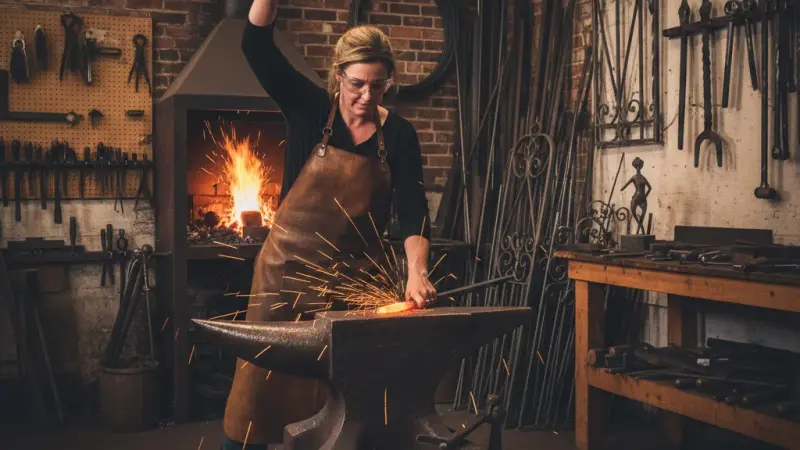
The art of the blacksmith is one of Britain’s oldest and most respected traditions, a craft that has transitioned from the essential production of agricultural tools to a high-end sector defined by bespoke architectural metalwork and precision engineering. Today, the Blacksmiths & Forgemasters sector in the United Kingdom represents a unique intersection of heritage and innovation. While the village "smithy" may seem like a relic of the Victorian era, the reality is a thriving industry that contributes significantly to the UK’s manufacturing and creative economies.

The economic importance of this sector cannot be overstated. Modern British blacksmithing encompasses everything from civil engineering components to fine art and heritage restoration. As consumers increasingly move away from mass-produced, disposable goods, there has been a resurgence in demand for "slow-made" artisan products. This shift has allowed many small-scale forges to find their niche within the uk business directory website, connecting traditional skills with contemporary market needs. Forgemasters today work with a variety of ferrous and non-ferrous metals, employing techniques that have remained largely unchanged for centuries alongside cutting-edge technology such as CNC plasma cutting and induction heating.
Furthermore, the sector plays a vital role in the preservation of the UK’s listed buildings and historic sites. Without the specialized skills of the master blacksmith, the nation's wrought iron heritage—from the gates of Royal Parks to the railings of Georgian London—would fall into disrepair. This guide explores the modern landscape of this industry, providing consumers and professionals alike with the insights needed to navigate the world of British forging.
The Landscape of Blacksmiths & Forgemasters in the UK
The current landscape of the UK’s forging industry is a tapestry of micro-businesses, independent artisan studios, and large-scale industrial forgemasters. Recent market data suggests that the sector has shown remarkable resilience. Following the disruptions of the global pandemic, there was a noticeable pivot toward home improvement and high-end garden architecture. As homeowners invested in their immediate environments, the demand for bespoke gates, handrails, and furniture spiked, leading many practitioners to list their services on a uk local business directory to capture this localized demand.
Geographically, blacksmithing remains strong in traditional heartlands such as the West Midlands—often referred to as the "Black Country" due to its industrial heritage—as well as rural hubs in Yorkshire, Somerset, and the Scottish Highlands. However, a new wave of urban blacksmiths has emerged in London and Bristol, focusing on "maker culture" and teaching workshops, which has diversified the industry's revenue streams. Post-pandemic, the evolution of the industry has been marked by a digital transformation. Forges that once relied solely on word-of-mouth are now utilizing social media and digital platforms to showcase their portfolios to a global audience.
The industry has also seen an influx of new talent. Organizations like the British Artist Blacksmiths Association (BABA) have reported a steady interest in the craft among younger generations. This "new blood" is blending traditional fire-and-anvil techniques with modern design aesthetics, ensuring that the industry remains relevant in the 21st century. Whether it is a small workshop in Cornwall or a heavy-duty industrial forge in Sheffield, the sector remains a pillar of British craftsmanship, easily found by those using a local businesses list uk to source authentic local talent.
Comprehensive Services Breakdown
The services offered by modern UK blacksmiths are incredibly diverse, ranging from the purely functional to the highly decorative. Understanding these specialisms is key to finding the right provider for your specific project.
Architectural Metalwork
This is perhaps the most visible branch of the trade. It includes the design, fabrication, and installation of external and internal features such as balconies, balustrades, and automated driveway gates. Professional blacksmiths often work alongside architects and interior designers to create structural elements that double as art. To find specialists in this field, many developers consult a business listing uk to identify local partners with the right capacity.
Heritage Restoration and Conservation
The UK is home to thousands of listed structures that require specialized maintenance. Heritage blacksmiths use traditional techniques to repair or replicate 18th and 19th-century ironwork. They often utilize "puddle iron" or genuine wrought iron (when available) to ensure historical accuracy. These artisans are essential for maintaining the aesthetic integrity of our cities and are frequently sourced through a business listing uk by conservation officers and heritage trusts.
Toolmaking and Edge Tools
While industrial manufacturing has taken over mass tool production, there is a dedicated market for hand-forged axes, knives (bladesmithing), and chisels. Woodworkers, chefs, and outdoor enthusiasts prize hand-forged steel for its superior grain structure and edge retention. This niche has seen explosive growth, with many bladesmiths achieving "rockstar" status in the artisan community.
Sculpture and Fine Art
Many blacksmiths identify as artist-blacksmiths, creating one-off sculptures for public spaces or private collections. These pieces often push the boundaries of what metal can do, using heat and force to create fluid, organic shapes from rigid steel bars.
Industrial Forging
On the larger end of the scale, industrial forgemasters produce heavy-duty components for the aerospace, automotive, and energy sectors. These businesses operate massive power hammers and hydraulic presses, maintaining the UK's reputation for engineering excellence.
Businesses in this category often seek to expand their reach by securing a business listing uk to stay visible in the competitive B2B manufacturing landscape.
How to Choose the Right Service Provider
Selecting a blacksmith or forgemaster requires more than just looking at a price tag. Because much of the work is bespoke and labor-intensive, the relationship between the client and the craftsman is paramount.
Firstly, check for professional accreditations. While blacksmithing does not have a single "license to practice," membership in the British Artist Blacksmiths Association (BABA) or the Worshipful Company of Blacksmiths is a strong indicator of a professional committed to their craft. When browsing uk trade services listings, look for providers who showcase their credentials clearly.
Secondly, review their portfolio. Every blacksmith has a "signature" style. Some specialize in traditional, ornate scrolls, while others prefer a minimalist, contemporary aesthetic. Ask for high-resolution photos of past projects or, if possible, visit a local installation to see the quality of the finish and the strength of the welds.
Insurance and safety are non-negotiable. Ensure the provider has public liability insurance, especially if they are installing heavy items like gates or railings on your property. Furthermore, if you are looking for a reliable professional, searching through uk verified business listings can provide peace of mind that the company has been vetted for legitimacy.
Finally, consider the "local" factor. A local blacksmith will be familiar with the regional architectural styles and will often have a reputation to uphold within the community. Word-of-mouth combined with a high rating on a uk local trades directory is often the best recipe for a successful project.
Industry Challenges & Future Outlook
Despite the current popularity of artisan crafts, the UK blacksmithing sector faces several systemic challenges. The most pressing is the rising cost of energy. Forges are inherently energy-intensive, requiring high temperatures to make steel malleable. Many workshops are now exploring "green forging" by switching to induction heaters or using sustainably sourced charcoal and coke.
Sustainability is becoming a key differentiator. The "circular economy" is a natural fit for blacksmithing, as steel is 100% recyclable. Many modern forges are highlighting their eco-credentials, showing how they repurpose scrap metal into high-value items. To attract eco-conscious consumers, many professionals highlight these initiatives in their business listing uk, positioning themselves as part of the green manufacturing revolution.
Technological shifts also present a challenge and an opportunity. While the hammer and anvil remain central, the integration of 3D modeling and laser cutting allows for greater precision and less waste. The future of the industry lies in "Hybrid Forging"—the marriage of ancient hand-skills with digital design.
Regulatory changes regarding health and safety, particularly concerning fumes and dust extraction (LEV systems), have forced many smaller forges to invest heavily in workshop upgrades. While these regulations are necessary for worker safety, they represent a significant financial burden for micro-businesses. However, those who adapt are finding that their professional standards make them more attractive to high-end commercial clients who browse business listing uk for compliant contractors.
Business Tips for Blacksmiths & Forgemasters Professionals
For the artisan or industrial professional, being a master of the craft is only half the battle; being a master of business is equally vital. In a world where the first port of call for any customer is a smartphone, digital visibility is the lifeblood of a modern forge.
Optimize Your Digital Footprint
Ensure your business is listed where customers are looking. A presence on a uk professional services listings site ensures that you appear in searches for specific trade skills. Your listing should include high-quality images of your work, a detailed description of your specialisms, and clear contact information.
Content Marketing
Don't just sell products; sell the process. People are fascinated by the "fire and brimstone" of the forge. Sharing "behind-the-scenes" videos of a piece being hammered out can build deep engagement and trust.
This content should link back to your profile on a local page uk listings to convert interested viewers into paying clients.
Focus on SEO and Local Search
Use keywords that reflect what you actually do. Instead of just "blacksmith," use terms like "bespoke gate maker," "hand-forged kitchen knives," or "restoration ironwork." This specificity helps you rank higher when users perform a uk local business search for those particular services in your area.
Networking and Partnerships
Build relationships with local builders, interior designers, and landscapers. Often, they require a blacksmith for a small part of a larger project. Being the "go-to" ironworker in their network can provide a steady stream of referrals.
Wrapping Up & Local Page Integration
The British blacksmithing and forgemaster industry is a brilliant example of how heritage can survive and thrive in a digital age. From the sparks of a rural forge to the precision of an industrial plant, the skill involved in manipulating metal is a fundamental part of the UK’s industrial identity. As we look toward the future, the integration of traditional craftsmanship with modern business practices will define the next chapter of this ancient trade.
For customers looking to commission a unique piece of history, or for businesses looking for a reliable engineering partner, the search starts with finding a verified professional. Utilizing a uk b2b business directory allows for seamless connections between manufacturers and service providers.
In an increasingly crowded digital marketplace, Local Page UK stands out as the premier solution for British businesses. By providing a platform that emphasizes local relevance and professional credibility, it ensures that the skills of our nation's blacksmiths are never more than a click away. Whether you are an artisan looking to grow your workshop or a consumer seeking the best of British craft, Local Page is your essential bridge to the best local businesses the UK has to offer.
Boost Your Visibility with Local Page UK
In the Blacksmiths & Forgemasters sector, your work is a testament to quality, durability, and skill. However, even the most impressive ironwork needs to be seen to be sold. In the modern economy, digital "word-of-mouth" happens through search engines and directories.
Being found online is critical for the survival of small and medium-sized forges. By claiming your business listing uk on Local Page UK, you place your business in front of thousands of potential customers who are actively searching for trade services in their local area. Don't let your craftsmanship go unnoticed—join the directory that celebrates and supports UK businesses today.
FAQ
1. What is the difference between a blacksmith and a forgemaster?
A blacksmith traditionally works with iron and steel by heating it in a forge and using hand tools like hammers and anvils to shape it, often for decorative or functional artisan work. A forgemaster typically operates on an industrial scale, managing larger forging processes that may involve heavy machinery, hydraulic presses, and specialized heat treatments for sectors like aerospace or automotive engineering. While their core principles of manipulating metal with heat and force are the same, the scale and application differ significantly. Both types of professionals can be found via a Localpage listing.
2. Is blacksmithing still a viable career in the UK?
Yes, blacksmithing is experiencing a significant revival in the UK. While the demand for traditional horseshoeing (now mostly the domain of farriers) has changed, the demand for bespoke architectural ironwork, heritage restoration, and artisan products like hand-forged kitchenware is higher than it has been in decades.
Many modern blacksmiths combine their craft with teaching or selling art pieces online, creating a multi-stream income. Success in this field often requires a mix of high-level technical skill and savvy digital marketing.
3. How much does it cost to commission bespoke ironwork?
The cost varies wildly depending on the complexity of the design, the type of metal used, and the time required at the anvil. A small item like a hand-forged coat hook might cost £20-£40, while a set of intricate, hand-forged driveway gates can range from £5,000 to over £20,000. It is important to remember that you are paying for a unique, handcrafted item and the years of expertise required to make it. Always request a detailed quote from a professional listed on a reputable directory.
4. What metals do modern blacksmiths work with?
While mild steel is the most common material due to its versatility and cost-effectiveness, modern blacksmiths also work with stainless steel, wrought iron (for heritage projects), copper, brass, and bronze. Some specialized "bladesmiths" work with high-carbon steels and Damascus steel (layered steel) to create patterned knives. The choice of metal depends on the intended use of the item, the desired aesthetic, and whether the piece will be situated indoors or outdoors.
5. Can I learn blacksmithing in the UK?
Absolutely. There are several colleges in the UK, such as Hereford College of Arts and Plumpton College, that offer dedicated blacksmithing courses. Additionally, many independent forges across the country offer "experience days" where beginners can try their hand at making a simple item like a fire poker or a bottle opener. These courses are a fantastic way to support the local artisan community. To find a forge near you that might offer classes, check your local Localpage listings for contact details.
6. Do blacksmiths do their own welding?
Most modern blacksmiths are proficient in various welding techniques, such as MIG, TIG, and stick welding, which they use to join components efficiently. However, a traditional "forge weld"—where two pieces of metal are heated to a near-melting point and hammered together—is still used for high-end artisan work and historical restoration. Using a combination of modern welding and traditional forging allows the craftsman to create pieces that are both structurally sound and aesthetically traditional.
7. How do I maintain hand-forged ironwork?
Maintenance depends on the finish applied. For indoor items, a simple coat of beeswax or specialized oil is often enough to prevent rust. For outdoor items, the metal is usually galvanized (dipped in zinc) and then painted or powder-coated to provide long-term protection against the British weather. If you have an unfinished piece, it will develop a natural patina over time, but it may require periodic cleaning and re-oiling to prevent deep corrosion.
8. What is the Worshipful Company of Blacksmiths?
The Worshipful Company of Blacksmiths is one of the ancient Livery Companies of the City of London, with roots dating back to at least 1325. Today, it acts as a charitable and guild organization that supports the craft of blacksmithing through awards, grants, and the promotion of excellence. Being recognized by the Company is a prestigious honor for any UK blacksmith and serves as a mark of the highest possible quality and dedication to the trade.
9. Can blacksmiths repair antique ironwork?
Yes, heritage restoration is a major part of the trade. Professional blacksmiths can assess the damage to old railings, gates, or tools and determine the best course of action. This often involves carefully removing rust, reforging missing sections to match the original style, and using historically appropriate joining methods. This work is essential for preserving the character of the UK’s historic homes and public spaces.
10. How long does it take to forge a set of gates?
A simple set of gates might take a week or two, but highly decorative, hand-forged gates can take several months of full-time work. The process includes design, material sourcing, forging each individual component (like scrolls, leaves, or finials), assembly, welding, and finally finishing (galvanizing and painting). When you commission a blacksmith, they should be able to provide you with an estimated timeline for each stage of the project.
11. What is "bladesmithing"?
Bladesmithing is a specialized branch of blacksmithing focused specifically on the creation of knives, swords, and other edged tools. It requires a deep understanding of metallurgy, as the steel must be precisely heat-treated (hardened and tempered) to ensure it can hold a sharp edge without being too brittle. The popularity of television shows like "Forged in Fire" has led to a massive surge in interest in bladesmithing across the UK.
12. Why should I choose hand-forged over mass-produced metalwork?
Hand-forged items possess a character and durability that mass-produced items cannot match. In a forge, the metal is moved and shaped, which refines the grain structure of the steel, making it incredibly strong. Furthermore, no two hand-forged items are identical; each piece bears the "hammer marks" of its creator, making it a unique work of art that can last for generations. It is an investment in quality and heritage.
13. Are blacksmiths the same as farriers?
Not quite. While all farriers have blacksmithing skills (as they must be able to shape and fit horseshoes), not all blacksmiths are farriers. A farrier is a specialist in equine hoof care and requires specific legal qualifications and registration with the Farriers Registration Council to practice in the UK. A blacksmith focuses on the broader craft of forging metal for architectural, artistic, or industrial purposes.
14. What tools does a blacksmith use?
The "big three" tools are the forge (the heat source), the anvil (the work surface), and the hammer. However, a blacksmith also uses a wide array of tongs to hold hot metal, chisels to cut it, punches
to make holes, and "swages" or "fullers" to create specific shapes. Modern shops also include power hammers, grinders, and welders to speed up the process and handle larger pieces of metal.
15. How can I find a reputable blacksmith near me?
The most effective way to find a local blacksmith is to use a dedicated directory that verifies business details. You can search for artisans based on their specialisms and geographic location, allowing you to see their portfolio and read reviews from previous clients. For the most comprehensive and up-to-date information on UK trade professionals, we recommend starting your search on Local page.

Disclaimer: The information provided in this article is for general informational and research purposes only. Company details, features, services, and market positions may change over time. Readers are advised to visit official company websites and conduct independent research before making any business decisions or purchasing services.
Most Searchable Keywords

Recent Blogs


Related Listings


Categories
- Accountants (295)
- Advertising Agencies (559)
- Architects (149)
- Automobiles (377)
- Beauty (300)
- Carpenters (146)
- Cleaning Services (386)
- Dentists (189)
- Driving (62)
- Electricians (215)
- Energy (8)
- Event Organiser (685)
- Finance (599)
- Guide (3365)
- Health (2207)
- Information technology (206)
- Legal Services (353)
- Logistics (6)
- Maintenance (65)
- Manufacturing (35)

Sponsored Listings in Locksmith Services


Related Blogs

Gen Z Political Reporters and News Creators i...
Read this insightful article "Gen Z Political Reporters and News Creators in the UK" to expand your knowledge!

Famous Female Social Media Influencers Across...
Read this insightful article "Famous Female Social Media Influencers Across the UK" to expand your knowledge!

Your UK Sponsor Licence 2026 Step by Step Gui...
Read this insightful article "Your UK Sponsor Licence 2026 Step by Step Guide" to expand your knowledge!
Questions & Answers – Find What
You Need, Instantly!
How can I update my business listing?
Is it free to manage my business listing?
How long does it take for my updates to reflect?
Why is it important to keep my listing updated?
