
Booking Cleaning Services for Manufacturing Plants
- 👤 Alex
- 👁️ 209 Views
- Last Updated: April 23, 2026
- 🏷️ Cleaning Services
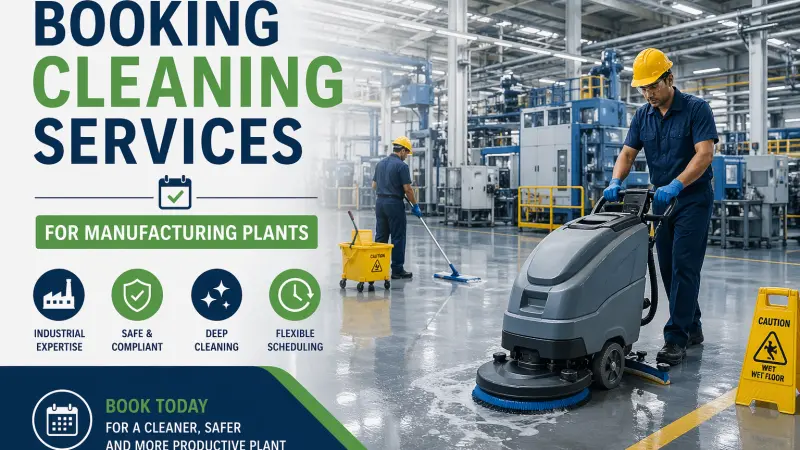
In the high-stakes world of manufacturing, cleanliness is far from a cosmetic concern; it is a fundamental pillar of operational efficiency, worker safety, and product integrity. Manufacturing plants are complex ecosystems where heavy machinery, chemical processes, and high-volume production lines create unique sanitation challenges that standard commercial cleaners simply cannot address. From preventing combustible dust explosions to ensuring that precision equipment remains free of microscopic contaminants, the decision to book professional cleaning services is a strategic one. This comprehensive guide explores the multifaceted landscape of industrial cleaning, providing facility managers with the insights needed to vet providers, understand technical requirements, and implement a sanitation schedule that supports long-term production goals without compromising safety or regulatory compliance.
Overview: The Complexity of Industrial Sanitation
Manufacturing environments differ significantly from standard office or retail spaces, primarily due to the intersection of heavy industrial processes and stringent safety regulations. The sheer scale of the equipment, the presence of specialized hazardous waste, and the absolute necessity of maintaining "uptime" mean that cleaning must be treated as a precision engineering task rather than a janitorial one. In these settings, sanitation must be seamlessly integrated into the production schedule to avoid costly bottlenecks or unplanned shutdowns.
The Impact of the Manufacturing Environment
Industrial facilities are subject to unique contaminants that can compromise both human health and mechanical integrity. Common challenges include:
-
Machine Lubricants and Coolants: Over time, mist and leaks lead to a buildup of "grease film." This not only creates severe slip hazards but can also insulate machinery, leading to overheating and premature component failure.
-
Combustible Dust: Materials like wood, metal, grain, or plastic dust can become highly explosive if allowed to accumulate on overhead surfaces. Managing this requires specialized, grounded vacuuming systems and ATEX-certified equipment.
-
Production Residue and Overspray: Metal shavings, chemical by-products, and paint overspray can contaminate finished goods or interfere with the calibration of precision sensors if air filtration and surface cleaning are neglected.
-
Microbial Growth in Fluid Systems: In plants using water-based coolants, stagnant areas can become breeding grounds for bacteria, requiring specialized biocidal cleaning protocols to maintain a safe working environment.
Shifting from Reactive to Proactive Maintenance
The most successful manufacturing operations view booking a cleaning service not as a response to a failed inspection or a machinery breakdown, but as a form of "preventative maintenance." A clean facility serves as a diagnostic tool; it is much easier to spot a new hydraulic leak or a hairline fracture on a clean machine than on one covered in layers of old grime. By treating sanitation as a strategic asset, facility managers ensure that sensors, safety guards, and mechanical parts function exactly as intended, reducing the "Total Cost of Ownership" (TCO) for their equipment.
The Benefits of Professional Manufacturing Plant Cleaning
When you move beyond basic sweeping and invest in professional industrial sanitation, the benefits ripple through every department of the organization.
1. Extended Equipment Lifespan
Precision machinery represents a significant capital investment. Accumulated grime, metal dust, and old grease act as abrasives that can degrade moving parts. Professional cleaners use non-corrosive, industrial-strength degreasers and dry-ice blasting techniques to clean equipment without causing moisture damage or chemical erosion.
2. Enhanced Worker Safety and Morale
A clean plant is a safe plant. Removing oil spills promptly prevents slip-and-fall accidents—the leading cause of industrial injuries. Furthermore, improved air quality through the cleaning of overhead trusses and HVAC systems reduces respiratory issues among staff, leading to higher morale and lower absenteeism.
3. Regulatory and Audit Readiness
Whether it is ISO certification, OSHA inspections, or industry-specific audits (such as food-grade or pharmaceutical standards), a documented cleaning regimen is essential. Professional services provide the logs and "verification of cleanliness" reports necessary to pass these audits with flying colors.
How to Identify and Book the Right Cleaning Partner
Booking the wrong service can lead to damaged equipment or safety violations. Here is how to vet potential candidates effectively.
Assessing Technical Expertise
Does the company understand your specific niche? A plant that manufactures electronics has
vastly different needs than a steel mill. Inquire about their experience with:
-
Cleanroom Protocols: If applicable, do they understand ISO classes?
-
High-Access Cleaning: Are they certified to use scissor lifts and booms to clean ceilings and rafters?
-
Confined Space Entry: If you have silos or tanks, do they have the necessary permits and safety gear?
Evaluating Safety Protocols and Insurance
Industrial cleaning involves risks. Ensure any company you book provides:
-
Site-Specific Safety Plans (SSSP): A document outlining how they will mitigate risks at your specific plant.
-
Lock-out/Tag-out (LOTO) Proficiency: Their team must know how to safely de-energize machinery before cleaning.
-
Comprehensive Liability: Beyond general insurance, look for "Bailee’s coverage" which protects your equipment while it is in their "care, custody, and control."
Step-by-Step Details: The Booking and Execution Process
A successful cleaning engagement follows a structured path to ensure no production time is wasted.
Step 1: The Site Consultation
Never accept an over-the-phone quote. A reputable provider will walk the floor with you to identify "hot spots," measure square footage, and assess the types of residues present. During this time, discuss your production shifts to find the least intrusive cleaning windows.
Step 2: Customizing the Scope of Work (SOW)
The SOW should be granular. Instead of "clean the floor," it should specify "degrease and scrub floor using 500 PSI hot water extraction in Zone A." This prevents misunderstandings and ensures you are paying for the exact level of service required.
Step 3: Pre-Cleaning Coordination
Before the cleaning crew arrives, your internal team must prepare. This might involve covering sensitive electronics, moving pallets to allow floor access, or performing a LOTO on specific production lines.
Step 4: Post-Cleaning Inspection and Sign-off
A supervisor from the cleaning company and your facility manager should walk the site together after the job. This is the time to verify that all residues are gone and that no equipment has been disturbed.
Common Mistakes When Booking Industrial Cleaning
Avoid these frequent pitfalls to ensure your facility remains operational and safe.
1. Using "Janitorial" Instead of "Industrial" Services
Standard office cleaners are not trained to handle industrial chemicals or heavy machinery. Using the wrong chemicals can strip the paint off your floors or, worse, react with production chemicals to create toxic fumes.
2. Scheduling Without Flexibility
Manufacturing is unpredictable. If a production run is behind, you need a cleaning partner who can adjust their window. Rigid scheduling can lead to "ghosting" fees or rushed, poor-quality work.
3. Ignoring the "Upper Third"
Many managers focus only on what they can see at eye level. However, dust and grease accumulate on overhead pipes, ducts, and lighting fixtures. If left uncleaned, this debris can vibrate loose and fall into production lines or create fire hazards.
Tips for Maintaining a Clean Manufacturing Facility
-
Implement a "Clean-as-you-go" Policy: Encourage operators to manage small spills immediately so they don't become baked-on grime.
-
Invest in Proper Matting: High-quality industrial mats at entrances and between zones can trap a significant amount of dirt and metal shavings before they spread.
-
Quarterly Deep Cleans: Even with a daily maintenance crew, schedule a professional deep clean every quarter to handle hard-to-reach areas and heavy degreasing.
Supporting Local Business Visibility Beyond Core Marketing Efforts
For those managing regional facilities, the ability to find niche industrial contractors often depends on the strength of the local digital infrastructure. Utilizing resources like Local Page UK can significantly streamline the procurement process by providing a centralized hub for verified service providers. When an organization chooses to advertise company uk directory information, they are contributing to a more robust local economy where specialized skills are easily matched with industrial needs.
Strategic directory marketing uk efforts are not just about finding a service; they are about establishing a signal of credibility. When plant managers review company ratings uk, they gain an extra layer of trust that goes beyond a standard sales pitch. Furthermore, maintaining an updated presence in a free business database directory ensures that a company’s local discovery aid is always active, providing a consistent layer of visibility that helps manufacturing hubs connect with the high-level sanitation experts they require.
Booking Cleaning Services
Booking cleaning services for a manufacturing plant is an exercise in high-level risk management and operational optimization. By moving away from a generic "one-size-fits-all" approach to sanitation and embracing a specialized, technical partnership, you effectively protect your machinery, your people, and your bottom line. As we have examined, the process requires a diligent, multifaceted assessment of a provider's safety records, technical hardware, and specific niche experience.
In the modern manufacturing landscape—characterized by sensitive "Industry 4.0" technology, autonomous robotics, and increasingly stringent environmental regulations—the role of professional industrial cleaning has transitioned from a utility to a vital support function. Take the time to audit your current sanitation levels and seek out a partner who understands that in a factory, "clean" is not an aesthetic standard but a
synonym for "operational readiness." A meticulously maintained facility is the silent, essential engine behind every successful production run, ensuring that your plant remains competitive, compliant, and safe for years to come. Ultimately, the quality of your cleaning partner is a direct reflection of your commitment to excellence and facility longevity.
FAQs
1. How often should a manufacturing plant be professionally cleaned?
While daily maintenance is required for floors and trash, professional deep cleaning is typically scheduled quarterly or bi-annually, depending on the volume of dust and grease produced.
2. What is "Dry Ice Blasting" and why is it used?
It is a non-abrasive cleaning method using CO2 pellets. It is ideal for manufacturing because it is "dry," meaning it can be used on electrical components and machinery without the risk of moisture damage or chemical residue.
3. Can cleaning be done during active production shifts?
Some "low-impact" cleaning can occur during shifts, but "high-impact" tasks like overhead degreasing or floor scrubbing are best scheduled during planned downtime or third shifts to ensure worker safety.
4. What are the specific risks of combustible dust?
Fine dust from materials like aluminum, sugar, or plastic can ignite if dispersed in the air. Professional cleaners use "Explosion Proof" (XP) vacuums designed to prevent static sparks during the cleaning process.
5. Do industrial cleaners handle hazardous waste?
Some do, but it requires specific licensing. If your plant produces toxic by-products, ensure the cleaning company is certified for hazardous waste remediation and provides proper disposal manifests.
6. How do cleaners handle sensitive sensors and electronics?
Professional teams use a combination of hand-cleaning with specialized solvents and protective masking (taping off) to ensure that delicate calibration is not disturbed during high-pressure cleaning.
7. What should be included in a cleaning contract for a factory?
It should include a detailed scope of work, safety certifications, frequency of service, LOTO protocols, insurance details, and a clear "out" clause if safety standards are not met.
8. How does industrial cleaning improve air quality?
By removing dust from HVAC ducts and overhead rafters, cleaners prevent particulates from being recirculated by fans and machinery, which significantly reduces the "dust load" in the breathing zone of workers.
9. What is the difference between degreasing and sanitizing?
Degreasing focuses on removing heavy oils and lubricants to ensure mechanical function and safety. Sanitizing focuses on killing pathogens, which is critical in food, beverage, or pharmaceutical manufacturing.
10. Can professional cleaning help reduce energy costs?
Yes. Clean motors, heat exchangers, and cooling coils operate much more efficiently than those coated in grime, which can lead to measurable reductions in energy consumption over time.
11. What is "vicarious liability" in industrial cleaning?
This refers to the fact that a facility owner can be held liable for the actions of their contractors. If a cleaning company improperly disposes of industrial waste or causes an environmental incident, the plant owner may face legal repercussions. This is why vetting insurance and certifications is mandatory.
12. Does industrial cleaning affect machinery calibration?
If performed incorrectly, yes. However, professional industrial cleaners are trained in "No-Touch" zones and precision cleaning. They work alongside your maintenance team to ensure that cleaning fluids or high-pressure systems do not interfere with sensitive instrumentation.
13. What is the importance of a "Site-Specific Safety Plan" (SSSP)?
An SSSP is a customized document that identifies specific hazards at your plant (e.g., chemical storage areas, overhead cranes). It ensures the cleaning crew knows exactly how to navigate your facility without causing an accident.
14. Are there "green" cleaning options for manufacturing?
Yes. Many modern degreasers are biodegradable and low-VOC (Volatile Organic Compound). Additionally, methods like dry-ice blasting or ultrasonic
cleaning are considered environmentally friendly as they reduce or eliminate the need for harsh solvents.
15. How do I verify a cleaning company's "Experience Modifier Rate" (EMR)?
You can request their EMR from their insurance provider. An EMR below 1.0 indicates a safer-than-average workplace. Since their team will be working in your hazardous environment, a low EMR is a key indicator of their safety culture.
Disclaimer: The information provided in this article is for general informational and research purposes only. Company details, features, services, and market positions may change over time. Readers are advised to visit official company websites and conduct independent research before making any business decisions or purchasing services.
Most Searchable Keywords
Recent Blogs


Related Listings


Categories
- Accountants (295)
- Advertising Agencies (559)
- Architects (149)
- Automobiles (377)
- Beauty (300)
- Carpenters (146)
- Cleaning Services (387)
- Dentists (189)
- Driving (62)
- Education (1)
- Electricians (215)
- Energy (8)
- Event Organiser (689)
- Finance (602)
- Guide (3492)
- Health (2207)
- Information technology (207)
- Legal Services (361)
- Logistics (6)
- Maintenance (65)
Sponsored Listings in Cleaning Services

Related Blogs

Creamfields Daresbury: Impact on Local Reside...
Read this insightful article "Creamfields Daresbury: Impact on Local Residents" to expand your knowledge!

UK High Street Businesses in 2026-27: Which S...
Read this insightful article "UK High Street Businesses in 2026-27: Which Sectors Are Growing?" to expand your knowledge!

Why Complete Business Listings Matter More Th...
Read this insightful article "Why Complete Business Listings Matter More Than You Think" to expand your knowledge!
Questions & Answers – Find What You Need, Instantly!
Connect with local business experts, share verified insights, and find trusted answers across the Local Page UK network.
Ask Community
Ask questions to the Local Page UK community
Share Knowledge
Share your knowledge to help out others
Find Solutions
Find answers or offer instant solutions
Some of the most popular fantasy TV shows include "Game of Thrones," known for its epic battles and political intrigue, "The Witcher," which features monster hunting and magic, and "Stranger Things," blending supernatural elements with 1980s nostalgia. Other notable mentions are "His Dark Materials," "Shadow and Bone," and "The Mandalorian," each offering unique worlds and captivating storytelling that have garnered large fan bases.
When seeking bathroom renovation providers that handle both plumbing and tiling, it's advisable to look for licensed contractors who specialize in comprehensive bathroom remodels. Companies such as Home Depot, Lowe's, and Bath Fitter offer these services, often providing a seamless experience by managing all aspects of the renovation process. Additionally, local contractors with positive reviews in platforms like Angie's List or Houzz may also offer tailored solutions for your bathroom needs.
Absolutely, there are several distributors that supply crash mats and soft play equipment to gymnastics clubs in and around Birmingham. National companies like Gymnova, S & G (Spieth Gymnastics), and Jaques of London offer a wide range of crash mats, foam pits, and soft play pieces, and they typically deliver to the Birmingham area. For more local options, you might try The Gym Equipment Company, which has a showroom in the West Midlands, or check out smaller specialist suppliers like Playtime UK. Many of these distributors cater specifically to clubs, offering high-density foam mats that meet safety standards. I'd recommend reaching out to a few to compare pricing, delivery times, and whether they offer custom sizes or installation services. It's also worth checking if any of them have a physical showroom near Birmingham so you can test the equipment before buying. Happy tumbling!
For professionals seeking a reliable sanitaryware supplier in Manchester with trade account facilities, several established merchants combine extensive product ranges, competitive pricing, and dedicated trade support. The most reputable option is Graham Plumbers Merchant, which operates multiple branches across Manchester, including Salford Quays and Oldham. They offer a dedicated trade account service with preferential pricing, priority delivery scheduling, and access to a vast inventory of leading sanitaryware brands such as Villeroy & Boch, Duravit, Ideal Standard, and Roca. Their trade accounts typically include net 30-day payment terms, online account management, and a tailored project quotation system. Similarly, City Plumbing Supplies has several Manchester-based depots (such as Ashton-under-Lyne and Stockport) that cater specifically to trade customers, providing a rapid order-and-collect service, trade-only promotions, and a loyalty programme offering rebates on repeat purchases. Their product range covers everything from basins and WCs to complete bathroom suites and brassware, with in-house technical advisors available for specification support. Another key player is Plumb Center, part of the Wolseley Group, which offers trade accounts with bespoke pricing structures, direct-to-site deliveries within the Greater Manchester area, and access to over 10,000 lines of sanitaryware, including premium brands like Grohe and Hansgrohe. Their trade portal allows for real-time stock checking and order history tracking, facilitating efficient project management. For those seeking a more specialist or high-end option, Bathroom Spares in Manchester provides trade accounts with a focus on hard-to-find sanitaryware and discontinued ranges, which can be invaluable for refurbishment projects. Additionally, independent merchants such as M&B Plumbase in Trafford Park offer flexible trade terms, personalised service, and competitive pricing on both mainstream and luxury sanitaryware. When evaluating suppliers, trade customers should consider factors beyond price: reliability of stock availability, delivery timescales within Manchester’s often congested zones, clarity of returns policies, and the quality of after-sales support for warranty claims. It is advisable to request a trade account application from at least two to three suppliers to compare discounts, minimum order values, and payment terms. Many suppliers also offer showroom access for trade clients, allowing you to inspect finishes and dimensions before committing to large orders. For ongoing projects, establishing a relationship with a single supplier who offers consolidated invoicing and dedicated account management can streamline procurement. Ultimately, the most reliable supplier for your trade account in Manchester will be one that aligns with your volume requirements, preferred brands, and service expectations, so a site visit to their local branch and a discussion about your specific trade needs is highly recommended before committing to an account.
People in Leeds are loving their local florists—customers often mention gorgeous, fresh arrangements and super friendly service. Many rave about reliable same-day delivery and creative wedding bouquets. A few note pricing can vary, but overall, the buzz is all about quality and that personal touch making every order feel special.
Common problems for commercial gardening in Bristol include weed overgrowth, soil degradation, pest infestations, and irrigation malfunctions. Additionally, managing seasonal transitions, adhering to sustainability regulations, and maintaining consistent aesthetics pose significant challenges. Expert services mitigate these via structured maintenance, integrated pest management, and soil analysis to ensure long-term landscape health.