
Booking Cleaning Services for Schools and Educational Facilities
- 👤 Alex
- 👁️ 124 Views
- Last Updated: April 15, 2026
- 🏷️ Cleaning Services
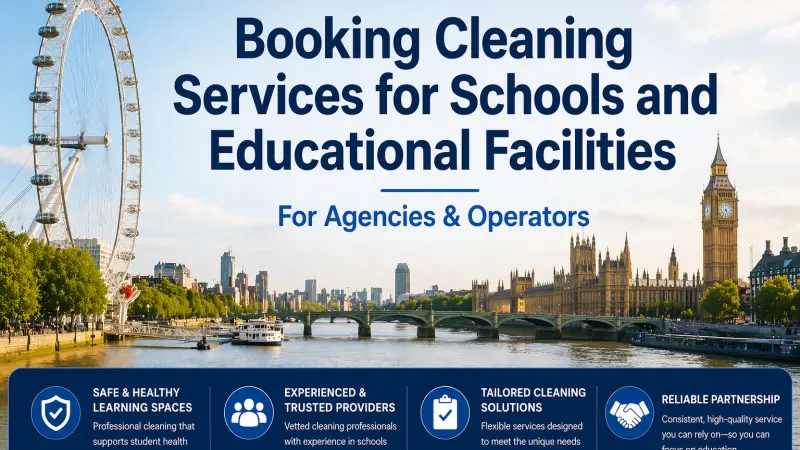
Educational environments are unique ecosystems. Unlike a standard office building, a school or university is a high-traffic, high-contact space where the health and safety of children, young adults, and faculty are paramount. The stakes for hygiene in these settings extend far beyond aesthetics; they directly impact attendance rates, academic performance, and the overall well-being of the community.
Booking cleaning services for schools and educational facilities requires a nuanced understanding of regulatory compliance, safeguarding protocols, and the specialized science of disinfection. It is not a task that can be approached with a "one-size-fits-all" mindset. This comprehensive guide explores the complexities of educational facility maintenance, providing administrators with a strategic roadmap to identify, vet, and partner with cleaning providers that can meet the rigorous demands of the modern classroom.
The Critical Importance of Hygiene in Education
Schools are notorious breeding grounds for bacteria and viruses. From the playground to the science lab, students move through various environments, sharing equipment and interacting in close quarters.
Impact on Student Health and Attendance
According to public health data, a significant percentage of student absences are attributable to communicable illnesses like the flu, norovirus, and the common cold. A professionally sanitized school environment reduces the "viral load" on high-touch surfaces—such as desks, door handles, and cafeteria tables—thereby breaking the chain of infection and keeping students in their seats.
Promoting a Productive Learning Environment
A clean classroom is more than just a healthy one; it is an environment that fosters focus. Clutter and grime can be subtle psychological distractions. When students and teachers enter a crisp, clean environment, it signals that the institution values their presence and respects the educational process. This "broken window theory" in reverse suggests that a well-maintained facility encourages students to take more pride in their own work and surroundings.
Specialized Cleaning Zones in Educational Facilities
When booking services, it is vital to categorize the different areas of a campus, as each requires a distinct cleaning methodology.
1. Classrooms and Early Years Settings
Classrooms for younger children require non-toxic, food-grade sanitizers, especially in areas where students might eat or engage in tactile play. Attention must be paid to soft furnishings, carpets, and "high-touch" bins.
2. Science Laboratories and Technical Workshops
These areas contain specialized equipment and potentially hazardous materials. Cleaners must be trained to recognize chemical residues and understand how to sanitize surfaces without disturbing delicate experiments or equipment.
3. Sports Halls and Changing Rooms
Moisture and heat make gyms a haven for fungal infections and staph bacteria. Deep cleaning in these areas requires hospital-grade disinfectants and a high frequency of sanitization for lockers and showers.
4. Cafeterias and Kitchens
Food service areas must adhere to strict environmental health standards. This includes degreasing exhaust hoods, sanitizing cold storage handles, and ensuring floors are slip-resistant and free of food debris that could attract pests.
Step-by-Step: How to Source and Book the Right Provider
The procurement process for school cleaning must be transparent, thorough, and focused on long-term outcomes rather than just the bottom line.
Step 1: Define Your "Scope of Works"
Before reaching out to providers, create a detailed map of your facility. Include square footage, floor types (vinyl vs. carpet), and a list of specialized rooms. Decide on the frequency of cleaning—daily for high-traffic areas, and weekly or termly for deep cleans.
Step 2: Safeguarding and Background Checks
In many regions, anyone working on school grounds must undergo rigorous criminal record checks (such as DBS in the UK). When booking a service, demand written proof that every member of the staff has been vetted to the highest legal standard. This is non-negotiable.
Step 3: Evaluate Green Cleaning Initiatives
Children are more sensitive to harsh chemical fumes than adults. Look for providers that use "green" certified products that have low Volatile Organic Compound (VOC) emissions. Ask about their "cradle-to-grave" chemical management to ensure they aren't dumping waste improperly.
Step 4: Crisis Management and Rapid Response
Schools are unpredictable. From a burst pipe to a widespread illness outbreak, you need a provider that can scale up their team at a moment's notice. Ask potential partners about their "out-of-hours" emergency response protocols.
Common Mistakes in School Cleaning Procurement
-
Underestimating "Summer Cleans": Many facilities fail to budget enough for the deep cleaning that can only happen when students are absent. This is the only time for floor stripping, waxing, and deep carpet shampooing.
-
Focusing Solely on Price: Low-cost providers often achieve their margins by paying staff minimum wage and using inferior equipment. This leads to high staff turnover, which is a major security and consistency risk for schools.
-
Ignoring Air Quality: Cleaning isn't just about floors and walls. Failing to include the cleaning of air vents and HVAC filters in the contract can lead to the circulation of allergens and pathogens.
The Technical Side: Machinery and Methods
Professional educational cleaning is no longer just about a mop and bucket. Modern providers should utilize:
-
HEPA Vacuuming: To trap $99.97\%$ of particles, ensuring allergens aren't just blown back into the air.
-
Electrostatic Spraying: For 360-degree coverage of complex surfaces like chairs and play equipment.
-
Microfiber Systems: Utilizing color-coded cloths to prevent cross-contamination between restrooms and classrooms.
The Strategic Framework of Educational Hygiene
The process of booking cleaning services for schools and educational facilities has evolved from a simple procurement task into a strategic pillar of institutional management. In the past, cleaning was often viewed as a "hidden" utility, much like electricity or water. Today, however, we recognize that the physical condition of a school is a direct reflection of its pedagogical values.
A school that is meticulously maintained sends a message to students that their education is a serious and respected endeavor. Conversely, a facility that shows signs of neglect can inadvertently contribute to a culture of apathy. Expanding the scope of your cleaning contract to include high-level hygiene management is not just about health; it is about building a foundation for academic success.
The Science of Cross-Contamination in Schools
Understanding how germs travel in an educational setting is essential for administrators to communicate their needs to potential providers.
The "Aerosol" Effect in High-Traffic Corridors
When hundreds of students move through a hallway simultaneously, they stir up dust and pathogens that have settled on the floor. This "re-suspension" of particles means that floor hygiene is actually a component of air hygiene. Specialized school cleaners use "damp-dusting" and high-efficiency particulate air (HEPA) filtration to ensure that cleaning activities do not inadvertently lower the air quality.
Fomites and Shared Technology
In modern schools, tablets, laptops, and interactive whiteboards are ubiquitous. These devices are "fomites"—objects capable of carrying infectious organisms. A standard cleaning crew might avoid these expensive electronics for fear of damaging them. A specialized provider, however, uses 70% isopropyl alcohol wipes or specialized electronic-safe foams to sanitize screens and keyboards daily without compromising the hardware.
Deep Dive into Seasonal and Holiday Cleaning
One of the most significant aspects of educational maintenance is the "Intervention Clean." Because schools operate on a strict calendar, there are windows of opportunity to perform heavy-duty maintenance that is impossible while students are present.
The Summer Restoration Project
The long summer break is the "Golden Hour" for facility managers. A comprehensive summer cleaning program should include:
-
Floor Stripping and Re-sealing: Removing layers of old wax and grime from vinyl or linoleum floors to restore the original shine and provide a slip-resistant surface.
-
Upholstery Deep Extraction: Using steam or chemical extraction on auditorium seating and library chairs to remove deeply embedded allergens.
-
High-Level Dusting: Accessing the tops of pipes, light fixtures, and beams in high-ceilinged gyms where "dust bunnies" accumulate over the year.
Winter and Spring Break Sanitization
Shorter breaks should be utilized for targeted "infection control" sweeps. If a school has experienced a high rate of illness during the autumn term, the winter break is the ideal time for an electrostatic fogging treatment of all classrooms to start the new term with a "biological clean slate."
Specialized Protocols for High-Risk Areas
Not every room in a school carries the same risk profile. Booking a service requires a tiered approach to hygiene.
The Early Years Foundation Stage (EYFS)
In nurseries and reception classes, students spend a significant amount of time on the floor. Safety guidelines for these areas dictate that floor cleaners must be non-toxic and residue-free. Furthermore, toys and "manipulatives" (like building blocks) must be sanitized using methods that are safe for children who may still be in the "mouthing" phase of development.
The School Infirmary or Medical Room
The school nurse's office is essentially a micro-healthcare environment. It requires the same level of disinfection as a GP surgery. This includes specialized disposal of clinical waste and the use of sporicidal disinfectants that can kill hardy pathogens like C. diff or MRSA.
Changing Rooms and Hydrotherapy Pools
For schools with specialized facilities like hydrotherapy pools for students with special educational needs (SEN), the humidity creates a permanent risk of mold and biofilm buildup. Cleaners must be trained in the use of anti-fungal agents that are safe for aquatic environments and effective in high-moisture zones.
Human Factors: Safeguarding and Staffing Stability
The most critical difference between school cleaning and office cleaning is the human element.
The Continuity of Care
In an educational setting, the cleaning staff often becomes a known part of the school community. For students with autism or sensory processing disorders, changes in the "who" and "how" of cleaning can be distressing. Professional providers prioritize staff retention to ensure that the same faces are in the building, creating a sense of security and predictable routine.
Safeguarding as a Service
Safeguarding is not just about background checks; it is about behavior. Cleaning staff must be trained on how to interact (or not interact) with students. They must understand "lone working" protocols and be aware of how to report a safeguarding concern if they witness something untoward while working in the building. A company that includes "Safeguarding Awareness" in its induction process is a superior partner for any school.
Supporting Local Business Visibility Beyond Core Marketing Efforts
For educational institutions, finding a local, reliable partner is often a matter of community trust. A provider's business discoverability is a strong indicator of their operational maturity. When schools look for specialized services, they often start by examining a company’s local presence consistency across digital platforms to ensure the firm has an established history in the area.
Strategic facility managers often use a free business database directory to identify niche providers who might not have the massive marketing budgets of national chains but offer superior, localized care. This serves as a vital directory marketing uk resource, allowing schools to filter for specific certifications and safeguarding standards.
By checking a local page uk, administrators can find companies that are literally "around the corner," which is essential for emergency response times. Furthermore, viewing company ratings uk provides an essential layer of trust reinforcement, giving a voice to other local schools who have used the service. For service providers, the choice to advertise company uk directory listings ensures that their specialized knowledge of educational hygiene is visible to the bursars and governors who need it most.
The Financial Logic of Quality Cleaning
While educational budgets are always under pressure, "cheap" cleaning is often the most expensive option in the long run.
Asset Protection
A poorly trained cleaner using the wrong chemical on a high-end sports floor can cause thousands of pounds in damage in a single night. Professional providers understand the technical specifications of school infrastructure and use the correct methods to preserve these assets.
The Cost of Absence
If a school can reduce student and staff absence by just $2\%$ through better hygiene practices, the resulting "productivity" and reduced cost of substitute teachers often far outweigh the additional cost of a premium cleaning contract.
Environmental Stewardship and "Green" Cleaning
Modern schools are teaching students about sustainability, and the building's maintenance should reflect those lessons.
Chemical Reduction and Microfiber
The move toward "chemical-free" cleaning involves using high-quality microfiber and deionized water. This reduces the chemical load in the building, improving air quality and reducing the school's environmental footprint.
Waste Stream Management
A cleaning provider should be a partner in the school’s recycling efforts. They should be trained to manage waste streams correctly, ensuring that paper, plastic, and food waste are segregated properly, helping the school meet its sustainability targets.
Monitoring and Auditing: The Key to Long-Term Success
You cannot manage what you do not measure. When booking a service, ensure that a robust auditing system is part of the package.
ATP Bioluminescence Testing
High-tier providers use ATP (Adenosine Triphosphate) testing. This involves swabbing a surface and using a handheld device to measure the amount of organic matter remaining. It provides a scientific, objective score for "cleanliness" that goes beyond what the eye can see.
Monthly Governance Meetings
The relationship between the school and the cleaning provider should be governed by monthly meetings where Key Performance Indicators (KPIs) are reviewed.
This ensures that standards do not "drift" over time and allows for the scope of work to be adjusted as the school's needs change.
Crafting a Healthier Future
Booking cleaning services for schools and educational facilities is an act of institutional care. It requires a balance of technical knowledge, safeguarding rigor, and financial foresight. By moving away from the "lowest-bidder" mentality and seeking out partners who understand the unique rhythm and requirements of a school, administrators can ensure that their facility remains a safe, inspiring, and healthy place for the next generation to grow.
A Commitment to the Next Generation
Booking cleaning services for schools and educational facilities is, at its heart, an investment in the future. By prioritizing hygiene, safety, and specialized expertise, school administrators create an environment where students can thrive without the interruption of illness or the distraction of a neglected facility. The journey to finding the right partner requires patience and a commitment to vetting, but the reward—a healthy, vibrant, and safe place to learn—is well worth the effort.
Frequently Asked Questions
1. How often should school carpets be deep-cleaned?
In high-traffic areas like hallways, carpets should be deep-cleaned at the end of every term. Classrooms should have at least two deep cleans per year.
2. Are "eco-friendly" cleaners strong enough for schools?
Yes. Modern green technology is highly effective against most common pathogens while being much safer for students with asthma or allergies.
3. How do cleaners manage "confidential" areas like staff rooms or offices?
A professional provider will have "Non-Disclosure Agreements" (NDAs) as part of their employment contracts and can assign specific, long-term staff to sensitive areas.
4. What is the difference between "cleaning," "sanitizing," and "disinfecting"?
Cleaning removes dirt; sanitizing reduces bacteria to a safe level; disinfecting kills almost all organisms on a surface. Schools require a mix of all three.
5. Can we request the same cleaning staff every day?
Consistency is key for security in schools. Most reputable providers strive to assign a dedicated team to a facility to build rapport and trust.
6. What happens if a cleaner is ill?
A professional service should have a "relief pool" of staff who are already background-checked and trained, ready to step in without a lapse in service.
7. How do schools verify that the cleaning is actually being done correctly?
Administrators should look for providers who use digital auditing tools that provide "before and after" photos and timestamped logs of completed tasks.
8. Is "out-of-hours" cleaning better for schools?
Generally, yes. It allows for the use of machinery and specialized chemicals without risking student contact, and it ensures the school is fresh for the morning bell.
9. How do we handle biohazards like vomit or blood?
Your cleaning contract should include specific "Body Fluid Spillage" protocols, ensuring staff are trained in the safe disposal of biohazards using specialized kits.
10. What certifications should a school cleaning company have?
Look for ISO 9001 (Quality Management) and ISO 45001 (Health and Safety), along with industry-specific memberships like the BICSc (British Institute of Cleaning Science).
Disclaimer: The information provided in this article is for general informational and research purposes only. Company details, features, services, and market positions may change over time. Readers are advised to visit official company websites and conduct independent research before making any business decisions or purchasing services.
Most Searchable Keywords
Recent Blogs


Related Listings
Categories
- Accountants (295)
- Advertising Agencies (559)
- Architects (149)
- Automobiles (377)
- Beauty (300)
- Carpenters (146)
- Cleaning Services (387)
- Dentists (189)
- Driving (62)
- Education (1)
- Electricians (215)
- Energy (8)
- Event Organiser (689)
- Finance (602)
- Guide (3492)
- Health (2207)
- Information technology (207)
- Legal Services (361)
- Logistics (6)
- Maintenance (65)
Sponsored Listings in Cleaning Services

Related Blogs

Creamfields Daresbury: Impact on Local Reside...
Read this insightful article "Creamfields Daresbury: Impact on Local Residents" to expand your knowledge!

UK High Street Businesses in 2026-27: Which S...
Read this insightful article "UK High Street Businesses in 2026-27: Which Sectors Are Growing?" to expand your knowledge!

Why Complete Business Listings Matter More Th...
Read this insightful article "Why Complete Business Listings Matter More Than You Think" to expand your knowledge!
Questions & Answers – Find What You Need, Instantly!
Connect with local business experts, share verified insights, and find trusted answers across the Local Page UK network.
Ask Community
Ask questions to the Local Page UK community
Share Knowledge
Share your knowledge to help out others
Find Solutions
Find answers or offer instant solutions
Some of the most popular fantasy TV shows include "Game of Thrones," known for its epic battles and political intrigue, "The Witcher," which features monster hunting and magic, and "Stranger Things," blending supernatural elements with 1980s nostalgia. Other notable mentions are "His Dark Materials," "Shadow and Bone," and "The Mandalorian," each offering unique worlds and captivating storytelling that have garnered large fan bases.
When seeking bathroom renovation providers that handle both plumbing and tiling, it's advisable to look for licensed contractors who specialize in comprehensive bathroom remodels. Companies such as Home Depot, Lowe's, and Bath Fitter offer these services, often providing a seamless experience by managing all aspects of the renovation process. Additionally, local contractors with positive reviews in platforms like Angie's List or Houzz may also offer tailored solutions for your bathroom needs.
Absolutely, there are several distributors that supply crash mats and soft play equipment to gymnastics clubs in and around Birmingham. National companies like Gymnova, S & G (Spieth Gymnastics), and Jaques of London offer a wide range of crash mats, foam pits, and soft play pieces, and they typically deliver to the Birmingham area. For more local options, you might try The Gym Equipment Company, which has a showroom in the West Midlands, or check out smaller specialist suppliers like Playtime UK. Many of these distributors cater specifically to clubs, offering high-density foam mats that meet safety standards. I'd recommend reaching out to a few to compare pricing, delivery times, and whether they offer custom sizes or installation services. It's also worth checking if any of them have a physical showroom near Birmingham so you can test the equipment before buying. Happy tumbling!
For professionals seeking a reliable sanitaryware supplier in Manchester with trade account facilities, several established merchants combine extensive product ranges, competitive pricing, and dedicated trade support. The most reputable option is Graham Plumbers Merchant, which operates multiple branches across Manchester, including Salford Quays and Oldham. They offer a dedicated trade account service with preferential pricing, priority delivery scheduling, and access to a vast inventory of leading sanitaryware brands such as Villeroy & Boch, Duravit, Ideal Standard, and Roca. Their trade accounts typically include net 30-day payment terms, online account management, and a tailored project quotation system. Similarly, City Plumbing Supplies has several Manchester-based depots (such as Ashton-under-Lyne and Stockport) that cater specifically to trade customers, providing a rapid order-and-collect service, trade-only promotions, and a loyalty programme offering rebates on repeat purchases. Their product range covers everything from basins and WCs to complete bathroom suites and brassware, with in-house technical advisors available for specification support. Another key player is Plumb Center, part of the Wolseley Group, which offers trade accounts with bespoke pricing structures, direct-to-site deliveries within the Greater Manchester area, and access to over 10,000 lines of sanitaryware, including premium brands like Grohe and Hansgrohe. Their trade portal allows for real-time stock checking and order history tracking, facilitating efficient project management. For those seeking a more specialist or high-end option, Bathroom Spares in Manchester provides trade accounts with a focus on hard-to-find sanitaryware and discontinued ranges, which can be invaluable for refurbishment projects. Additionally, independent merchants such as M&B Plumbase in Trafford Park offer flexible trade terms, personalised service, and competitive pricing on both mainstream and luxury sanitaryware. When evaluating suppliers, trade customers should consider factors beyond price: reliability of stock availability, delivery timescales within Manchester’s often congested zones, clarity of returns policies, and the quality of after-sales support for warranty claims. It is advisable to request a trade account application from at least two to three suppliers to compare discounts, minimum order values, and payment terms. Many suppliers also offer showroom access for trade clients, allowing you to inspect finishes and dimensions before committing to large orders. For ongoing projects, establishing a relationship with a single supplier who offers consolidated invoicing and dedicated account management can streamline procurement. Ultimately, the most reliable supplier for your trade account in Manchester will be one that aligns with your volume requirements, preferred brands, and service expectations, so a site visit to their local branch and a discussion about your specific trade needs is highly recommended before committing to an account.
People in Leeds are loving their local florists—customers often mention gorgeous, fresh arrangements and super friendly service. Many rave about reliable same-day delivery and creative wedding bouquets. A few note pricing can vary, but overall, the buzz is all about quality and that personal touch making every order feel special.
Common problems for commercial gardening in Bristol include weed overgrowth, soil degradation, pest infestations, and irrigation malfunctions. Additionally, managing seasonal transitions, adhering to sustainability regulations, and maintaining consistent aesthetics pose significant challenges. Expert services mitigate these via structured maintenance, integrated pest management, and soil analysis to ensure long-term landscape health.