
Bungee Jumping Experiences: Safety Standards & What to Expect
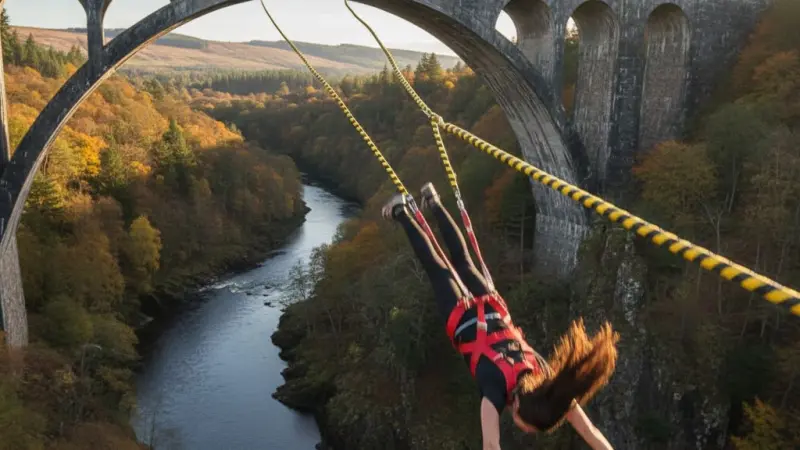
The bungee jumping sector in the United Kingdom represents a fascinating intersection of the "experience economy" and high-stakes engineering. Once considered a fringe activity for "adrenaline junkies," bungee jumping has matured into a sophisticated pillar of the UK’s adventure tourism landscape. Its economic importance extends far beyond the thrill of the leap; it supports a complex ecosystem of specialized equipment manufacturers, safety consultants, insurance underwriters, and local hospitality providers. As a British business analyst, observing this growth reveals a market that has professionalized rapidly, moving from improvised cranes to purpose-built platforms and permanent sites that contribute millions to regional economies annually.

In the UK, the industry is defined by a rigorous commitment to safety, often exceeding global standards. This commitment is the primary driver of consumer trust. For the domestic market, the act of bungee jumping is frequently tied to charitable fundraising, corporate team-building, and milestone celebrations, ensuring a steady stream of revenue that is less seasonal than other outdoor activities. To find the best operators within this competitive landscape, many consumers rely on a uk local business directory to vet reputations and proximity.
The economic ripple effect is significant. A single bungee site can revitalize a rural area or a decommissioned industrial site (such as the Leman Street or Battersea projects), drawing domestic tourists who spend on accommodation, dining, and transport. This guide provides a deep dive into the industry’s mechanics, the safety protocols that keep it airborne, and the business strategies required to thrive in a digital-first marketplace.
The Landscape of Bungee Jumping in the UK
The current market size of the UK bungee jumping industry is characterized by high barriers to entry but sustained demand. Following the upheaval of the pandemic, the sector has seen a remarkable "revenge travel" effect, where consumers are prioritizing unique experiences over material goods. Post-pandemic, operators have reported a 25% increase in bookings compared to 2019 levels, as the public seeks out visceral, life-affirming activities after years of restriction.
Key regions of activity remain concentrated around major urban hubs and iconic landmarks. London, Birmingham, and Manchester serve as primary weekend locations, often utilizing mobile cranes in central squares or near stadium precincts. However, permanent sites in the Highlands of Scotland and the valleys of Wales have gained traction as "destination jumps," where the scenery is as much a draw as the drop itself. For enthusiasts looking to plan their next excursion, using a business directory uk online has become the standard method for comparing regional offerings and checking availability.
The evolution of the industry is also marked by a shift in demographics. While the 18-30 age bracket remains the core customer base, there is a growing "silver leaper" trend, with retirees increasingly participating in bucket-list activities. This diversification requires operators to adapt their marketing and physical accessibility, ensuring that the thrill is inclusive while maintaining the highest possible safety margins. The industry has also pivoted towards integrated digital experiences, offering 4K video captures and social media-ready content as standard parts of the package, rather than optional extras.
Comprehensive Services Breakdown
The services offered within the bungee niche have expanded significantly to cater to varying levels of "fear tolerance" and group dynamics. Understanding these products is essential for both consumers and prospective business owners.
1. The Single Forward Jump
The bread and butter of the industry. This is the classic experience where the jumper is secured by the ankles and takes a swan dive from the platform. It remains the most popular choice for first-timers and charity fundraisers.
2. Tandem Bungee Jumps
Designed for couples or friends, this involves two people jumping simultaneously while harnessed together. This product requires specialized rigging and a higher degree of instructor oversight, often commanding a premium price point. For those searching for these niche providers, checking a business listing uk can reveal smaller, independent operators who specialize in these personalized experiences.
3. Backwards and "The Catapult"
For the seasoned jumper, backwards jumps remove the visual horizon, significantly increasing the perceived intensity. "The Catapult" (or reverse bungee) starts on the ground and launches the participant into the air, utilizing high-tension elasticated cords.
4. Night Jumps and Urban Drops
A growing trend in the UK is the "After Dark" jump, often set against the illuminated skylines of cities like London or Glasgow. These events are high-production affairs, often featuring music and light shows, turning a 30-second jump into a three-hour entertainment event.
5. Corporate and Charity Takeovers
Bungee jumping is a powerhouse for the UK B2B sector. Companies utilize these events for "Ice-breaking" and team resilience training. Charities partner with operators to host mass-participation days where hundreds of leapers raise funds for local causes.
The logistics of these events are complex, often requiring the services of multiple business listing uk listed vendors to provide catering, temporary structures, and medical support.
How to Choose the Right Service Provider
For the consumer, choosing a provider is the most critical step in the bungee journey. Safety is not a luxury; it is the fundamental product. In the UK, the British Elastic Rope Sports Association (BERSA) is the primary self-regulatory body, and while not a government agency, its standards are the benchmark for local authorities and insurers.
When vetting a provider, start by looking for a local business listings uk entry that provides verified reviews and a history of operation. A reputable company will be transparent about their equipment replacement cycles (the "life" of a bungee cord is measured in the number of jumps or age, whichever comes first).
Essential criteria include:
Accreditations: Ensure they follow BERSA or equivalent international standards.
Insurance: Public liability insurance is a non-negotiable. It should be prominently displayed or available upon request.
Instructor Ratios: There should always be a minimum of two instructors at the jump point—one to rig and one to double-check.
Local Reputation: Check for a uk service listings presence where you can see how the business interacts with the local community and handles customer feedback. A company that invests in its local digital presence is usually a company that invests in its long-term safety culture.
Industry Challenges & Future Outlook
The bungee jumping industry faces a unique set of challenges in the mid-2020s. Chief among these is the shift toward sustainability. Traditional bungee cords are made of high-quality latex, but the ancillary operations—mobile cranes, diesel generators, and plastic-heavy souvenir photos—are being overhauled. We are seeing a move toward electric-powered lifting systems and digital-only media delivery to reduce the carbon footprint.
Regulatory changes are also on the horizon. As the UK refines its post-Brexit health and safety frameworks, there is a push for more formal oversight of "high-risk" leisure activities. While the industry is currently well-managed, stricter licensing requirements may impact smaller operators. To stay ahead, many businesses are using a business listing uk to ensure they are visible to both customers and potential regulatory partners.
Technology is also introducing "Virtual Reality" prep-sessions. These allow nervous jumpers to experience a 360-degree simulation before the actual jump, which has been shown to reduce "refusal to jump" rates, thereby increasing operational efficiency. Maintaining a profile on a business listing uk ensures that as these new technologies are adopted, the business remains at the forefront of consumer search results.
Business Tips for Bungee Jumping Professionals
Marketing a local bungee business requires a blend of high-octane visual content and solid SEO foundations. Because this is a high-consideration purchase, customers will search extensively before booking. Digital visibility is the lifeline of the modern operator.
Your strategy should include:
Video Dominance: Short-form video (TikTok/Reels) is essential. Every jump is a marketing opportunity.
SEO and Local Search: Your business needs to appear when someone searches for "adventure activities near me." This is where appearing in a uk verified business listings database becomes vital. It provides backlink authority and builds trust.
Google Business Profile and Directories: Beyond Google, specialized directories provide the "social proof" that savvy consumers look for. Make sure your business is listed in a uk top rated local businesses index to stand out from temporary or less established competitors.
Trust-Building Content: Blog about safety, equipment, and "what to expect." Educational content reduces anxiety and positions your brand as an authority.
By leveraging a local page uk listings profile, you can manage your reputation effectively and ensure that your contact details and safety credentials are just a click away for potential jumpers.
Wrapping Up & Local Page Integration
The bungee jumping industry is a testament to the UK's love for adventure and its world-leading engineering standards. It is a sector that brings joy, raises millions for charity, and creates unforgettable memories. However, for these businesses to survive and thrive, they must bridge the gap between the physical thrill and the digital search.
For operators, visibility is the key to filling jump slots. For consumers, a trusted source of information is the key to safety. Local Page serves as the premier solution for this connection. As a leading uk business directory website, it allows local adventure providers to showcase their credentials, gather verified reviews, and reach a wider audience of thrill-seekers. Whether you are an operator looking to grow or a jumper looking for your next height, the right digital directory makes all the difference.
Boost Your Visibility with Local Page UK
In the competitive adrenaline sports market, being invisible online is the same as being closed. For bungee jumping professionals and adventure providers, capturing local search traffic is essential for a healthy booking calendar. We invite you to claim your business listing uk today. By joining our network, you place your brand in front of thousands of active users searching for high-quality UK services. Don't let your business stay on the ground—help it soar by joining the local page uk business directory today.
Frequently Asked Questions
1. What is the minimum age for bungee jumping in the UK?
In the United Kingdom, most reputable bungee jumping operators set a minimum age of 14 years. However, participants under the age of 16 (and sometimes up to 18) must have a parent or legal guardian present to sign a waiver and provide consent at the jump site.
There is no strict maximum age, provided the individual is in good health and meets the physical requirements. Some sites may require a doctor’s note for participants over 60 or 65. It is always best to verify specific age policies on a uk local business search before booking your experience to avoid disappointment on the day of the event.
2. Is bungee jumping safe for people with medical conditions?
Safety is the priority for all UK operators. If you have a history of heart conditions, high blood pressure, back or neck injuries, epilepsy, or neurological disorders, you are generally advised not to jump. Pregnant women are strictly prohibited from participating. If you have a manageable condition, most operators will require a letter from your GP stating you are fit to jump. Transparency is key; always inform the jump crew of any medical history during the check-in process. Professionalism in handling these queries is a hallmark of the uk professional services listings found on our platform.
3. What happens if it rains on the day of my jump?
Bungee jumping is an all-weather activity, and most sites in the UK will continue to operate during rain. The specialized latex cords and harnesses are designed to withstand wet conditions without compromising safety. However, extreme weather—such as high winds (typically over 40mph) or lightning—will result in a temporary suspension of activity. In such cases, reputable operators will offer a rebooking or a voucher. To stay updated on weather-related closures, it is recommended to follow the social media channels or contact details listed in the local businesses list uk for your specific provider.
4. How long does the entire experience take?
While the actual jump and freefall last only a matter of seconds, the entire experience usually takes between 60 and 90 minutes. This includes time for registration, a safety briefing, weighing (to calibrate the cord tension), harnessing, and the ascent to the platform. During peak periods or weekend events, wait times can be longer. Many jumpers choose to spend the afternoon at the site to watch others and soak in the atmosphere. You can often find providers that offer cafe facilities or viewing areas by browsing through a uk b2c business directory to find a site that offers a full day-out experience.
5. Can I wear my own GoPro or camera during the jump?
Most professional operators prohibit the use of personal cameras or "selfie sticks" during the jump for safety reasons. A dropped camera can become a dangerous projectile for those on the ground. Instead, almost all UK sites offer professional video and photo packages using fixed cameras and platform-mounted equipment. These are designed to capture the best angles safely. You can find out about the digital media packages offered by top-rated providers by visiting Localpage and checking the specific service descriptions provided by the local businesses.
6. What should I wear for my bungee jump?
Comfortable, sensible clothing is highly recommended. You should wear trousers or leggings (avoid skirts or dresses for obvious reasons) and ensure that your footwear is secure—trainers are ideal. Boots or slip-on shoes are often not allowed as they can come off during the jump. You will be required to remove everything from your pockets, as well as any loose jewelry or glasses. Most sites provide lockers or a secure area for your belongings. If you are looking for local shops to buy appropriate outdoor gear, check a uk home services directory for nearby retailers.
7. How are bungee cords tested for safety?
Bungee cords in the UK are subjected to rigorous testing and "logbook" monitoring. Each cord is made of hundreds of individual latex strands encased in a tough outer sheath. Operators track the "count" of every jump a cord performs. Once a cord reaches its pre-determined jump limit or its expiration date (usually measured in months), it is decommissioned, regardless of its appearance. This proactive approach ensures that the equipment never reaches a point of failure. Highly rated operators often detail their safety equipment standards on their uk business directory profiles to build trust with potential customers.
8. Is there a weight limit for bungee jumping?
Yes, every jump site has strict minimum and maximum weight limits to ensure the elastic cord performs as intended. Typically, the minimum weight is around 35kg-50kg (approx. 7 stone), and the maximum is often around 115kg-125kg (approx. 18-20 stone). These limits can vary based on the specific equipment and height of the jump. Participants are weighed twice—once at registration and once at the jump point—to ensure the correct cord is selected. You can find specific weight requirements for various locations by searching through uk b2b business directory listings for event equipment suppliers.
9. Can I get a refund if I decide not to jump at the last minute?
Generally, bungee jumping tickets are non-refundable if you "bottle it" at the jump point. The cost covers the slot, the staff time, and the equipment setup which has already been provided. However, many operators are understanding and may allow you to transfer the ticket to a friend or family member on the day. Some even offer a "refusal" insurance at the time of booking. It is worth checking the terms and conditions on the provider's uk business listings online page before purchasing to understand their specific policy on cancellations and change of heart.
10. How high are the bungee jumps in the UK?
The height of a bungee jump in the UK varies significantly depending on the location and setup. Mobile crane jumps, which are common in city centers, typically range from 160ft (50m) to 200ft (60m). Permanent bridge jumps or specialized platforms can go higher. One of the highest permanent jumps in the UK is the Bray Lake site or the specialized industrial sites in Yorkshire, reaching up to 400ft. To find the highest jump closest to your location, utilize a uk local trades directory to filter results by height and activity type.
11. Can I jump if I wear contact lenses or glasses?
Contact lenses are perfectly fine for bungee jumping, but glasses are generally not allowed as they can fall off or cause injury upon the snap-back of the cord. If you have a very strong prescription and feel uncomfortable without visual aid, some operators may allow specialized "sports goggles" with a secure strap, but this is at the discretion of the jump master. It is best to consult with the operator beforehand. You can reach out to them via the contact forms found on a uk service providers directory to get a definitive answer.
12. Are tandem jumps more dangerous than solo jumps?
Tandem jumps are not inherently more dangerous, but they do require more complex rigging and a strictly managed weight-balancing process. The combined weight of both jumpers must fall within the specific range for the "heavy-duty" cords used for tandems. The instructors are specially trained to handle the logistics of two people jumping at once. Tandem jumps are a fantastic way to share the adrenaline rush, and you can find specialized tandem providers by looking through uk trade services listings for adventure specialists.
13. How does bungee jumping compare to skydiving?
While both involve heights and freefall, the sensations are quite different. Skydiving offers a longer freefall from a much higher altitude, usually with a terminal velocity of 120mph. Bungee jumping is more of a "visceral" experience because you are closer to the ground and the structures around you, making the sense of speed feel more immediate. The "snap-back" and the bouncing sensation are unique to bungee. Both are highly regulated in the UK. For a comparison of local providers for both activities, a find local businesses uk search will yield the best results.
14. What is the history of bungee jumping in the UK?
Bungee jumping was popularized in the late 1970s and 1980s, inspired by the land-diving rituals of Pentecost Island. In the UK, it gained massive popularity in the 1990s as part of the extreme sports boom. Since then, the UK has become a global leader in bungee safety and engineering, with British companies exporting equipment and safety protocols worldwide.
The industry has evolved from a niche hobby to a professionalized leisure sector. You can find the history and milestones of major UK operators by researching their business profiles in a uk small business directory.
15. How can I find the most reputable bungee site near me?
The most effective way to find a reputable, safe, and highly-rated bungee jumping site is to use a dedicated local search platform. Look for providers that have a long-standing presence, clear safety certifications, and positive customer testimonials. By using Local page, you can easily compare different operators across the UK, view their location on a map, and access direct booking links. Whether you are looking for a crane jump in London or a bridge jump in Scotland, our directory provides the most up-to-date and verified information for all your adventure needs.

Disclaimer: The information provided in this article is for general informational and research purposes only. Company details, features, services, and market positions may change over time. Readers are advised to visit official company websites and conduct independent research before making any business decisions or purchasing services.
Most Searchable Keywords

Recent Blogs


Related Listings


Categories
- Accountants (295)
- Advertising Agencies (559)
- Architects (149)
- Automobiles (377)
- Beauty (300)
- Carpenters (146)
- Cleaning Services (386)
- Dentists (189)
- Driving (62)
- Electricians (215)
- Energy (8)
- Event Organiser (685)
- Finance (599)
- Guide (3365)
- Health (2207)
- Information technology (206)
- Legal Services (353)
- Logistics (6)
- Maintenance (65)
- Manufacturing (35)

Sponsored Listings in Locksmith Services

Related Blogs
Gen Z Political Reporters and News Creators i...
Read this insightful article "Gen Z Political Reporters and News Creators in the UK" to expand your knowledge!

Famous Female Social Media Influencers Across...
Read this insightful article "Famous Female Social Media Influencers Across the UK" to expand your knowledge!

Your UK Sponsor Licence 2026 Step by Step Gui...
Read this insightful article "Your UK Sponsor Licence 2026 Step by Step Guide" to expand your knowledge!
Questions & Answers – Find What
You Need, Instantly!
How can I update my business listing?
Is it free to manage my business listing?
How long does it take for my updates to reflect?
Why is it important to keep my listing updated?
