
Car Importing Explained: Costs, Compliance & Best Practices
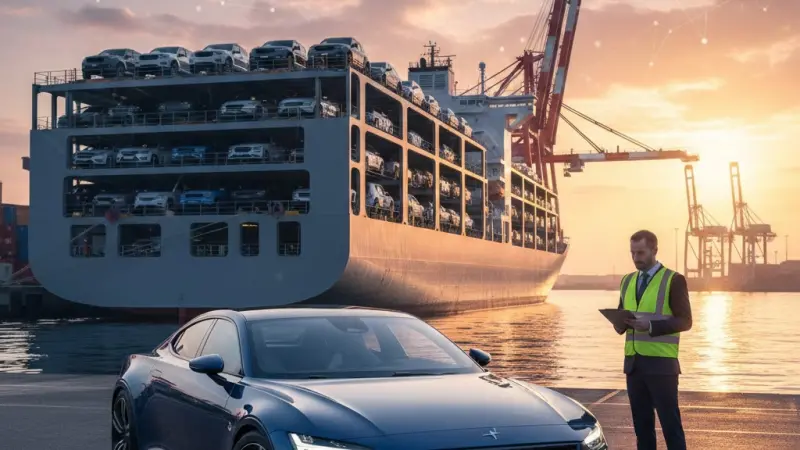
The automotive landscape in the United Kingdom has always been defined by a sophisticated blend of domestic manufacturing heritage and a robust appetite for international engineering. Within this broader context, the car importing sector serves as a vital artery for the UK economy, facilitating the flow of high-end luxury vehicles, unique classic models, and cost-effective alternatives from global markets. For the British consumer and the professional trader alike, importing a vehicle is not merely a logistical exercise; it is a strategic business decision that demands a profound understanding of regulatory frameworks and financial overheads.

Car importing contributes significantly to the UK's multi-billion pound automotive sector. It sustains a sprawling ecosystem of shipping firms, customs agents, compliance specialists, and local garages. As the UK continues to navigate its unique economic position post-Brexit, the importance of a transparent and efficient import process has never been more critical. Businesses operating in this space must balance the allure of global inventory with the rigorous demands of the Driver and Vehicle Standards Agency (DVSA) and HM Revenue and Customs (HMRC).
Whether dealing with Individual Vehicle Approval (IVA) for non-EU models or navigating the complexities of VAT and Duty on Japanese performance cars, the sector requires high levels of expertise. To find the most reliable partners in this journey, many turn to a uk online business directory to source verified professionals. This introduction explores how the industry has become a cornerstone of British automotive enthusiasts' culture and a lucrative opportunity for specialized entrepreneurs.
The Landscape of Car Imports in the UK
The UK car import market has undergone a radical transformation over the last decade. Historically, the focus was primarily on "grey imports" from Japan—vehicles that offered higher specifications and better maintenance than their UK counterparts. However, the modern landscape is much more diverse. Today, we see a surge in electric vehicles (EVs) from emerging Asian markets, classic American muscle cars, and prestige European marques that are specifically sourced to meet the bespoke demands of a discerning British clientele.
The current market size remains resilient despite global supply chain fluctuations. Activity is particularly concentrated around major port cities such as Southampton, Bristol, and Felixstowe, which act as the primary gateways for containerized and Ro-Ro (Roll-on/Roll-off) shipments. Post-pandemic, the industry has evolved significantly. The shortage of new vehicle stock in the UK between 2021 and 2023 led to a spike in international sourcing, as buyers sought immediate availability rather than waiting months for domestic factory orders. This shift has cemented importing as a mainstream alternative rather than a niche hobby.
Furthermore, the "Post-Brexit" era has introduced new administrative layers for vehicles arriving from the European Union. What was once a seamless transfer of goods now requires formal declarations, necessitating a higher level of professional intervention. Many small-to-medium enterprises (SMEs) have risen to fill this gap, offering turnkey solutions for customs clearance. For those looking to browse the available expertise, consulting a uk business directory website is the standard first step for both private buyers and commercial fleets.
Comprehensive Services Breakdown
The services within the car import niche are highly specialized, reflecting the technical and legal hurdles involved. A successful import is rarely the result of a single company's effort but rather a chain of experts working in tandem.
Sourcing and Inspection Agents: These professionals operate on the ground in markets like Japan, the UK, and the EU. They provide high-resolution photography, mechanical inspections, and background checks to ensure the vehicle matches the buyer's expectations before a single penny is spent on shipping.
Logistics and Freight Forwarders: Specializing in automotive transport, these firms manage the physical movement of the vehicle. This includes "Ro-Ro" shipping, which is cost-effective for standard cars, and "Containerized Shipping," which offers maximum protection for high-value or vintage vehicles.
Customs Clearance and VAT Handling: Navigating HMRC's NOVA (Notification of Vehicle Arrivals) system is perhaps the most daunting part of the process. Specialists ensure that the correct Duty and VAT are paid, preventing costly delays or vehicle seizures at the border.
Compliance and Homologation: Once in the UK, most imports must be modified to meet UK road standards. This includes adjusting headlight patterns, installing rear fog lights, and ensuring the speedometer displays MPH. IVA (Individual Vehicle Approval) testing is the gold standard for verifying these changes.
Registration and Documentation: The final step involves the DVLA (Driver and Vehicle Licensing Agency). Registration specialists handle the V5C logbook application, ensuring all historical foreign documents are correctly translated and processed.
For entrepreneurs looking to grow their presence in this competitive field, securing a business listing uk on a reputable platform can significantly enhance their reach. By listing their specialized services, they ensure that when a customer searches for "IVA testing" or "Japanese import shipping," their brand is visible.
How to Choose the Right Service Provider
Selecting a service provider in the car import industry is a decision that involves protecting a high-value asset. The risk of fraud or mechanical disappointment is non-negligible, making the vetting process paramount. Consumers are advised to look for a combination of formal accreditations and localized "social proof."
Accreditations: Look for memberships in organizations like the British International Freight Association (BIFA) or the Retail Motor Industry Federation (RMI).
These memberships suggest a commitment to industry standards and ethical practice.
Reviews and Testimonials: In the digital age, a company's reputation is visible. However, one must look beyond the star rating. Detailed reviews that discuss how a company handled a problem are often more valuable than glowing praise for a simple transaction.
Insurance Coverage: Ensure the provider has specific Marine Insurance if shipping, and robust "Goods in Transit" insurance once the vehicle is on British soil. A reputable agent will always be transparent about their policy limits.
Local Reputation: Often, the best specialists are those with a long-standing history in a specific port town or city. Using local business listings uk allows buyers to find experts who have a physical presence and a verifiable track record within their own community.
Transparency in pricing is another crucial factor. A professional provider will give a "landed cost" estimate that includes shipping, duty, taxes, and estimated compliance costs, rather than just the purchase price of the car.
Industry Challenges & Future Outlook
The car import sector is currently at a crossroads, facing both regulatory pressures and technological opportunities. The most significant shift is the global transition toward sustainability. The UK’s commitment to phasing out new petrol and diesel cars by 2035 is already influencing import patterns. We are seeing a marked increase in the importation of high-tech EVs from China and the US, where production volumes often exceed domestic UK supply.
However, green initiatives also present challenges. Clean Air Zones (CAZ) and London’s Ultra Low Emission Zone (ULEZ) mean that older imports, particularly older diesel models from Europe, are becoming less viable for many UK drivers. This is forcing importers to pivot toward "Modern Classics"—petrol cars that are over 40 years old and benefit from tax and MOT exemptions—or the latest zero-emission technology.
Regulatory changes post-Brexit continue to settle, but the industry remains wary of further divergence between UK and EU vehicle standards. Digitalization is the industry's primary response to these hurdles. Cloud-based customs filing and real-time GPS tracking for shipments are now standard requirements. To remain relevant, even the most traditional firms are realizing they need to appear on a business listing uk to capture the next generation of digital-native car enthusiasts. The future belongs to those who can combine old-school mechanical knowledge with modern digital transparency.
Business Tips for Car Imports Professionals
For the local business owner specializing in car imports, marketing is no longer about just "word of mouth." In a saturated market, digital visibility is the differentiator between a thriving workshop and a struggling one. SEO (Search Engine Optimization) and localized digital marketing are the most potent tools at an importer's disposal.
First, focus on "Hyper-Local" visibility. Most customers looking for an import specialist will search for someone nearby to avoid high transport costs within the UK. Ensuring your business appears in uk service listings is an essential step in capturing this local intent. Secondly, content marketing is vital. Providing detailed guides on your website about "How to import a car from Dubai" or "The cost of shipping from Japan" establishes you as an authority, building trust before the customer even picks up the phone.
Thirdly, leverage social media. The car import business is inherently visual. Short-form videos of a freshly unboxed Nissan Skyline or the restoration of a classic Porsche 911 generate high engagement. Finally, data accuracy is king. Ensure your address, phone number, and operating hours are consistent across every uk business directory you are listed on. Inconsistent data can hurt your search engine rankings and confuse potential clients, leading them straight into the arms of a more organized competitor.
Wrapping Up & Local Page Integration
The car import industry is a complex, high-stakes, yet rewarding sector that fuels the British passion for automotive excellence. From the logistical brilliance required to move a vehicle across oceans to the technical precision of UK compliance testing, every step in the chain adds value to the consumer. For the business professional, it represents a landscape of opportunity, provided they can navigate the evolving regulatory and digital requirements.
As we have explored, the bedrock of a successful import business—or a successful import purchase—is the ability to find and connect with verified, high-quality service providers. This is where Local Page becomes an indispensable tool. By bridging the gap between specialized service providers and the customers who need them, it streamlines the discovery process in a way that traditional search engines often fail to do.
Whether you are a shipping agent, a customs broker, or a specialized mechanic, your digital footprint is your modern storefront. By integrating your business into a trusted local page uk business directory, you ensure that your expertise is accessible to those who are searching for exactly what you offer. As the UK automotive market continues to internationalize, staying connected through localized hubs will be the key to driving the industry forward.
Boost Your Visibility with Local Page UK
In the competitive world of car imports, standing out is a necessity, not an option. Your potential customers are searching for reliable partners right now. Don't let your expertise go unnoticed. By choosing to business listing uk on our platform, you position your brand in front of a targeted audience specifically looking for UK-based professionals. Claim your spot today and let Local Page UK help you drive more traffic, generate more leads, and grow your local automotive business.
Frequently Asked Questions
What is the Notification of Vehicle Arrivals (NOVA) system?
The NOVA system is a mandatory online tool managed by HMRC used to notify the government when a vehicle is brought into the UK from abroad. Whether you are importing for commercial or private use, you must report the arrival within 14 days. This system calculates the amount of VAT and Duty owed based on the vehicle's value and origin. Failing to complete a NOVA notification can lead to significant fines and will prevent you from being able to register the vehicle with the DVLA. It is often the first major hurdle in the compliance process for any car importer.
How much does it cost to import a car from Japan to the UK?
The costs vary significantly depending on the shipping method and the vehicle's value. Generally, you can expect to pay between £1,200 and £2,500 for shipping alone (Ro-Ro vs. Container). On top of this, you must account for 10% Import Duty and 20% VAT (calculated on the combined cost of the car and the shipping). Local compliance work for IVA testing usually costs between £500 and £1,500. Finally, the DVLA registration fee and the first year’s road tax must be paid. It is a complex calculation that requires a detailed "landed cost" breakdown before proceeding.
What is Individual Vehicle Approval (IVA) and do I need it?
IVA is a UK-specific inspection for vehicles that have not been "type-approved" to British or European standards. This typically applies to cars imported from outside the EU, such as the UK, Japan, or UAE. The test ensures the vehicle meets safety and environmental standards, covering aspects like brake performance, lighting patterns, and emissions. If your vehicle is less than 10 years old and was not originally built for the UK market, you will almost certainly require an IVA test before it can be legally registered and driven on British roads.
Can I import a car from the EU post-Brexit without paying Duty?
Since the UK left the European Union, vehicles arriving from the EU are subject to new rules. While "The Trade and Cooperation Agreement" allows for zero tariffs on goods originating in the EU, this only applies if the car was actually manufactured in the EU. For example, a German-made BMW imported from France may qualify for zero duty, but a Japanese-made car imported from a German dealership may still attract the 10% duty. In almost all cases, 20% Import VAT is now applicable, regardless of the vehicle's origin, making professional customs advice essential.
Where can I find a reliable car import specialist near me?
Finding a specialist requires a strategic search for verified local experts. The most efficient way to source these professionals is to use a dedicated directory like Localpage, which categorizes businesses by location and expertise. Look for providers who offer comprehensive "port-to-door" services, as this reduces the risk of miscommunication between different agents. Always check for recent customer feedback and ensure they have experience with the specific make and model of the vehicle you intend to import, as American, Japanese, and European imports all have very different compliance requirements.
How do I register a classic car that is over 40 years old?
Classic cars over 40 years old benefit from several exemptions in the UK. They are generally exempt from Vehicle Excise Duty (Road Tax) and the annual MOT test, provided no substantial changes have been made to them. When importing, you still need to complete the NOVA process, but you may qualify for a reduced VAT rate (currently 5%) and zero duty under specific "historic interest" headings. You will need to provide the DVLA with original foreign registration documents or a letter of dating evidence from a recognized brand club to confirm the vehicle's age.
What modifications are usually required for a Japanese import?
Japanese cars require several standard modifications to pass UK compliance. The most common is the conversion of the speedometer from Kilometres per hour (KPH) to Miles per hour (MPH), often achieved with a simple chip or a new dial face. Additionally, a rear fog light must be installed, as these are not mandatory in Japan. Headlights also need adjustment or replacement to ensure the beam pattern does not dazzle oncoming drivers in the UK's left-hand traffic system. Lastly, the radio frequencies in Japan differ, so a frequency expander or a new UK head unit is usually installed.
Is it possible to import a car as part of a personal move (Transfer of Residence)?
Yes, if you are moving your primary residence to the UK, you may be eligible for Transfer of Residence (ToR) relief. This allows you to import your personal vehicle without paying Import Duty or VAT, provided you have owned and used the vehicle abroad for at least six months and have lived outside the UK for at least 12 months. You must apply for ToR relief via HMRC before the vehicle arrives. Even with the tax relief, the vehicle must still meet UK road safety standards and undergo the standard registration process with the DVLA.
How long does the entire car import process take?
The timeline varies based on the origin of the car and the current backlog at testing stations. Shipping from Japan or the UK typically takes 4 to 8 weeks. Once the car arrives, customs clearance usually takes 3 to 7 days. Compliance modifications and the IVA testing appointment can take another 2 to 3 weeks. Finally, DVLA registration can take between 2 and 6 weeks to process the paperwork and issue a UK plate. On average, you should budget for a 3 to 4-month journey from the moment of purchase to the moment you can drive it.
What documents do I need to provide to the DVLA for registration?
To register an imported car, you will need the original foreign registration document (or a certificate of export), a completed V55/5 application form, the IVA or MOT certificate, and evidence of the NOVA declaration. You also need to provide a copy of your UK driving license or other proof of identity and address. If the vehicle is a classic, you might need a dating letter. It is vital to keep all original shipping and purchase invoices, as the DVLA may request these to verify the vehicle's history and ensure no clerical errors were made during the import phase.
Why are "Grey Imports" sometimes cheaper to insure?
"Grey imports" are vehicles imported through non-official channels, often with higher specs than UK models. While they were once difficult to insure, many specialist UK brokers now cater specifically to this market. They can sometimes be cheaper because the owners are often enthusiasts who take better care of their vehicles. However, standard mainstream insurers may charge more or refuse cover because parts can be harder to source, leading to longer repair times. It is always best to seek out a specialist "import car insurance" broker who understands the actual value and risk profile of these unique vehicles.
What happens if my car fails the IVA test?
If a vehicle fails its IVA test, the examiner will provide a "Refusal to issue an Individual Approval Certificate" (IAC), detailing the specific areas of failure. You will be given a period (usually 10 working days) to rectify the issues and apply for a retest at a reduced fee. Common failures include minor issues like incorrect light angles or sharp edges on bodywork. Most professional import agents will pre-inspect the car to ensure it passes the first time, as repeated failures can lead to significant storage costs and delays in getting the vehicle on the road.
Are there specific rules for importing American cars?
American imports often require more extensive lighting modifications than Japanese cars. US vehicles frequently use red rear indicators and "all-in-one" brake/turn signals, which are illegal in the UK. These must be re-wired to provide amber indicators. Additionally, American cars are often left-hand drive (LHD). While LHD is perfectly legal in the UK, you must ensure your insurance company is aware, and you may need to fit "blind spot" mirrors to assist with overtaking. The sheer size of some American trucks also means you must verify they meet UK width restrictions before shipping.
Can I import an Electric Vehicle (EV) from China?
Importing EVs from China is a growing trend due to their advanced technology and competitive pricing. However, these vehicles must still pass the UK's IVA test. One major challenge is the charging standard; China uses the GB/T system, while the UK uses Type 2/CCS. You will likely need adapters or a converted charging port to use UK infrastructure. Furthermore, you must ensure the manufacturer provides technical documentation in English to satisfy the DVSA. As these cars become more common, more specialists are appearing in the UK to handle these specific electrical conversions.
How can I verify the history of a car before importing it?
Verifying history is crucial to avoid "accident repair" or "flood-damaged" vehicles. For Japanese cars, the "Auction Sheet" is the most important document, grading the car's condition from 1 to 5. For US cars, a CARFAX or AutoCheck report provides a comprehensive history of accidents, title issues, and mileage. In Europe, service history books and national registry checks are standard. Always hire an independent third-party inspector to view the car in person before shipping. To find consultants who can help with international verification, you can search for expert advisors on Local page.

Disclaimer: The information provided in this article is for general informational and research purposes only. Company details, features, services, and market positions may change over time. Readers are advised to visit official company websites and conduct independent research before making any business decisions or purchasing services.
Most Searchable Keywords

Recent Blogs



Related Listings


Categories
- Accountants (295)
- Advertising Agencies (559)
- Architects (149)
- Automobiles (377)
- Beauty (300)
- Carpenters (146)
- Cleaning Services (386)
- Dentists (189)
- Driving (62)
- Electricians (215)
- Energy (8)
- Event Organiser (685)
- Finance (599)
- Guide (3365)
- Health (2207)
- Information technology (206)
- Legal Services (353)
- Logistics (6)
- Maintenance (65)
- Manufacturing (35)

Sponsored Listings in Locksmith Services


Related Blogs

Gen Z Political Reporters and News Creators i...
Read this insightful article "Gen Z Political Reporters and News Creators in the UK" to expand your knowledge!

Famous Female Social Media Influencers Across...
Read this insightful article "Famous Female Social Media Influencers Across the UK" to expand your knowledge!

Your UK Sponsor Licence 2026 Step by Step Gui...
Read this insightful article "Your UK Sponsor Licence 2026 Step by Step Guide" to expand your knowledge!
Questions & Answers – Find What
You Need, Instantly!
How can I update my business listing?
Is it free to manage my business listing?
How long does it take for my updates to reflect?
Why is it important to keep my listing updated?
