
Carpet & Fabric Proofing Solutions for Long-Lasting Protection
The soft furnishings industry in the United Kingdom has undergone a significant transformation over the last decade. As homeowners and commercial property managers increasingly view high-quality carpets and upholstery as long-term investments rather than disposable assets, the demand for professional "proofing" or protection services has skyrocketed. In the UK, where the variable climate often brings dampness and mud into the home, the economic importance of the carpet and fabric proofing sector cannot be overstated.

This niche industry contributes millions to the UK economy annually, supporting a vast network of independent technicians, specialized cleaning firms, and chemical manufacturers. Beyond the immediate financial turnover, the sector plays a critical role in the "circular economy" by extending the lifespan of textiles, thereby reducing landfill waste and the carbon footprint associated with manufacturing new synthetic fibers. For many households, a professional carpet proofing treatment can double the life of a carpet, saving thousands of pounds in replacement costs. To discover the breadth of professionals operating in this space, consumers often turn to a uk local business directory to find reputable experts in their specific county.
As we move further into the 2020s, the sophistication of these treatments has evolved. No longer just a simple "spray and walk away" service, modern proofing involves nanotechnology, eco-friendly fluorochemicals, and antimicrobial barriers. This guide explores the UK landscape of fabric protection, offering deep insights for both the discerning property owner and the ambitious business professional.
The Landscape of Carpet & Fabric Proofing in the UK
The current market for carpet and upholstery protection in Britain is characterized by a blend of traditional cleaning franchises and highly specialized boutique firms. Post-pandemic, there has been a notable shift in consumer behavior. The "Home Improvement Boom" of 2020-2022 led to record sales in luxury floorings and bespoke velvet furniture. Consequently, the aftercare market has seen a sustained 15% year-on-year growth.
Key regions of activity are naturally concentrated in high-density urban areas like London, Manchester, and Birmingham, but there is a growing trend in affluent rural pockets where high-end "country living" aesthetics require significant textile upkeep. The industry has also pivoted towards health-conscious solutions. Following the global health crisis, many proofing agents now include viral inhibitors, making them attractive to schools, healthcare facilities, and offices.
This evolution has made it vital for businesses to maintain a strong digital presence. For a company to remain competitive, they must ensure they are visible where customers are searching. Many successful firms have found that being listed on a uk b2b business directory provides the necessary authority to secure lucrative commercial contracts. The transition from purely "stain protection" to "total textile hygiene" has redefined the industry's value proposition.
Comprehensive Services Breakdown
The world of fabric proofing is diverse, ranging from residential stain guarding to heavy-duty industrial fire retardancy. Understanding these services is essential for both service providers and clients.
Fluorochemical Protectors: These are the industry standard for liquid repellency. They create an invisible molecular shield around each fiber, preventing oil and water-based spills from penetrating the fabric core.
Nanotechnology Barriers: The "new guard" of proofing. These treatments work at a sub-microscopic level, offering superior durability and breathability without altering the texture of delicate silks or wools.
Antimicrobial and Anti-Allergen Treatments: Particularly popular in the UK's damp climate, these prevent the growth of mold, mildew, and dust mites within the carpet pile.
Flame Retardant Finishing: A legal requirement for many UK commercial spaces. Specialized providers offer documented proofing that meets British Safety Standards (BS 5852).
Moth Proofing: Essential for high-end wool rugs and carpets, protecting natural fibers from insect damage.
Professionals offering these high-level services often utilize a business listing uk to highlight their specialized certifications to a local audience. By diversifying their service menu, providers can move from seasonal cleaning to year-round protection and maintenance contracts.
How to Choose the Right Service Provider
Choosing a carpet and fabric proofing specialist requires more than a quick search; it requires due diligence. The UK market is unfortunately unregulated in some aspects, meaning anyone can purchase a spray bottle and claim to be a professional.
To avoid damage to expensive fabrics, consumers should look for:
Accreditations: Look for members of the NCCA (National Carpet Cleaners Association) or similar bodies.
Insurance: A legitimate provider will have Treatment Risk Insurance, which covers the specific item being worked on.
Reviews: Authentic, locally-sourced testimonials are gold.
Product Safety: Ensure they use REACH-compliant chemicals that are safe for children and pets.
For the most reliable results, searching through uk service listings allows customers to compare verified professionals who have an established reputation in their community. A provider who is willing to perform a "patch test" on an inconspicuous area of the fabric is usually a sign of a true expert who understands textile chemistry.
Industry Challenges & Future Outlook
The carpet and fabric proofing industry faces a dual challenge: environmental regulation and technological disruption. The "Green Revolution" in the UK has put perfluorinated compounds (PFAS) under intense scrutiny. Leading UK firms are now racing to adopt PFAS-free alternatives that offer the same level of protection without the environmental "forever chemical" baggage.
Sustainability is no longer a niche preference; it is a business imperative. Customers are increasingly asking about the biodegradable nature of proofing agents. Furthermore, the rise of "smart textiles"—fabrics with built-in stain resistance—poses a long-term threat to traditional post-purchase proofing. However, the existing stock of millions of square meters of traditional carpet in UK homes ensures that the proofing industry will remain relevant for decades.
To navigate these shifts, businesses must leverage modern marketing tools. Staying updated on a business listing uk ensures that as consumer trends change, your business remains at the forefront of the digital conversation. The future belongs to those who combine traditional craftsmanship with modern, eco-friendly chemical engineering.
Business Tips for Carpet & Fabric Proofing Professionals
For local professionals, the biggest hurdle isn't the technical work—it's being found. In a crowded
marketplace, digital visibility is the difference between a full diary and a quiet week.
Local SEO is King: Optimize your website for "carpet proofing in [Your City]."
Visual Proof: Use video content to show water beads rolling off a treated fabric. This "wow factor" is perfect for social media.
Cross-Promotion: Partner with local interior designers and carpet showrooms.
Directory Saturation: Ensure your business is present on every uk home services directory available.
Consistency in your NAP (Name, Address, Phone number) data across the web is vital for Google rankings. By claiming your spot on high-traffic platforms, you build the "trust signals" that search engines love.
Wrapping Up & Local Page Integration
Carpet and fabric proofing is an essential service for the preservation of British interiors. From protecting the family sofa to maintaining the prestige of a corporate boardroom, the value provided by these specialists is immense. As we have seen, the industry is moving towards a greener, more technologically advanced future.
For UK businesses in this sector, growth is directly tied to accessibility. Customers want to find experts quickly and easily. This is where Local Page UK becomes an invaluable asset. By bridging the gap between high-quality service providers and local demand, it serves as the premier hub for the UK's trade and professional services. Whether you are a consumer looking for protection or a business looking for clients, the right connection starts with a comprehensive directory.
Boost Your Visibility with Local Page UK
In the competitive world of home maintenance, your expertise deserves to be seen. For professionals in the Carpet & Fabric Proofing sector, appearing in front of local customers at the exact moment they need your help is the key to scaling. We invite you to business listing uk today. Join thousands of other verified UK tradespeople and start building your online reputation on a platform designed to support British small businesses.
FAQ
1. What exactly is carpet and fabric proofing?
Carpet and fabric proofing is the application of a specialized chemical barrier—often referred to as a "stain guard"—to the fibers of carpets, rugs, or upholstery. This treatment is designed to repel liquids and prevent dirt from bonding with the textile.
By creating this invisible shield, the service ensures that spills remain on the surface for longer, allowing the owner to blot them away before a permanent stain can form. It is a proactive maintenance step that protects the aesthetic and structural integrity of expensive interior furnishings over the long term.
2. Is fabric protection safe for children and pets?
Yes, modern fabric protection solutions used by professional UK service providers are generally very safe once they have dried. Most reputable companies now utilize water-based, non-toxic formulas that are free from harsh solvents and odors. However, it is always recommended to keep children and pets out of the room during the actual application and until the fabric is completely dry, which usually takes 2 to 4 hours. You should always ask your technician for the Material Safety Data Sheet (MSDS) if you have specific concerns regarding allergies or sensitivities.
3. How long does a typical proofing treatment last?
A professional proofing treatment typically lasts between 12 to 24 months, depending on the level of foot traffic and the frequency of cleaning. In high-traffic areas like hallways or living rooms, the protective coating may wear down faster due to mechanical abrasion from shoes and vacuuming. For items that are used less frequently, such as bedroom carpets or formal dining chairs, the protection can last significantly longer. Most experts recommend a "re-proofing" service after every professional deep clean to ensure the barrier remains effective and unbroken.
4. Can I apply proofing spray myself?
While there are many "off-the-shelf" aerosol cans available in supermarkets, they are rarely as effective as professional-grade treatments. DIY products often provide uneven coverage and lack the concentrated active ingredients used by specialists. Furthermore, incorrect application can lead to "over-wetting," which might cause fabric shrinkage or browning on natural fibers like wool or cotton. A professional technician uses high-pressure equipment to ensure every fiber is coated from the base to the tip, providing a much higher level of durability and performance.
5. Does proofing make the carpet waterproof?
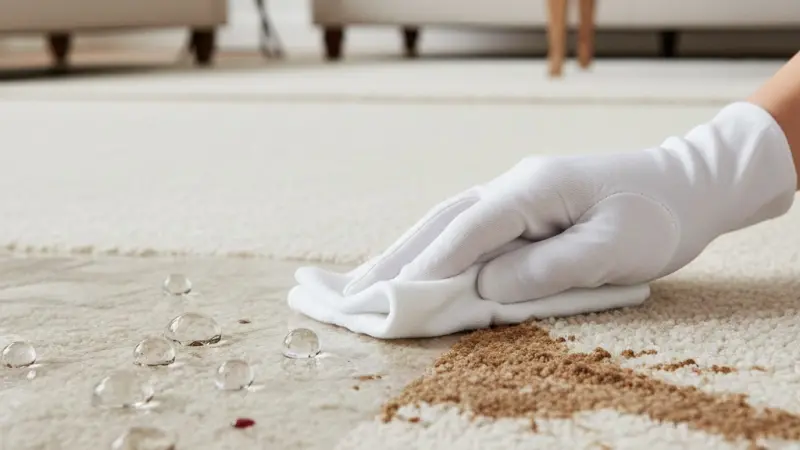
No, carpet proofing does not make the material 100% waterproof; rather, it makes it highly water-repellent. If you spill a glass of water on a treated carpet, the liquid will "bead up" on the surface, giving you time to clean it. However, if the liquid is left for an extended period, or if it is forced into the pile by pressure (like someone stepping on the spill), it will eventually penetrate the barrier. It is a tool to help you prevent stains, not a license to leave spills unattended. You can find local experts on Localpage who can explain the limitations and benefits in more detail.
6. Will the treatment change the look or feel of my sofa?
A high-quality, professionally applied fabric protector should be completely invisible to both the eye and the touch. It does not change the color, texture, or breathability of the fabric. Whether you have a delicate velvet sofa or a rugged sisal rug, the treatment works at a molecular level without stiffening the fibers. Some lower-quality silicone-based sprays might leave a slight residue, which is why it is vital to choose a specialist who uses premium fluorochemical or nano-tech products.
7. Does proofing protect against all types of stains?
Proofing is highly effective against most common household spills, such as coffee, tea, wine, and fruit juices. It is also excellent at repelling oily substances and dry soil. However, there are certain "acid-dye" stains—such as those found in some hot mustard, turmeric, or specific medicines—that can sometimes bypass the protector if not treated immediately. Additionally, no protector can prevent "wear patterns" or physical damage to the fibers. It is a significant defense, but immediate spot cleaning is still the best practice for any spill.
8. Is it worth proofing an old carpet?
While it is always best to proof a carpet when it is brand new or immediately after a professional deep clean, older carpets can still benefit. If an old carpet is still in good structural condition, a deep clean followed by a proofing treatment can revitalize its appearance and make future maintenance much easier. However, proofing will not "fix" existing stains or wear; it only protects the current state of the fibers. Many homeowners find that proofing an older carpet helps defer the cost of a full replacement for several years.
9. How soon can I walk on the carpet after treatment?
It is best to wait until the carpet is completely dry before walking on it with shoes or allowing pets to roam freely. Walking on a damp, treated carpet can sometimes "track" dirt into the damp fibers or disturb the even distribution of the protector. Most treatments dry within a few hours, but 24 hours is the standard recommendation for "total cure" time. If you must walk on it sooner, doing so in clean white socks is the safest method to avoid transferring oils or dyes onto the fresh treatment.
10. Do new carpets come with protection already applied?
Many modern synthetic carpets (like nylon or polyester) are treated with a stain protector at the factory during the manufacturing process. However, this factory treatment is often quite thin and can be partially removed by the friction of shipping, installation, and initial vacuuming. Furthermore, many natural fiber carpets, like wool, are rarely pre-treated. Even if your carpet has a factory warranty, applying a professional post-installation protector provides an extra layer of security that often exceeds the basic standards set by manufacturers.
11. Can silk or viscose rugs be proofed?
Silk and viscose are extremely sensitive to moisture and can be easily ruined by water-based cleaning or proofing. However, specialized "solvent-based" or "dry" protectors exist specifically for these luxury fibers. These products protect the rug without causing the fibers to swell or lose their signature sheen. Because these materials are so delicate, you should only ever hire a high-end specialist who has specific experience with oriental rugs and "art silk" to perform the application.
12. How does proofing help with vacuuming?
Proofing doesn't just stop spills; it also stops dry soil from "keying" into the fibers. Without protection, microscopic bits of grit and dirt can become lodged deep within the carpet pile, where they act like tiny saws, cutting the fibers every time you walk on them. A protected carpet allows the vacuum cleaner to remove a much higher percentage of this abrasive soil, as the dirt cannot "stick" to the coated fibers. This significantly reduces the rate of mechanical wear and keeps the carpet looking newer for longer.
13. Is proofing the same as flame retardancy?
No, they are two very different treatments. Stain proofing is for aesthetics and longevity, while flame retardancy is a safety treatment designed to slow the spread of fire. While some commercial-grade products can do both, a standard residential "stain guard" offers no significant fire protection. If you are a business owner requiring fire certification for insurance purposes, you must specifically request a flame retardant treatment that complies with UK fire safety regulations, rather than a standard carpet protector.
14. Why is professional proofing better than the store-bought versions?
The primary difference lies in the chemistry and the application method. Professional products are usually "cationic" or "anionic" specialized formulas designed to bond chemically with specific fiber types. Professionals also use specialized spray tips that produce a specific "micron size" droplet, ensuring the product doesn't
just sit on the surface but wraps around every part of the fiber. Store-bought cans are a "one size fits all" solution that often fails to bond correctly, leading to a waste of money and inadequate protection.
15. How do I find a verified proofing specialist near me?
The most efficient way to find a reliable professional in the UK is to consult a dedicated service directory. By using a platform like Local page, you can filter by location and service type to find technicians who are vetted and reviewed by other members of your community. This ensures you are hiring a legitimate business with the right insurance and expertise to handle your specific fabric types, rather than taking a risk with an unverified advert on social media.

Disclaimer: The information provided in this article is for general informational and research purposes only. Company details, features, services, and market positions may change over time. Readers are advised to visit official company websites and conduct independent research before making any business decisions or purchasing services.
Most Searchable Keywords

Recent Blogs



Related Listings

Categories
- Accountants (295)
- Advertising Agencies (559)
- Architects (149)
- Automobiles (377)
- Beauty (300)
- Carpenters (146)
- Cleaning Services (386)
- Dentists (189)
- Driving (62)
- Electricians (215)
- Energy (8)
- Event Organiser (685)
- Finance (599)
- Guide (3365)
- Health (2207)
- Information technology (206)
- Legal Services (353)
- Logistics (6)
- Maintenance (65)
- Manufacturing (35)

Sponsored Listings in Locksmith Services

Related Blogs

Gen Z Political Reporters and News Creators i...
Read this insightful article "Gen Z Political Reporters and News Creators in the UK" to expand your knowledge!

Famous Female Social Media Influencers Across...
Read this insightful article "Famous Female Social Media Influencers Across the UK" to expand your knowledge!

Your UK Sponsor Licence 2026 Step by Step Gui...
Read this insightful article "Your UK Sponsor Licence 2026 Step by Step Guide" to expand your knowledge!
Questions & Answers – Find What
You Need, Instantly!
How can I update my business listing?
Is it free to manage my business listing?
How long does it take for my updates to reflect?
Why is it important to keep my listing updated?
