
Catering Equipment Buying Guide for Commercial Kitchens
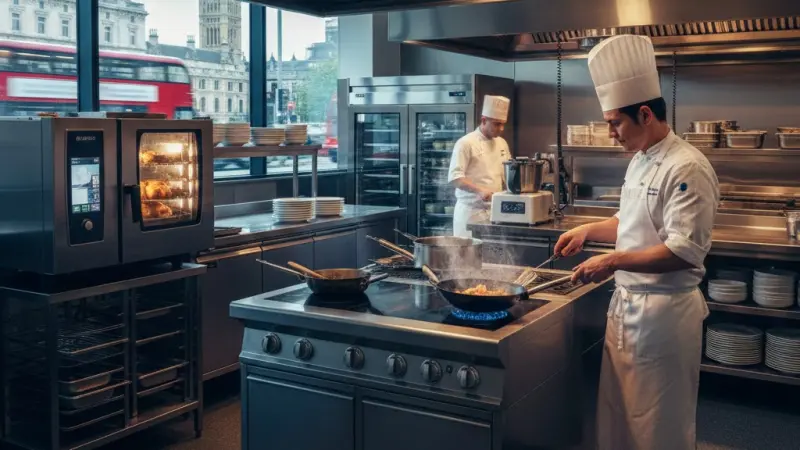
The catering equipment sector is the silent engine of the British hospitality industry. In the United Kingdom, where the food and beverage sector contributes significantly to the national GDP, the tools that power our professional kitchens are of paramount economic importance. From the high-pressure environments of London’s Michelin-starred restaurants to the high-volume requirements of school canteens and corporate catering hubs, the demand for robust, efficient, and compliant hardware has never been higher.

For any business owner or executive chef, the procurement of catering equipment represents one of the most substantial capital outlays. It is not merely a purchase; it is a long-term investment in operational efficiency, food safety, and culinary consistency. In a market where margins are increasingly thin, the difference between a high-performing combi-oven and an under-powered alternative can be the difference between profit and loss. The UK market is unique, characterized by stringent health and safety regulations, a strong emphasis on energy efficiency, and a diverse range of service providers listed in any reputable uk online business directory.
As we navigate through the mid-2020s, the sector has transitioned from a purely mechanical focus to one dominated by smart technology and sustainability. Understanding the nuances of this industry is essential for anyone entering the hospitality space or looking to upgrade an existing facility. This guide aims to demystify the buying process, explore the current British market landscape, and provide actionable business advice for professionals operating within this niche.
The Landscape of Catering Equipment in the UK
The British catering equipment market is a multi-billion pound industry that has shown remarkable resilience. Currently, the market size is estimated to be growing at a steady CAGR (Compound Annual Growth Rate) as the hospitality sector rebounds and reinvents itself. Key regions of activity remain concentrated in major urban hubs like London, Manchester, Birmingham, and Edinburgh, though the rise of "dark kitchens" and regional food festivals has seen a surge in equipment demand across more rural and suburban areas.
Post-pandemic, the industry has evolved significantly. The sudden halt of 2020 led to a permanent shift in how commercial kitchens operate. There is now a much higher premium placed on automation and equipment that reduces the reliance on manual labour—a direct response to the chronic staff shortages facing the UK hospitality sector. Furthermore, the supply chain disruptions of recent years have encouraged many buyers to look closer to home, seeking out a uk small business directory to find local manufacturers and distributors who can offer shorter lead times and more reliable after-sales support.
Innovation is also being driven by the "Green Industrial Revolution." With the UK government’s commitment to Net Zero, catering equipment is being redesigned to consume less water and electricity. Induction hobs, for instance, have seen a massive uptick in adoption over traditional gas ranges due to their superior energy efficiency and the cooler kitchen environments they create. As the industry matures, the distinction between "budget" and "premium" equipment is being replaced by "smart" versus "legacy" systems, making the selection process more complex than ever.
Comprehensive Services Breakdown
Navigating the types of products available in the UK requires a structured approach. Generally, the niche is divided into several core categories:
1. Prime Cooking Equipment
This includes the heavy hitters: ranges, grills, fryers, and ovens. In the UK, the combi-oven has become the gold standard for versatility. Brands that offer integrated software for recipe management are particularly popular among multi-site operators.
2. Refrigeration and Cold Storage
With the UK’s strict Food Standards Agency (FSA) guidelines, reliable refrigeration is non-negotiable. This category spans from simple under-counter fridges to massive walk-in cold rooms. For those starting out, finding a specialist via a business listing uk can help in sourcing refurbished units that meet all legal cooling requirements without the "new" price tag.
3. Warewashing
High-performance dishwashers and glasswashers are essential for maintaining hygiene standards. The trend here is toward "heat recovery" systems that use the steam from the wash cycle to heat the incoming water, significantly reducing utility bills.
4. Food Preparation and Storage
This involves mixers, processors, and vacuum packers. As sous-vide cooking remains popular in British
gastropubs, vacuum sealing equipment has moved from a luxury to a necessity.
5. Extraction and Ventilation
Often the most overlooked but expensive part of a kitchen build. UK regulations regarding "Clean Air" and noise pollution mean that extraction systems must be designed to mitigate grease and odour effectively, especially in residential areas.
How to Choose the Right Service Provider
Choosing a supplier is as critical as choosing the equipment itself. In the UK, you should prioritize providers who offer more than just a box-drop service. A high-quality provider should be able to offer design, installation, and ongoing maintenance.
When vetting potential partners, look for specific accreditations such as CEDA (Catering Equipment Distributors Association) or ISO certifications. These indicate a commitment to professional standards. Furthermore, checking uk service listings can provide a clear view of a company's local reputation and past performance.
Insurance is another vital factor. Ensure your provider has comprehensive public liability insurance, especially if they are performing installations involving gas or electrical work. A local reputation is worth its weight in gold; a technician who can be on-site within four hours to fix a broken fryer on a busy Saturday night is far more valuable than a cheaper distant supplier. Always ask for references and verify that they are part of a uk verified business listings network to ensure you are dealing with a legitimate, tax-paying entity.
Industry Challenges & Future Outlook
The primary challenge facing the UK catering equipment sector is the soaring cost of energy. This has forced a radical rethink of kitchen design, with "demand-controlled kitchen ventilation" (DCKV) becoming a standard request. These systems adjust fan speeds based on cooking activity, saving thousands of pounds annually.
Technology shifts are also introducing the Internet of Things (IoT) into the kitchen. Ovens can now send "health reports" to service technicians before they even break down, and fridges can alert managers if a door is left open via a smartphone app. These advancements are often documented and promoted through a business listing uk, where innovative tech start-ups in the catering space compete for visibility.
Regulatory changes, particularly surrounding the ban on single-use plastics and the "Right to Repair" legislation, are also shaping the future. Manufacturers are now under pressure to ensure their machines are easier to fix and that spare parts are available for at least ten years. This move towards a circular economy is not just good for the planet; it’s a necessary shift for an industry that has historically been criticized for its "throwaway" culture.
Business Tips for Catering Equipment Professionals
If you are a professional operating in this sector—whether as a manufacturer, a distributor, or a maintenance engineer—your digital visibility is your most potent marketing tool. In the modern British economy, "word of mouth" has moved online. When a restaurant manager’s fridge fails, they don't look for a physical phonebook; they search for local business listings uk on their mobile device.
To market a local business in this sector effectively:
Claim Your Niche: Don't just be a "catering supplier." Be the "Specialist in Pizza Ovens in Yorkshire."
Prioritize Local SEO: Ensure your business is registered on every relevant uk local business directory.
This helps search engines associate your services with your specific geographic area.
Showcase Expertise: Use your digital presence to share case studies. Photos of a successfully completed kitchen installation in a local school or hospital build trust far faster than a generic brochure.
Collect Reviews: Encourage satisfied clients to leave feedback. In the B2B world, social proof is a major factor in the decision-making process.
Wrapping Up & Local Page Integration
The catering equipment industry is the backbone of the UK’s vibrant hospitality scene. As the sector continues to innovate through smarter technology and greener practices, the importance of connecting the right buyers with the right service providers cannot be overstated. For the business owner, the right equipment ensures longevity and quality; for the supplier, the right visibility ensures growth and sustainability.
In this competitive landscape, Local Page stands as the premier solution for UK businesses. Whether you are a restaurant owner looking to find local businesses uk for your next kitchen fit-out, or a catering equipment engineer looking to expand your reach, the platform provides the necessary infrastructure to bridge the gap. By centralizing high-quality, verified data, it simplifies the procurement process and levels the playing field for small and medium-sized enterprises across the country.
Boost Your Visibility with Local Page UK
For businesses specializing in catering equipment, being discovered at the exact moment a customer needs your services is the key to conversion. In a crowded digital marketplace, a generic website is often not enough. You need to be where the traffic is. We encourage all UK catering equipment professionals, from installers to retailers, to claim their business listing uk. By joining the local page uk business directory, you ensure that your business is indexed, verified, and visible to the thousands of hospitality professionals who use our platform daily to source reliable trade services.
Frequently Asked Questions
What is the most energy-efficient cooking method for a commercial kitchen in the UK?
Induction cooking is currently considered the most energy-efficient method. Unlike gas, induction uses electromagnetic fields to heat the pan directly, resulting in 90% energy efficiency compared to roughly 40-50% for gas. This significantly reduces ambient heat in the kitchen, lowering the load on your extraction and air conditioning systems. Many British kitchens are switching to induction to meet sustainability goals and reduce monthly utility costs.
How often should commercial catering equipment be serviced?
At a minimum, heavy-duty equipment like ovens and ranges should be serviced annually. However, high-use items like fryers or warewashing machines may require bi-annual checks. Gas equipment must be inspected annually by a Gas Safe registered engineer to comply with UK law. Regular maintenance prevents costly emergency breakdowns during peak service hours and extends the lifespan of your investment.
Do I need a specific floor type for a commercial kitchen?
Yes, UK health and safety regulations require non-slip, non-porous, and durable flooring. High-grade vinyl (like Altro) or epoxy resin floors are standard.
These materials are designed to withstand heavy footfall, chemical spills, and frequent cleaning, ensuring that the kitchen remains a safe environment for staff and meets food hygiene standards.
What is a combi-oven, and is it worth the investment?
A combi-oven combines steam and convection heat, allowing you to steam, roast, bake, and poach in a single unit. While the initial cost is high, it is arguably the most versatile piece of equipment you can buy. It saves space by replacing multiple appliances and reduces shrinkage in meats, leading to higher yields and better food quality.
Where can I find reliable catering equipment installers in my area?
You should consult a dedicated Localpage to find verified professionals. Look for installers with specific certifications and positive reviews from other local hospitality businesses. Finding someone local ensures that they understand the specific regional regulations and can provide faster emergency support if something goes wrong after the initial installation.
What are the legal requirements for kitchen extraction in the UK?
Commercial kitchens must have a ventilation system that removes cooking fumes and provides sufficient replacement air. This must comply with DW/172 standards. The system must be regularly cleaned (at least once a year, often more for high-grease operations) to prevent fire risks and ensure compliance with building insurance policies.
Can I buy second-hand catering equipment?
Yes, buying refurbished equipment is a great way to save money. However, you must ensure that the items have been professionally serviced and come with a warranty. Always verify the seller's credentials and check if they are listed as a reputable supplier in a business directory to avoid scams or faulty machinery that could pose a safety risk.
What is the "Right to Repair" law for catering equipment?
This is a regulation that requires manufacturers to make spare parts and repair information available to professional repairers and, in some cases, end-users. It aims to reduce electronic waste and prevent equipment from being thrown away simply because a small component has failed. This makes the long-term maintenance of professional kitchen gear more sustainable and affordable.
How does IoT technology help in a commercial kitchen?
Internet of Things (IoT) technology allows kitchen equipment to be connected to a network. This enables remote monitoring of temperatures (vital for HACCP compliance), energy usage tracking, and predictive maintenance alerts. By catching a fault before it causes a breakdown, IoT can save a business thousands of pounds in lost revenue and wasted stock.
What is the best way to clean commercial stainless steel?
You should use warm water with a mild detergent for daily cleaning. For tougher stains, specialized stainless steel cleaners can be used, but avoid anything abrasive or containing chloride, as this can damage the protective "passive layer" of the steel and lead to rusting. Always wipe in the direction of the grain to maintain the finish.
What capacity dishwasher does my restaurant need?
This depends on your "covers" (number of customers) and how many courses you serve. A small cafe might manage with an under-counter unit that handles 20 racks per hour, whereas a large restaurant will need a hood-type or conveyor dishwasher capable of processing 60+ racks per hour to keep up with the flow of service.
Are gas fryers better than electric fryers?
Gas fryers typically heat up faster and are often cheaper to run depending on your energy contract. However, electric fryers are easier to clean and move around, and they are becoming more popular as kitchens move away from gas for environmental reasons. The "better" choice depends on your specific kitchen setup and utility costs.
How do I ensure my kitchen is HACCP compliant?
HACCP (Hazard Analysis and Critical Control Points) compliance involves identifying food safety hazards and putting controls in place. Regarding equipment, this means ensuring refrigerators hold correct temperatures, cooking equipment reaches safe internal temperatures, and all surfaces are easy to sanitize. Documented temperature logs are a key part of this compliance.
What is the most common cause of equipment failure?
Lack of regular cleaning and basic maintenance is the leading cause of breakdowns. For example, failing to descale a dishwasher or oven will lead to element failure, and failing to
clean refrigerator condenser coils will cause the compressor to overheat and burn out. A simple daily cleaning checklist can prevent 80% of common equipment issues.
How can I improve my business's visibility in the catering sector?
The most effective way is to ensure you are listed on a comprehensive Local page. By maintaining an accurate profile with photos and customer testimonials, you increase the chances of being found by local chefs and managers who are actively looking for the services or equipment you provide in the UK.

Disclaimer: The information provided in this article is for general informational and research purposes only. Company details, features, services, and market positions may change over time. Readers are advised to visit official company websites and conduct independent research before making any business decisions or purchasing services.
Most Searchable Keywords

Recent Blogs



Related Listings


Categories
- Accountants (295)
- Advertising Agencies (559)
- Architects (149)
- Automobiles (377)
- Beauty (300)
- Carpenters (146)
- Cleaning Services (386)
- Dentists (189)
- Driving (62)
- Electricians (215)
- Energy (8)
- Event Organiser (685)
- Finance (599)
- Guide (3365)
- Health (2207)
- Information technology (206)
- Legal Services (353)
- Logistics (6)
- Maintenance (65)
- Manufacturing (35)

Sponsored Listings in Locksmith Services


Related Blogs

Gen Z Political Reporters and News Creators i...
Read this insightful article "Gen Z Political Reporters and News Creators in the UK" to expand your knowledge!

Famous Female Social Media Influencers Across...
Read this insightful article "Famous Female Social Media Influencers Across the UK" to expand your knowledge!

Your UK Sponsor Licence 2026 Step by Step Gui...
Read this insightful article "Your UK Sponsor Licence 2026 Step by Step Guide" to expand your knowledge!
Questions & Answers – Find What
You Need, Instantly!
How can I update my business listing?
Is it free to manage my business listing?
How long does it take for my updates to reflect?
Why is it important to keep my listing updated?
