
Chinese Food Wholesalers Supplying Authentic Ingredients: An Authoritative Guide
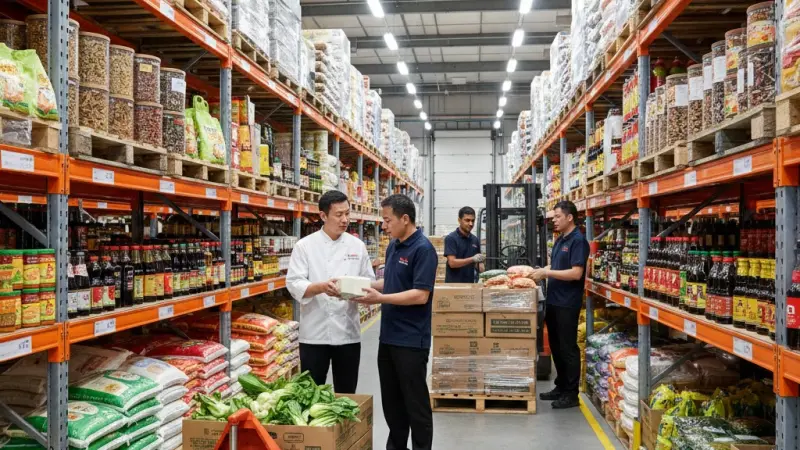
The landscape of the UK’s culinary scene has undergone a profound transformation over the last few decades, with Chinese cuisine firmly established as the nation’s favourite. At the heart of this gastronomic revolution lies the Chinese food wholesalers and suppliers sector, a powerhouse of the British economy that often operates behind the scenes. These specialists are the primary gatekeepers of authenticity, ensuring that everything from Sichuan peppercorns to premium oyster sauce reaches the kitchens of Michelin-starred restaurants, local takeaways, and home enthusiasts alike.

Economically, this sector is a vital pillar of the British hospitality industry. As we navigate the mid-2020s, the ethnic food market in the UK is projected to see significant growth, with Chinese food remaining the most lucrative segment. The ability of wholesalers to source high-quality, authentic ingredients from across East Asia directly impacts the viability of thousands of small businesses. For entrepreneurs looking to navigate this complex market, a reliable uk b2b business directory serves as an essential tool for identifying reputable partners who can provide the consistency and quality required in a competitive marketplace.
The importance of this sector extends beyond mere logistics. These wholesalers act as cultural conduits, introducing traditional preservation methods, seasonal delicacies, and regional specialities to the British palate. Their robust supply chains are designed to handle the delicate nature of fresh produce, such as bok choy and lotus root, alongside the shelf-stable pantry staples that form the backbone of Chinese cooking. By maintaining rigorous standards and fostering international trade relationships, Chinese food wholesalers ensure that the integrity of one of the world’s most complex cuisines is preserved and celebrated across the United Kingdom.
The Landscape of Chinese Food Wholesalers and Suppliers in the UK
The UK market for Chinese food supplies is a multi-billion-pound industry characterized by its resilience and adaptability. Recent market analysis suggests that the ethnic food sector is set to reach a revenue of over £5.6 billion by 2030, with Chinese cuisine holding the largest share of this growth. Traditionally, activity was concentrated in major urban hubs with established "Chinatowns," such as London, Manchester, Liverpool, and Birmingham. However, the post-pandemic era has seen a significant decentralisation. Wholesalers have expanded their reach into suburban and rural areas, mirroring the shift in consumer demand for high-quality, authentic dining experiences outside of city centres.
The evolution of the industry post-pandemic has been marked by a shift toward digital integration and "untact" (contactless) purchasing. During the height of the crisis, many wholesalers who previously relied on traditional face-to-face trade were forced to pivot. This resulted in the rapid development of sophisticated online ordering platforms and a greater reliance on a business listing uk to maintain visibility. Today, the hybrid model reigns supreme; wholesalers offer the personalized service of a traditional merchant alongside the efficiency of modern e-commerce.
Geopolitically and logistically, the industry has faced headwinds including fluctuating shipping costs and changing trade regulations. Despite these challenges, the number of Chinese enterprises operating within the UK remains robust, with many companies localizing their operations to mitigate global supply chain risks. This localization has led to an increase in UK-based manufacturing of traditional items like noodles and tofu, reducing "food miles" and enhancing freshness. For businesses looking to tap into this evolving network, the ability to find local businesses uk through a dedicated digital portal has become the standard for efficient procurement.
Comprehensive Services Breakdown
The modern Chinese food wholesaler offers far more than just "dry goods." Their service portfolio has expanded to meet the diverse needs of a modernizing hospitality sector. We can categorize these services into four primary pillars:
1. Authentic Ingredient Sourcing
This remains the core of the business. Wholesalers provide access to regional specialities that were once difficult to find in Europe. This includes specialized soy sauces, fermented bean pastes, aged vinegars, and a vast array of dried fungi and sea vegetables. The focus here is on "clean label" products that avoid unnecessary additives, meeting the growing consumer demand for health-conscious authenticity.
2. Frozen and Ready-to-Cook Solutions
To combat the ongoing labour shortages in the UK’s catering sector, many wholesalers now provide high-quality frozen dim sum, pre-marinated meats, and "meal kit" components. These products allow restaurants to maintain high standards and menu variety without requiring a large brigade of highly skilled chefs. These innovations are often highlighted on a business listing uk, allowing smaller bistros to find high-end suppliers quickly.
3. Fresh Produce and Cold Chain Logistics
The delivery of fresh Asian greens (like gai lan and choi sum) and perishable items like fresh tofu requires sophisticated temperature-controlled logistics. Leading wholesalers have invested heavily in refrigerated fleets and real-time tracking systems to ensure that "farm-to-wok" transit is as fast as possible.
4. Technical and Culinary Consultation
Recognizing that their success is tied to their clients' success, top-tier wholesalers now offer menu design services, product training, and even kitchen workflow optimization.
They help businesses understand how to use new ingredients effectively, ensuring that the "authentic" label is backed by genuine culinary technique.
How to Choose the Right Service Provider
For a restaurateur or retailer, selecting a wholesale partner is one of the most critical business decisions. Price is a factor, but it should never be the sole determinant. Here is a guide on what to evaluate:
Accreditations and Safety Standards: Ensure the wholesaler holds relevant food safety certifications, such as BRCGS (British Retail Consortium Global Standards) or ISO 22000. In the UK, a "five-star" food hygiene rating is the gold standard.
Insurance and Liability: Professional wholesalers should carry comprehensive public and product liability insurance. This protects your business in the rare event of a product recall or safety issue.
Local Reputation and Reviews: While a global reach is impressive, local reliability is what keeps a kitchen running. Check uk service listings to see how other local businesses rate their delivery punctuality and customer service. A wholesaler who is a "top-rated" local business is often more accountable.
Range and Specialisation: Some wholesalers excel in dry goods, while others are masters of live seafood. Determine where your menu’s "soul" lies and choose a partner whose specialisation aligns with your core offerings.
Digital Ease of Use: In a fast-paced environment, can you place an order at 11 PM via an app? Modern wholesalers should offer seamless digital interfaces that simplify inventory management.
Industry Challenges & Future Outlook
The Chinese food wholesale sector is currently navigating a period of significant regulatory and technological change. One of the primary shifts is the move toward sustainability and "green" initiatives. The UK’s commitment to Net Zero by 2050 is filtering down into the supply chain. Wholesalers are increasingly under pressure to reduce plastic packaging, optimize delivery routes to lower carbon emissions, and source from sustainable producers.
Regulatory changes, particularly surrounding food labelling and allergens (such as Natasha's Law), have placed a greater administrative burden on wholesalers. They must now ensure that every product, even those imported from small regional producers in China, has impeccable traceability and clear allergen information.
Technology is also playing a role in the "hidden middle" of the supply chain. AI-driven inventory forecasting is helping wholesalers reduce food waste by better predicting demand spikes. Furthermore, the rise of digital marketplaces is changing how these businesses interact with their customers. Listing your services on a business listing uk is no longer optional; it is a fundamental requirement for staying relevant in a market where even traditional chefs are now using smartphones to source their ingredients.
Business Tips for Chinese Food Wholesalers and Suppliers Professionals
For professionals operating in this space, the "build it and they will come" mentality is outdated. Even the most authentic supplier needs a robust marketing strategy.
1. Optimize for Digital Visibility: Your website should not just be an order portal; it should be a resource.
Share the stories of your farmers, explain the history of your ingredients, and use SEO-rich content to ensure you appear in a uk local business search.
2. Leverage Niche Directories: General search engines are great, but B2B buyers often look for verified sources. Ensuring your business is prominent on a uk online business directory helps build immediate trust with procurement officers.
3. Content Marketing: Create "how-to" videos for complex ingredients. Showing a chef how to properly rehydrate premium abalone or use a specific brand of dark soy sauce positions you as an expert, not just a vendor.
4. Social Proof: Encourage your long-term clients to leave reviews. Positive feedback on uk verified business listings acts as a powerful endorsement for potential new customers who are wary of switching suppliers.
Wrapping Up & Local Page Integration
The Chinese food wholesale industry is a vibrant, essential, and rapidly evolving part of the UK’s economic fabric. From the bustling warehouses of Manchester to the specialized importers in London, these businesses are the unsung heroes of the British dining experience. As the industry moves toward a more digital, sustainable, and transparent future, the need for centralized, reliable information becomes paramount.
For UK businesses in this sector, standing out in a crowded market requires the right digital infrastructure. Local Page UK offers the premier solution for businesses looking to bridge the gap between traditional quality and modern visibility. By integrating your business into a high-authority uk business directory website, you ensure that your authentic ingredients find their way into the hands of those who value them most.
Boost Your Visibility with Local Page UK
In the competitive world of Chinese food wholesale, being the "best-kept secret" is a recipe for stagnation. To thrive, you need to be where your customers are searching. Whether you are a small specialist importer or a large-scale distributor, your online presence is your modern storefront. We encourage all industry professionals to claim their business listing uk today. Join the community of uk top rated local businesses and let Local Page UK help you reach the next level of commercial success.
FAQ
1. What are the key factors for ensuring ingredient authenticity?
Authenticity is verified through a combination of geographical indications (GIs), brand reputation, and rigorous supply chain traceability. Reputable wholesalers often work directly with long-standing producers in specific Chinese provinces known for certain ingredients, such as Sichuan for peppercorns or Zhejiang for vinegar. Always look for wholesalers who provide detailed product origins and batch-testing certificates to ensure the ingredients meet traditional standards.
2. How have UK Chinese food wholesalers adapted post-Brexit?
Post-Brexit, wholesalers have had to navigate new customs declarations and veterinary checks for products containing animal derivatives. Many have increased their warehouse capacity to hold larger buffer stocks and have diversified their sourcing to include more UK-manufactured versions of traditional staples. They also utilize digital platforms like a uk online business directory to find local logistics partners who specialize in the new regulatory landscape.
3. Can home cooks purchase from Chinese food wholesalers?
While some wholesalers strictly serve B2B trade, many have opened "cash and carry" sections or retail-facing websites to meet the growing demand from home enthusiasts.
Buying wholesale is an excellent way for home cooks to access restaurant-quality ingredients at a lower price point, provided they have the storage space for bulk quantities.
4. What is the importance of a 5-star food hygiene rating for a wholesaler?
In the UK, the Food Standards Agency rating is a critical indicator of a wholesaler's commitment to safety. A 5-star rating ensures that the business manages food storage, temperature control, and cleanliness to the highest possible standard. For a restaurant, sourcing from a highly-rated wholesaler is the first line of defense in protecting their own food safety reputation.
5. How can I find the most reliable Chinese food suppliers in my area?
The most efficient way to find reliable local suppliers is to use a verified digital resource. By searching through Localpage, you can filter businesses by region, read verified customer reviews, and check their specific service offerings to ensure they meet your culinary requirements.
6. Are there vegetarian and vegan specialities available through these wholesalers?
Yes, Chinese cuisine has a long history of Buddhist-influenced vegetarianism. Wholesalers offer a vast range of "mock meats" made from seitan or soy, as well as high-quality fermented tofu, various seaweed types, and rare mushrooms. The rise of veganism in the UK has prompted many wholesalers to expand these specific product lines.
7. What are "food miles" and why do they matter in this industry?
Food miles refer to the distance food travels from producer to consumer. To improve sustainability, many UK-based Chinese wholesalers are now partnering with British farmers to grow Asian vegetables locally. This reduces carbon emissions and ensures that produce like bok choy arrives in the kitchen much fresher than imported alternatives.
8. How do wholesalers handle the logistics of live seafood?
Live seafood, such as lobster or crab, requires specialized oxygenated tanks and rapid transit. Wholesalers who specialize in this area operate high-tech "wet rooms" and use dedicated fast-delivery vehicles to ensure the product arrives in peak condition. This is a highly specialized niche within the wholesale sector.
9. What should I look for in a wholesaler's delivery terms?
Reliability is key. Look for clear information on minimum order values, delivery windows, and "cut-off" times for next-day service. Some wholesalers offer 24/7 ordering via mobile apps, which is particularly beneficial for the late-night hours of the hospitality industry.
10. How do wholesalers support sustainability in packaging?
Many leading wholesalers are phasing out single-use plastics in favor of biodegradable containers or reusable crate systems. They also work with manufacturers to reduce the overall volume of packaging, which helps lower waste disposal costs for their restaurant clients and supports the UK’s green initiatives.
11. What role does technology play in modern food wholesaling?
Technology has revolutionized the "hidden middle" of the supply chain. From AI-driven stock management that prevents over-ordering to GPS-tracked fleets that provide customers with exact delivery times, digital tools have made the industry more efficient, transparent, and responsive to sudden market changes.
12. Are there specific insurance requirements for food wholesalers?
Wholesalers must have comprehensive insurance, including Product Liability, which covers them if a product they supply causes illness or injury. They should also have Employer’s Liability and Public Liability insurance. This tiered protection is essential for maintaining a professional standing in the UK market.
13. How can a new wholesaler build a reputation in the UK?
New entrants must focus on transparency and digital presence. By claiming a business listing uk, they can start building a digital footprint. Providing high-quality samples to local chefs and maintaining consistent delivery schedules are the fastest ways to build the "word-of-mouth" reputation that is so vital in this industry.
14. What are the trends for Chinese food in the UK for 2025 and 2026?
We are seeing a move toward regional "hyper-authenticity"—Sichuan, Hunan, and Cantonese specialities that go beyond the traditional "sweet and sour" palette.
Additionally, there is a significant trend toward "functional" ingredients, such as goji berries and specific teas, that offer health benefits alongside traditional flavours.
15. Why is digital visibility so important for B2B food suppliers?
In the modern age, procurement officers and chefs start their search for new partners online. If your business isn't visible on a platform like Local page, you simply don't exist to a large portion of the market. Digital visibility builds trust, showcases your range, and makes it easy for potential clients to contact you.

Disclaimer: The information provided in this article is for general informational and research purposes only. Company details, features, services, and market positions may change over time. Readers are advised to visit official company websites and conduct independent research before making any business decisions or purchasing services.
Most Searchable Keywords

Recent Blogs



Related Listings


Categories
- Accountants (295)
- Advertising Agencies (559)
- Architects (149)
- Automobiles (377)
- Beauty (300)
- Carpenters (146)
- Cleaning Services (386)
- Dentists (189)
- Driving (62)
- Electricians (215)
- Energy (8)
- Event Organiser (685)
- Finance (599)
- Guide (3365)
- Health (2207)
- Information technology (206)
- Legal Services (353)
- Logistics (6)
- Maintenance (65)
- Manufacturing (35)

Sponsored Listings in Locksmith Services


Related Blogs

Gen Z Political Reporters and News Creators i...
Read this insightful article "Gen Z Political Reporters and News Creators in the UK" to expand your knowledge!

Famous Female Social Media Influencers Across...
Read this insightful article "Famous Female Social Media Influencers Across the UK" to expand your knowledge!

Your UK Sponsor Licence 2026 Step by Step Gui...
Read this insightful article "Your UK Sponsor Licence 2026 Step by Step Guide" to expand your knowledge!
Questions & Answers – Find What
You Need, Instantly!
How can I update my business listing?
Is it free to manage my business listing?
How long does it take for my updates to reflect?
Why is it important to keep my listing updated?
