
Cinema Equipment Solutions for Modern Theatres
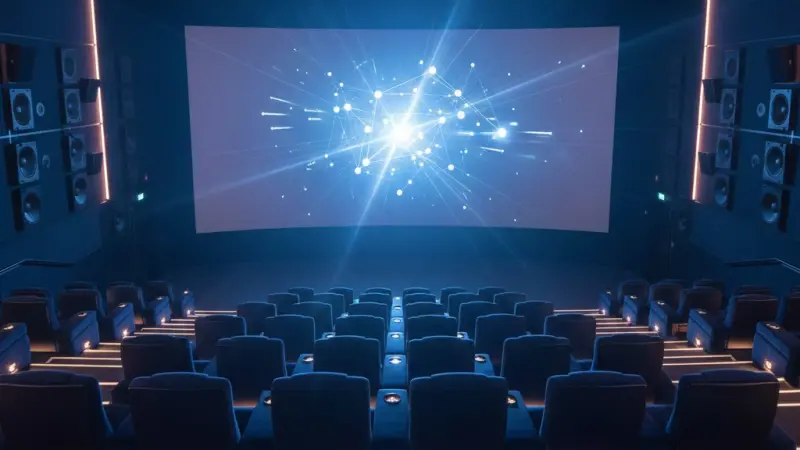
The cinematic landscape in the United Kingdom has long been a cornerstone of the nation’s cultural and economic identity. From the historic picture houses of the early 20th century to the state-of-the-art multiplexes defining today's skylines, the demand for high-quality cinema equipment solutions remains robust. For any theatre owner, the equipment is not merely a purchase; it is the fundamental engine that drives the audience experience. In an era where home streaming services offer high-definition content at the touch of a button, the physical cinema must offer something transcendent—a sensory immersion that cannot be replicated in a living room.

The UK cinema sector contributes significantly to the national economy, supporting thousands of jobs across manufacturing, installation, and maintenance. However, as technology evolves, the barrier to entry for "premium" experiences has shifted. To remain competitive, modern theatres require a sophisticated blend of laser projection, immersive audio, and ergonomic comfort. Navigating this complex supply chain requires a deep understanding of the uk online business directory landscape to find the specialist engineers and suppliers capable of delivering these high-spec environments. This guide serves as a roadmap for cinema owners and professionals looking to modernise their offerings through strategic equipment investment.
The Landscape of Cinema Equipment in the UK
The post-pandemic era has catalysed a dramatic evolution in the UK’s cinema equipment market. While the initial lockdowns presented an existential threat, the recovery has been marked by a "flight to quality." Audiences are returning to theatres not just for the films, but for the "Event Cinema" experience. This has led to a surge in demand for high-end equipment upgrades across London, Manchester, Edinburgh, and Birmingham.
Current market data suggests that the UK cinema industry is valued at several billion pounds, with equipment and maintenance accounting for a substantial portion of annual capital expenditure. The evolution from traditional Xenon lamp projection to RGB Laser technology is perhaps the most significant shift. Laser projection offers superior brightness, a wider colour gamut, and lower operational costs over time. Furthermore, the integration of 4D technology and screen-X formats is no longer a niche luxury but a standard expectation for flagship locations. To source these advanced technologies, many operators rely on a uk business directory to identify vetted local contractors who specialise in niche audiovisual engineering.
Comprehensive Services Breakdown
The world of cinema equipment is vast, spanning everything from the "back of house" projection booth to the "front of house" concessions and seating. A modern theatre requires a holistic approach to equipment solutions.
Visual Systems: The heart of the theatre. This includes 4K Digital Cinema Initiatives (DCI) compliant projectors, high-gain silver screens for 3D playback, and automated masking systems that adjust to different aspect ratios.
Audio Engineering: Sound is 50% of the movie-going experience. Solutions now frequently involve Dolby Atmos or DTS:X systems, requiring a complex array of ceiling and side-wall speakers powered by multi-channel digital amplifiers.
Seating and Comfort: The rise of luxury cinema has made motorised recliners and heated seats a priority. These require robust electrical planning and durable materials.
Concession and POS Equipment: High-speed popcorn machines, digital signage for menus, and integrated Point of Sale (POS) systems are essential for revenue.
When seeking these diverse services, savvy business owners often browse a business listing uk to find emerging startups that offer innovative, cost-effective solutions for independent cinemas.
How to Choose the Right Service Provider
Selecting a provider for cinema equipment is a high-stakes decision. The equipment is expensive,
and downtime results in immediate revenue loss. Therefore, due diligence is paramount.
Accreditations: Ensure the provider is a member of the Cinema Technology Community (CTC) or similar industry bodies.
Reviews and Case Studies: Look for providers who have completed projects for major chains or respected independent venues.
Insurance: Given the high value of the equipment, comprehensive professional indemnity and public liability insurance are non-negotiable.
Local Reputation: There is immense value in working with local technicians who can provide rapid emergency support.
Consulting local business listings uk allows theatre managers to compare local reputations and ensure they are partnering with a firm that understands the specific logistical challenges of their region, such as transport links for heavy projection modules.
Industry Challenges & Future Outlook
The primary challenge facing the UK cinema equipment sector is the rapid pace of technological obsolescence. As 8K technology looms on the horizon, theatres must decide when to invest without the risk of their hardware becoming outdated within five years. Furthermore, sustainability has become a core business pillar. The "Green Cinema" movement is pushing for more energy-efficient projection and HVAC systems to reduce the industry's carbon footprint.
Regulatory changes regarding accessibility (DDA compliance) also mean theatres must invest in better assistive listening devices and closed-captioning hardware. To stay informed about companies leading these green and accessible initiatives, looking through a business listing uk can highlight specialists in sustainable AV technology.
Business Tips for Cinema Equipment Professionals
For those working within the equipment supply and maintenance sector, digital visibility is your most powerful tool. The days of relying solely on word-of-mouth are gone. Most procurement officers and theatre managers start their search online.
Optimise for Local Search: Ensure your business is listed with accurate contact details and high-quality images of your installations.
Content Marketing: Write whitepapers on the benefits of laser projection or the ROI of luxury seating.
Networking: Engage with industry forums and national business databases.
Utilising uk service listings is a strategic way to ensure your company appears in front of the right decision-makers at the exact moment they are looking to upgrade their facilities.
Wrapping Up & Local Page Integration
The cinema equipment sector is a testament to the UK's commitment to technological excellence and cultural enrichment. As we look toward a future defined by AI-driven automation and even more immersive formats, the need for reliable, verified equipment partners has never been greater.
To bridge the gap between world-class equipment providers and the theatres that need them, Local Page provides the ultimate platform. By offering a comprehensive and easy-to-navigate uk local business directory, we empower theatre owners to make informed decisions that will define the future of their screens.
Boost Your Visibility with Local Page UK
In the competitive world of cinema technology, being invisible online is not an option. Whether you are a master of acoustics, a projection specialist, or a seating manufacturer, your potential clients are searching for you right now. Don’t miss out on the chance to showcase your expertise. Claim your business listing uk today and join a network of elite professionals dedicated to excellence in the UK service industry.
FAQs
What are the primary benefits of upgrading to laser projection?
Laser projection systems offer significantly higher brightness levels compared to traditional lamp-based projectors, ensuring a crisp and vivid image even on large screens. They also provide a much wider colour gamut, allowing for more realistic and vibrant visuals. From an operational standpoint, laser projectors are more cost-effective in the long run as they eliminate the need for expensive bulb replacements and have a longer lifespan, often exceeding 30,000 hours of use. Additionally, they are more energy-efficient, contributing to a lower carbon footprint for the theatre.
How often should cinema audio systems be calibrated?
For optimal performance, cinema audio systems should undergo professional calibration at least twice a year. However, high-traffic theatres may benefit from quarterly checks. Environmental factors such as humidity, temperature, and even the "settling" of speaker components can subtly alter sound quality over time. Regular calibration ensures that the immersive experience, such as Dolby Atmos, remains balanced and impactful. Technicians will check for phase issues, frequency response, and volume levels across all channels to maintain the director's intended soundstage.
What is DCI compliance and why is it important?
DCI stands for Digital Cinema Initiatives, a joint venture of major motion picture studios. DCI compliance ensures that cinema equipment meets high technical standards for image quality, security, and content protection.
Without DCI-compliant hardware, a theatre cannot legally play first-run studio releases. It is the industry benchmark that guarantees the audience sees the film exactly as the studio intended, with rigorous encryption to prevent piracy during the playback process.
Can older theatres be retrofitted for 4D cinema?
Yes, many older theatres can be retrofitted for 4D experiences, which include moving seats and environmental effects like wind and scent. However, this requires a significant structural and electrical audit. 4D seats are much heavier than standard seating and require robust floor reinforcement. Additionally, the theatre must accommodate the compressed air systems and water lines needed for the various effects. It is a complex engineering task that usually requires a specialist contractor found via a verified directory.
How do I find reputable cinema equipment installers in my area?
Finding reputable installers involves checking for specific industry certifications and reviewing past projects. You should look for companies that have a proven track record with DCI-compliant installations and immersive audio setups. Using a platform like Localpage allows you to filter through verified service providers, read client feedback, and ensure the company has the necessary local presence to provide ongoing maintenance and emergency support when needed.
What is the average lifespan of a modern cinema screen?
A high-quality cinema screen typically lasts between 8 to 12 years, depending on the environment. Factors such as dust accumulation, tobacco smoke (in historic venues), and the degradation of the reflective coating can impact its performance. Over time, "gain" is lost, leading to a dimmer image. Regular cleaning by specialists can extend this life, but eventually, the fabric will need replacing to maintain the standards required for modern high-contrast projection.
What are the latest trends in cinema seating?
The biggest trend is the shift toward "Premium Large Format" (PLF) experiences, which prioritise luxury. This includes fully electric recliners, integrated swivel tables for "dine-in" services, and even wireless charging ports for mobile devices. Privacy screens between pairs of seats are also becoming popular in high-end boutique cinemas. Material choice is also shifting toward antimicrobial fabrics and easy-clean leathers to meet higher hygiene standards post-pandemic.
How can independent cinemas compete with large multiplex chains?
Independent cinemas compete by offering a curated, high-quality experience that multiplexes often lack. This includes investing in niche equipment like 70mm film projectors for special screenings or high-end boutique seating. By focusing on "event cinema" and superior local hospitality, independents can build a loyal community. Utilizing digital marketing and being listed in national directories helps them stay visible to local audiences looking for an alternative to the big chains.
What maintenance is required for digital cinema projectors?
Digital projectors require regular filter cleanings, cooling system checks, and software updates. Even though laser projectors don't have bulbs, they still have complex optical engines that must remain dust-free. Light engine calibration and "convergence" checks are necessary to ensure the red, green, and blue images align perfectly. Scheduled preventative maintenance is the best way to avoid a "dark screen" scenario during a sold-out screening.
Are there government grants for upgrading cinema equipment in the UK?
While direct grants are rare, there are often regional development funds or cultural heritage grants available, especially for historic independent theatres. Organizations like the BFI (British Film Institute) occasionally offer support for technological rural reach or diversity initiatives. Business owners should also look into capital allowance tax reliefs, which allow a portion of the investment in new equipment to be deducted from taxable profits.
What is the difference between 5.1, 7.1, and immersive audio?
5.1 audio uses five speakers and one subwoofer, while 7.1 adds two additional rear side speakers for better surround depth. Immersive audio, like Dolby Atmos, goes a step further by adding "height" channels (ceiling speakers) and using object-based audio. Instead of just sending sound to a speaker, the system places sound "objects" in a 3D space, allowing a helicopter sound, for example, to move realistically above the audience's heads.
Is it better to lease or buy cinema equipment?
Leasing can be an attractive option for theatres that want to preserve cash flow and stay updated with the latest technology, as it often includes an upgrade path. Buying equipment outright results in lower long-term costs and adds to the business's assets. The choice depends on the theatre’s financial health, tax strategy, and how quickly they anticipate needing the next generation of hardware.
How does "Event Cinema" affect equipment requirements?
Event cinema—such as live-streamed opera, theatre, or gaming tournaments—requires additional hardware like satellite receivers, high-speed fibre internet connections, and professional-grade scalers to convert various broadcast signals for the cinema projector. This ensures that live content looks as fluid and sharp as a pre-rendered DCP (Digital Cinema Package) movie file.
What are the safety regulations for cinema equipment?
Cinema equipment must comply with strict electrical safety standards (PAT testing) and fire safety regulations. Fabrics used in seating and wall acoustic panels must be fire-retardant.
Furthermore, emergency lighting and exit signage must be integrated into the theatre's automation system so they function correctly during a power failure or fire alarm, while not interfering with the projection during normal operation.
Why is digital visibility important for equipment suppliers?
In the modern B2B environment, most procurement starts with a search engine. If an equipment supplier or maintenance firm isn't visible on a trusted platform, they effectively don't exist to many buyers. Being part of a Local page ensures that when a theatre manager is in a crisis or planning an upgrade, your business is one of the first they encounter, backed by the credibility of a professional directory.

Disclaimer: The information provided in this article is for general informational and research purposes only. Company details, features, services, and market positions may change over time. Readers are advised to visit official company websites and conduct independent research before making any business decisions or purchasing services.
Most Searchable Keywords

Recent Blogs



Related Listings


Categories
- Accountants (295)
- Advertising Agencies (559)
- Architects (149)
- Automobiles (377)
- Beauty (300)
- Carpenters (146)
- Cleaning Services (386)
- Dentists (189)
- Driving (62)
- Electricians (215)
- Energy (8)
- Event Organiser (685)
- Finance (599)
- Guide (3365)
- Health (2207)
- Information technology (206)
- Legal Services (353)
- Logistics (6)
- Maintenance (65)
- Manufacturing (35)

Sponsored Listings in Locksmith Services


Related Blogs

Gen Z Political Reporters and News Creators i...
Read this insightful article "Gen Z Political Reporters and News Creators in the UK" to expand your knowledge!

Famous Female Social Media Influencers Across...
Read this insightful article "Famous Female Social Media Influencers Across the UK" to expand your knowledge!

Your UK Sponsor Licence 2026 Step by Step Gui...
Read this insightful article "Your UK Sponsor Licence 2026 Step by Step Guide" to expand your knowledge!
Questions & Answers – Find What
You Need, Instantly!
How can I update my business listing?
Is it free to manage my business listing?
How long does it take for my updates to reflect?
Why is it important to keep my listing updated?
