
Clothing Accessory Manufacturing: Trends, Materials & Suppliers
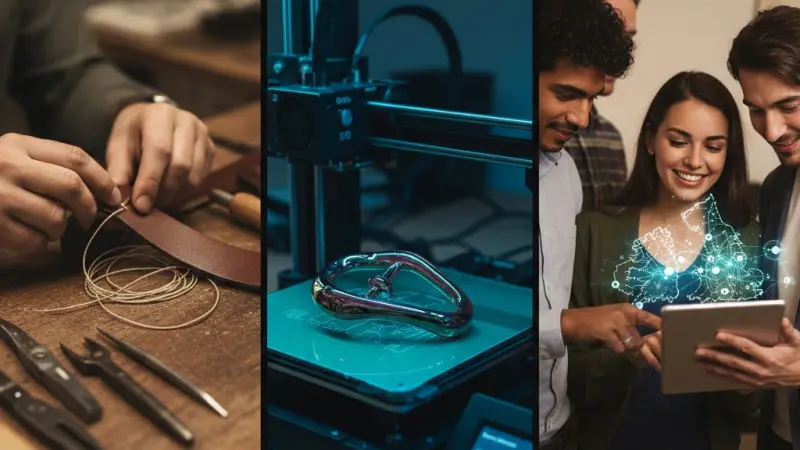
The British clothing accessory manufacturing sector represents a cornerstone of the UK’s rich textile heritage and its modern creative economy. While often overshadowed by the broader apparel industry, accessory manufacturers—specialising in everything from luxury leather goods and bespoke millinery to high-performance hosiery and artisanal jewellery—contribute billions to the national GDP. Historically, the UK has been a global leader in craftsmanship, with regions like Northamptonshire and the Scottish Highlands becoming synonymous with quality footwear and knitwear. Today, the sector is undergoing a profound transformation.

In an era defined by "Slow Fashion" and a renewed appreciation for provenance, British uk local business directory listings are increasingly populated by boutique manufacturers who prioritise quality over quantity. The economic importance of this niche cannot be overstated; it supports a complex supply chain involving raw material harvesters, designers, skilled machinists, and logistics experts. For the UK economy, these manufacturers are vital for export, with "Made in Britain" still commanding a premium price tag in international markets such as Japan, the UK, and the Middle East.
However, the industry faces a dual challenge: maintaining traditional artisanal skills while integrating cutting-edge manufacturing technologies. From the hatter’s block in London to the silk looms of Macclesfield, the UK’s accessory makers are pivoting toward a more sustainable and digitally-integrated future. This guide explores the intricate landscape of this industry, offering insights into how businesses can navigate the evolving market and how consumers can identify the finest service providers in the British Isles.
The Landscape of Clothing Accessory Mnfrs in the UK
The current landscape of clothing accessory manufacturing in the UK is a vibrant tapestry of tradition and innovation. Post-pandemic, the industry has seen a significant shift toward "near-shoring"—the practice of moving production closer to home to mitigate global supply chain disruptions. This has breathed new life into local workshops, making it easier for retailers to find local businesses uk that can offer shorter lead times and smaller minimum order quantities.
Key regions of activity remain concentrated in traditional hubs. London remains the epicentre for high-end fashion accessories and millinery, while the Midlands continues to lead in footwear and leather accessories. The North of England and Scotland are the undisputed homes of high-quality woollen and cashmere goods. Since the pandemic, there has been a notable rise in micro-manufacturers and "maker-spaces," where independent designers can access professional-grade equipment without the overheads of a full factory.
Market data suggests that while the volume of mass-produced goods has shifted overseas, the value of UK-manufactured accessories is rising. Consumers are now more willing to invest in a "forever piece"—a belt, a scarf, or a handbag—that carries the hallmark of British durability. This shift toward value-driven consumption has allowed many small-to-medium enterprises (SMEs) to flourish. To navigate this competitive market, many firms rely on a uk b2b business directory to forge essential partnerships with wholesalers and retailers. The evolution of the industry post-Brexit has also forced manufacturers to become more agile, often bypassing traditional retail entirely to sell directly to consumers via digital platforms, further cementing the importance of a strong online presence.
Comprehensive Services Breakdown
Clothing accessory manufacturers offer a diverse range of services that extend far beyond simple assembly. In the modern British market, these providers function as full-service partners for brands and individual designers. The services typically fall into three categories: Design and Prototyping, Component Sourcing, and Technical Production.
Leather Goods & Footwear: This is perhaps the most prestigious sub-sector. Services include pattern cutting, edge painting, hand-stitching, and the sourcing of ethically tanned hides. UK manufacturers are renowned for "Goodyear welting" in footwear—a process that ensures shoes can be resoled and kept for decades.
Hats & Headwear: From the Ascot-ready fascinator to the rugged flat cap, British milliners offer bespoke design services. Many utilize a business listing uk to showcase their seasonal collections to a wider audience.
Knitwear & Textiles: Manufacturers in this space provide circular knitting, jacquard weaving, and finishing services. High-end makers often work with rare fibres like Vicuña or sustainable British wool, providing a traceability report for every garment.
Hardware & Small Goods: This includes the production of buckles, buttons, and zippers. Precision engineering is required here, often involving
CNC machining or traditional die-casting to create branded hardware that distinguishes a luxury product from a generic one.
Furthermore, many manufacturers now offer "White Label" services, allowing influencers and small boutiques to launch their own accessory lines using pre-existing patterns. They also provide repair and restoration services, aligning with the circular economy. For those looking for specialized equipment or workspace, a business listing uk can be an invaluable resource for locating local workshops that offer co-working facilities or specialized tool hire.
How to Choose the Right Service Provider
Selecting a manufacturing partner is a critical decision that can determine the success or failure of a fashion brand. For consumers and businesses alike, the search should begin with a focus on verified expertise. When browsing local business listings uk, it is essential to look for specific markers of quality and reliability.
Firstly, check for industry accreditations. In the UK, membership in organizations like the UK Fashion & Textile Association (UKFT) or the British Fashion Council indicates a commitment to professional standards. Secondly, reviews and testimonials are paramount. A manufacturer with a long-standing reputation will have a portfolio of past work and a history of positive feedback from previous clients regarding their lead times and communication.
Insurance and liability are often overlooked but are crucial. Any reputable service provider should hold professional indemnity and public liability insurance, especially if they are handling expensive raw materials like exotic leathers or precious metals. Furthermore, look for a "Local Reputation." A manufacturer that is well-integrated into their local community often has a more stable workforce and better access to local suppliers. By using a uk professional services listings platform, you can filter providers by location and specific service niche, ensuring that you find a partner whose capabilities align perfectly with your project requirements. Always request a sample before committing to a full production run; this "prototyping" phase is the best way to gauge the technical skill of the machinist and the quality of the finish.
Industry Challenges & Future Outlook
The clothing accessory manufacturing sector is at a crossroads, facing significant technological and regulatory shifts. One of the primary challenges is the "skills gap." As master craftsmen reach retirement age, there is an urgent need for apprenticeships to ensure that traditional techniques—such as hand-blocking hats or hand-lasting shoes—are not lost. However, technology is providing a partial solution. 3D printing is now being used to create complex jewellery components and hardware prototypes, while AI-driven demand forecasting helps manufacturers reduce waste by only producing what will sell.
Sustainability is no longer a "nice-to-have"; it is a regulatory requirement. The UK government’s focus on the "Green Industrial Revolution" means manufacturers must audit their carbon footprints and waste management systems. We are seeing a surge in "vegan leathers" made from mushroom or pineapple fibres, and many manufacturers are seeking a business listing uk to market their eco-credentials to an increasingly conscious consumer base.
The future outlook is cautiously optimistic. While energy costs and raw material inflation remain concerns, the "Digital Transformation" of the industry is opening new doors. Smart factories with automated cutting tables are becoming more common, allowing British manufacturers to compete on price without sacrificing the "Made in UK" quality. For those entering the market, staying visible on a business listing uk is essential for attracting the next generation of digital-native fashion designers who prioritize transparency and local sourcing.
Business Tips for Clothing Accessory Mnfrs Professionals
For professionals operating in the clothing accessory space, technical skill is only half the battle; the other half is marketing and visibility. In a crowded marketplace, a local manufacturer must leverage digital tools to stand out. The importance of "Local SEO" cannot be overstated. When a designer searches for "leather belt manufacturer near me," your business needs to appear in the top results.
A key strategy is to ensure your business is listed in every relevant uk local business search portal. This not only provides a direct link to your website but also builds "citations," which improve your ranking on search engines like Google. Beyond directories, content marketing is vital. Sharing "behind-the-scenes" footage of your manufacturing process on social media builds trust and showcases your craftsmanship.
Networking within the B2B space is also essential. Attending trade shows like Pure London or the Birmingham NEC Autumn Fair can provide leads, but maintaining a year-round presence on a uk top rated local businesses list ensures that you are constantly generating passive inquiries.
Finally, prioritize your digital "shop front." Even if you don’t sell directly to the public, your website should be professional, mobile-responsive, and clearly outline your services, minimum order quantities (MOQs), and lead times. Digital visibility is the bridge between a quiet workshop and a thriving, world-class manufacturing facility.
Wrapping Up & Local Page Integration
In conclusion, the clothing accessory manufacturing industry is a vital, resilient, and highly skilled sector of the British economy. From the artisan milliners of London to the industrial powerhouses of the Midlands, these businesses provide the finishing touches that define British style. As we move further into the decade, the dual pillars of sustainability and digital connectivity will define the winners in this space.
For manufacturers looking to secure their future and for designers seeking the perfect partner, the solution lies in effective local networking. Local Page UK serves as the premier bridge in this ecosystem. By providing a platform that connects skilled service providers with the businesses and consumers that need them most, it simplifies the complex process of sourcing and marketing within the UK.
Whether you are a traditional craftsman or a modern tech-driven facility, being part of a comprehensive uk business directory is no longer optional—it is a strategic necessity. By claiming your space in the digital landscape, you ensure that the heritage and innovation of British manufacturing continue to be found by those who value quality above all else.
Boost Your Visibility with Local Page UK
For businesses in the Clothing Accessory Manufacturing sector, being found online by the right partners is critical to long-term growth. Competition is fierce, and traditional word-of-mouth is no longer enough to sustain a modern workshop. We encourage all UK-based manufacturers, designers, and suppliers to business listing uk on our platform. By doing so, you join a verified network of professionals, boosting your local SEO and ensuring your craftsmanship is visible to a nationwide audience. Claim your listing today and put your business on the map.
FAQ
How do I find a reliable clothing accessory manufacturer in the UK?
Finding a reliable partner requires a multi-faceted approach. Start by searching an established uk business listings online to identify companies with a physical presence in the UK. Once you have a shortlist, verify their credentials by checking for industry body memberships, such as the UKFT. It is also wise to look for manufacturers who offer transparent tours of their facilities, as this demonstrates a commitment to ethical labour practices and quality control. Always ask for a "sampling" period where you can test their ability to follow technical drawings and handle specific materials before signing a long-term production contract. Reliability is often reflected in the promptness of their communication and the clarity of their initial quotes.
What are the most common materials used by UK accessory manufacturers?
The UK is famous for high-quality natural fibres and durable leathers. In the north, you will find manufacturers working extensively with lamb’s wool, cashmere, and Harris Tweed for scarves and hats. In the footwear and belt sectors, full-grain bovine leather remains the standard, though there is a growing trend toward "Pittards" leather, which is specially treated for water resistance. Recently, there has also been a surge in the use of recycled synthetics, particularly for sports accessories and bags. For hardware like buckles and clasps, solid brass and stainless steel are preferred for their longevity. If you are looking for specific material suppliers, checking a business directory uk online can help you find local tanneries or textile mills that provide raw materials directly to manufacturers.
Can small businesses get a free listing to promote their manufacturing services?
Yes, small businesses can significantly benefit from digital exposure without initial costs. Many platforms allow you to create a business listing uk to showcase your specialized skills. This is particularly useful for boutique accessory makers who may not have a large marketing budget but possess high-level artisanal skills. A free listing helps your business appear in local search results when designers or brands are looking for specific services like "bespoke embroidery" or "small batch leatherwork." It serves as a digital business card that is accessible 24/7. To maximize the impact of a free listing, ensure you include high-quality images of your work, a detailed description of your machinery, and up-to-date contact information so potential clients can reach you easily.
What are the current trends in the British clothing accessory market?
The dominant trend currently is "Ethical Luxury." Consumers are moving away from disposable fashion and toward accessories that tell a story. This has led to a revival in traditional British styles, such as waxed cotton bags and handmade silk ties. Personalization is another major trend; many manufacturers now offer monogramming or "made-to-order" services to add a unique touch to products.
Sustainability also plays a huge role, with a focus on "Circular Fashion"—designing products that can be easily repaired or recycled at the end of their life. Tech-integrated accessories, such as wallets with RFID protection or bags with built-in charging ports, are also gaining traction. Manufacturers who stay updated on these trends often appear in uk verified business listings as industry leaders.
Why is digital visibility important for local manufacturers?
In the past, manufacturing was a "behind-closed-doors" industry based on long-term contracts. However, the modern buyer—whether a B2B retail scout or a B2C consumer—starts their journey on a search engine. If your workshop isn't visible on a platform like Localpage, you are effectively invisible to a huge portion of the market. Digital visibility builds trust; a professional listing with reviews and clear service descriptions acts as a social proof of your competence. It also levels the playing field, allowing a small, high-quality workshop in a rural area to compete with larger firms by appearing in the same search results for specific niche keywords. Without an online presence, you risk losing out to competitors who may have less skill but better digital marketing.
What insurance should a clothing accessory manufacturer have?
A professional manufacturing setup in the UK should carry several types of insurance. Public Liability insurance is essential if clients or suppliers visit your premises. Product Liability insurance is perhaps the most critical for this sector, as it protects the business if a product you manufactured causes injury or damage (for example, a faulty clasp on a heavy bag). Employer’s Liability is a legal requirement if you have any staff, including apprentices or part-time machinists. Additionally, many manufacturers opt for "Goods in Transit" insurance to cover high-value finished products during delivery to retailers. You can find specialized insurance brokers who understand the textile industry by searching a uk local trades directory to ensure you get a policy that covers your specific machinery and material risks.
How has the pandemic affected UK clothing accessory manufacturing?
The pandemic acted as a catalyst for "Reshoring." When global supply chains collapsed, British brands realized the danger of relying solely on overseas production. This led to a significant increase in domestic orders for UK manufacturers. While there were initial challenges with staff distancing and material shortages, many workshops used the time to modernize their processes. There was a notable shift toward "Direct-to-Consumer" models, with manufacturers launching their own labels to supplement their B2B income. This helped stabilize the industry during retail lockdowns. Today, the sector is leaner and more digitally savvy, with many firms now using a uk business directory website to find new clients and diversify their revenue streams beyond traditional brick-and-mortar retail partnerships.
What is the difference between CM and CMT in manufacturing?
In the world of accessory manufacturing, these terms define the scope of work. CM stands for "Cut and Make," where the manufacturer is responsible for cutting the material and assembling the product. CMT stands for "Cut, Make, and Trim," which includes the addition of all hardware, labels, and packaging. Most high-end UK manufacturers prefer the CMT model as it allows them to maintain total quality control over the finished aesthetic. When searching for a provider on a uk service listings page, it is important to clarify which model they use. Some smaller workshops may only offer "Make" services, requiring the designer to provide pre-cut materials. Understanding these distinctions is crucial for accurate cost estimation and production planning.
How can I verify the sustainability of a manufacturer?
Verification of sustainability requires looking beyond marketing slogans. Check for certifications such as the Global Organic Textile Standard (GOTS) or the Leather Working Group (LWG) rating. A sustainable manufacturer should be able to provide a "Chain of Custody" for their materials, proving that their wool, silk, or leather was sourced from ethical farms. You should also inquire about their waste management; do they recycle their fabric offcuts or use eco-friendly dyes? Many "green" manufacturers highlight their certifications on their business listing uk profiles. A physical visit to the factory can also tell you a lot about their energy efficiency and the working conditions of their staff, which are key components of social sustainability.
What are the benefits of "Made in Britain" accessories?
The "Made in Britain" label is a global mark of quality and ethical production. For the consumer, it represents a purchase that supports local jobs and has a lower carbon footprint due to reduced shipping distances. For the brand, it offers greater control over production cycles and the ability to market products as "Artisanal" or "Heritage" items. British-made accessories often feature superior construction techniques, such as hand-rolled edges on silk scarves or hand-stitched leather seams, which significantly extend the product's lifespan. By supporting local businesses list uk, buyers are investing in the preservation of historic crafts that would otherwise disappear. This sense of provenance adds significant value to the brand identity in both domestic and international markets.
Are there specific directories for B2B manufacturing in the UK?
Yes, there are several specialized platforms, but a comprehensive uk b2c business directory often contains a dedicated B2B section for industrial services. These directories are invaluable for businesses looking to source components like specialized zippers, bespoke buttons, or textile printing services. They allow users to filter by "Trade Only" or "Wholesale" categories. Using these platforms saves time compared to general web searches, as the listings are often categorized by technical capability rather than just brand name. For a manufacturer, being listed in a B2B-focused directory ensures that they are being seen by procurement managers and fashion house production leads rather than just general retail customers, leading to higher-quality business inquiries.
How can I start my own clothing accessory brand using UK manufacturers?
Starting a brand begins with a clear "Technical Pack" (Tech Pack). This document includes your designs, dimensions, and material specifications. Once this is ready, use a uk local business search to find manufacturers that specialize in your specific niche (e.g., "leather goods" or "knitted accessories"). Reach out to several providers to discuss their Minimum Order Quantities (MOQs); many UK makers are now more open to smaller runs for start-ups. After securing a manufacturer, you will need to produce a prototype to refine the design. Once production begins, focus your efforts on marketing and building a digital presence to reach your target audience. Utilizing local directories for your own brand's visibility is a key step in this final stage of the launch.
What technical skills are most in demand in this industry?
The most sought-after skills currently include precision leather clicking (cutting), advanced pattern grading, and specialized machine operation for intricate stitching. There is also a high demand for "Finishers"—the artisans who perform the final quality checks, edge painting, and polishing. On the digital side, skills in CAD (Computer-Aided Design) for accessory prototyping are increasingly valuable. As the industry moves toward more sustainable practices, knowledge of natural dyeing techniques and eco-friendly material handling is also in high demand. If you are a professional with these skills, ensuring your expertise is noted in your business listing uk can help you find high-paying contracts with premium brands looking for specialized talent.
What are the costs associated with UK accessory manufacturing?
Manufacturing in the UK typically carries a higher per-unit cost than overseas production, primarily due to higher labour standards and energy costs. However, these costs are often offset by lower shipping fees, no import duties, and significantly lower risk of quality errors. Costs are usually broken down into a "Pattern & Toile" fee for the initial design, a "Sampling" fee, and then the "Unit Cost" based on the volume of the production run.
Most manufacturers will also require a deposit before work begins. To get a competitive price, it is best to compare several local page uk listings to see the range of services and prices offered in your region. Remember that in the UK, you are paying for durability and craftsmanship that commands a higher retail price.
How do I market my accessory manufacturing business locally?
Local marketing for a manufacturer should focus on establishing authority and accessibility. Ensure your Google Business Profile is optimized and that you have a strong presence on Local page. Use high-quality photography to show the "human side" of your factory—the people behind the machines. Networking with local fashion colleges can also be fruitful, as today's students are tomorrow's brand owners. Consider hosting "Open Workshop" days for local designers to build community ties. Digital visibility is the most cost-effective tool; by ensuring you are found in every relevant uk small business directory, you create a constant stream of leads that allows you to focus on what you do best: creating world-class clothing accessories.

Disclaimer: The information provided in this article is for general informational and research purposes only. Company details, features, services, and market positions may change over time. Readers are advised to visit official company websites and conduct independent research before making any business decisions or purchasing services.
Most Searchable Keywords

Recent Blogs



Related Listings


Categories
- Accountants (295)
- Advertising Agencies (559)
- Architects (149)
- Automobiles (377)
- Beauty (300)
- Carpenters (146)
- Cleaning Services (386)
- Dentists (189)
- Driving (62)
- Electricians (215)
- Energy (8)
- Event Organiser (685)
- Finance (599)
- Guide (3365)
- Health (2207)
- Information technology (206)
- Legal Services (353)
- Logistics (6)
- Maintenance (65)
- Manufacturing (35)

Sponsored Listings in Locksmith Services


Related Blogs

Gen Z Political Reporters and News Creators i...
Read this insightful article "Gen Z Political Reporters and News Creators in the UK" to expand your knowledge!

Famous Female Social Media Influencers Across...
Read this insightful article "Famous Female Social Media Influencers Across the UK" to expand your knowledge!

Your UK Sponsor Licence 2026 Step by Step Gui...
Read this insightful article "Your UK Sponsor Licence 2026 Step by Step Guide" to expand your knowledge!
Questions & Answers – Find What
You Need, Instantly!
How can I update my business listing?
Is it free to manage my business listing?
How long does it take for my updates to reflect?
Why is it important to keep my listing updated?
