
Clothing Repairs & Alterations: When to Fix, Resize or Restyle
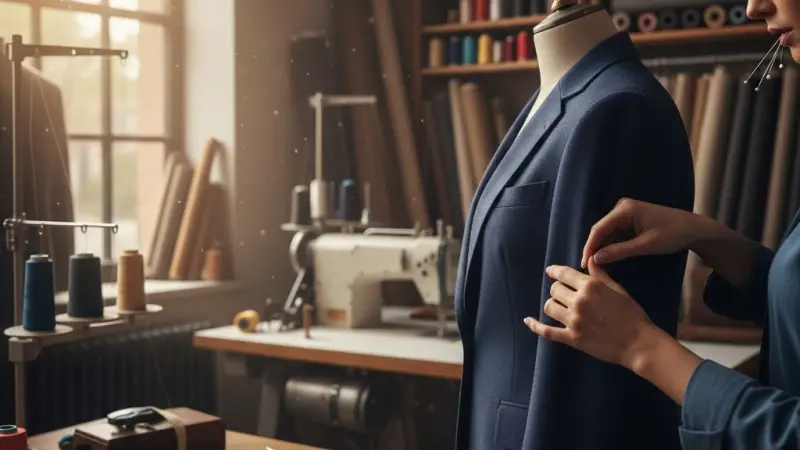
The British clothing repairs and alterations sector is currently experiencing a significant renaissance, driven by a confluence of economic necessity, environmental consciousness, and a shifting cultural attitude toward "fast fashion." Historically, the UK has a rich heritage of tailoring and garment care, yet for decades, the "throwaway culture" threatened to relegate the local seamstress and tailor to the annals of history. However, as we navigate the mid-2020s, the economic importance of this sector cannot be overstated. Recent data suggests that the repair and maintenance of personal and household goods—of which clothing is a primary component—contributes hundreds of millions of pounds to the UK’s GDP annually.

Beyond the raw figures, the sector serves as a vital pillar of the circular economy. By extending the life of a garment by just nine months, its carbon, water, and waste footprints are reduced by approximately 20-30%. For the average UK consumer, the decision to seek out a uk business directory website to find a local specialist is no longer just about saving a few pounds on a new pair of trousers; it is a conscious decision to invest in quality and sustainability. From the high-end ateliers of Savile Row to the humble dry cleaners on a suburban high street offering "invisible mending," the diversity of the trade reflects a broad socio-economic spectrum. This guide explores the intricacies of the industry, offering insights into market evolution, service breakdowns, and how local businesses can thrive in an increasingly digital marketplace.
The Landscape of Clothing Repairs & Alterations in the UK
The landscape of the UK’s alteration industry has undergone a radical transformation post-pandemic. During the lockdowns, many Britons rediscovered the value of their existing wardrobes, leading to a surge in DIY repairs and, subsequently, a professional demand for high-quality restoration once businesses reopened. Today, the market is characterised by a mix of traditional family-run businesses and modern, tech-enabled startups that offer doorstep collection and delivery services.
Geographically, London, Manchester, and Birmingham remain the primary hubs of activity, but there is a noticeable rise in "repair cafes" and boutique alteration studios in smaller market towns and rural areas. This decentralisation is partly due to the "work from home" shift, where consumers now prefer to engage with services in their immediate local communities rather than near city-centre offices. For those looking to support their local economy, a quick search on a uk online business directory reveals a wealth of talent that was previously hidden from the mainstream eye.
Post-pandemic evolution has also seen a shift in the type of work being requested. While formalwear alterations (bridal, prom, and black-tie) remain staple revenue streams, there is an increasing demand for "lifestyle alterations"—resizing high-quality vintage finds or modernising inherited pieces. This reflects a more sophisticated consumer who understands that a well-fitted, repaired garment is a far better investment than a cheap, mass-produced alternative. The industry is no longer seen as a "distress purchase" but rather a luxury service that adds value to one's wardrobe.
Comprehensive Services Breakdown
Navigating the world of garment care requires an understanding of the specific services available. A professional repair and alterations business offers much more than just shortening hems. The following breakdown illustrates the breadth of the niche:
Essential Repairs
These are the foundational services designed to restore functionality.
Zip Replacements: One of the most common requests, involving the delicate removal of broken sliders or tracks from jeans, jackets, and invisible zips on dresses.
Patching and Darning: Addressing "blow-outs" in denim or moth holes in cashmere using traditional or creative (visible) mending techniques.
Pocket Linings: Replacing worn-through pockets in trousers and coats to ensure they remain functional.
Precision Alterations (Resizing)
This involves changing the dimensions of a garment to fit the wearer perfectly.
Waist Adjustments: Taking in or letting out waistbands on trousers and skirts.
Sleeve Shortening: A complex task, especially on jackets with functional buttons or "surgeon's cuffs."
Tapering: Narrowing the legs of trousers or the side seams of shirts for a more modern, fitted silhouette.
Creative Restyling
This is the pinnacle of the craft, where a garment is fundamentally changed.
Neckline Re-shaping: Turning a crew neck into a V-neck or lowering a collar.
Relining: Giving an old coat a new lease of life with a vibrant silk or satin lining.
Modernisation: Removing shoulder pads from vintage blazers or shortening a maxi dress into a midi.
For professionals in this field, maintaining high standards is essential. Utilizing a business listing uk to showcase these specialised skills is the best way to attract clients who may not realize the extent of what can be achieved through professional tailoring.
How to Choose the Right Service Provider
With so many options available, consumers must be discerning when selecting a professional. The quality of workmanship can vary significantly, and an error on a sentimental or expensive piece can be devastating. When searching through local business listings uk, consider the following criteria:
Portfolio and Reviews: Look for providers who display "before and after" photos of their work. Online reviews are invaluable, but pay close attention to comments regarding complex tasks rather than just simple hems.
Specialisms: Not all tailors are created equal. Some excel at leather and suede, while others specialise in delicate bridal fabrics or heavy-duty outdoor gear.
Insurance and Guarantees: A reputable business should have public liability insurance and a clear policy on what happens if a garment is damaged during the process.
Accreditations: While not mandatory, membership in organisations like the Association of Master Tailors or the Guild of Master Craftsmen indicates a commitment to professional excellence.
Establishing a local reputation takes years, but in the digital age, that reputation is often vetted in seconds via a uk local business search. Always visit the shop for a consultation before committing to a major alteration; the way a tailor pins a garment tells you everything you need to know about their eye for detail.
Industry Challenges & Future Outlook
Despite the current boom, the clothing repairs and alterations sector faces several hurdles. The primary challenge is a skills shortage. As an older generation of master tailors retires, there is a pressing need for apprenticeships to ensure these intricate skills are passed down. Additionally, the rise of "ultra-fast fashion"—garments made so cheaply that the cost of a repair exceeds the cost of a replacement—remains a systemic threat.
However, the future is brightened by technology and sustainability mandates. We are seeing the integration of 3D body scanning to provide hyper-accurate measurements, and many businesses are now using a business listing uk to reach a younger, eco-conscious demographic. Regulatory changes in the UK, potentially following the EU's "Right to Repair" initiatives, could soon require manufacturers to make garments more easily repairable, which would provide a massive boost to the local alteration shop. The "green revolution" is not just about electric cars; it is about the needle and thread, and the businesses that embrace this narrative will be the ones that survive and thrive.
Business Tips for Clothing Repairs & Alterations Professionals
For the local tailor or seamstress, the transition from a "word of mouth" business to a digital-first enterprise is the key to scaling. In the modern UK market, if you aren't visible online, you essentially don't exist to the under-40 demographic.
Optimise for Local SEO: Ensure your business is listed on every relevant uk professional services listings site. This helps your business appear when someone searches for "clothing repairs near me."
Content Marketing: Start a blog or a social media page showing the "invisible" work you do. Educate your customers on why a silk lining costs more than polyester.
Diversify Revenue: Consider offering "Repair Kits" for sale or hosting small workshops to teach basic mending. This builds community trust and positions you as an expert.
Digital Visibility: Claiming a uk verified business listings profile ensures that your contact details, opening hours, and service list are accurate and professional across the web.
The goal is to turn a one-off alteration customer into a lifelong client who views you as the "guardian" of their wardrobe.
Wrapping Up & Local Page Integration
The clothing repairs and alterations industry is a vibrant, essential part of the UK’s high street. It represents a shift back to quality, craftsmanship, and environmental responsibility.
As we move further into a decade defined by sustainability, these businesses will only become more central to our daily lives.
For the business owner, the challenge remains standing out in a crowded market. This is where Local Page UK becomes an indispensable tool. By providing a streamlined, authoritative platform for businesses to showcase their expertise, it bridges the gap between the craftsman and the consumer. Whether you are a master tailor in Mayfair or a denim specialist in Glasgow, being part of a comprehensive uk local business directory ensures your skills are discovered by those who value them most. The future of fashion is circular, and the future of local business is digital.
Boost Your Visibility with Local Page UK
In the competitive world of clothing alterations, visibility is everything. If a potential customer can't find you at the exact moment their favourite dress tears, they will look elsewhere. By claiming your business listing uk on Local Page UK, you are taking a vital step toward securing your business's future. Join the premier solution for UK service providers and let us help you reach the heart of your local community.
Frequently Asked Questions
How much do typical clothing alterations cost in the UK?
Pricing varies significantly based on the complexity of the task and the location of the business. A simple trouser hem might cost between £10 and £20, while more complex tasks like shortening jacket sleeves or tapering a coat can range from £30 to £70. Bridal and formalwear alterations are generally priced higher due to the delicate fabrics and intricate construction involved. It is always best to check a uk local trades directory to find local professionals and request a quote based on your specific needs.
Is it worth repairing cheap "fast fashion" items?
From a purely financial standpoint, repairing a £10 t-shirt for £15 may not seem logical. However, from a sustainability perspective, it prevents textile waste. Many people choose to repair cheaper items if the fit is particularly good or if the item has sentimental value. Professional tailors can often reinforce seams or replace zips on fast fashion items to make them last much longer than originally intended.
How long do professional alterations usually take?
Standard alterations like hemming or waist adjustments typically take 3 to 7 days, depending on how busy the shop is. During peak seasons, such as prom or wedding season (April to August), lead times can extend to several weeks. Many providers listed in a uk b2b business directory offer "express" services for an additional fee if you need a garment back within 24 to 48 hours.
Can a tailor make a garment larger if it is too small?
Yes, but only if there is sufficient "seam allowance" inside the garment. High-quality trousers and jackets are often designed with extra fabric at the seams specifically for this purpose. If there is no extra fabric, a creative tailor might be able to add panels or "gussets" to increase the size, though this is a more complex and visible alteration.
Where can I find a list of reliable tailors in my area?
The most effective way to find vetted professionals is to consult a reputable Localpage which categorises businesses by service and location. This allows you to compare reviews, check for specific specialisms like leather or silk, and ensure the business is currently active and verified.
What is "invisible mending" and does it actually work?
Invisible mending is a highly skilled technique where individual threads are taken from the garment's hem or interior and woven back into a hole or tear, following the original pattern. When done correctly, the repair is virtually impossible to see with the naked eye. This service is expensive and usually reserved for high-end wool suits or luxury knitwear.
Can wedding dresses be significantly resized?
Wedding dresses can often be taken in by up to two or three sizes, but making them larger is much more difficult. It usually requires sourcing matching lace or fabric to create new panels. Because bridal construction is so complex, you should only use a specialist found through uk top rated local businesses to ensure the structural integrity of the gown remains intact.
What should I bring to an alteration appointment?
You should always bring the shoes and undergarments you plan to wear with the garment. For trousers and dresses, the heel height of your shoes significantly affects the hemline. Similarly, the right bra or shapewear can change the fit of a bodice, ensuring the tailor pins the fabric accurately to your silhouette.
Is it possible to change the style of an old coat?
Absolutely. This is known as "restyling." A tailor can remove outdated shoulder pads, change the collar shape, replace old-fashioned buttons, or even shorten a full-length coat into a stylish pea coat. It is an excellent way to update a high-quality vintage piece that might otherwise sit unworn in your wardrobe.
Do tailors offer a guarantee on their work?
Most professional tailors will offer a satisfaction guarantee, meaning they will adjust the garment further if the initial fit isn't quite right. However, they are generally not responsible for the garment's fit if your body measurements change significantly between the fitting and the collection. Always clarify the policy before leaving your items.
Can leather jackets be repaired or altered?
Leather requires specialised sewing machines and heavy-duty needles, so not every tailor can handle it. However, specialists can replace leather zips, shorten sleeves, and even repair tears using sub-patches and leather adhesive. You can find these specialists by searching for uk service listings specifically for leatherwork.
What is the difference between a tailor and a seamstress?
Historically, a tailor referred to someone who made or altered structured garments like suits and coats (traditionally for men), while a seamstress worked with softer fabrics and dresses (traditionally for women). Today, the terms are often used interchangeably, though "tailor" still implies a higher level of structural garment construction expertise.
Can moth holes in knitwear be fixed?
Yes, moth holes can be repaired through darning or re-knitting. If the hole is small, a professional can often make it disappear. For larger holes, some people opt for "visible mending," using a contrasting colour to turn the repair into a decorative feature, which has become a popular fashion trend in the UK.
How do I know if a garment is worth the cost of alteration?
A good rule of thumb is to consider the quality of the fabric and the fit of the shoulders. If a garment is made of high-quality natural fibres (wool, silk, cotton) and fits well in the shoulders, it is almost always worth altering. If the fabric is poor quality or the shoulders are too wide, the cost of the structural changes may outweigh the garment's value.
How can I help my local alteration business grow?
The best way to help is to leave a detailed review on their Local page profile. Small businesses rely heavily on digital reputation to attract new clients. Sharing their work on social media and recommending them to friends is also incredibly effective in helping these skilled craftsmen maintain their place on the British high street.

Disclaimer: The information provided in this article is for general informational and research purposes only. Company details, features, services, and market positions may change over time. Readers are advised to visit official company websites and conduct independent research before making any business decisions or purchasing services.
Most Searchable Keywords

Recent Blogs

Related Listings

Categories
- Accountants (295)
- Advertising Agencies (559)
- Architects (149)
- Automobiles (377)
- Beauty (300)
- Carpenters (146)
- Cleaning Services (386)
- Dentists (189)
- Driving (62)
- Electricians (215)
- Energy (8)
- Event Organiser (685)
- Finance (599)
- Guide (3365)
- Health (2207)
- Information technology (206)
- Legal Services (353)
- Logistics (6)
- Maintenance (65)
- Manufacturing (35)

Sponsored Listings in Locksmith Services


Related Blogs

Gen Z Political Reporters and News Creators i...
Read this insightful article "Gen Z Political Reporters and News Creators in the UK" to expand your knowledge!

Famous Female Social Media Influencers Across...
Read this insightful article "Famous Female Social Media Influencers Across the UK" to expand your knowledge!

Your UK Sponsor Licence 2026 Step by Step Gui...
Read this insightful article "Your UK Sponsor Licence 2026 Step by Step Guide" to expand your knowledge!
Questions & Answers – Find What
You Need, Instantly!
How can I update my business listing?
Is it free to manage my business listing?
How long does it take for my updates to reflect?
Why is it important to keep my listing updated?
