
Coal & Smokeless Fuel Supply: Quality, Compliance & Sourcing
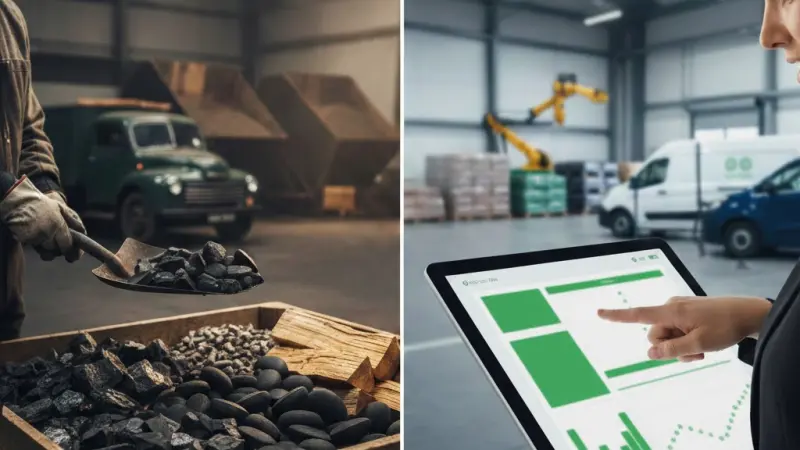
The Coal & Smokeless Fuel Merchants & Distributors sector in the United Kingdom represents a vital, albeit rapidly evolving, pillar of the nation’s energy landscape. While the UK continues its transition toward a net-zero future, the immediate reality for millions of households—particularly those in off-grid rural locations—remains a reliance on solid fuels for domestic heating. This sector is not merely a relic of Britain’s industrial past but a sophisticated, regulated, and economically significant network of professionals ensuring that energy security is maintained at a grassroots level.

Historically, coal was the lifeblood of British industry and domestic warmth. Today, the sector has transitioned into a highly specialised market where quality control and environmental compliance are the primary drivers of commercial success. Merchants and distributors provide the logistical backbone for the delivery of anthracite, manufactured smokeless ovals, and kiln-dried logs, serving a diverse clientele ranging from heritage steam railway enthusiasts to modern homeowners with eco-design wood-burning stoves. The economic importance of this sector cannot be understated; it supports thousands of jobs in logistics, processing, and retail, contributing significantly to the UK's regional economies.
In the current climate, the role of a merchant is as much about education as it is about supply. As the UK government implements the "Air Quality (Domestic Solid Fuels Standards) (England) Regulations 2020," the industry has faced a seismic shift. Traditional house coal (bituminous coal) has been phased out for domestic use in England, replaced by "Ready to Burn" certified fuels. Navigating this transition requires a robust uk b2b business directory to connect suppliers with compliant wholesalers and manufacturers who adhere to these stringent new standards. This guide aims to provide an exhaustive overview of the sector, exploring the nuances of supply chain management, regulatory adherence, and the vital role these businesses play in the British energy mix.
The Landscape of Coal & Smokeless Fuel Merchants & Distributors in the UK
The contemporary market for solid fuel in the UK is defined by a paradox: a shrinking overall volume of traditional coal sales alongside a surging demand for premium, compliant smokeless alternatives and biomass fuels. Currently, the market is composed of a mix of large-scale national distributors and a vast number of family-run local businesses that have served their communities for generations. These businesses are particularly active in Northern England, Wales, and Scotland, where the geography and housing stock often make heat pumps or gas grid connections less viable or prohibitively expensive.
Post-pandemic, the industry has seen a marked shift in consumer behaviour. The "stay-at-home" era led to a resurgence in the popularity of domestic fireplaces and wood burners as "lifestyle" features, driving a demand for high-quality fuels that offer high heat output and low emissions. However, the global energy crisis sparked by geopolitical tensions in 2022 also placed enormous pressure on the supply chain. Prices for anthracite and imported smokeless fuels fluctuated wildly, forcing UK merchants to become more agile in their sourcing strategies. Many have turned to a uk small business directory to find new logistical partners and alternative suppliers within the UK to mitigate the risks associated with international shipping and fluctuating exchange rates.
The evolution of the industry is also marked by a move toward professionalisation. The "HETAS" and "Woodsure" certification schemes have become the gold standard for merchants. Distributors are no longer just delivering sacks of fuel; they are technical advisors who ensure that the fuel provided is compatible with the consumer’s appliance to prevent chimney fires and excessive particulate emissions. As the landscape continues to consolidate, those who leverage digital visibility to showcase their compliance and reliability are emerging as market leaders.
Comprehensive Services Breakdown
The services offered by modern coal and smokeless fuel merchants have expanded far beyond the simple "coal man" stereotype. Today, a premier distributor manages a complex inventory of energy products, each tailored to specific regulatory and performance requirements.
1. Smokeless Fuel Distribution
The core of the modern domestic market is manufactured smokeless fuel. These are typically ovals or briquettes made from a blend of anthracite fines, petroleum coke, and a binder. They are designed to burn longer and hotter than traditional coal while emitting significantly less smoke, making them legal for use in Smoke Control Areas.
2. Anthracite Sourcing
Anthracite is a naturally occurring high-carbon coal. It is inherently smokeless and is prized for its slow-burning properties and high heat density. Merchants specialise in sourcing various grades, such as "Large Nuts" or "Grains," depending on whether the customer is using a gravity-feed boiler or a closed room heater.
3. Kiln-Dried Wood and Biomass
As many traditional coal users transition to wood-burning stoves, merchants have diversified into biomass. This includes kiln-dried logs with a moisture content of less than 20%, heat logs (compressed sawdust), and wood pellets. To maintain a competitive edge, businesses often list their credentials on a business listing uk to ensure local stove owners can find certified "Ready to Burn" wood supplies.
4. Logistics and Seasonal Planning
Effective fuel supply is a logistical feat. Merchants must manage massive stockpiles during the summer months to ensure they can meet the surge in
demand during a "cold snap." This includes "winter fuel payment" schemes and "early-buy" discounts to help customers manage their energy budgets.
5. Specialist Equipment and Ancillaries
Beyond the fuel itself, many distributors provide essential equipment. This includes bunkers, fire-side accessories, and even appliance maintenance services. Ensuring that safety tips and equipment usage are communicated to the end-user is a critical part of the service package, often requiring collaboration with local sweeps and installers.
How to Choose the Right Service Provider
For consumers and business clients alike, selecting a fuel merchant is a decision that impacts both safety and efficiency. In an industry where "cowboy" traders sometimes operate on the fringes—selling unseasoned wood or non-compliant coal—due diligence is essential.
Firstly, check for professional accreditations. A reputable merchant should ideally be a member of the Coal Merchants Federation (CMF) or be a HETAS Approved Fuel Merchant. These bodies ensure that the member adheres to a code of conduct and understands the legalities of the fuels they sell. Furthermore, verify that their wood products carry the "Ready to Burn" logo, which is now a legal requirement in many parts of the UK.
Secondly, local reputation and reviews are paramount. In the digital age, a business's online footprint is a reliable indicator of its service quality. Prospective customers should consult uk service listings to compare local providers, checking for mentions of delivery reliability, fuel quality, and helpfulness of the staff.
Thirdly, ensure the provider is fully insured. Delivering heavy bags of fuel or operating large delivery trucks in tight residential driveways carries inherent risks. A professional merchant will have public liability insurance and goods-in-transit cover. Lastly, consider the environmental policy of the merchant. Are they actively sourcing carbon-neutral fuels? Do they offer advice on how to burn fuel more efficiently? Choosing a provider who is forward-thinking about sustainability ensures you are supporting a business that will remain compliant as regulations tighten further.
Industry Challenges & Future Outlook
The solid fuel sector faces a transformative decade. The primary challenge is the UK Government’s "Clean Air Strategy," which aims to reduce emissions of fine particulate matter (PM2.5). The prohibition of bituminous house coal and the restriction of wet wood sales have already forced many businesses to restructure their entire product ranges.
Technology is playing a dual role in this shift. On one hand, modern, high-efficiency "Ecodesign" stoves are becoming more popular, requiring highly specific, low-moisture fuels. On the other hand, digital tools are changing how merchants operate. From GPS-tracked delivery routes to sophisticated CRM systems that predict when a customer is likely to run out of fuel, the "digital merchant" is the new industry standard. Businesses that fail to adapt to these technological shifts risk being left behind.
Sustainability is the defining theme of the future. Many merchants are already pivoting toward being "heat providers" rather than just "coal sellers." This includes the promotion of HVO (Hydrotreated Vegetable Oil) as a replacement for heating oil and the increased use of sustainable wood sources. Regulatory changes are likely to continue, with potential further restrictions on the sulphur content of smokeless fuels. To navigate these hurdles, professionals in the sector must stay informed by networking through a business listing uk, allowing them to collaborate with green-tech providers and stay abreast of the latest legislative updates.
Business Tips for Coal & Smokeless Fuel Professionals
In a niche market, traditional word-of-mouth remains powerful, but it must be supplemented by a robust digital marketing strategy. Many fuel merchants operate in very specific geographical areas, making "Local SEO" the most important tool in their marketing arsenal.
The first step for any merchant is to claim their digital real estate. Ensuring your business appears in uk verified business listings is essential for appearing in "near me" searches. When a customer in the Yorkshire Dales or the Scottish Highlands searches for "smokeless fuel near me," you want your business to be at the top of that list with accurate contact details and delivery zones.
Content marketing is also highly effective in this sector. By creating guides on "How to store your coal for winter" or "The benefits of kiln-dried logs vs seasoned wood," you establish your business as an authority.
This builds trust with consumers who may be confused by new air quality regulations. Social media platforms like Facebook are excellent for announcing "winter stock arrivals" or "summer discounts," allowing you to engage directly with the local community.
Finally, do not underestimate the power of B2B networking. Connecting with local stove installers, chimney sweeps, and estate agents can provide a steady stream of referrals. Offering a "new homeowner" discount through these partners can be a brilliant way to capture long-term customers who have just moved into a property with a solid fuel appliance.
Wrapping Up & Local Page Integration
The coal and smokeless fuel industry is a testament to the resilience and adaptability of British trade. By balancing heritage with high-tech compliance, merchants continue to provide a vital service to millions. As the UK moves toward a cleaner energy future, the expertise of these professionals will be crucial in ensuring that transition is both fair and functional for those who rely on solid fuel.
For businesses operating in this space, visibility is the key to longevity. Whether you are a large-scale distributor or a local firewood supplier, being accessible to your community is non-negotiable. Using a dedicated uk business directory like Local Page UK ensures that your business is placed in front of the right audience at the right time. By bridging the gap between traditional service and modern digital search, Local Page serves as the ultimate partner for UK fuel merchants looking to solidify their market position.
Boost Your Visibility with Local Page UK
In the competitive world of fuel supply, your reputation is your most valuable asset—but only if people can find you. At Local Page UK, we specialise in highlighting the best of British trade and services. For professionals in the Coal & Smokeless Fuel sector, appearing in a trusted directory is the fastest way to build online authority and attract new customers.
Don’t let your business stay in the shadows. Claim your business listing uk today and join a community of verified professionals dedicated to quality and service. With Local Page, you aren't just a name on a list; you are a verified solution for customers seeking reliable energy supplies.
Frequently Asked Questions (FAQs)
1. What is the difference between anthracite and smokeless fuel?
Anthracite is a natural, high-carbon mineral coal that is inherently smokeless and burns with a very high heat output. Manufactured smokeless fuels are man-made briquettes created from a mix of anthracite dust and other materials. Both are legal for use in UK Smoke Control Areas, but anthracite is often preferred for closed appliances due to its consistent burn rate.
2. Is traditional house coal still legal in the UK?
As of May 2023, the sale of traditional bituminous house coal (bags) for domestic heating has been banned in England to improve air quality. It is still available in some other parts of the UK, but consumers are strongly encouraged to switch to compliant smokeless alternatives or wood.
3. What does the "Ready to Burn" logo mean?
The "Ready to Burn" certification indicates that wood has a moisture content of 20% or less. This ensures that the wood burns efficiently with minimal smoke and particulate emissions.
It is a legal requirement for wood sold in volumes under 2m3 in England.
4. How should I store my smokeless fuel?
Smokeless fuel should be stored in a dry, well-ventilated coal bunker. While it is less sensitive to moisture than wood, keeping it dry prevents the degradation of the briquettes and ensures easier lighting and a more efficient burn.
5. Can I use smokeless fuel in a wood-burning stove?
Only if the stove is "Multi-Fuel." Standard wood burners are designed with a flat base, whereas multi-fuel stoves have a grate that allows air to circulate from beneath the coal. Check your appliance manual before switching fuels. You can find experts to advise you on Localpage.
6. Why is kiln-dried wood better than seasoned wood?
Kiln-drying uses a controlled environment to rapidly remove moisture, ensuring a consistent sub-20% moisture level. "Seasoning" relies on the weather and can take years, often resulting in inconsistent results. Kiln-dried wood provides more heat and less soot.
7. How often should I have my chimney swept?
If you are burning smokeless fuel or wood, you should have your chimney swept at least once a year, preferably before the winter season begins. This prevents the build-up of soot and creosote, which are major causes of chimney fires.
8. What are Smoke Control Areas?
These are specific zones, usually in towns and cities, where you cannot emit smoke from a chimney unless you are burning an "Authorised Fuel" or using an "Exempt Appliance." Most smokeless ovals are authorised fuels.
9. How do I find a reliable local coal merchant?
The best way is to look for merchants who are members of the Coal Merchants Federation. You can also search for highly-rated local suppliers using professional online directories that verify business details and customer feedback.
10. What are the benefits of anthracite for gravity-fed boilers?
Anthracite "Beans" or "Grains" are sized specifically to flow through gravity-fed systems without jamming. Their high density allows for long periods between refueling, making them ideal for consistent domestic heating and hot water.
11. Is smokeless fuel more expensive than coal?
While the price per bag may be slightly higher, smokeless fuel often provides better value because it has a higher heat content and burns for significantly longer than traditional house coal, meaning you use less volume over time.
12. Can I burn coal in a fireplace with a boiler back?
Yes, but you must use the correct grade of fuel. Using the wrong fuel can cause the boiler to overheat or lead to a build-up of deposits on the heat exchanger. Always consult your local merchant for the best fuel for "wet" systems.
13. How do I dispose of coal ash safely?
Coal ash should be allowed to cool completely before being placed in your general waste bin. Unlike wood ash, coal ash is not suitable for garden compost as it can contain trace elements that are harmful to plants and soil.
14. What are the signs of poor quality fuel?
Poor quality fuel will be difficult to light, produce excessive smoke (even if "smokeless"), leave behind large amounts of
unburnt "clinker," and provide very little heat. Always buy from a certified merchant to avoid these issues.
15. How can I list my fuel business online?
The most effective way to reach local customers is to create a profile on a specialised Local page directory. This allows you to showcase your certifications, delivery areas, and product range to people searching for fuel in your specific region.

Disclaimer: The information provided in this article is for general informational and research purposes only. Company details, features, services, and market positions may change over time. Readers are advised to visit official company websites and conduct independent research before making any business decisions or purchasing services.
Most Searchable Keywords
Recent Blogs


Related Listings

Categories
- Accountants (295)
- Advertising Agencies (559)
- Architects (149)
- Automobiles (377)
- Beauty (300)
- Carpenters (146)
- Cleaning Services (386)
- Dentists (189)
- Driving (62)
- Electricians (215)
- Energy (8)
- Event Organiser (685)
- Finance (599)
- Guide (3365)
- Health (2207)
- Information technology (206)
- Legal Services (353)
- Logistics (6)
- Maintenance (65)
- Manufacturing (35)

Sponsored Listings in Locksmith Services


Related Blogs

Gen Z Political Reporters and News Creators i...
Read this insightful article "Gen Z Political Reporters and News Creators in the UK" to expand your knowledge!

Famous Female Social Media Influencers Across...
Read this insightful article "Famous Female Social Media Influencers Across the UK" to expand your knowledge!

Your UK Sponsor Licence 2026 Step by Step Gui...
Read this insightful article "Your UK Sponsor Licence 2026 Step by Step Guide" to expand your knowledge!
Questions & Answers – Find What
You Need, Instantly!
How can I update my business listing?
Is it free to manage my business listing?
How long does it take for my updates to reflect?
Why is it important to keep my listing updated?
