
Commercial Cleaning Services: Standards, Pricing & Provider Selection
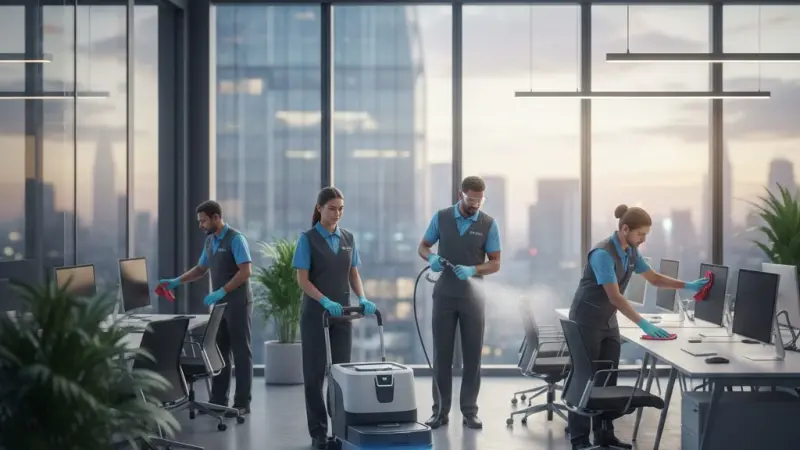
The commercial cleaning industry is a cornerstone of the British economy, acting as the silent engine that keeps the nation’s infrastructure operational. Often overlooked in high-level economic discussions, the sector provides essential services that ensure public health, safety, and operational efficiency across every imaginable industry—from the gleaming skyscrapers of the City of London to the industrial hubs of the Midlands and the vital healthcare facilities of the NHS. In the United Kingdom, the cleaning industry contributes over £58 billion to the economy and employs approximately 1.47 million people, representing roughly 5% of the UK workforce.

As a British business analyst, it is clear that the sector has transitioned from a perceived "low-skilled" utility to a high-specification professional service. This shift is driven by a heightened awareness of hygiene standards, more stringent health and safety regulations, and a growing emphasis on corporate social responsibility (CSR). For businesses looking to maintain their premises, finding reliable partners through a uk business directory has become a vital first step in ensuring quality control.
Commercial cleaning is no longer just about "polishing desks." It is an intricate discipline involving chemical engineering, robotics, logistics, and human resource management. The sector’s economic importance is multifaceted: it provides entry-level employment opportunities, sustains a massive supply chain of chemical and equipment manufacturers, and protects the capital value of UK real estate. Furthermore, the productivity of the British workforce is intrinsically linked to the cleanliness of the office environment; a well-maintained workspace reduces absenteeism and boosts morale. As we navigate the complexities of the modern economy, the resilience and professionalisation of this sector remain a fascinating study in operational excellence.
The Landscape of Commercial Cleaning Services in the UK
The current landscape of the UK commercial cleaning market is one of robust recovery and structural evolution. Post-pandemic, the demand for cleaning services has not just returned to baseline; it has fundamentally changed in nature. We have seen a move away from "aesthetic cleaning" toward "hygiene-led cleaning." Market data indicates that the demand for professional disinfection and high-frequency touchpoint cleaning remains significantly higher than 2019 levels.
Geographically, London and the South East remain the primary engines of activity, driven by the density of office-based businesses and retail centres. However, the "levelling up" agenda and the rise of regional business hubs in Manchester, Birmingham, and Leeds have seen a surge in regional cleaning contracts. For those operating within these areas, being listed in a uk online business directory is essential for capturing local contract opportunities.
The evolution of the industry is also marked by consolidation. Large multi-service facility management (FM) firms continue to acquire smaller, niche cleaning companies to offer "bundled" services. Yet, there remains a healthy ecosystem for independent local providers who compete on the basis of agility and personalised service. This diversity within the market allows for a wide range of pricing models, from fixed-fee national contracts to hourly-rate local agreements. The industry has also faced significant headwinds, notably the "cost of doing business" crisis, which has seen energy and material costs rise, alongside necessary increases in the Real Living Wage. Despite these challenges, the sector continues to grow as businesses prioritise a safe return to office-based work.
Comprehensive Services Breakdown
The sheer variety of services offered within the commercial cleaning niche is vast. To understand the sector, one must look beyond basic office cleaning and into specialised domains.
General Office Cleaning: This remains the bread and butter of the industry, encompassing dusting, vacuuming, waste management, and kitchen hygiene.
Industrial & Warehouse Cleaning: This involves the use of heavy-duty machinery, such as ride-on scrubbers and high-pressure washers, to maintain large-scale manufacturing or distribution sites.
Clinical & Healthcare Cleaning: A highly regulated sub-sector requiring adherence to CQC (Care Quality Commission) standards. Here, the focus is on infection control and the prevention of cross-contamination.
Deep Cleaning & Decontamination: Often scheduled quarterly or annually, these services use fogging technology and electrostatic sprayers to sanitise hard-to-reach areas.
Window & Facade Cleaning: Utilizing "reach and wash" water-fed pole systems or abseiling teams for high-rise commercial structures.
Specialist Floor Care: Restoration and maintenance of marble, terrazzo, or high-traffic safety flooring.
Professional providers often showcase these diverse capabilities through a business listing uk to demonstrate their range to prospective B2B clients. Within each of these categories, there is a growing trend toward "outcome-based" contracts rather than "input-based" ones. Instead of paying for a set number of hours, businesses are increasingly paying for a guaranteed level of cleanliness, measured through ATP (Adenosine Triphosphate) testing or visual audits. This shift rewards efficiency and the use of modern technology over sheer manpower.
How to Choose the Right Service Provider
Selecting a cleaning partner is a critical procurement decision that impacts a company’s reputation and employee well-being. A British business should not choose based on price alone; the "cheapest" option often leads to high turnover of staff, poor service delivery, and potential legal liabilities.
Consumers should look for the following "hallmarks of quality":
Accreditations: Look for ISO 9001 (Quality Management), ISO 14001 (Environmental Management), and membership in the British Institute of Cleaning Science (BICSc).
Insurance: A reputable provider must have comprehensive Public and Employers’ Liability Insurance.
Staff Training: Inquire about their training programmes. Do they use the BICSc colour-coding system to prevent cross-contamination?
Sustainability: Ask for their environmental policy. Do they use eco-friendly chemicals and concentrate systems to reduce plastic waste?
Local Reputation: Check verified reviews. Browsing local business listings uk can help identify providers with a strong track record in your specific region.
A thorough vetting process should also include a site visit and a detailed proposal. Transparency is key; the provider should be able to explain their "staffing ratios" and how they manage "relief cover" when a regular cleaner is absent. In an industry where people are the primary asset, the way a company treats its staff—paying at least the National Living Wage—is often a direct indicator of the service quality you can expect.
Industry Challenges & Future Outlook
The future of commercial cleaning in the UK is being shaped by two major forces: Technology and Sustainability.
Technological Shifts: We are witnessing the "Cobotics" revolution. Robots are not replacing cleaners; they are assisting them. Autonomous vacuum cleaners and floor scrubbers are taking over the repetitive, large-scale tasks, allowing human operatives to focus on high-touch surfaces and detail-oriented cleaning. Furthermore, "Smart Building" technology now allows cleaning teams to use occupancy data to clean only the areas that have actually been used, significantly increasing efficiency.
Sustainability Initiatives: "Green cleaning" is no longer a niche preference; it is a regulatory and client-driven requirement. This includes the move away from harsh Volatile Organic Compounds (VOCs) and toward biotechnology-based cleaners (using enzymes and bacteria).
Many providers are now listing their "zero-carbon" or "circular economy" credentials on a uk free business directory to attract ESG-conscious corporate clients.
Regulatory Changes: Post-Brexit, the UK continues to adapt its own chemical safety standards (UK REACH). Providers must stay abreast of these changes to ensure compliance. Additionally, the tightening of "Right to Work" checks and employment law requires cleaning firms to maintain impeccable administrative standards. The outlook for the next decade is one of professionalisation; firms that embrace data and sustainability will thrive, while those relying on outdated, manual processes will likely struggle to remain competitive.
Business Tips for Commercial Cleaning Professionals
For those running a commercial cleaning business, the competition is fierce. To stand out, a robust digital marketing strategy is no longer optional—it is a survival requirement. While "word of mouth" is valuable, most B2B procurement starts with an online search.
Digital Visibility: It is essential to ensure your business appears in uk service listings. This provides "backlink" value to your website and increases your "Local SEO" presence. When a facility manager searches for "Commercial Cleaning Manchester," you want your business to be at the top of the map pack.
Niche Authority: Don't just be a "cleaning company." Become an expert in a specific niche, such as "Data Centre Cleaning" or "School Hygiene." Create content (blogs, whitepapers) that addresses the specific pain points of those sectors. This builds trust before a single phone call is made.
Customer Retention: In this industry, it is far cheaper to keep a client than to find a new one. Implement a "Customer Success" model where you conduct monthly audits and proactively suggest improvements to the cleaning schedule. Use digital reporting tools that give the client a "dashboard" view of their site's cleanliness. This transparency creates "stickiness" in the relationship. Finally, ensure your online profile is active and updated on a uk service providers directory to maintain a steady stream of incoming leads while you focus on operations.
Wrapping Up & Local Page Integration
The commercial cleaning sector is an indispensable pillar of the UK’s physical and economic landscape. It is an industry characterized by its resilience, its capacity for innovation, and its vital role in public health. As we have explored, whether you are a business owner looking for a reliable provider or a cleaning professional seeking to grow your firm, the key to success lies in quality standards, technological adoption, and clear communication.
For businesses navigating this crowded marketplace, the challenge is often filtering the professionals from the amateurs. This is where Local Page serves as a premier solution. As a comprehensive uk b2b business directory, it bridges the gap between high-quality service providers and the businesses that need them. By centralising verified listings and fostering a transparent ecosystem, it ensures that UK businesses can find local, reputable, and accredited partners with ease.
As the industry moves toward a future defined by smart technology and green initiatives, having a centralised hub for discovery and verification will only become more important. The cleaning industry keeps the UK moving; let a trusted directory keep your business growing.
Boost Your Visibility with Local Page UK
In the competitive Commercial Cleaning Services sector, being found online is critical to your success. Facility managers and business owners are constantly searching for reliable partners in their specific area. Don't let your business stay invisible. By joining our platform, you can reach more customers and showcase your unique expertise to a targeted B2B audience. Claim your business listing uk today and take the first step toward dominating your local market.
FAQs
1. What is the average cost of commercial cleaning in the UK?
The cost varies significantly based on the size of the premises, the frequency of cleaning, and the specialised nature of the tasks. Generally, office cleaning is charged at an hourly rate ranging from £15 to £25 per hour per cleaner.
Larger contracts might be priced on a "per square foot" basis or as a fixed annual fee. It is important to remember that these rates usually include equipment, chemicals, and management overheads. For a better understanding of local rates, you can browse various providers through a uk professional services listings page.
2. What are BICSc standards and why do they matter?
The British Institute of Cleaning Science (BICSc) is the largest independent, professional, and educational body within the cleaning industry. Their standards provide a framework for safe and effective cleaning practices, including a universal colour-coding system (e.g., red for washrooms, blue for general areas) to prevent cross-contamination. Hiring a BICSc-accredited firm ensures that the staff are trained in the latest safety protocols and chemical handling, reducing risk for your business.
3. How often should a commercial office be deep cleaned?
While daily cleaning handles surface dust and waste, a professional deep clean is typically recommended every 3 to 6 months. This involves intensive cleaning of carpets, upholstery, high-level dusting, and sanitisation of kitchen appliances and washroom grouting. High-traffic environments or those with specific hygiene requirements (like medical clinics) may require more frequent deep cleaning intervals to maintain a safe and professional environment.
4. Is the cleaning company responsible for providing equipment and chemicals?
In most standard commercial cleaning contracts, the service provider is responsible for supplying all necessary equipment (vacuums, mops, floor buffers) and cleaning chemicals. They should also provide COSHH (Control of Substances Hazardous to Health) data sheets for all products used on-site. However, some businesses prefer to supply their own consumables (like toilet rolls and hand soap) to maintain specific brand standards, which can be negotiated in the contract.
5. What should I check in a cleaning company's insurance policy?
You must verify that the provider holds both Public Liability Insurance (typically a minimum of £5 million) and Employers' Liability Insurance. This protects your business from claims arising from accidental damage to your property or injuries sustained by the cleaning staff while on your premises. You can find verified and insured providers on Localpage to ensure you are dealing with legitimate businesses that prioritise risk management.
6. Do cleaning companies offer flexible hours, such as night shifts?
Yes, most commercial cleaning providers offer flexible scheduling to minimise disruption to your business operations. Common shifts include early morning (before 8 AM), evening (after 6 PM), or overnight cleaning for 24-hour facilities. Some businesses also opt for "day cleaning," which is increasingly popular as it allows for better communication with the cleaning staff and reduces energy costs associated with keeping lights on late at night.
7. What is "Green Cleaning" and is it more expensive?
Green cleaning involves using products and methods that are environmentally friendly, such as biodegradable chemicals, microfiber cloths that require less water, and HEPA-filter vacuums that improve air quality. While some eco-friendly chemicals may have a slightly higher upfront cost, green cleaning often leads to long-term savings through reduced water usage and better health outcomes for employees, which can reduce sick leave.
8. How do I verify the background of the cleaning staff?
Reputable cleaning firms conduct thorough "Right to Work" checks and often perform DBS (Disclosure and Barring Service) checks on their employees, especially if they will be working in sensitive environments like schools, banks, or healthcare facilities. When selecting a provider, you should ask for their recruitment policy and confirm whether they use sub-contractors or directly employ their staff, as direct employment usually offers better quality control.
9. Can I get a one-off cleaning service for an event or move?
Absolutely. Many providers offer "end of tenancy" or "builders' cleans" as one-off services. These are intensive, top-to-bottom cleans designed to return a property to its original condition. These services are usually quoted on a project basis rather than an hourly rate. If you are looking for a quick turnaround, searching a find local businesses uk platform can help you find a company available on short notice.
10. What is ATP testing in commercial cleaning?
ATP (Adenosine Triphosphate) testing is a process of rapidly measuring actively growing microorganisms through the detection of ATP. Cleaning companies use handheld sensors to swab surfaces after cleaning to provide a numerical value of cleanliness. This moves beyond "visual" cleaning to "scientific" cleaning, providing businesses with data-driven proof that their environment is truly sanitised and safe for occupants.
11. How do I handle a complaint about cleaning quality?
A professional cleaning contract should include a Service Level Agreement (SLA) that outlines the process for handling disputes or sub-standard work. Typically, you should have a designated account manager to whom you can send photographic evidence of the issue. Most reputable firms will rectify the problem within 24 hours. Regular "walk-through" audits with your provider can prevent these issues from escalating.
12. Are cleaning companies moving toward using robotics?
Yes, the use of autonomous floor scrubbers and vacuum-bots is increasing in large commercial spaces like airports, shopping centres, and large warehouses. These "cobots" (collaborative robots) work alongside human cleaners to handle repetitive floor work, allowing humans to focus on tasks that require manual dexterity and critical thinking. This technology increases efficiency and provides consistent results across large surface areas.
13. What are the legal requirements for cleaning chemical storage?
Under COSHH regulations, cleaning chemicals must be stored in a secure, well-ventilated area, away from food or heat sources. They should be kept in their original containers with clear labels. A "COSHH cupboard" or dedicated storage room is standard. The cleaning provider is responsible for ensuring their staff are trained in the safe handling and dilution of these chemicals to prevent accidents or harmful fumes.
14. How has COVID-19 changed the commercial cleaning industry?
The pandemic transformed cleaning from a "background task" to a "frontline safety" service. There is now a permanent emphasis on "high-touchpoint" cleaning (buttons, handles, rails) and the use of antiviral disinfectants.
Many offices have also switched to more frequent cleaning schedules. The industry has also seen a rise in the use of electrostatic spraying and fogging technology for rapid, large-scale decontamination.
15. Where can I find a comprehensive list of UK cleaning providers?
The best way to find a wide range of vetted professionals is to use a dedicated business portal. Whether you are looking for specialised industrial cleaners or local office janitorial services, a reliable directory is essential. For the most up-to-date and comprehensive information on service providers across the country, we recommend using Local page to start your search and compare the best options available in your area.

Disclaimer: The information provided in this article is for general informational and research purposes only. Company details, features, services, and market positions may change over time. Readers are advised to visit official company websites and conduct independent research before making any business decisions or purchasing services.
Most Searchable Keywords

Recent Blogs

Related Listings

Categories
- Accountants (295)
- Advertising Agencies (559)
- Architects (149)
- Automobiles (377)
- Beauty (300)
- Carpenters (146)
- Cleaning Services (386)
- Dentists (189)
- Driving (62)
- Electricians (215)
- Energy (8)
- Event Organiser (685)
- Finance (599)
- Guide (3365)
- Health (2207)
- Information technology (206)
- Legal Services (353)
- Logistics (6)
- Maintenance (65)
- Manufacturing (35)

Sponsored Listings in Locksmith Services

Related Blogs

Gen Z Political Reporters and News Creators i...
Read this insightful article "Gen Z Political Reporters and News Creators in the UK" to expand your knowledge!

Famous Female Social Media Influencers Across...
Read this insightful article "Famous Female Social Media Influencers Across the UK" to expand your knowledge!

Your UK Sponsor Licence 2026 Step by Step Gui...
Read this insightful article "Your UK Sponsor Licence 2026 Step by Step Guide" to expand your knowledge!
Questions & Answers – Find What
You Need, Instantly!
How can I update my business listing?
Is it free to manage my business listing?
How long does it take for my updates to reflect?
Why is it important to keep my listing updated?
