
Commercial Vehicle Breakdown & Recovery: Fast Response & Coverage Explained
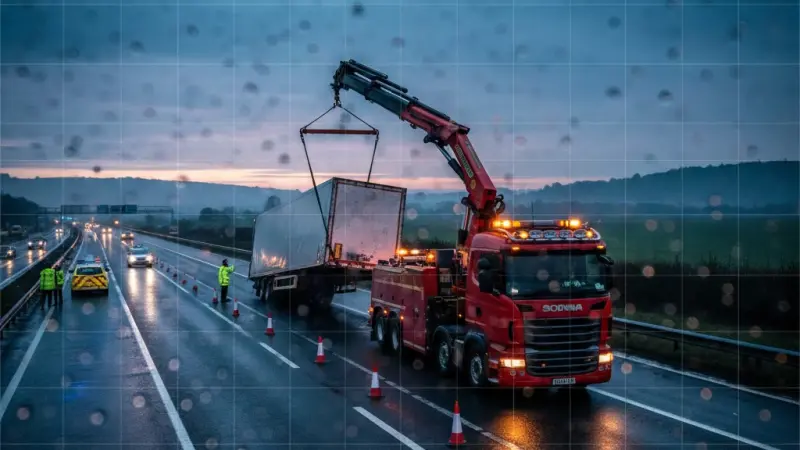
The Commercial Vehicle Breakdown & Recovery sector stands as a vital pillar of the United Kingdom’s infrastructure. In an economy that relies heavily on "just-in-time" logistics and a sprawling network of supply chains, the ability to keep the wheels of commerce turning is not merely a service—it is an economic necessity. From the heavy-duty haulage lorries traversing the M1 to the nimble last-mile delivery vans in London’s busy streets, commercial vehicles are the lifeblood of British industry.

When a commercial vehicle suffers a mechanical failure or an accident, the repercussions extend far beyond a simple roadside delay. For a small business, a single van off the road can mean missed deliveries, dissatisfied customers, and a direct hit to the bottom line. For larger fleets, the cumulative cost of downtime, combined with potential penalties for late arrivals, can reach thousands of pounds per hour. This is where the specialized recovery sector steps in, providing the technical expertise and heavy-duty equipment required to handle vehicles that standard car recovery services simply cannot manage.
The importance of this sector is reflected in its contribution to the UK’s GDP. With over 4 million light commercial vehicles (LCVs) and hundreds of thousands of heavy goods vehicles (HGVs) currently registered in the UK, the demand for reliable, fast-response recovery is at an all-time high. Business owners and fleet managers increasingly recognize that choosing a partner from a reputable uk online business directory is the first step in mitigating operational risk. As we delve into this guide, we will explore how this industry has transitioned from a traditional "tow-truck" model into a high-tech, data-driven service industry essential for national resilience.
The Landscape of Commercial Vehicle Breakdown & Recovery Services in the UK
The UK market for vehicle recovery is currently valued at approximately £1.8 billion, with significant growth projected as the national fleet ages and technology becomes more complex. Historically, the industry was fragmented, consisting of thousands of independent "mom-and-pop" operators. However, the post-pandemic era has seen a consolidation of services and a professionalization of the trade. The rise of e-commerce during the lockdowns led to an explosion in the number of delivery vans on the road, which in turn spiked the demand for 24/7 roadside assistance.
Geographically, the "Logistics Golden Triangle" in the East Midlands—encompassing parts of Northamptonshire, Leicestershire, and Derbyshire—remains a hive of activity. Because 90% of the UK population can be reached from this area within a four-hour drive, it hosts the highest density of commercial vehicle traffic and, consequently, the most robust recovery networks. Other key hubs include the corridors surrounding the M25 and the major ports like Dover and Felixstowe, where heavy recovery units are constantly on standby to clear obstructions that could otherwise paralyze international trade.
The evolution of the industry post-pandemic has been marked by a shift toward "Repair over Recovery." Modern service providers aim to fix vehicles at the roadside to avoid the logistical nightmare of towing a fully laden 44-tonne trailer. This requires recovery technicians to be more than just drivers; they are now highly skilled diagnostic engineers. Furthermore, the integration of digital platforms has allowed businesses to find local businesses uk that specialize in specific vehicle types, ensuring that the dispatched unit has the correct lifting capacity and parts for the job.
As we look at the current state of the market, the impact of the UK's "Clean Air Zones" and "Ultra Low Emission Zones" (ULEZ) cannot be ignored. Recovery operators have had to invest millions in Euro 6 compliant fleets or electric recovery trucks to continue serving urban centers. This capital-intensive transition has favored well-established firms and those listed on a uk business directory, as they can demonstrate the compliance and reliability that modern corporate contracts demand.
Comprehensive Services Breakdown
Commercial recovery is far more nuanced than domestic breakdown cover. The equipment required to recover a 3.5-tonne Transit van is vastly different from that needed for a 44-tonne articulated lorry or a specialized construction vehicle. Within this niche, services are generally categorized into three main streams: roadside assistance, heavy recovery, and specialized transport.
Roadside assistance is the most common requirement. This involves mobile workshops equipped with advanced diagnostic tools, batteries, and common spare parts. The goal is to achieve a "first-time fix." For LCV operators, this might involve solving common issues like EGR valve failures, fuel contamination, or electrical faults. Many businesses find that registering with a business listing uk helps them connect with local specialists who can offer faster response times than national "one-size-fits-all" clubs.
Heavy recovery is the "heavy lifting" of the industry. This requires specialized vehicles like "under-lifts" and "rotators." A rotator recovery vehicle is a marvel of engineering, capable of lifting overturned trailers and uprighting them without damaging the cargo. This service is crucial for maintaining road safety; an overturned HGV on a motorway can cause miles of tailbacks, costing the UK economy millions in lost productivity. Beyond the physical tow, these services often include "load trans-shipment," where the cargo is moved from a damaged vehicle to a fresh one to ensure delivery continues.
Specialized products within the sector also include "Out of Charge" services for the growing fleet of electric vans. Recovering an EV is not as simple as towing a diesel van; most EVs cannot be flat-towed without damaging the motors. Therefore, recovery firms are investing in "skates" or "total lift" trailers. For any fleet manager, the ability to access a business listing uk to identify which local operators have "PAS 43" accreditation for EV recovery is a major advantage.
Finally, we see the rise of "Incident Management" services. This is a comprehensive package where the recovery firm handles everything from the initial 999 call and liaison with the Highways England (or Police) to the final delivery of the vehicle to a certified repair center.
For modern businesses, this level of end-to-end support is no longer a luxury—it is a standard requirement for operational continuity.
How to Choose the Right Service Provider
Selecting a recovery partner is a decision that should be made long before a breakdown occurs. The "distress purchase" of a recovery service on the side of a motorway often leads to exorbitant costs and subpar service. Instead, proactive fleet managers should vet providers based on a specific set of criteria.
First and foremost is accreditation. In the UK, the "PAS 43" is the gold standard. It is the Publicly Available Specification for the safe working of vehicle breakdown and recovery operations. Any provider you consider should be able to prove they meet these standards. Additionally, membership in trade bodies like the Association of Vehicle Recovery Operators (AVRO) or the Road Haulage Association (RHA) indicates a commitment to professional standards.
Reviews and local reputation are equally critical. While a national brand provides a sense of security, it is often the local independent operator who has the "boots on the ground" and the local knowledge to navigate traffic hotspots. Checking local business listings uk can provide insights into a company's response times and customer service record. Look for providers that offer a "guaranteed response time" within their Service Level Agreements (SLAs).
Insurance is another non-negotiable factor. A commercial recovery operator must have "Goods in Transit" insurance that covers the value of your specific cargo. If you are transporting high-value electronics or chilled goods, a standard £10,000 cover limit will not suffice. Verify that their "On-Hook" insurance is sufficient to cover the total loss of your vehicle.
Finally, consider the breadth of their fleet. Does the provider have the equipment to handle your entire fleet, or do they only specialize in small vans? A "verified" partner found through uk service listings will usually list their equipment capabilities, ensuring you aren't left stranded when a heavy vehicle fails.
Industry Challenges & Future Outlook
The commercial recovery industry is currently facing a period of unprecedented change. The most significant challenge is the "Green Revolution." As the UK moves toward the 2030/2035 targets for phasing out internal combustion engines, recovery operators must adapt. The weight of EV batteries makes vans heavier, often pushing them into higher weight categories that require different recovery permits and equipment. Furthermore, the risk of "thermal runaway" in damaged lithium-ion batteries requires technicians to undergo specialist fire-safety training.
Sustainability is not just about the vehicles being recovered; it's about the recovery fleet itself. Forward-thinking companies are now utilizing business listing uk options to market their "Green Recovery" credentials, such as using HVO (Hydrotreated Vegetable Oil) fuel in their trucks or implementing AI-driven route optimization to reduce dead-mileage and emissions.
Regulatory changes are also on the horizon. There is increasing pressure for the mandatory licensing of recovery drivers to ensure a baseline of safety and technical competence across the industry. This move is supported by major players who want to weed out "cowboy" operators who undercut prices by ignoring safety protocols.
Technological shifts, such as the "Connected Vehicle," are changing the nature of a breakdown. Many modern HGVs can now "phone home" when a fault is detected, often before the driver even realizes there is an issue. This allows recovery firms to be dispatched with the exact part needed, moving the industry toward a "predictive maintenance" model. Companies that leverage a business listing uk to showcase their integration with telematics and fleet management software will likely lead the market in the coming decade.
Business Tips for Commercial Vehicle Breakdown & Recovery Professionals
For those operating a recovery business, technical excellence is only half the battle. In a digital-first world, visibility is the key to growth. Many local operators fail because they are "the best-kept secret in the county." To thrive, a recovery business must have a robust online presence.
Start with digital visibility. When a driver is stranded, the first thing they do is search on their phone. If your business doesn't appear in the uk verified business listings, you don't exist to that customer.
Local SEO is paramount; ensure your Google Business Profile is optimized and that you are active on a uk local trades directory to capture local traffic.
The importance of B2B relationships cannot be overstated. While individual "pay-on-use" recoveries are profitable, the "bread and butter" of the industry is fleet contracts. Approach local courier firms, construction companies, and retail distributors. Offer them a bespoke service that includes "pre-winter checks" or "fleet health audits." This proactive approach builds trust and ensures recurring revenue.
Marketing a local business also requires showcasing your equipment. Use social media to post photos of your latest heavy-recovery units or a complex job successfully completed. This visual proof of capability is more persuasive than any sales pitch. Additionally, ensure your contact details are updated across every uk top rated local businesses portal to prevent missed opportunities.
Finally, invest in your team. The driver shortage affecting the wider haulage industry also impacts recovery. Offer competitive wages, high-quality PPE, and ongoing training. A happy, well-trained technician is your best brand ambassador on the roadside.
Wrapping Up & Local Page Integration
The Commercial Vehicle Breakdown & Recovery sector is the unsung hero of the British economy. It is an industry built on grit, technical expertise, and an unwavering commitment to keeping the UK moving. Whether it’s a flat tyre on a small delivery van or a complex multi-vehicle recovery on a motorway, the professionals in this sector provide the safety net that allows businesses to operate with confidence.
As we have explored, the landscape is changing. Technology, sustainability, and professional standards are driving the industry forward. For businesses looking for the right partner, and for recovery professionals looking to grow their reach, the solution lies in effective networking and digital presence.
Local Page serves as the premier solution for this integration. By providing a comprehensive uk local business directory, it bridges the gap between high-quality service providers and the businesses that desperately need them. In an era where "fast response" is the metric of success, having a centralized, reliable place to find and vet local experts is invaluable.
Boost Your Visibility with Local Page UK
For businesses in the Commercial Vehicle Breakdown & Recovery Services sector, being found online is critical. In an emergency, customers don't have time to scroll through pages of unverified search results. They need a trusted source. We encourage all UK recovery operators to claim their business listing uk today. By joining Local Page UK, you place your business in front of local fleet managers and distressed drivers at the exact moment they need you most. Don't let your high-quality service go unnoticed—get listed and grow your visibility in the UK’s most trusted business network.
Frequently Asked Questions (FAQs)
1. What is the difference between domestic and commercial recovery?
Commercial recovery involves vehicles used for business purposes, such as vans, trucks, and HGVs. These vehicles require heavier lifting equipment (like under-lifts and rotators) and technicians with specific knowledge of commercial air brakes, tachographs, and heavy-duty transmissions. Domestic recovery is designed for cars and small SUVs.
2. Is roadside repair always possible for commercial vehicles?
While the goal is a "first-time fix," it is not always possible. Issues like major engine failure, snapped axles, or structural damage from an accident require recovery to a workshop.
However, modern recovery units carry advanced diagnostics to fix approximately 60-70% of common faults at the roadside.
3. What is PAS 43 accreditation?
PAS 43 is the UK industry standard for the safe recovery of vehicles. It covers everything from the lighting and livery of the recovery truck to the training of the driver and the safety procedures used at the roadside. Choosing a PAS 43 accredited provider ensures high safety standards.
4. How long does a typical commercial recovery take to arrive?
Most professional recovery firms aim for a 60 to 90-minute response time across the UK. However, in major cities or near the "Golden Triangle," response times can be as low as 30-45 minutes. Response times are often guaranteed within a formal fleet contract.
5. Can I find specialized HGV recovery on a business directory?
Yes, using a specialized platform like Localpage allows you to filter search results to find operators who specifically list "Heavy Recovery" or "HGV Specialist" as part of their service offering, ensuring you get the right equipment for your vehicle's weight.
6. Do recovery services operate 24/7?
The vast majority of commercial recovery operators provide 24/7, 365-day coverage. Logistics never sleeps, and neither do the recovery teams. Always verify that your chosen provider has a manned 24-hour dispatch center rather than just an answering machine.
7. What information should I provide when calling for recovery?
You should provide your exact location (using "What3Words" is highly recommended), the vehicle's make and model, its loaded weight, the nature of the fault, and whether you are in a live traffic lane or a safe place.
8. Are there specific rules for recovering electric commercial vehicles?
Yes. Electric vehicles (EVs) cannot be towed with their wheels on the ground as it can cause the motor to overheat and catch fire. They must be recovered using a "total lift" flatbed or specialized skates.
9. What is "Load Trans-shipment"?
If a vehicle is too damaged to continue its journey but the cargo is intact, "trans-shipment" is the process of moving the goods to a second vehicle. This is vital for time-sensitive or perishable goods.
10. Does insurance cover the cost of recovery?
Many commercial insurance policies include "Breakdown and Recovery" as an add-on. If not, you can pay "per use." It is important to check if your policy covers the "on-hook" value of your vehicle during the tow.
11. Can recovery firms handle hazardous materials (ADR)?
Only specialized firms with "ADR" certified drivers and equipment can recover vehicles carrying hazardous goods. If your fleet carries chemicals or fuel, you must ensure your recovery partner is ADR-compliant.
12. What are the costs involved in heavy recovery?
Costs vary based on the equipment used. A standard van tow might cost £150-£300, while a complex HGV "uprighting" involving a rotator and multiple technicians can cost several thousand pounds.
13. Is it better to have a national or local recovery contract?
National contracts offer consistency, but local operators often provide faster response times and better local knowledge. A hybrid approach—using local experts found via a directory—often yields the best results.
14. What happens if my vehicle breaks down on a motorway?
On a motorway, safety is the priority. If you cannot reach a refuge area, the Highways England (or Police) may order an "emergency recovery" to clear the lane.
You can usually then have your preferred private recovery firm take over once in a safe location.
15. How can I verify if a recovery business is legitimate?
You should check their physical address, look for industry certifications (AVRO/RHA), and read verified reviews on a trusted platform like Local page to ensure they have a history of reliable service.

Disclaimer: The information provided in this article is for general informational and research purposes only. Company details, features, services, and market positions may change over time. Readers are advised to visit official company websites and conduct independent research before making any business decisions or purchasing services.
Most Searchable Keywords

Recent Blogs


Related Listings


Categories
- Accountants (295)
- Advertising Agencies (559)
- Architects (149)
- Automobiles (377)
- Beauty (300)
- Carpenters (146)
- Cleaning Services (386)
- Dentists (189)
- Driving (62)
- Electricians (215)
- Energy (8)
- Event Organiser (685)
- Finance (599)
- Guide (3365)
- Health (2207)
- Information technology (206)
- Legal Services (353)
- Logistics (6)
- Maintenance (65)
- Manufacturing (35)

Sponsored Listings in Locksmith Services


Related Blogs

Gen Z Political Reporters and News Creators i...
Read this insightful article "Gen Z Political Reporters and News Creators in the UK" to expand your knowledge!

Famous Female Social Media Influencers Across...
Read this insightful article "Famous Female Social Media Influencers Across the UK" to expand your knowledge!

Your UK Sponsor Licence 2026 Step by Step Gui...
Read this insightful article "Your UK Sponsor Licence 2026 Step by Step Guide" to expand your knowledge!
Questions & Answers – Find What
You Need, Instantly!
How can I update my business listing?
Is it free to manage my business listing?
How long does it take for my updates to reflect?
Why is it important to keep my listing updated?
