
Complete Guide to UK Interest Rates: Trends, Forecasts, and Your Finances
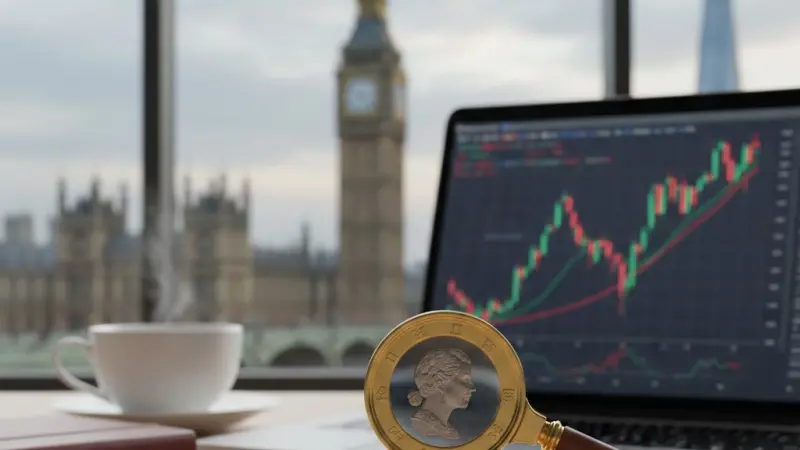
Interest rates in the United Kingdom represent the fundamental cost of borrowing and the primary reward for saving, dictated largely by the Bank of England’s Monetary Policy Committee. Currently, the landscape for UK interest rates remains in a state of cautious transition as the nation grapples with the aftermath of historic inflationary pressures and shifting global economic tides. To answer the core query: interest rates are the percentage charged on a loan or paid on savings, with the "Base Rate" acting as the benchmark for all high-street banks. When the central bank adjusts this figure, it directly influences monthly mortgage repayments, credit card charges, and the interest accrued in your ISA or savings account. Navigating this environment requires a keen understanding of how fiscal policy reacts to consumer price indices and domestic growth. By staying informed on these fluctuations, British households can better position themselves to mitigate rising costs or capitalise on higher yields for their hard-earned capital.

The Fundamental Role of the Central Bank
The Bank of England serves as the cornerstone of the British financial system, tasked with maintaining price stability through the manipulation of the base rate. This lever is used primarily to control inflation, with a long-term target usually set at two per cent. When the economy heats up and prices rise too quickly, the committee typically increases rates to discourage excessive spending and encourage saving, thereby cooling the market. Conversely, in times of stagnation, rates may be lowered to stimulate investment and consumer activity. For the average person in Britain, these high-level decisions filter down into everyday financial products, determining whether a fixed-rate mortgage is affordable or if a standard savings account offers a real-term return against the cost of living.
Understanding the Monetary Policy Committee
Meeting eight times a year, the Monetary Policy Committee consists of nine experts who vote on whether to hike, hold, or cut the base rate. Their decisions are based on a mountain of economic data, including employment figures, GDP growth, and international trade stability. This group must balance the need for economic growth against the risk of runaway inflation, a task that has become increasingly complex in the post-pandemic era. Their minutes are closely watched by markets to gauge future sentiment and direction.
The Voting Process Explained
Each member provides an independent assessment, leading to a majority vote that dictates the immediate future of the UK's lending environment. This transparency is designed to provide market certainty, though it often leads to significant volatility in the Pound Sterling if the outcome differs from analyst expectations or previous guidance.
Impact of Inflationary Pressures on Lending
Inflation is the primary driver behind the recent aggressive shifts in UK interest rates. When the cost of goods and services jumps, the purchasing power of the Pound diminishes, forcing the central bank to intervene. High inflation effectively acts as a tax on the population, and raising interest rates is the most effective, albeit painful, tool to bring these prices back under control. For borrowers, this means that the era of "cheap money" often disappears overnight, replaced by more stringent lending criteria and higher annual percentage rates across the board. The relationship between the two is inverse: as the central bank pushes rates higher, the goal is to see the inflation curve flatten and eventually decline toward the desired equilibrium.
Consumer Price Index Movements
The Consumer Price Index tracks the cost of a "basket" of goods, from a loaf of bread to the price of petrol at the pumps. When this index surges, it signals to the Bank of England that the base rate may need to rise. In recent years, supply chain disruptions and energy costs have sent the index to levels not seen in decades, necessitating a swift and decisive response from the governors to protect the UK’s long-term economic health.
Rising Energy Costs and Policy
Global fluctuations in gas and oil prices have a disproportionate effect on UK inflation. Because energy is a core component of almost all production and transport, its price spikes often force the committee's hand, regardless of the domestic demand levels, creating a challenging environment for balanced fiscal policy.
The Mortgage Market and Homeownership Challenges
Perhaps no sector feels the sting of interest rate changes more acutely than the UK housing market. Millions of British homeowners rely on fixed or tracker mortgages, and as these deals expire, many find themselves facing significantly higher monthly repayments. The transition from a sub-two-per-cent environment to a much higher tier can add hundreds of Pounds to a family’s monthly outgoings. This shift has slowed the pace of house price growth and forced many first-time buyers to reconsider their entry into the market. Lenders have become more cautious, stress-testing applicants against even higher hypothetical rates to ensure the stability of their loan books. For those on variable rates, the impact is instantaneous, with payments fluctuating in lockstep with the Bank of England’s announcements.
Fixed Rate vs Tracker Options
Choosing between a fixed-rate deal and a tracker mortgage is a gamble on the future direction of interest rates. A fixed rate provides the security of knowing exactly what will leave your bank account each month, protecting you from sudden hikes.
However, if rates fall, those on trackers or those waiting to refix might benefit from lower costs. Most UK borrowers currently favour the certainty of fixing, even if the available rates are higher than they were in the previous decade.
The Remortgaging Process Now
Homeowners are advised to start looking at new deals at least six months before their current one ends. Given the volatility in the markets, securing a rate early can prevent a "payment shock" when the current incentive period concludes, allowing for better household budgeting and long-term financial planning.
Opportunities and Pitfalls for British Savers
While high interest rates are a burden for borrowers, they provide a long-awaited silver lining for savers. After years of negligible returns, the UK's banks and building societies have begun offering more competitive rates on easy-access accounts, regular savers, and fixed-term bonds. This allows individuals to see their wealth grow in nominal terms, though the real value of that growth still depends on whether the interest rate exceeds the current rate of inflation. It is a vital time for savers to shop around, as high-street banks are often slower to pass on rate increases to savers than they are to mortgage holders. Moving funds to digital-only banks or smaller building societies can often yield significantly higher returns for those willing to manage their money actively.
Maximising Returns Through ISAs
Individual Savings Accounts remain one of the most tax-efficient ways to save in Britain. Whether opting for a Cash ISA or a Stocks and Shares ISA, the interest or capital gains earned are protected from the taxman. In a high-rate environment, the tax-free nature of a Cash ISA becomes even more valuable as the total interest earned is more likely to exceed the personal savings allowance for many taxpayers.
The Role of Fixed Term Bonds
For those who do not need immediate access to their cash, fixed-term bonds offer a way to "lock in" current high rates. If interest rates are expected to fall in the coming years, securing a three or five-year bond now could prove to be a very savvy move for preserving purchasing power and ensuring steady income.
Economic Forecasts and the Future Outlook
Looking ahead, the trajectory of UK interest rates is expected to follow a path of gradual moderation, provided inflation stays within a manageable range. Most analysts suggest that we have reached the "terminal rate" or the peak of the current cycle, with the next major movements likely to be downward. However, this is heavily dependent on global factors, including geopolitical stability and the economic health of major trading partners like the US and the EU. The Bank of England has signaled that it will keep rates "restrictive" for as long as necessary to ensure inflation does not rebound. This means that while we may see small cuts, the era of near-zero interest rates is likely a thing of the past, and a "new normal" of moderate, sustainable rates is being established for the decade ahead.
Global Market Synchronization
The UK does not operate in a vacuum; the actions of the Federal Reserve in America and the European Central Bank often dictate the flow of global capital. If the US keeps rates high, the Pound may weaken against the Dollar, making imports more expensive and potentially forcing the Bank of England to keep domestic rates higher for longer to protect the currency's value and prevent imported inflation.
Technological Shifts in Finance
The rise of fintech and decentralised finance may eventually alter how interest rates are transmitted to the public. As competition increases among digital lenders, the traditional "lag" between base rate changes and consumer product updates may shrink, leading to a more efficient but perhaps more volatile financial experience for the British consumer in the years to come.
Common Mistakes to Avoid in a High Rate Climate
One of the most frequent errors made by consumers during periods of high interest rates is inertia. Failing to switch a savings account that is paying a pittance or staying on a standard variable rate mortgage can cost thousands of Pounds over just a few years. Another mistake is over-leveraging with high-interest debt, such as credit cards or store cards, when the cost of servicing that debt is at a multi-year high. Consumers should also be wary of locking themselves into long-term fixed-rate mortgages at the very peak of a cycle if there is a strong consensus that rates will soon fall. Lastly, ignoring the impact of inflation on "real" returns can lead to a false sense of security; if your savings account pays five per cent but inflation is at six, you are still losing money in terms of what that cash can actually buy.
The Danger of Standard Variable Rates
The Standard Variable Rate is usually the most expensive way to borrow from a mortgage lender. It is the rate you default to when your deal ends, and it is often significantly higher than the best available products on the market.
Avoiding the SVR should be a top priority for any homeowner looking to protect their disposable income and maintain their financial health.
Neglecting Debt Consolidation
When rates rise, the gap between "good" debt and "bad" debt widens. Failing to consolidate high-interest credit card balances into a lower-interest personal loan or a balance transfer card can lead to a debt spiral. Managing debt proactively is essential when the base rate makes borrowing more expensive across the entire financial spectrum.
Step by Step Guidance for Managing Your Finances
To navigate the current interest rate environment effectively, start by auditing every financial product you currently hold. For savers, this means moving any "lazy" cash from low-interest current accounts into high-yield savings or ISAs immediately. For borrowers, the first step is to check the expiry date of any fixed-rate deals and consult with a whole-of-market mortgage broker to see what options are available for the future. It is also wise to build an emergency fund that covers at least three to six months of essential spending, as higher rates often correlate with tighter economic conditions and potential job market fluctuations. Finally, consider paying down any high-interest debt as a priority, as the "return" you get from not paying twenty per cent interest on a credit card is far higher than any return you will find in a savings account.
Reviewing Your Monthly Outgoings
Create a detailed spreadsheet of your income and expenses to identify where higher interest costs might be eating into your budget. Small adjustments, like switching utility providers or cutting unnecessary subscriptions, can free up the capital needed to cover an increase in mortgage repayments or to boost your monthly savings contributions during this high-yield period.
Consulting with Financial Experts
Professional advice can be invaluable when the economic outlook is uncertain. Whether it is a mortgage advisor for your home or a financial planner for your pension and investments, getting a bespoke strategy tailored to your specific goals can help you navigate the complexities of interest rate cycles with confidence and clarity.
The Relationship Between Rates and the Pound
Interest rates have a profound impact on the value of the Pound Sterling on the international stage. Generally, higher interest rates attract foreign investment, as investors seek the better returns offered by UK-based assets. This increased demand for the Pound drives its value up against other currencies. A stronger Pound is beneficial for holidaymakers going abroad and helps keep the price of imported goods down, which in turn can help lower inflation. However, it can also make UK exports more expensive for foreign buyers, potentially hurting British businesses that sell products overseas. Understanding this balance is key to grasping why the Bank of England is so careful with its rate adjustments, as the ripple effects extend far beyond the high street and into the very core of Britain’s international trade relationships.
Impact on International Travel and Spending
When the Pound is strong due to high domestic rates, your money goes further in Europe or the US. This can lead to a "feel-good" factor for consumers, but it is often offset by the higher costs of borrowing at home. It is a complex trade-off that highlights the interconnected nature of modern macroeconomics and how a single percentage point can change your personal wealth.
Manufacturing and Export Concerns
For the UK's manufacturing sector, a Pound that is too strong can be a significant headwind. If British-made cars or machinery become too expensive for buyers in Asia or America, domestic growth could suffer.
This demonstrates why the central bank cannot simply keep rates high to fight inflation without considering the broader damage to the UK's industrial base and employment levels.
FAQ
How often does the Bank of England change interest rates?
The Bank of England’s Monetary Policy Committee meets eight times a year, roughly every six weeks, to review the base rate. While they can change rates at any meeting, they often choose to hold them steady if economic conditions haven't shifted significantly. Emergency meetings outside this schedule are rare but can occur during major financial crises to provide immediate stability to the UK economy.
Will my mortgage payments go up immediately if rates rise?
If you are on a tracker mortgage, your payments will usually increase in the next billing cycle following a base rate hike. If you are on a standard variable rate, your lender will likely raise your rate shortly after. However, if you are on a fixed-rate mortgage, your payments will remain the same until your current deal expires, at which point you will need to refix.
What is the best way to find the highest savings rates?
To find the best rates, you should use independent comparison websites and look beyond the big high-street banks. Digital-only banks and smaller building societies often offer significantly better returns to attract new customers. Additionally, consider "regular saver" accounts or fixed-term bonds if you can afford to leave your money untouched, as these typically offer the most competitive interest rates available on the market today.
Does a high interest rate always mean inflation will go down?
While raising interest rates is the standard tool for lowering inflation, it is not a guarantee. Inflation can be driven by global factors like energy prices or supply chain issues that domestic interest rates cannot directly control. However, by making borrowing more expensive and saving more attractive, the Bank of England reduces the total amount of money circulating in the economy, which eventually helps to slow price increases.
Can interest rates ever go below zero in the UK?
While the UK has seen record-low interest rates of 0.1% in the past, negative interest rates have never been officially implemented for consumers. Some countries, like Japan and Switzerland, have experimented with negative rates to encourage spending, but the Bank of England has generally preferred other stimulus measures, such as quantitative easing, over charging people to keep money in their bank accounts during periods of economic stagnation.

Disclaimer: The information provided in this article is for general informational and research purposes only. Company details, features, services, and market positions may change over time. Readers are advised to visit official company websites and conduct independent research before making any business decisions or purchasing services.
Most Searchable Keywords

Recent Blogs


Related Listings


Categories
- Accountants (295)
- Advertising Agencies (559)
- Architects (149)
- Automobiles (377)
- Beauty (300)
- Carpenters (146)
- Cleaning Services (386)
- Dentists (189)
- Driving (62)
- Electricians (215)
- Energy (8)
- Event Organiser (685)
- Finance (599)
- Guide (3365)
- Health (2207)
- Information technology (206)
- Legal Services (353)
- Logistics (6)
- Maintenance (65)
- Manufacturing (35)

Sponsored Listings in Locksmith Services


Related Blogs

Gen Z Political Reporters and News Creators i...
Read this insightful article "Gen Z Political Reporters and News Creators in the UK" to expand your knowledge!

Famous Female Social Media Influencers Across...
Read this insightful article "Famous Female Social Media Influencers Across the UK" to expand your knowledge!

Your UK Sponsor Licence 2026 Step by Step Gui...
Read this insightful article "Your UK Sponsor Licence 2026 Step by Step Guide" to expand your knowledge!
Questions & Answers – Find What
You Need, Instantly!
How can I update my business listing?
Is it free to manage my business listing?
How long does it take for my updates to reflect?
Why is it important to keep my listing updated?
