
Developing Digital Wellness Programs That Attract Health Insurance Buyers
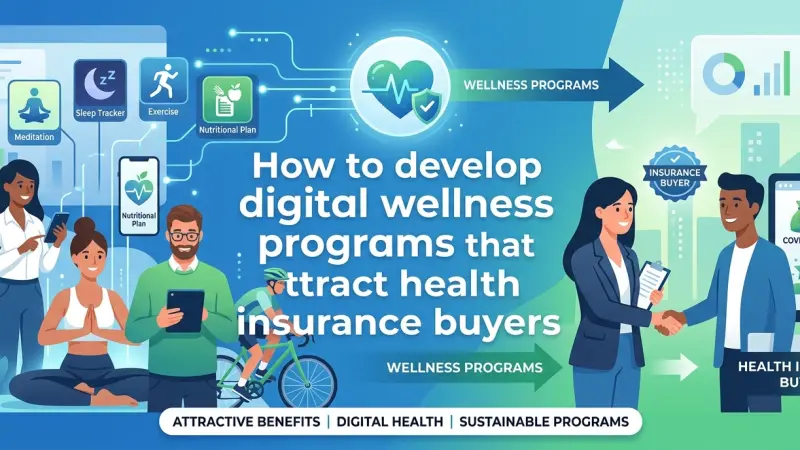
Could a simple mobile application be the deciding factor for a consumer choosing between two major health insurance providers? In the current UK landscape, the answer is increasingly "yes." The shift toward digital wellness programs is fundamentally altering the value proposition of Private Medical Insurance (PMI) for both individual and corporate buyers. Gone are the days when insurance was viewed purely as a reactive safety net to be used only in the event of a medical crisis. Today’s health insurance buyers ranging from HR directors at FTSE 100 companies to health-conscious young professionals are looking for proactive partners who provide tangible value every single day. By integrating digital tools that encourage healthier lifestyles, insurers are not only reducing their long-term claim liabilities but are also creating a highly attractive, engagement-led product that resonates with a modern, tech-savvy audience.
The development of these programs requires a sophisticated understanding of both medical science and user experience design. It is no longer sufficient to simply offer a "pedometer app" and expect significant market differentiation. To truly attract sophisticated health insurance buyers in the United Kingdom, programs must offer a holistic ecosystem that includes mental health support, nutritional guidance, chronic condition management, and seamless integration with wearable technology. This article will explore the strategic pillars of successful digital wellness initiatives, examining the psychological drivers of user engagement, the technical requirements for data security, and the essential role of evidence-based outcomes in proving the "Value on Investment" (VOI) to prospective policyholders.
Understanding the Shift in Health Insurance Buyer Expectations
The modern British consumer has been conditioned by the convenience of the digital economy, and they now expect the same level of accessibility from their financial and healthcare providers. For health insurance buyers, the "product" is no longer just the underlying policy but the entire experience surrounding it. There is a growing demand for preventative care—services that help individuals avoid getting ill in the first place. Digital wellness programs serve as the primary vehicle for this preventative strategy. When an insurer provides a platform that offers virtual GP consultations, mindfulness sessions, and personalised fitness plans, they are moving from a "grudge purchase" model to an "indispensable lifestyle" model. This shift is particularly important in the UK, where the National Health Service (NHS) remains the primary provider of acute care; private insurers must offer something uniquely accessible and proactive to justify the additional expense.
For corporate buyers, the motivation is even more direct. British businesses are facing a significant challenge with "presenteeism" and long-term sickness absence, which costs the UK economy billions annually. An HR manager looking for a health insurance provider is searching for a solution that keeps their workforce healthy, productive, and engaged. A digital wellness program that provides aggregated data on employee health trends—without compromising individual privacy—is an incredibly powerful acquisition tool. It allows businesses to move from a reactive "sick pay" culture to a proactive "wellness" culture. By demonstrating how a digital platform can reduce absence rates and improve employee morale, insurers can position their PMI schemes as strategic business assets rather than mere overhead costs.
Furthermore, the demographic profile of insurance buyers is shifting. Millennials and Generation Z, who are now entering peak earning years and management roles, prioritise mental health and work-life balance more than previous generations. They are far more likely to engage with a brand through an app than through a telephone call or a paper brochure. A digital wellness program that offers "gamified" health challenges, social connectivity with colleagues, and immediate rewards for healthy choices is perfectly aligned with these preferences. To attract this growing segment of the market, insurers must ensure their digital offerings feel contemporary, intuitive, and genuinely beneficial to the user’s daily routine.
The Core Components of a High-Attraction Wellness Program
A successful digital wellness program is built on the foundation of "The Four Pillars of Health": Sleep, Nutrition, Activity, and Mindset. To attract health insurance buyers, a platform must address each of these areas with depth and clinical validity. For instance, "Activity" tracking should go beyond simple step counts to include various forms of exercise, recovery monitoring, and perhaps even physiotherapy guidance. "Mindset" support is perhaps the most critical component in the current climate, with a high demand for digital Cognitive Behavioural Therapy (CBT), stress management tools, and "well-being checks" that can flag potential burnout before it becomes a crisis. By providing a comprehensive suite of tools, the insurer demonstrates a holistic commitment to the member’s health, which is a major selling point during the acquisition process.
Integration is the second key component. Buyers do not want another "siloed" app that doesn't talk to their other devices. The most attractive digital wellness programs are those that sync seamlessly with Apple Health, Google Fit, Garmin, and Fitbit. This allows for a "frictionless" user experience where data is captured automatically, and rewards or insights are generated in real-time. From a technical perspective, this requires robust API architectures and a commitment to maintaining compatibility with the ever-changing landscape of wearable technology. For the buyer, this integration suggests that the insurer is technologically forward-thinking and understands the modern digital lifestyle, further increasing the brand’s appeal.
Personalization is the third pillar. A 25-year-old marathon runner and a 55-year-old managing type 2 diabetes have vastly different wellness needs. An attractive digital program uses AI to tailor the experience to the individual. This might involve personalised health "missions," curated content based on medical history, or proactive reminders for health screenings.
When a prospective buyer sees a demo of a platform that adapts to their specific health profile, the perceived value of the insurance policy increases significantly. It moves the product away from being a generic commodity to a bespoke service, which is a powerful differentiator in a crowded UK market.
Leveraging Gamification and Financial Incentives
The greatest challenge for any wellness program is long-term adherence. Many people start a new health regime with enthusiasm but falter within weeks. To attract and retain health insurance buyers, digital programs must employ "gamification" techniques—borrowing elements from game design to encourage positive behaviours. This includes leaderboards (for corporate groups), badges for milestones, and "streaks" for consistent activity. These features tap into the human psychology of achievement and social competition, making the process of staying healthy feel less like a chore and more like a rewarding activity. For an insurer, this high level of engagement means more data, lower claims, and a more loyal customer base.
Financial incentives are equally powerful. Several leading UK insurers have successfully used "reward partners" to attract buyers. By linking digital wellness activity to tangible benefits—such as discounted gym memberships, free cinema tickets, or even reduced insurance premiums—insurers create a "virtuous cycle." The member is rewarded for being healthy, which reinforces the behaviour, which in turn reduces the risk for the insurer. When a prospective buyer compares two policies, one of which offers the potential to "earn back" part of their premium through healthy living, the financial logic of the incentivised policy becomes very compelling.
However, these rewards must be carefully structured to remain "attainable" yet "challenging." If the targets are too easy, the rewards lose their value and the insurer loses money; if they are too hard, users become discouraged. Successful programs often use "dynamic targeting," where the difficulty of the goals adjusts based on the user’s previous performance. This ensures that the program remains inclusive for people of all fitness levels—an essential consideration for corporate buyers who must ensure that the wellness program does not inadvertently discriminate against less active employees.
Addressing Data Privacy and Building Consumer Trust
In the UK, where data protection is a top-of-mind concern for consumers and regulators alike, the success of a digital wellness program hinges on trust. Health insurance buyers are understandably sensitive about sharing their physiological data with a company that also determines their premiums. To attract buyers, insurers must be radically transparent about how data is used. They must clearly communicate that "wellness data" (like steps or sleep patterns) is kept separate from "underwriting data" to ensure that members are not penalised for being honest about their habits. Adherence to UK GDPR and ISO standards for information security is not just a legal requirement but a vital part of the marketing story.
Trust is also built through clinical evidence. Buyers are increasingly cynical about "wellness fads." To stand out, a digital program must be backed by credible medical research. If an insurer claims that their mindfulness module reduces stress, they should ideally be able to point to clinical studies or real-world data that supports this. For corporate buyers, this "evidence-based" approach is crucial for getting "buy-in" from senior leadership and medical officers. By positioning the digital wellness platform as a medically-sound tool rather than a marketing gimmick, the insurer enhances its reputation as a serious healthcare provider.
Furthermore, the user should always maintain "sovereignty" over their data. This means having the ability to easily see what data is being collected, how it is being analysed, and the option to opt-out or delete their profile at any time. When an insurer provides a "privacy dashboard" within their wellness app, it empowers the user and mitigates the "Big Brother" anxiety that can sometimes hinder the adoption of digital health tools. For health insurance buyers, this commitment to privacy is often a "deal-breaker," and getting it right can be a significant competitive advantage.
Proving ROI to Corporate Health Insurance Buyers
For the B2B market, the ability to demonstrate a clear Return on Investment (ROI) is essential. HR and Finance departments need to justify the cost of PMI, and digital wellness programs provide the data necessary to do this. A sophisticated platform will provide "anonymised employer reporting" that shows the overall health trends of the workforce.
For example, if the data shows a high prevalence of musculoskeletal issues, the company can implement specific ergonomic training. If the data shows a spike in stress levels in a particular department, they can offer targeted mental health support. This "data-driven HR" is a massive attraction for modern businesses.
Beyond direct health outcomes, the ROI is also seen in employee retention and recruitment. In the competitive UK job market, a high-quality health insurance package with a cutting-edge digital wellness component is a major "perk." It signals that the employer cares about the "whole person" and is invested in their long-term well-being. When an insurer provides the tools for an employer to promote this benefit internally—through marketing materials, launch events, and ongoing engagement campaigns—they are adding value that goes far beyond the insurance contract itself.
To attract buyers, insurers should provide "success stories" and case studies that quantify these benefits. Showing that a client saw a 15% reduction in mental-health-related absence or a 20% increase in employee engagement scores following the implementation of the wellness program is far more persuasive than any generic brochure. By speaking the language of business—focusing on productivity, retention, and cost-reduction—insurers can align their digital wellness strategy with the strategic goals of their corporate clients.
The Future: Seamless Clinical Integration
The next frontier for digital wellness is the "seamless bridge" between wellness and clinical care. Currently, many programs feel like a separate experience from the actual insurance claims process. To truly attract the next generation of buyers, insurers must integrate these experiences. For example, if a user’s digital wellness app flags a persistent health issue—such as consistently high heart rate or a prolonged period of poor sleep—the system should be able to suggest a virtual GP appointment directly within the same interface. This "closed-loop" system moves the insurer from a passive payer to an active health navigator.
This integration also extends to chronic condition management. Digital wellness programs can provide specialised tracks for individuals living with conditions like diabetes, asthma, or hypertension. By providing these members with the tools to manage their condition daily, insurers can prevent the "acute episodes" that lead to expensive hospital stays. This is a "win-win-win" scenario: the member enjoys better health, the employer sees higher productivity, and the insurer reduces claims costs. For a buyer, this level of sophisticated care management is a clear indication that the insurer is a market leader.
Finally, we are seeing the rise of "prescriptive wellness," where doctors actually prescribe the use of certain digital wellness modules as part of a treatment plan. As the medical community in the UK becomes more comfortable with digital health tools, the lines between "lifestyle apps" and "medical devices" will continue to blur. Insurers who are at the forefront of this trend—partnering with health-tech innovators and ensuring their platforms meet clinical-grade standards—will be the ones who dominate the high-value segments of the health insurance market.
Frequently Asked Questions
What are the most popular features in digital wellness programs?
The most sought-after features currently include virtual GP access, mental health support (like meditation or CBT apps), activity tracking with rewards, and nutritional guidance.
Integration with wearable devices like Apple Watch and Fitbit is also considered a standard requirement.
How do digital wellness programs reduce insurance premiums?
By encouraging preventative care and healthier lifestyles, these programs reduce the frequency and severity of medical claims. In many cases, insurers pass these savings back to the customer through lower annual premium increases or direct "cashback" rewards for meeting health targets.
Are employee data shared with employers?
No. In the UK, strict data privacy laws (GDPR) prevent insurers from sharing individual health or activity data with employers. Employers only receive anonymised, aggregated reports that show high-level trends across the entire workforce to help them plan wellness initiatives.
Can digital wellness programs really improve mental health?
Yes, when developed with clinical input. Tools like mood trackers, guided meditation, and digital CBT have been shown to be effective for managing mild-to-moderate stress and anxiety. They also provide a low-barrier "entry point" for individuals who might be hesitant to seek traditional therapy.
What is the difference between ROI and VOI in wellness?
ROI (Return on Investment) focuses on direct financial savings, such as reduced sick pay costs. VOI (Value on Investment) looks at broader benefits, including improved employee morale, higher retention rates, and a more attractive employer brand in the recruitment market.
How do I know if a wellness program is evidence-based?
Look for programs that are developed in partnership with recognised medical institutions or that cite peer-reviewed clinical studies. Reputable insurers will be transparent about the science behind their wellness modules and the qualifications of their clinical advisors.
Do these programs work for people who aren't already "fit"?
Modern programs are designed to be inclusive. They focus on "improvement" rather than "absolute performance." This means a person starting from zero who begins walking 20 minutes a day can earn the same (or more) rewards as a marathon runner, ensuring the program is accessible to everyone.
Conclusion
In conclusion, the development of digital wellness programs is no longer an optional "extra" for health insurers but a core strategic pillar for customer acquisition and retention. By moving beyond the traditional insurance model and embracing a proactive, data-driven approach to health, UK providers can meet the evolving expectations of both individual and corporate buyers.
The most successful programs will be those that combine clinical validity with exceptional user experience, leveraging gamification and financial incentives to drive long-term engagement. As the digital and physical healthcare worlds continue to merge, the ability to offer a comprehensive, integrated, and privacy-respecting wellness ecosystem will be the primary factor that distinguishes the market leaders in the competitive UK insurance sector.
For organisations looking to showcase their health initiatives or connect with industry partners, visibility in the digital marketplace is key. Whether you are looking for a verified business directory to list your services or using a free business search directory to find local wellness providers, having a strong online presence is essential. A free company search directory can help you discover new opportunities, while a high-quality company directory online such as Local Page UK remains an invaluable tool for listing businesses and improving online visibility for any firm dedicated to promoting health and productivity in the United Kingdom.
Disclaimer: The information provided in this article is for general informational and research purposes only. Company details, features, services, and market positions may change over time. Readers are advised to visit official company websites and conduct independent research before making any business decisions or purchasing services.
Most Searchable Keywords
Recent Blogs


Related Listings

Categories
- Accountants (295)
- Advertising Agencies (559)
- Architects (149)
- Automobiles (377)
- Beauty (300)
- Carpenters (146)
- Cleaning Services (387)
- Dentists (189)
- Driving (62)
- Electricians (215)
- Energy (8)
- Event Organiser (686)
- Finance (602)
- Guide (3372)
- Health (2207)
- Information technology (206)
- Legal Services (353)
- Logistics (6)
- Maintenance (65)
- Manufacturing (35)
Sponsored Listings in Travel Agencies


Related Blogs

How Much Do UK Actors Really Earn Full Indust...
Read this insightful article "How Much Do UK Actors Really Earn Full Industry Breakdown" to expand your knowledge!

Blue Light Card UK 2026 Check Eligibility and...
Read this insightful article "Blue Light Card UK 2026 Check Eligibility and Claim" to expand your knowledge!

BBC Radio 1 DJs Net Worth Ranking Revealed
Read this insightful article "BBC Radio 1 DJs Net Worth Ranking Revealed" to expand your knowledge!
Questions & Answers – Find What
You Need, Instantly!
How can I update my business listing?
Is it free to manage my business listing?
How long does it take for my updates to reflect?
Why is it important to keep my listing updated?
