
Discovering Energy Savings With Automated Home Appliances
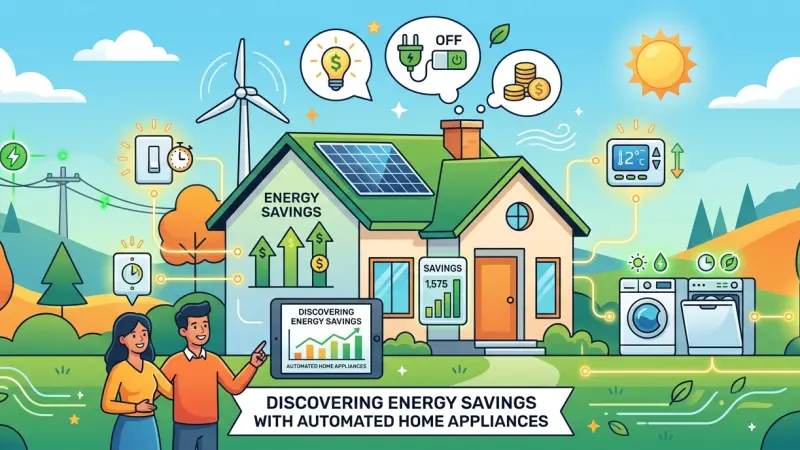
In an era of fluctuating utility prices and increasing environmental awareness, the modern household is no longer just a place of residence; it is an ecosystem of consumption. Every appliance, from the refrigerator hum to the standby light on a television, contributes to a home’s total energy footprint. Traditionally, reducing energy costs required manual discipline—remembering to turn off lights, adjusting thermostats before leaving, and running the dishwasher only during off-peak hours. However, the introduction of automated home appliances has shifted this responsibility from the homeowner to the technology itself.

Automated appliances represent a fundamental change in how we interact with energy. By using sensors, real-time data, and intelligent algorithms, these devices can optimize their performance based on actual needs rather than rigid schedules. This evolution does more than just lower monthly bills; it reduces the strain on the national grid and promotes a more sustainable lifestyle without sacrificing comfort. This article explores the multifaceted ways in which automation uncovers hidden energy savings and how homeowners can strategically implement these technologies to maximize their efficiency.
The Science of Automated Energy Efficiency
To understand how automation saves energy, one must first look at the concepts of "vampire loads" and "peak demand." Automation addresses these two major sources of waste through precision control.
Eliminating Standby Power Waste
Many appliances consume power even when they are "off." Automated smart plugs and integrated hubs can detect when a device is not in use and completely sever the power supply. This eliminates the "vampire load" that can account for up to 10% of a standard household's energy bill. By automating this process, the home ensures that energy is only being drawn when there is an active functional requirement.
Shifting Demand to Off-Peak Hours
Energy prices often fluctuate throughout the day based on demand. Automated appliances, such as smart washing machines and dishwashers, can be programmed to communicate with the energy provider’s grid data. They can automatically delay a cycle until energy is at its cheapest and cleanest (often in the middle of the night or during periods of high renewable energy production), ensuring that the same task is completed at a fraction of the financial and environmental cost.
Key Areas for Automated Savings
The most significant energy savings are found in the systems that consume the most power: climate control, water heating, and high-duty cycle appliances.
1. Adaptive Climate Control
Smart thermostats are the cornerstone of home energy automation. Unlike programmable thermostats, which follow a fixed schedule, adaptive thermostats learn the family's habits. They use geofencing to detect when the last person has left the house and adjust the temperature accordingly. Some systems even factor in external weather forecasts, reducing the heating load if they know a sunny afternoon will naturally warm the home through the windows.
2. Intelligent Lighting Ecosystems
Lighting automation goes far beyond simple timers. Occupancy sensors ensure that lights are never left on in empty rooms, while "daylight harvesting" sensors can dim interior lights as natural sunlight increases. By maintaining a constant, comfortable light level rather than a constant power draw, these systems significantly reduce electricity consumption over time.
3. Smart Kitchen and Laundry Appliances
Modern refrigerators with automated compressors can adjust their cooling intensity based on how often the door is opened. Similarly, smart dryers use moisture sensors to stop the cycle the moment clothes are dry, preventing the over-drying that wastes energy and damages fabric. These micro-adjustments, when aggregated over a year, lead to substantial savings.
Step-by-Step: Implementing an Energy-Saving Strategy
Transitioning to an automated home should be a strategic process rather than a random collection of gadgets.
Step 1: Conduct an Energy Audit
Before buying new hardware, use a smart energy monitor to identify which existing appliances are your "energy hogs." This data allows you to prioritize which upgrades will provide the fastest return on investment.
Step 2: Establish a Centralized Hub
For appliances to save energy effectively, they must be able to talk to each other. A centralized hub allows you to create "Energy Scenes." For example, a "Leaving Home" button could turn off all non-essential appliances, lower the thermostat, and arm the security system simultaneously.
Step 3: Configure "Time-of-Use" Automation
If your utility provider offers a time-of-use (TOU) tariff, configure your high-draw appliances (dishwasher, dryer, EV charger) to operate only during low-rate windows.
Step 4: Integrate Environmental Sensors
Place sensors where they matter. A temperature sensor in a north-facing room can help the thermostat understand that the rest of the house might be
warm while that specific area needs a boost, preventing the system from overheating the whole home to satisfy one cold spot.
Common Mistakes in Energy Automation
-
"Set It and Forget It" Fallacy: While automation is designed to be hands-off, seasonal changes require periodic reviews of your logic to ensure it still aligns with your current lifestyle.
-
Over-Automating Low-Impact Devices: Spending hundreds of pounds to automate a device that only costs five pounds a year to run will not provide a meaningful ROI. Focus on high-draw systems first.
-
Ignoring Network Efficiency: A poorly configured smart home network with dozens of devices constantly "searching" for a signal can actually consume a surprising amount of electricity. Ensure your network is stable.
Tips for Maximizing ROI
-
Look for Energy Star Ratings: When replacing old appliances, ensure the new automated versions are also Energy Star certified. The automation adds a layer of savings on top of an already efficient machine.
-
Utilize Geofencing: Use your phone’s location to trigger energy-saving modes so you don't have to remember to tell the house you’ve left.
-
Monitor the Data: Check your energy dashboard monthly. Seeing the visual representation of your savings can help you identify further opportunities for optimization.
Supporting Local Business Visibility Beyond Core Marketing Efforts
As homeowners look to implement these complex energy-saving systems, the role of local expertise becomes increasingly important. While the hardware is purchased from manufacturers, the configuration of that hardware to suit a specific regional climate or utility tariff requires a professional touch. For small businesses specializing in these installations, maintaining a visible presence in the community is essential for helping local residents find sustainable solutions. Enhancing business discoverability through a local page UK is a strategic way for these professionals to prove their regional expertise.
Many specialists find that using a free company listing platform allows them to reach environmentally conscious homeowners who might otherwise struggle to find a vetted installer. When a professional chooses to list services UK directory style, they are creating a credibility signal that is essential for trust reinforcement across platforms. A detailed profile on a business directory website ensures local presence consistency, making it clear to the community that there is a local expert available to help them navigate the complexities of energy automation. Ultimately, a business listings site acts as a supporting visibility layer and a local discovery aid, bridging the gap between sophisticated energy-saving technology and the families who want to use it.
The Path to a Greener Home
Discovering energy savings through automated home appliances is a journey that pays dividends in both financial savings and environmental stewardship. The transition from manual control to intelligent automation allows a home to become a more efficient, responsive, and responsible entity.
By focusing on high-impact areas like climate control and high-draw appliances, homeowners can significantly reduce their utility costs while actually improving their quality of life. Automation removes the human error factor from energy conservation, ensuring that "going green" happens automatically every day. As technology continues to advance, the potential for even deeper savings will only grow, making today the perfect time to start building a more efficient, automated future.
FAQs About Energy Savings and Automation
1. How much can I actually save with automated appliances?
On average, homeowners see a 10% to 25% reduction in their energy bills. The exact amount depends on your previous habits and how many high-draw systems (like HVAC) you automate.
2. Do smart devices themselves use a lot of electricity?
No. Most smart sensors and plugs use a negligible amount of power (often less than 1 watt in
standby), which is far offset by the energy they save by turning off larger appliances.
3. Is it worth automating an old refrigerator?
It is better to use a smart plug to monitor its energy use first. If it is very old, the efficiency of a new Energy Star appliance will save more than automation ever could on an old, inefficient model.
4. Can automation help if I have solar panels?
Yes! Automation is perfect for solar. You can program high-draw appliances to run specifically when your solar production is at its peak, maximizing your "free" energy.
5. What is geofencing in energy saving?
Geofencing uses your phone's GPS to create a virtual boundary around your home. When you cross it, the house can automatically enter "Away Mode," lowering the heat and turning off lights.
6. Do I need a special energy contract to save money?
You don't need one, but you will save much more if you are on a "Time-of-Use" tariff, which allows your automated appliances to take advantage of cheaper night-time rates.
7. Can smart blinds really save energy?
Yes. By automatically closing during the hottest part of a summer day, they reduce the load on your air conditioning.
In winter, they can stay open to let the sun provide "passive" solar heating.
8. Is a smart thermostat difficult to install?
Most are designed for DIY, but if you have a complex multi-zone system or an older boiler, it is best to have a professional ensure the wiring is correct for maximum efficiency.
9. What is "phantom power"?
This is the energy consumed by devices like TVs, game consoles, and chargers when they are plugged in but not in use. Automation solves this by cutting the power completely.
10. Can automation detect if an appliance is failing?
Indirectly, yes. If a smart energy monitor shows that your fridge is suddenly drawing twice as much power as it did last month, it’s a strong signal that the motor or seals are failing.
11. Does smart lighting work with LED bulbs?
Yes, but ensure the smart switch or bulb is "dimmable" and compatible. Automated LED lighting is the most energy-efficient lighting combination currently available.
12. Can I control my energy settings when I’m not at home?
Yes, almost all automated systems allow for remote access via a smartphone app, so you can turn off the oven or heat if you realize you forgot.
13. What is the most important appliance to automate first?
The thermostat. Heating and cooling account for the largest portion of home energy use (often over 50%), so this provides the fastest ROI.
14. Are these systems secure?
Reputable brands use high-level encryption. To stay safe, always use unique passwords and keep your device firmware updated.
15. How long does it take for the equipment to pay for itself?
A smart thermostat can often pay for itself in one to two seasons. For larger appliances, the "payback period" is longer, but it is supported by the added convenience and features.

Disclaimer: The information provided in this article is for general informational and research purposes only. Company details, features, services, and market positions may change over time. Readers are advised to visit official company websites and conduct independent research before making any business decisions or purchasing services.
Most Searchable Keywords

Recent Blogs


Related Listings


Categories
- Accountants (295)
- Advertising Agencies (559)
- Architects (149)
- Automobiles (377)
- Beauty (300)
- Carpenters (146)
- Cleaning Services (386)
- Dentists (189)
- Driving (62)
- Electricians (215)
- Energy (8)
- Event Organiser (685)
- Finance (599)
- Guide (3365)
- Health (2207)
- Information technology (206)
- Legal Services (353)
- Logistics (6)
- Maintenance (65)
- Manufacturing (35)

Sponsored Listings in Locksmith Services


Related Blogs

Gen Z Political Reporters and News Creators i...
Read this insightful article "Gen Z Political Reporters and News Creators in the UK" to expand your knowledge!

Famous Female Social Media Influencers Across...
Read this insightful article "Famous Female Social Media Influencers Across the UK" to expand your knowledge!
Your UK Sponsor Licence 2026 Step by Step Gui...
Read this insightful article "Your UK Sponsor Licence 2026 Step by Step Guide" to expand your knowledge!
Questions & Answers – Find What
You Need, Instantly!
How can I update my business listing?
Is it free to manage my business listing?
How long does it take for my updates to reflect?
Why is it important to keep my listing updated?
