
Economic Powerhouse China Sees Strong Growth
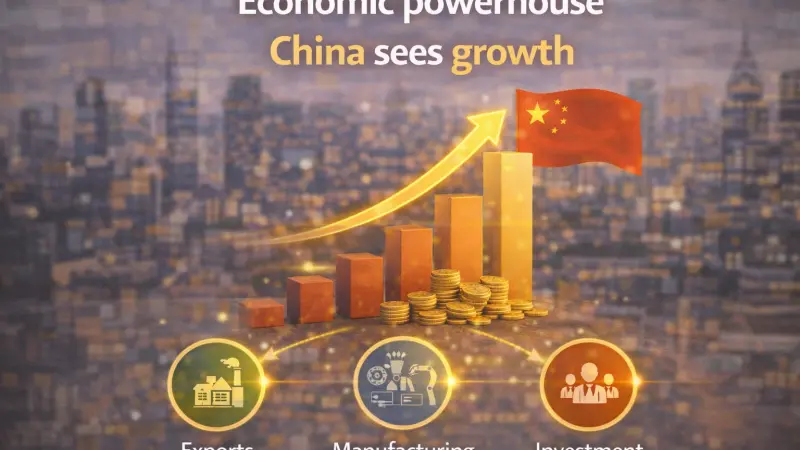
China has long been recognised as one of the world’s leading economic powerhouses. Over the past few decades, the country has transformed from a largely agrarian economy into a global leader in manufacturing, technology, infrastructure, and trade. When China experiences economic growth, the impact is felt not only domestically but across global markets.

Recent reports of renewed growth in China signal positive momentum for businesses, investors, and international trade partners. As the world’s second largest economy, China plays a critical role in shaping global economic trends.
In this article, we explore the factors driving China’s growth, the sectors contributing most strongly, and what this means for the global economy.
Key Drivers of China’s Economic Growth
China’s economic growth is driven by a combination of industrial production, exports, infrastructure investment, and domestic consumption. Strong government planning and long term economic strategies have supported expansion across multiple sectors.
Manufacturing continues to play a major role, with China remaining a leading exporter of goods worldwide. Technological advancement and innovation have also strengthened economic output.
Strategic investment and diversification contribute to sustained growth.
Manufacturing and Export Strength
China remains one of the largest manufacturing hubs in the world. Its ability to produce goods at scale supports both domestic markets and global trade.
Exports of electronics, machinery, textiles, and consumer goods contribute significantly to economic performance. Trade partnerships with Asia, Europe, and North America strengthen its global presence.
Export strength reinforces economic resilience.
Growth in Technology and Innovation
In recent years, China has invested heavily in technology and digital innovation. Sectors such as artificial intelligence, renewable energy, electric vehicles, and telecommunications are expanding rapidly.
Technology driven growth supports higher productivity and positions China as a global competitor in advanced industries.
Innovation drives future economic expansion.
Domestic Consumption Expansion
While exports remain important, domestic consumption has become a key pillar of growth. Rising incomes and urbanisation have increased consumer spending within China.
A growing middle class supports demand for housing, services, and high quality
goods. Strengthening internal demand reduces reliance on exports.
Balanced growth enhances economic stability.
Infrastructure and Urban Development
China continues to invest in large scale infrastructure projects including transportation networks, smart cities, and renewable energy facilities. These investments stimulate employment and economic activity.
Infrastructure development improves connectivity and supports long term productivity.
Sustained investment drives economic momentum.
Impact on Global Markets
China’s economic growth influences global commodity prices, supply chains, and investment flows. Increased industrial production boosts demand for raw materials such as metals and energy resources.
Global companies operating in China benefit from market expansion and consumer demand.
China’s performance affects worldwide economic stability.
Trade and International Partnerships
China plays a central role in global trade networks. Strong economic growth strengthens trade relationships and supports global commerce.
International partnerships and trade agreements expand market access for businesses worldwide.
Trade cooperation enhances global economic integration.
Challenges Facing China’s Economy
Despite strong growth, China faces challenges such as demographic shifts, property market adjustments, and global economic uncertainty. Managing these risks requires careful policy decisions.
Balancing growth with sustainability and financial stability remains a priority.
Resilience depends on strategic planning.
The Role of Government Policy
Government policy plays a significant role in guiding economic growth. Strategic initiatives focusing on innovation, sustainability, and technological leadership shape development priorities.
Fiscal and monetary policies help manage economic cycles and maintain stability.
Policy direction influences long term outcomes.
Investment Opportunities
Economic growth in China creates opportunities for both domestic and international investors. Sectors such as technology, renewable energy, and consumer goods attract investment interest.
Strong economic performance increases confidence among global investors.
Investment supports continued expansion.
Sustainability and Green Growth
China has increasingly focused on sustainable development and renewable energy. Investments in clean energy technologies and environmental protection reflect long term priorities.
Green growth supports environmental goals while driving economic activity.
Sustainability shapes future development.
Future Outlook
The outlook for China’s economy remains significant for global markets. Continued innovation, infrastructure investment, and domestic consumption are expected to support growth.
However, global economic conditions and internal structural adjustments will influence future performance.
Monitoring trends helps businesses adapt strategies.
As an economic powerhouse, China’s growth has far reaching implications for global trade, investment, and market stability. Manufacturing strength, technological innovation, and expanding domestic consumption continue to drive performance.
While challenges remain, strategic policy measures and ongoing investment position China for continued influence in the global economy. Businesses and investors worldwide closely monitor its progress to anticipate opportunities and risks.
China’s economic trajectory remains a key factor shaping the future of international business and economic development.
FAQs
Why is China considered an economic powerhouse Due to its large economy, manufacturing strength, and global trade influence.
What drives China’s economic growth Manufacturing, exports, domestic consumption, and infrastructure investment.
How does China’s growth affect global markets It influences commodity demand, trade, and investment flows.
Is China focused only on exports No, domestic consumption is increasingly important.
What industries are growing fastest in China Technology, renewable energy, and advanced manufacturing.
Does China invest heavily in infrastructure Yes, infrastructure development is a key growth driver.
What challenges does China face Demographic changes and global economic uncertainty.
How does innovation impact China’s economy It increases productivity and global competitiveness.
Is China investing in sustainability Yes, renewable energy and green technologies are priorities.
How does government policy affect growth Policies guide investment and economic priorities.
Are foreign investors active in China Yes, many global companies invest in the Chinese market.
What is the role of urbanisation in growth Urban development increases demand and productivity.
How important is trade to China’s economy Trade remains a major contributor to growth.
Will China continue to grow strongly Growth is expected but depends on global and domestic factors.
Why do businesses monitor China’s economy Because it significantly impacts global economic trends.

Disclaimer: The information provided in this article is for general informational and research purposes only. Company details, features, services, and market positions may change over time. Readers are advised to visit official company websites and conduct independent research before making any business decisions or purchasing services.
Most Searchable Keywords

Recent Blogs



Related Listings


Categories
- Accountants (295)
- Advertising Agencies (559)
- Architects (149)
- Automobiles (377)
- Beauty (300)
- Carpenters (146)
- Cleaning Services (386)
- Dentists (189)
- Driving (62)
- Electricians (215)
- Energy (8)
- Event Organiser (685)
- Finance (599)
- Guide (3365)
- Health (2207)
- Information technology (206)
- Legal Services (353)
- Logistics (6)
- Maintenance (65)
- Manufacturing (35)

Sponsored Listings in Locksmith Services


Related Blogs

Gen Z Political Reporters and News Creators i...
Read this insightful article "Gen Z Political Reporters and News Creators in the UK" to expand your knowledge!

Famous Female Social Media Influencers Across...
Read this insightful article "Famous Female Social Media Influencers Across the UK" to expand your knowledge!

Your UK Sponsor Licence 2026 Step by Step Gui...
Read this insightful article "Your UK Sponsor Licence 2026 Step by Step Guide" to expand your knowledge!
Questions & Answers – Find What
You Need, Instantly!
How can I update my business listing?
Is it free to manage my business listing?
How long does it take for my updates to reflect?
Why is it important to keep my listing updated?
