
Effective Marketing Strategies for Eco-Friendly Financial Products
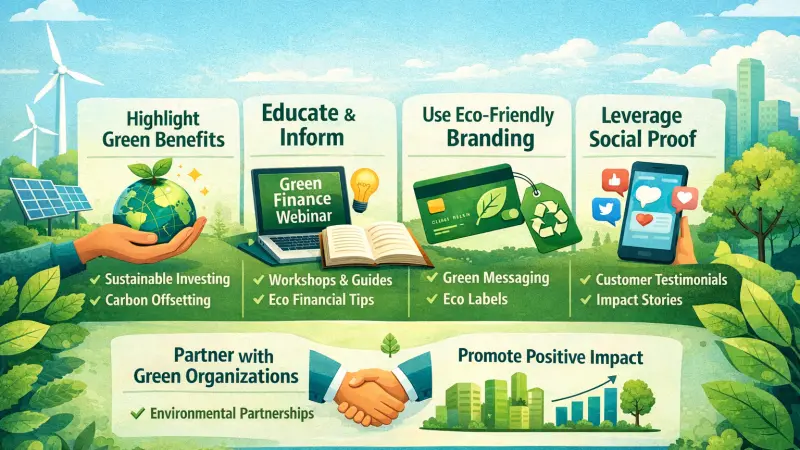
Could the choice of a savings account be as impactful as the decision to stop using single-use plastics? For an increasing number of British consumers, the answer is a definitive yes. As the climate crisis moves from the periphery to the centre of public consciousness, the demand for eco-friendly financial products has surged, transforming what was once a niche interest into a mainstream financial movement. However, marketing these products requires a delicate balance of radical transparency, emotional resonance, and rigorous adherence to evolving UK advertising standards. Traditional financial marketing often relies on performance metrics and interest rates alone, but green finance demands a narrative that connects capital with carbon reduction. To succeed in this landscape, institutions must move beyond surface-level "greenwashing" and instead demonstrate a deep-rooted commitment to environmental stewardship that aligns with the values of the modern, ethically-minded investor.

The UK market is particularly sophisticated when it comes to sustainable finance, with the City of London positioning itself as a global hub for green bonds and ESG (Environmental, Social, and Governance) investing. Effective marketing strategies must therefore start with a clear definition of what makes a product "eco-friendly." Whether it is a mortgage that offers lower rates for energy-efficient homes or an investment fund that excludes fossil fuels, the value proposition must be communicated with absolute clarity. Consumers are increasingly wary of vague environmental claims, and the Competition and Markets Authority (CMA) has stepped up its oversight of green claims. Consequently, the most successful campaigns are those that provide third-party verification, such as B Corp certification or alignment with the UN Principles for Responsible Investment. By providing tangible proof of impact—such as the number of trees planted per account opened or the tonnes of CO2 diverted from the atmosphere—firms can build the high levels of trust required to secure long-term client loyalty.
Moreover, the demographic shift towards Millennials and Gen Z is driving a fundamental change in how financial products are consumed. These generations are not just looking for a return on investment; they are looking for a return on values. They are far more likely to investigate the "financed emissions" of their banking provider than their parents were. Marketing strategies must therefore leverage digital storytelling to show the real-world impact of where their money goes. Using high-quality video content, interactive impact reports, and social media influencers who specialise in sustainability can help humanise complex financial data. The goal is to make the act of banking feel like an extension of the consumer’s lifestyle choices, creating an emotional bond that transcends the transactional nature of traditional finance.
The Power of Transparency and Anti-Greenwashing Tactics
In the realm of ethical finance, transparency is not just a regulatory requirement; it is a competitive advantage. One of the most effective strategies for marketing eco-friendly financial products is the "open-book" approach. This involves being explicitly clear about what a fund does not invest in, as much as what it does. For example, a UK ethical bank might publish a full list of the projects it lends to, allowing customers to see exactly how their deposits are supporting local renewable energy schemes or social housing projects. This level of openness is the ultimate antidote to greenwashing. When a firm is willing to be scrutinized, it signals to the market that its environmental claims are backed by substance. This is particularly vital in the UK, where the "Green Claims Code" provides a strict framework for how environmental benefits must be presented to avoid misleading the public.
Educational content marketing plays a pivotal role here. Many consumers want to invest sustainably but are intimidated by the jargon surrounding ESG and carbon offsetting. By producing easy-to-understand guides, webinars, and podcasts that explain the mechanics of green finance, brands can position themselves as helpful educators rather than just product sellers.
For instance, a series of articles explaining the difference between "dark green" and "light green" funds can help a prospect make an informed decision that suits their personal ethics. This informational approach builds authority and ensures that when a lead is ready to commit, your brand is the first one they trust. It’s about empowering the consumer to understand that their financial decisions are a powerful tool for environmental change.
Furthermore, leveraging case studies of successful sustainable projects can bring the benefits of eco-friendly finance to life. Instead of talking about abstract "carbon credits," show a documentary-style video of a UK wind farm that was made possible through the firm's green bond issuance. Highlighting the local impact—such as jobs created in the North of England or biodiversity restored in the Scottish Highlands—makes the environmental benefit feel tangible and close to home. This regional relevance is a powerful motivator for UK investors who want to see their money doing good within their own communities.
Leveraging Digital Channels for Ethical Engagement
The digital landscape offers unique opportunities for targeting individuals who are already engaged with environmental issues. Search Engine Optimisation (SEO) remains a cornerstone of this effort. By targeting keywords related to "sustainable ISAs," "green mortgages," or "ethical pensions," firms can capture high-intent traffic from users actively seeking alternatives to traditional banking. However, the strategy should extend beyond direct product terms to include broader lifestyle queries. Someone searching for "how to reduce my carbon footprint" or "best electric cars UK" is a prime candidate for an eco-friendly car loan or a green investment portfolio. Creating content that answers these broader questions allows a brand to enter the consumer's journey much earlier, building a relationship based on shared interests before the financial need even arises.
Social media platforms, particularly LinkedIn and Instagram, are essential for building a community around green finance. LinkedIn is ideal for reaching corporate leaders and professionals interested in ESG reporting and sustainable business practices. Here, the tone should be formal, data-driven, and focused on thought leadership. Conversely, Instagram and TikTok can be used for more visual, snackable content that highlights the firm's culture and community initiatives. For example, showing staff volunteering for beach cleans or highlighting the firm's move to a plastic-free office can reinforce the brand's authentic commitment to the cause. Consistency across these channels is key; the "green" message must be integrated into the brand’s DNA, not just applied as a temporary campaign overlay.
Email marketing also remains a powerful tool for nurturing leads. Rather than sending generic newsletters, AI-driven segmentation can ensure that users receive content tailored to their specific environmental interests. If a lead has shown interest in marine conservation, they could receive updates on how the firm’s blue economy fund is performing. If they are passionate about reforestation, they could receive news about the firm’s partnership with UK woodland charities. This bespoke approach ensures that the marketing feels like a curated service, increasing engagement rates and fostering a sense of partnership between the institution and the individual.
Building Trust Through Third-Party Endorsements
In a sector as sensitive as finance, trust is the currency of choice. For eco-friendly products, this trust is often built through association with respected third-party organisations. Partnerships with environmental NGOs (Non-Governmental Organisations) can provide a powerful halo effect. For example, a bank that partners with the WWF or Greenpeace on a specific conservation project demonstrates that it is willing to put its resources where its mouth is.
These partnerships must be genuine and long-term; "tokenistic" associations are easily spotted by savvy UK consumers and can lead to a backlash. The most effective collaborations are those where the NGO provides expertise or oversight, ensuring the financial product actually delivers the environmental results it promises.
Certifications and awards are another critical component of the marketing mix. Being named "Ethical Provider of the Year" or achieving a high rating from platforms like "Good With Money" or "Ethical Consumer" provides objective proof of a firm’s credentials. These accolades should be featured prominently on all marketing materials, from the website homepage to social media bios. They act as a "seal of approval" that can be the deciding factor for a hesitant prospect. In the UK, where there are several independent bodies dedicated to monitoring the ethical standards of the financial industry, securing these endorsements is a vital step in establishing a credible market presence.
User-generated content and testimonials also play a significant role. Encouraging existing customers to share their stories of why they switched to a green provider can be incredibly persuasive. When a peer talks about how easy it was to move their pension to a fossil-free fund and the peace of mind it brought them, it carries more weight than any corporate advertisement. This social proof is essential for overcoming the "inertia" often associated with changing financial providers. By highlighting the community of like-minded individuals who have already made the switch, firms can create a sense of belonging that makes the transition feel like a positive, collective action.
Key Elements of a Successful Green Finance Campaign
- Radical Transparency: Provide detailed evidence of environmental impact and clear exclusion criteria for investments.
- Educational Focus: Simplify complex ESG terminology to empower consumers to make informed ethical choices.
- Data-Driven Narratives: Use real-world metrics (e.g., carbon saved) to make the benefits of the product tangible.
- Authentic Branding: Ensure the firm's internal operations and corporate culture mirror the environmental values being marketed.
- Compliance with Standards: Adhere strictly to UK Advertising Standards Authority (ASA) and CMA guidelines on green claims.
- Multi-Channel Storytelling: Use a mix of digital, social, and traditional media to reach different segments of the green market.
Frequently Asked Questions
What is considered an eco-friendly financial product in the UK?
In the UK, this typically refers to products like "green" mortgages (discounted rates for energy-efficient homes), ethical ISAs, ESG-linked investment funds, and carbon-neutral bank accounts. These products ensure that the capital is used to support environmentally beneficial projects or avoids sectors like fossil fuels and tobacco.
How do I know if a financial product is truly "green" and not just greenwashed?
Look for third-party certifications, detailed impact reports, and clear "exclusion policies" in the terms and conditions. In the UK, checking if a provider
is regulated by the FCA and has positive reviews from independent ethical consumer groups can help verify their claims.
Are eco-friendly investments more risky than traditional ones?
Not necessarily. Many ESG-focused funds have performed as well as, or even better than, traditional funds in recent years. Many investors argue that companies with high ESG scores are actually less risky in the long term because they are better prepared for the transition to a low-carbon economy.
Can I switch my current pension to an eco-friendly one?
Yes, most major UK pension providers now offer ethical or sustainable fund options. You can often request to move your existing pot into these funds, or you can switch to a specialist provider that focuses entirely on fossil-free and socially responsible investing.
What role does the FCA play in green finance marketing?
The Financial Conduct Authority (FCA) ensures that financial marketing is "fair, clear, and not misleading." They have introduced Sustainability Disclosure Requirements (SDR) to ensure that labels like "Sustainable Focus" or "Sustainable Impact" are used accurately and consistently.
Why is the UK such a big market for green finance?
The UK government has made a legal commitment to reach Net Zero by 2050, and the financial sector is a major part of that strategy.
London is a global leader in green bond issuance, and there is a high level of public awareness and demand for ethical banking solutions.
Ultimately, the successful marketing of eco-friendly financial products depends on the ability to demonstrate that profit and purpose are not mutually exclusive. By using data to prove impact and storytelling to build an emotional connection, UK financial institutions can lead the charge toward a more sustainable future. This journey involves not just a change in product design, but a total commitment to ethical values that permeate every level of the organisation. For businesses operating in this space, maintaining a strong online presence is essential for reaching new audiences. Utilizing a free business search directory can be an excellent way for green finance boutiques and independent advisors to improve their visibility. Whether you are looking for ethical consultants or want to be found by conscious consumers, Local Page UK serves as a trusted platform as a verified business directory. By ensuring your services are documented in a comprehensive company directory online or a free company search directory, you can build the digital foundation necessary to support your high-level marketing strategies.

Disclaimer: The information provided in this article is for general informational and research purposes only. Company details, features, services, and market positions may change over time. Readers are advised to visit official company websites and conduct independent research before making any business decisions or purchasing services.
Most Searchable Keywords

Recent Blogs


Related Listings


Categories
- Accountants (295)
- Advertising Agencies (559)
- Architects (149)
- Automobiles (377)
- Beauty (300)
- Carpenters (146)
- Cleaning Services (386)
- Dentists (189)
- Driving (62)
- Electricians (215)
- Energy (8)
- Event Organiser (685)
- Finance (599)
- Guide (3365)
- Health (2207)
- Information technology (206)
- Legal Services (353)
- Logistics (6)
- Maintenance (65)
- Manufacturing (35)

Sponsored Listings in Locksmith Services


Related Blogs

Gen Z Political Reporters and News Creators i...
Read this insightful article "Gen Z Political Reporters and News Creators in the UK" to expand your knowledge!

Famous Female Social Media Influencers Across...
Read this insightful article "Famous Female Social Media Influencers Across the UK" to expand your knowledge!

Your UK Sponsor Licence 2026 Step by Step Gui...
Read this insightful article "Your UK Sponsor Licence 2026 Step by Step Guide" to expand your knowledge!
Questions & Answers – Find What
You Need, Instantly!
How can I update my business listing?
Is it free to manage my business listing?
How long does it take for my updates to reflect?
Why is it important to keep my listing updated?
