
Europe Faces Rising Energy Crisis Concerns
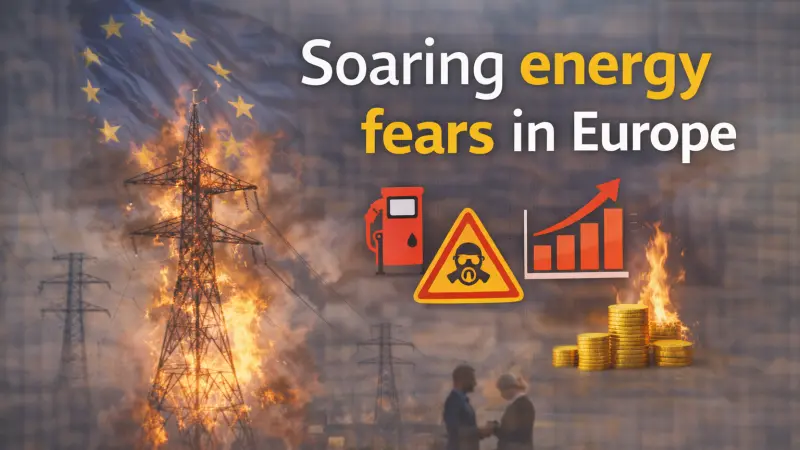
Rising energy costs and supply concerns have created significant uncertainty across Europe, affecting households, businesses, and governments. Energy fears are driven by a combination of global market volatility, geopolitical tensions, supply constraints, and increasing demand. As energy prices fluctuate, the economic impact can be widespread, influencing inflation, business costs, and consumer spending.

Understanding the causes and consequences of soaring energy fears helps businesses and individuals prepare for potential challenges and adapt to changing conditions. Energy markets play a critical role in economic stability, and disruptions can have far reaching effects.
This article explores the reasons behind rising energy fears in Europe and their impact on the economy.
What Is Driving Energy Fears
Several factors contribute to energy concerns, including global supply disruptions, geopolitical tensions, and changing energy policies. Reduced supply combined with high demand often leads to price volatility and uncertainty.
External events can significantly influence energy markets and create instability.
Rising Energy Prices
One of the most visible impacts is increasing energy costs for both businesses and households. Higher prices can reduce disposable income, increase operational costs, and put pressure on economic growth.
Price increases often lead to inflationary pressures across the economy.
Supply Chain Challenges
Energy supply disruptions can affect production and distribution across industries. Businesses reliant on energy intensive processes may face increased costs and operational challenges.
Supply chain disruptions can slow economic activity.
Impact on Businesses
Higher energy costs can reduce profit margins and force companies to adjust pricing or cut costs. Small businesses are particularly vulnerable due to limited financial reserves.
Energy costs often influence business planning and investment decisions.
Effect on Households
Rising energy bills can strain household budgets and reduce consumer spending. This can affect demand across various sectors, influencing economic growth.
Household confidence plays a key role in economic stability.
Inflation and Economic Pressure
Energy costs are a major contributor to inflation. Rising prices can increase the cost of goods and services, affecting both businesses and consumers.
Inflation can lead to tighter monetary policies and slower growth.
Government Response
Governments often introduce measures such as subsidies, price caps, or support programmes to help manage energy costs and protect consumers.
Policy responses aim to stabilise markets and support economic resilience.
Shift Toward Renewable Energy
Energy challenges have accelerated investment in renewable energy sources such as wind, solar, and alternative fuels. Transitioning to sustainable energy can help reduce reliance on volatile markets.
The transition supports long term energy security.
Impact on Investment
Energy uncertainty can influence business investment decisions, as companies may delay projects
or focus on efficiency improvements to manage costs.
Investment trends often reflect economic confidence.
Global Market Influence
Energy markets are interconnected globally, meaning events in one region can affect prices worldwide. International supply and demand dynamics play a key role in shaping energy trends.
Global factors contribute to market volatility.
Long Term Outlook
While short term challenges may persist, long term investments in renewable energy and infrastructure are expected to improve stability. Energy diversification can help reduce risks.
The future energy landscape will likely focus on sustainability and resilience.
How Businesses Can Respond
Businesses can manage energy risks by improving efficiency, investing in energy saving technologies, and reviewing operational strategies. Planning ahead helps reduce exposure to price volatility.
Proactive measures support resilience.
Soaring energy fears across Europe highlight the importance of energy security and market stability.
Rising prices, supply challenges, and economic pressures are affecting businesses and households alike, creating uncertainty across the region.
However, increased investment in renewable energy and efficiency improvements offers opportunities for long term stability. By understanding the factors driving energy fears and adapting strategies accordingly, businesses and policymakers can better manage challenges and support economic resilience.
FAQs
What is causing energy fears in Europe Supply disruptions, geopolitical tensions, and rising demand are key factors.
How do energy prices affect businesses Higher costs can reduce profits and increase operational expenses.
Why are households concerned about energy costs Rising bills can reduce disposable income and spending.
Does energy inflation affect the wider economy Yes, it increases costs across goods and services.
What sectors are most affected by energy costs Energy intensive industries such as manufacturing and transport.
How are governments responding Through subsidies, support programmes, and policy measures.
Can renewable energy reduce risks Yes, it helps reduce reliance on volatile markets.
Why do energy markets fluctuate Changes in supply, demand, and global events affect prices.
How can businesses manage energy risks By improving efficiency and planning costs.
Will energy prices stabilise Long term investments may improve stability.
What role does geopolitics play Political events can disrupt supply and influence prices.
How does energy impact inflation Higher energy costs increase overall prices.
Are small businesses more vulnerable Yes, they often have fewer financial reserves.
What is energy diversification Using multiple energy sources to reduce risk.
What is the long term outlook Greater focus on renewable energy and sustainability.

Disclaimer: The information provided in this article is for general informational and research purposes only. Company details, features, services, and market positions may change over time. Readers are advised to visit official company websites and conduct independent research before making any business decisions or purchasing services.
Most Searchable Keywords

Recent Blogs


Related Listings


Categories
- Accountants (295)
- Advertising Agencies (559)
- Architects (149)
- Automobiles (377)
- Beauty (300)
- Carpenters (146)
- Cleaning Services (386)
- Dentists (189)
- Driving (62)
- Electricians (215)
- Energy (8)
- Event Organiser (685)
- Finance (599)
- Guide (3365)
- Health (2207)
- Information technology (206)
- Legal Services (353)
- Logistics (6)
- Maintenance (65)
- Manufacturing (35)

Sponsored Listings in Locksmith Services


Related Blogs

Gen Z Political Reporters and News Creators i...
Read this insightful article "Gen Z Political Reporters and News Creators in the UK" to expand your knowledge!

Famous Female Social Media Influencers Across...
Read this insightful article "Famous Female Social Media Influencers Across the UK" to expand your knowledge!
Your UK Sponsor Licence 2026 Step by Step Gui...
Read this insightful article "Your UK Sponsor Licence 2026 Step by Step Guide" to expand your knowledge!
Questions & Answers – Find What
You Need, Instantly!
How can I update my business listing?
Is it free to manage my business listing?
How long does it take for my updates to reflect?
Why is it important to keep my listing updated?
