
From Craft to Commercial: A Guide to Professional Brewing Businesses
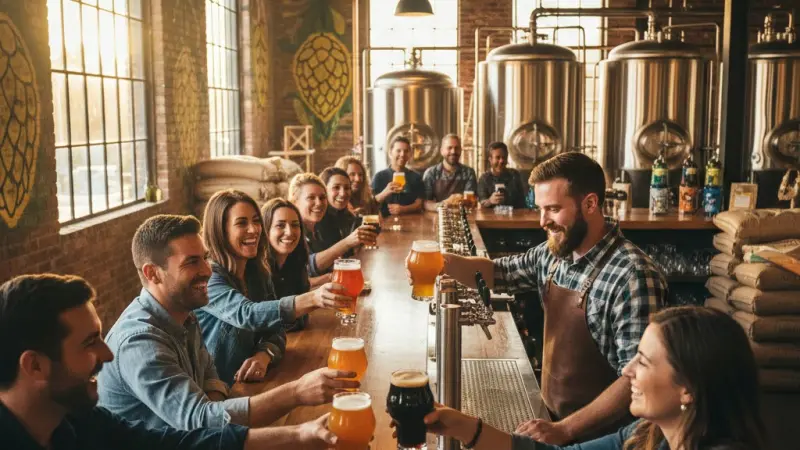
The British brewing industry is a cornerstone of the UK’s cultural identity and a vital engine for the national economy. From the historic family brewers of the Victorian era to the explosive growth of the modern craft movement, the sector represents a sophisticated blend of heritage, chemistry, and commercial grit. As of 2026, the industry continues to demonstrate remarkable resilience, contributing billions in Gross Value Added (GVA) and supporting hundreds of thousands of jobs across the supply chain, from rural agriculture to urban hospitality.

Transitioning from a "craft" enthusiast to a commercial enterprise requires more than just a passion for hops; it demands a deep understanding of the uk business directory website ecosystem. For many entrepreneurs, the journey begins in a garage or a small-scale pilot kit, but the leap to professional brewing necessitates rigorous adherence to HMRC regulations, food safety standards, and strategic market positioning. The UK is currently home to over 2,000 breweries, ranging from international conglomerates to "nanobreweries" serving a single postcode.
The economic importance of this sector cannot be overstated. Beyond the "pints on bars," the brewing industry drives innovation in sustainable packaging, supports the British farming sector through malt and hop procurement, and acts as a primary catalyst for the regeneration of high streets through taproom culture. In an increasingly digital world, these physical hubs of community remain essential. However, the commercial success of these entities now depends heavily on their ability to be discovered via a comprehensive uk b2b business directory, ensuring they are connected with suppliers, wholesalers, and retail partners alike.
This guide explores the intricate journey of building a professional brewing business in the UK. We will examine the shifting landscape of the industry, the diverse services these businesses provide, and the essential strategies for navigating the challenges of a post-pandemic economy. Whether you are a seasoned head brewer or an investor looking at the hospitality space, understanding the professional infrastructure of the UK brewing scene is paramount.
The Landscape of Brewers in the UK
The British brewing landscape has undergone a seismic shift over the last decade. Historically dominated by a few large players, the "Craft Revolution" of the 2010s saw a proliferation of independent breweries. However, the post-pandemic era has introduced a period of consolidation and refinement. While the number of total breweries remains high, the focus has shifted from rapid expansion to sustainable profitability.
Geographically, brewing activity is no longer confined to traditional hubs like Burton-on-Trent. We see thriving clusters in London, the North West (particularly Manchester), and Scotland. Each region brings its own unique "terroir" and brand of innovation. For those looking to source products or partner with these entities, a uk local business directory is an indispensable tool for identifying regional specialists.
The post-pandemic market is characterized by the "premiumization" of beer. Consumers are drinking less in volume but are willing to pay more for high-quality, locally produced, and authentic beverages. This has led to the rise of the "Brewery Taproom" model, where producers sell directly to the public, capturing higher margins and building brand loyalty. The evolution of the industry has also seen a merge between traditional brewing and modern tech-driven logistics, making the visibility of a brand on a uk business directory essential for survival.
Despite the growth, the landscape faces headwinds such as rising energy costs and CO2 shortages. The successful breweries of 2026 are those that have diversified their revenue streams—moving into contract brewing, white-labelling, and e-commerce. As the market matures, the distinction between a "hobbyist" and a "professional" is defined by their operational efficiency and their presence in the broader uk online business directory landscape, allowing them to compete on a national stage.
Comprehensive Services Breakdown
Professional brewing businesses in the UK offer far more than just kegs and casks. To thrive in a competitive market, many have expanded into a wide array of specialized services that cater to both B2B and B2C segments. For an entrepreneur to grow, they must list these capabilities on a business listing uk to capture diverse lead types.
Core Product Manufacturing
The bread and butter of the industry remain the production of core ranges. This includes:
Cask Ale: The "Real Ale" sector, which remains a uniquely British proposition.
Kegged Craft Beer: Focused on carbonated, chilled products like IPAs and Sours.
Small Pack: Bottling and canning for retail and direct-to-consumer sales.
Contract Brewing and White Labelling
Many established breweries offer "Contract Brewing" services, allowing smaller brands or bars to produce beer using the larger facility’s equipment. This is a vital service for those who have outgrown their own capacity but aren't ready for a multi-million-pound capital expenditure. Professional entities often use a business listing uk to advertise their excess capacity to budding entrepreneurs.
Taproom Operations and Events
The taproom has become a critical revenue stream. By offering brewery tours, tasting sessions, and event space hire, brewers create a community hub. This direct engagement provides invaluable market research data, allowing brewers to test experimental recipes before a full-scale commercial launch. To ensure these events are well-attended, being listed on a business listing uk helps local tourists and beer enthusiasts find these hidden gems.
Consultancy and Laboratory Services
High-end professional brewers often provide consultancy on yeast management, recipe development, and quality control. With the rise of non-alcoholic and low-alcohol beers (NoLo), the technical requirement for precision has never been higher. Smaller breweries often seek out these services through a business listing uk to ensure their products meet safety and shelf-life standards.
How to Choose the Right Service Provider
Whether you are a pub landlord looking for a house beer or a retailer seeking a new supplier, choosing the right brewing partner is a critical business decision. The "craft" label is not always a guarantee of quality; therefore, professional due diligence is required. The first step is often consulting uk local business search to find providers with established track records.
Accreditations and Quality Standards
Look for breweries that are members of the Society of Independent Brewers (SIBA) or the British Beer & Pub Association (BBPA). These organisations often require members to adhere to strict codes of practice. Furthermore, SALSA (Safe and Local Supplier Approval) accreditation is a gold standard for food safety in the UK brewing industry.
Insurance and Reliability
A professional brewing business must have comprehensive public and product liability insurance. When browsing uk verified business listings, check if the provider has transparent terms regarding lead times and delivery schedules. In the hospitality world, a missed delivery on a Friday afternoon can be catastrophic for a venue’s weekend revenue.
Reputation and Reviews
Digital word-of-mouth is powerful. Before signing a contract, check uk top rated local businesses to see what other vendors and customers are saying. Pay attention to consistency; a brewery might produce one "world-class" beer, but a professional partner needs to produce consistent batches every single time.
Ethical and Local Credentials
In the modern market, the provenance of ingredients matters. Check if the brewer sources British hops or uses renewable energy. Many of the most reputable providers are highlighted in the uk professional services listings for their commitment to sustainability and local community support.
Industry Challenges & Future Outlook
The UK brewing sector is currently navigating a "perfect storm" of challenges. Inflation has driven up the price of raw materials—malt, hops, and glass—while energy-intensive brewing processes have become significantly more expensive. However, these challenges are driving a wave of innovation. For businesses to stay ahead, they must utilize a business listing uk to maintain visibility without adding to their overheads.
The Sustainability Shift
Sustainability is no longer optional. The industry is moving toward "Net Zero" through the adoption of carbon capture during fermentation, wastewater treatment plants, and the elimination of plastic rings in packaging. Consumers are actively seeking out "green" brewers, and these initiatives are increasingly featured on business listing uk profiles to attract eco-conscious buyers.
Technology and Automation
From automated brewhouses to AI-driven fermentation monitoring, technology is helping brewers maintain quality while reducing labor costs. Data analytics are also being used to predict consumer trends, such as the current surge in demand for ultra-fresh "hazy" pales and gluten-free options.
Regulatory Changes
The UK’s post-Brexit alcohol duty reforms have changed how beer is taxed, with a focus on draught relief to support pubs. Navigating these changes requires expert financial management.
Professional brewers are increasingly turning to a business listing uk to find specialized accountants and legal advisors who understand the nuances of the new duty system.
Business Tips for Brewers Professionals
In a crowded marketplace, being a great brewer is only half the battle; you must also be a great marketer. Digital visibility is the cornerstone of modern business growth. Even the most traditional ale house needs to be found on a uk local trades directory to capture the attention of younger demographics and local businesses.
Optimize Your Digital Footprint
Ensure your business is listed on every relevant local business listings uk. This doesn't just help customers find you; it improves your local SEO, making your website rank higher when someone searches for "best local IPA" or "brewery near me." Consistency in your Name, Address, and Phone number (NAP) across these platforms is vital for search engine trust.
Social Media and Storytelling
Brewing is a visual and tactile process. Use platforms like Instagram and TikTok to show the "behind the scenes" of a brew day. Highlight the farmers who grow your hops and the science in your lab. This builds an emotional connection with your audience. Link these social profiles back to your local page uk listings to provide a seamless path to purchase.
Leverage B2B Networking
Don't just market to the end-drinker. Focus on B2B relationships with local restaurants, bottle shops, and corporate event planners. Utilizing uk service listings can help you find other local businesses to collaborate with, such as food trucks for your taproom or local artists for your can designs.
Wrapping Up & Local Page Integration
The journey from a craft enthusiast to a commercial brewing powerhouse is one of the most rewarding paths in the UK’s vibrant food and drink sector. It is an industry built on passion, but sustained by professional excellence and strategic visibility. As we have explored, the ability to adapt to market shifts, embrace sustainability, and maintain a high-quality service breakdown is what separates the leaders from the rest.
In today's competitive landscape, your brewery's online presence is your digital storefront. Whether you are looking to attract new wholesale accounts or drive footfall to your taproom, being part of a trusted find local businesses uk network is essential. It provides the "social proof" and discoverability needed to thrive in a crowded market.
For UK businesses, Local Page stands as the premier solution for bridging the gap between local craft and commercial success. By integrating your business into a high-authority local businesses list uk, you ensure that your brand is visible to those who matter most: your local community and professional partners.
Boost Your Visibility with Local Page UK
For businesses in the Brewers sector, being found online is critical. Whether you are a micro-brewery in the Cotswolds or a large-scale producer in London, your customers are searching for you right now. Don't leave your growth to chance. Encourage your team to claim their business listing uk today to reach more customers, improve your SEO, and solidify your place in the UK’s brewing future.
Frequently Asked Questions (FAQs)
1. What are the legal requirements to start a commercial brewery in the UK?
To brew beer commercially in the UK, you must register as a brewer with HMRC for Alcohol Duty purposes. You also need to obtain a premises license from your local council if you plan to sell alcohol on-site.
Furthermore, you must comply with Food Standard Agency (FSA) regulations, which involve registering as a food business. Environmental health inspections will ensure your facility meets hygiene standards. Proper drainage and waste management plans are also required to handle the effluent produced during the brewing process.
2. How much capital is needed to move from homebrewing to a professional setup?
The cost can vary wildly depending on scale. A small 2.5-barrel (BBL) "nanobrewery" might start with £20,000–£50,000, while a professional 10-BBL setup with fermentation control, canning lines, and taproom facilities can easily exceed £250,000. It is not just equipment; you must factor in rent, utility deposits, raw materials, and the "duty gap"—the time between brewing and receiving payment for your product.
3. What is the difference between cask ale and keg beer?
Cask ale is "live" beer that undergoes a secondary fermentation in the container (the cask) and is served without added CO2, usually via a handpull. It is a traditional British product. Keg beer is usually filtered or pasteurized to stop yeast activity and is served under pressure using CO2 or a nitrogen mix. Keg beers generally have a longer shelf life and are served colder than cask ales.
4. How can I find reliable hops and malt suppliers in my region?
The best way to find reputable suppliers is to use a Localpage search for agricultural B2B providers. Many UK brewers prefer "Maris Otter" malt, primarily grown in Norfolk, and hops from Kent or Herefordshire. Networking at industry events like SIBA's BeerX also helps in finding reliable trade partners who understand the specific needs of craft brewers.
5. What is "Contract Brewing" and is it right for my business?
Contract brewing is when you pay an established brewery to produce your beer recipes using their equipment. This is an excellent way to scale up without the massive capital investment of buying your own kit. It allows you to focus on branding, sales, and distribution. However, you will have lower margins per pint and less direct control over the day-to-day production schedule.
6. How do I get my beer into local pubs and bars?
Getting "on tap" requires a combination of high-quality samples, competitive pricing, and persistent relationship building. Start by targeting independent bars that focus on local produce. Offering to host "Meet the Brewer" nights or providing free branded glassware can incentivize landlords to give you a permanent line. Ensure your business is easily found in a local directory so landlords can find your contact details.
7. What is the SALSA accreditation and why is it important?
SALSA (Safe and Local Supplier Approval) is a food safety certification scheme specifically designed for small and medium-sized producers. Many national retailers and large pub chains will only stock products from breweries that hold SALSA accreditation, as it proves the business follows rigorous hygiene and quality control standards.
8. How is beer duty calculated in the UK after the 2023 reforms?
The UK moved to a system where duty is charged based on the alcohol by volume (ABV) of the product. There is a "Draught Relief" which reduces the tax on beer sold in large containers (over 40 litres) typically destined for pubs. Small Producer Relief also exists to help smaller breweries pay a lower rate of duty compared to global giants, encouraging diversity in the market.
9. Why is a taproom important for a modern brewery?
A taproom allows a brewery to sell directly to the consumer, capturing the full retail price of a pint rather than the wholesale price. This significantly improves cash flow. It also serves as a marketing hub where customers can experience the brand, try new releases, and become "brand ambassadors" within the local community.
10. What are the current trends in the UK craft beer market?
As of 2026, there is a massive surge in the popularity of Low and No-alcohol beers (NoLo). Additionally, "Modern Lagers"—well-crafted, crisp lagers made with premium ingredients—are gaining ground against traditional ales. Sustainability is also a trend, with consumers favoring breweries that use "infinite" recyclable aluminum cans over glass bottles.
11. How do I market my brewery to a younger demographic?
Younger drinkers value transparency, ethics, and "instagrammable" experiences. Focus on bold, artistic can designs and maintain an active, authentic presence on social media. Highlight your sustainability efforts and offer a variety of styles beyond traditional bitters, such as fruited sours or New England IPAs (NEIPAs).
12. What insurance does a professional brewery need?
At a minimum, you need Public Liability, Product Liability, and Employers' Liability insurance. Given the expensive nature of brewing kits, "Business Interruption" insurance and "Stock Throughput" insurance (to cover ingredients and finished beer) are also highly recommended to protect against equipment failure or fire.
13. Can I brew gluten-free beer professionally?
Yes, but it requires strict cross-contamination protocols. You can either use naturally gluten-free grains (like sorghum or millet) or use an enzyme during fermentation that breaks down the gluten protein in barley. To legally label beer as "Gluten-Free," it must contain less than 20 parts per million (ppm) of gluten, verified by laboratory testing.
14. How do I handle brewery waste and effluent?
Brewing produces a lot of wastewater and spent grain. Spent grain is often given to local farmers for livestock feed. Effluent (liquid waste) must be treated or disposed
of according to your local water authority's "Trade Effluent Consent," which may involve pH balancing and filtration before it enters the sewer system.
15. How does being listed on a directory help my brewery's SEO?
Being listed on a high-authority platform like Local page creates a "backlink" to your website. This tells search engines like Google that your business is legitimate and relevant. It also ensures that when people search for local services in your area, your brewery appears in the "local pack" of results, driving both digital and physical traffic.

Disclaimer: The information provided in this article is for general informational and research purposes only. Company details, features, services, and market positions may change over time. Readers are advised to visit official company websites and conduct independent research before making any business decisions or purchasing services.
Most Searchable Keywords

Recent Blogs



Related Listings


Categories
- Accountants (295)
- Advertising Agencies (559)
- Architects (149)
- Automobiles (377)
- Beauty (300)
- Carpenters (146)
- Cleaning Services (386)
- Dentists (189)
- Driving (62)
- Electricians (215)
- Energy (8)
- Event Organiser (685)
- Finance (599)
- Guide (3365)
- Health (2207)
- Information technology (206)
- Legal Services (353)
- Logistics (6)
- Maintenance (65)
- Manufacturing (35)

Sponsored Listings in Locksmith Services


Related Blogs

Gen Z Political Reporters and News Creators i...
Read this insightful article "Gen Z Political Reporters and News Creators in the UK" to expand your knowledge!

Famous Female Social Media Influencers Across...
Read this insightful article "Famous Female Social Media Influencers Across the UK" to expand your knowledge!

Your UK Sponsor Licence 2026 Step by Step Gui...
Read this insightful article "Your UK Sponsor Licence 2026 Step by Step Guide" to expand your knowledge!
Questions & Answers – Find What
You Need, Instantly!
How can I update my business listing?
Is it free to manage my business listing?
How long does it take for my updates to reflect?
Why is it important to keep my listing updated?
