
HMRC and Treasury Owed Over 22 Billion
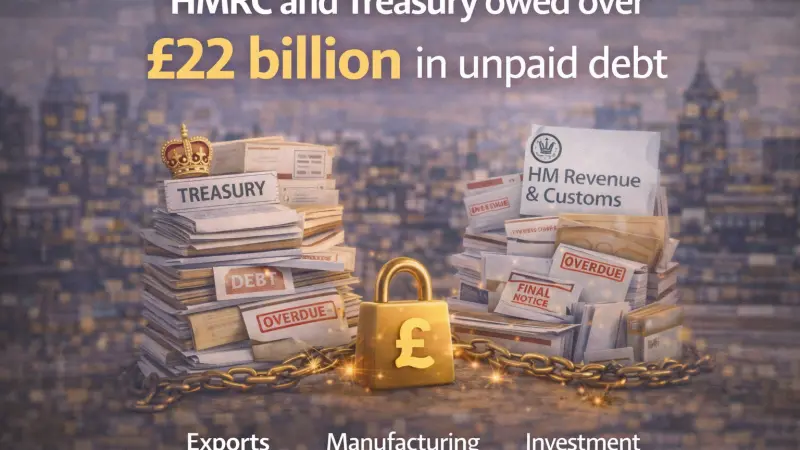
Reports that HMRC and the UK Treasury are owed over £22 billion in unpaid debt highlight significant challenges within the public finance system. Unpaid tax liabilities and outstanding government receivables can place pressure on public services, economic planning, and fiscal stability.
When large sums remain unpaid, it raises questions about compliance, enforcement, economic conditions, and the financial health of businesses and individuals. The issue is not only about lost revenue but also about how efficiently public funds are managed and recovered.
In this article, we explore what unpaid debt to HMRC and the Treasury means, the reasons behind rising arrears, and the broader implications for the UK economy.
Understanding HMRC and Treasury Debt
HM Revenue and Customs is responsible for collecting taxes, enforcing customs regulations, and ensuring compliance with tax laws across the UK. The HM Treasury oversees public spending and economic policy.
Unpaid debt typically refers to tax liabilities such as VAT, corporation tax, income tax, and other government owed payments that have not been settled within required timeframes.
These arrears accumulate when businesses or individuals are unable or unwilling to pay their obligations.
Reasons Behind Unpaid Tax Debt
Several factors can contribute to rising unpaid tax debt. Economic downturns often place financial pressure on businesses and individuals, making it harder to meet tax deadlines.
Cash flow challenges, particularly for small and medium sized enterprises, may lead to delayed payments. In some cases, administrative errors or disputes over tax assessments can also contribute to outstanding balances.
Periods of economic disruption tend to increase arrears.
Impact on Public Finances
When billions of pounds remain unpaid, government revenue falls short of expectations. This can affect public spending plans and require adjustments to budgets.
Reduced tax income may limit funding for public services such as healthcare, education, and infrastructure projects.
Effective debt recovery is essential for fiscal stability.
The Role of Compliance and Enforcement
HMRC employs various measures to recover unpaid taxes, including payment plans, penalties, and legal action where necessary. Compliance efforts aim to balance enforcement with support for struggling taxpayers.
Time to Pay arrangements allow businesses and individuals to settle debts in instalments rather than facing immediate enforcement action.
Strong compliance systems protect public finances.
Business Challenges and Cash Flow Pressures
Many businesses accumulate tax debt due to cash flow constraints. Rising operational costs, inflation, and supply chain disruptions can affect profitability.
When businesses prioritise wages and suppliers, tax payments may be delayed. This creates a cycle where arrears continue to grow.
Financial planning and support are crucial for preventing debt escalation.
Economic Conditions and Debt Levels
Economic uncertainty can significantly impact tax collection. During periods of slower growth or recession, businesses generate lower profits, reducing their ability to meet obligations.
Increased unemployment can also affect income tax receipts.
Economic recovery plays a key role in stabilising tax revenues.
Impact on Small Businesses
Small businesses are often more vulnerable to tax arrears due to limited reserves. Unexpected expenses or delayed customer payments can create short term financial strain.
Access to financial advice and structured repayment plans can help businesses manage obligations responsibly.
Supporting SMEs strengthens overall compliance.
Government Support Measures
In challenging economic periods, the government may introduce relief measures such as deferrals or temporary support schemes. While these initiatives provide short term assistance, they can also increase outstanding balances in the long term.
Balancing support with sustainable recovery is essential.
Policy decisions influence debt trends.
Long Term Implications for the Economy
High levels of unpaid tax debt may signal broader economic stress. Persistent arrears could indicate systemic issues in cash flow management or compliance structures.
Efficient recovery and improved compliance processes help maintain confidence in public finance systems.
Fiscal discipline supports economic stability.
Public Perception and Accountability
Transparency in reporting unpaid debt levels is important for maintaining public trust. Taxpayers expect fair enforcement and equal treatment under the law.
Ensuring accountability strengthens the integrity of the tax system.
Clear communication improves understanding.
Strategies to Reduce Unpaid Debt
Improved digital systems, enhanced compliance checks, and early intervention strategies can help reduce arrears. Encouraging proactive communication between taxpayers and HMRC helps prevent debts from escalating.
Financial education and planning support businesses in meeting obligations on time.
Prevention is often more effective than enforcement.
The Future Outlook
As economic conditions stabilise, unpaid tax debt may gradually decline. Continued investment in digital tax systems and streamlined processes can improve collection efficiency.
Collaboration between businesses and tax authorities will remain important in maintaining compliance.
Sustainable economic growth supports revenue recovery.
The fact that HMRC and the Treasury are owed over £22 billion in unpaid debt highlights the challenges facing public finances and businesses alike. Economic pressures, cash flow issues, and compliance complexities all contribute to rising arrears.
While enforcement measures and support schemes aim to manage the situation, long term stability depends on economic recovery and effective financial management. Transparent governance and proactive engagement will be essential in reducing outstanding debt levels.
Maintaining a balanced and fair tax system supports both public services and economic resilience.
FAQs
What is HMRC HMRC is the UK government department responsible for tax collection and customs enforcement.
Why is HMRC owed unpaid debt Due to delayed tax payments from businesses and individuals.
What types of taxes are included in unpaid debt VAT, corporation tax, income tax, and other government levies.
How does unpaid tax debt affect the economy It reduces government revenue and impacts public spending.
Can businesses arrange payment plans with HMRC Yes, Time to Pay arrangements may be available.
Why do small businesses struggle with tax payments Cash flow challenges and economic pressures.
Does economic downturn increase tax arrears Yes, reduced profits and income can lead to delayed payments.
How does HMRC recover unpaid debt Through reminders, penalties, and legal enforcement where needed.
Are penalties applied to late tax payments Yes, penalties and interest may apply.
What is the role of HM Treasury It manages public finances and economic policy.
Can unpaid debt impact public services Yes, reduced revenue can affect government budgets.
Is unpaid tax debt common during crises Yes, economic disruptions often increase arrears.
How can businesses avoid tax debt Through careful financial planning and early communication with HMRC.
Does HMRC offer support during financial hardship Yes, support options may be available in certain cases.
Will unpaid debt levels decrease over time It depends on economic recovery and effective collection measures.
Disclaimer: The information provided in this article is for general informational and research purposes only. Company details, features, services, and market positions may change over time. Readers are advised to visit official company websites and conduct independent research before making any business decisions or purchasing services.
Most Searchable Keywords
Recent Blogs


Related Listings

Categories
- Accountants (295)
- Advertising Agencies (559)
- Architects (149)
- Automobiles (377)
- Beauty (300)
- Carpenters (146)
- Cleaning Services (387)
- Dentists (189)
- Driving (62)
- Electricians (215)
- Energy (8)
- Event Organiser (686)
- Finance (602)
- Guide (3372)
- Health (2207)
- Information technology (206)
- Legal Services (353)
- Logistics (6)
- Maintenance (65)
- Manufacturing (35)
Sponsored Listings in Travel Agencies


Related Blogs

How Much Do UK Actors Really Earn Full Indust...
Read this insightful article "How Much Do UK Actors Really Earn Full Industry Breakdown" to expand your knowledge!

Blue Light Card UK 2026 Check Eligibility and...
Read this insightful article "Blue Light Card UK 2026 Check Eligibility and Claim" to expand your knowledge!

BBC Radio 1 DJs Net Worth Ranking Revealed
Read this insightful article "BBC Radio 1 DJs Net Worth Ranking Revealed" to expand your knowledge!
Questions & Answers – Find What
You Need, Instantly!
How can I update my business listing?
Is it free to manage my business listing?
How long does it take for my updates to reflect?
Why is it important to keep my listing updated?
