
Home Insurance UK: The Definitive Guide to Protecting Your Greatest Asset
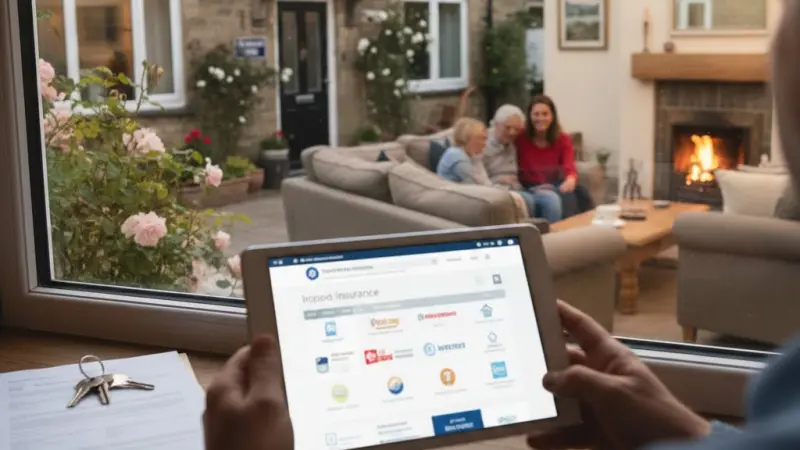
Home insurance in the UK provides essential financial protection for your property and personal belongings against risks such as fire, theft, flooding, and accidental damage. For most homeowners, this typically involves a combination of buildings insurance, which covers the physical structure and permanent fixtures, and contents insurance, which protects the items kept within the home. While buildings insurance is often a mandatory requirement for mortgage lenders in Britain, contents cover is optional but highly recommended to safeguard your wealth. To get the best home insurance in the UK, you should compare policies based on specific coverage limits, compulsory excesses, and the reputation of the underwriter rather than simply choosing the cheapest premium.

What is the best way to secure home insurance in Britain? The most effective approach is to accurately calculate the rebuild cost of your property and the total value of your possessions, then use a comparison service to filter for policies that include essential extras like accidental damage and home emergency cover. Ensuring your home has approved security locks and is not in a high-risk flood zone will significantly reduce your annual premiums.
Navigating the UK insurance market requires a keen eye for detail. With shifting weather patterns leading to increased flood risks and the rising cost of living affecting rebuild valuations, staying informed is the only way to ensure your most valuable asset remains fully protected without overpaying for unnecessary add-ons.
Securing Comprehensive Property Protection
Understanding the nuances of property protection in the UK is the first step toward peace of mind. Buildings insurance is designed to cover the cost of repairing or rebuilding the external and internal structure of your home. This includes the roof, walls, windows, and even permanent fixtures like fitted kitchens and bathroom suites. Most UK lenders will insist that you have this cover in place from the moment you exchange contracts, as the structural integrity of the building serves as the security for your mortgage loan.
Protecting Your Structural Integrity
When assessing structural cover, you must distinguish between market value and rebuild cost. The market value includes the land and the desirability of the location, whereas the rebuild cost is strictly what it would cost in GBP to hire tradespeople and purchase materials to recreate the house from scratch. Using the RICS (Royal Institution of Chartered Surveyors) rebuild calculator is a standard practice in the UK to ensure you are not under-insured, which could lead to a reduced payout during a total loss claim.
Essential External Cover
Standard policies usually extend to outbuildings, boundary walls, and even underground pipes or cables for which you are legally responsible. It is vital to check if your policy covers "heave" and "subsidence," especially if you live in areas with clay-heavy soil common in the South East of England.
Safeguarding Your Personal Belongings
Contents insurance is the secondary pillar of home protection, focusing on everything you would take with you if you moved house. This includes furniture, electronics, clothing, and jewellery. In the UK, many households underestimate the total value of their "stuff." A room-by-room inventory is often eye-opening, revealing that the average family may be sitting on tens of thousands of pounds worth of assets that would be impossible to replace out of pocket following a burglary or a devastating fire.
Valuing Your Household Assets
Accurate valuation is critical to avoid the "average clause" in UK insurance contracts. If you under-declare your contents value by fifty percent, the insurer may only pay out fifty percent of any claim you make, even for small losses. High-value items, typically those worth over £1,500 such as engagement rings or high-end road bikes, usually need to be specified separately on the policy to ensure they are covered both inside and outside the home.
Personal Possession Additions
Many UK residents opt for "personal possessions" cover, an add-on that protects items like mobile phones, laptops, and watches while you are away from the premises. This is particularly useful for commuters or those who travel frequently within the British Isles and abroad.
Evaluating Policy Exclusions And Limitations
No insurance policy is infinite in its scope. Understanding what is excluded is just as important as knowing what is covered. Common exclusions in the UK market include damage caused by general wear and tear, mechanical breakdown of appliances, and damage caused by pests such as rodents or birds.
Furthermore, if a property is left unoccupied for more than thirty or sixty consecutive days, most standard policies will become void or significantly restricted, which is a major consideration for those with second homes or extended holiday plans.
Navigating The Small Print
The "small print" often contains details regarding the compulsory and voluntary excess. The compulsory excess is set by the insurer, while the voluntary excess is an amount you agree to pay on top in the event of a claim. While increasing your voluntary excess can lower your annual premium, you must ensure that the total combined excess remains affordable. In the UK, specific excesses often apply to subsidence or escape of water claims, sometimes reaching £1,000 or more.
Unoccupied Property Risks
If you are planning a long renovation or an extended trip, you must notify your provider. You may need a specialist "unoccupied home" policy which includes requirements like turning off the water mains or ensuring a friend checks the property weekly to maintain the validity of the insurance coverage.
Maximising Discounts And Reducing Premiums
Reducing the cost of home insurance in the UK does not have to mean sacrificing quality. There are several proactive steps homeowners can take to make their property more attractive to underwriters. Improving home security is perhaps the most effective method. Installing BS3621 compliant five-lever mortice deadlocks on external doors and ensuring windows have key-operated locks can result in immediate premium reductions. Many insurers also offer discounts for homes fitted with an NSI or SSAIB approved burglar alarm system.
Investing In Home Security
Modern smart home technology is increasingly recognised by UK insurers. App-controlled security cameras, smart doorbells, and leak detection sensors can sometimes lower risks and costs. However, always check with your specific provider before investing solely for insurance reasons. Additionally, joining a local Neighbourhood Watch scheme is often looked upon favourably and reflects a commitment to community safety and risk mitigation.
Fire Safety Measures
Basic fire safety, such as having smoke alarms on every floor and a fire extinguisher in the kitchen, is a fundamental requirement. Ensuring your electrical wiring is modern and has been inspected by a certified professional can also prevent the likelihood of a devastating electrical fire.
Common Mistakes To Avoid During Application
The application process for home insurance is a legal disclosure, and errors can have severe consequences. One of the most frequent mistakes made by UK applicants is failing to disclose previous claims or "incidents," even if no payout was made. Insurers share data via the Claims and Underwriting Exchange (CUE), so any discrepancies are likely to be flagged. Providing an inaccurate rebuild cost—usually by using the market price of the house—is another blunder that leads to overpaying for coverage you cannot actually claim.
Accuracy In Information Disclosure
Honesty regarding the usage of the property is paramount. If you run a business from home that involves clients visiting the premises, or if you take in lodgers, a standard domestic policy will likely be insufficient. Failing to mention that your home has a flat roof (if it covers more than a certain percentage of the total area) or that the property is a listed building can also lead to the immediate rejection of future claims.
Reviewing Yearly Renewals
The "loyalty penalty" was a significant issue in the UK until recently, where existing customers were charged more than new ones. While the FCA has introduced new rules to ensure fair pricing, it is still vital to review your renewal quote. Don't assume your current insurer remains the most competitive; always check the market annually.
Managing The Claims Process Effectively
When disaster strikes, knowing how to navigate the UK claims process can significantly speed up your recovery. Your first step should always be to contact your insurer’s 24-hour emergency helpline. They can often provide immediate assistance, such as sending out an emergency plumber or locksmith.
It is essential not to throw away any damaged items before an assessor has seen them, and you should take extensive photographic or video evidence of the damage as soon as it is safe to do so.
Documenting Your Evidence
Keep a detailed log of every interaction you have with the insurance company, including the names of representatives and the times of calls. If you are required to move into alternative accommodation because your home is uninhabitable, keep all receipts for hotel stays and meals, as these are often covered under the "Loss of Rent or Alternative Accommodation" section of a standard UK policy.
Working With Loss Adjusters
The insurer may send a loss adjuster to your property. Their job is to verify the claim and ensure the payout is fair. While they are employed by the insurance company, they are governed by professional standards. You also have the right to hire your own loss assessor to represent your interests if the claim is particularly large or complex.
Future Trends In The British Insurance Market
The landscape of home insurance in the UK is evolving rapidly due to technological advancements and environmental changes. We are seeing a significant shift toward usage-based insurance and "pay-as-you-protect" models, particularly popular among the younger generation of homeowners and renters. Furthermore, as the UK moves toward Net Zero, insurers are beginning to offer incentives for homes with green energy installations, such as solar panels, heat pumps, and electric vehicle charging points, although these items require specific coverage considerations.
Climate Change And Risk Assessment
Flood risk is becoming an increasingly dominant factor in UK insurance pricing. The Flood Re scheme, a joint initiative between the government and insurers, helps ensure that those in high-risk areas can still access affordable cover. However, as extreme weather events become more frequent, homeowners may need to invest in their own flood resilience measures, such as non-return valves and flood barriers, to keep their properties insurable in the long term.
The Role Of Artificial Intelligence
Insurers are now using AI and satellite imagery to assess risks more accurately than ever before. This means that factors like the proximity of large trees (which can cause subsidence) or the condition of a roof can be evaluated without a physical inspection. This trend is likely to lead to more personalised pricing but requires homeowners to be more diligent about property maintenance.
Step By Step Guide To Finding A Policy
Finding the right home insurance policy in the UK involves a systematic approach to ensure no detail is overlooked. Begin by gathering all necessary information about your property, including the year it was built, the type of construction materials used, and the details of your existing security measures. Next, use at least two different comparison websites to get a broad view of the market, as some insurers are exclusive to certain platforms or do not appear on comparison sites at all (such as Direct Line).
Comparing Quotes And Features
Once you have a list of potential quotes, look beyond the price. Check the "Key Facts" document for each policy to compare the limits for specific items and the types of accidental damage included.
Look for "new for old" cover, which ensures that if an item is destroyed, you receive the full cost of a brand-new replacement rather than its current second-hand value. This is a standard feature in high-quality UK policies but is worth verifying.
Finalising Your Purchase
Before hitting the buy button, check if you are eligible for any further discounts by paying annually rather than monthly, as monthly instalments often carry high-interest rates (APR). Finally, read the policy wording one last time to ensure it meets your specific needs, particularly regarding any high-value items or unique property features you disclosed during the application process.
FAQ
Is buildings insurance a legal requirement in the UK?
While there is no national law mandating home insurance, it is almost always a contractual requirement of your mortgage lender. If you own your home outright, you are not legally forced to have it, but you would be responsible for all repair or rebuilding costs yourself. Most UK homeowners view it as an essential safeguard for their largest financial investment and personal security.
What is the difference between buildings and contents cover?
Buildings insurance covers the structure of the home and permanent fixtures, such as the roof, walls, floors, and fitted kitchens. Contents insurance covers the items you keep inside the home, like furniture, electronics, and clothing. A simple way to distinguish the two in the UK is to imagine turning your house upside down; everything that stays put is buildings, and everything that falls is contents.
How can I find out the rebuild cost of my home?
The rebuild cost is the amount it would cost to completely reconstruct your home if it were destroyed. It is usually lower than the market value. In the UK, you can find this figure on your latest survey report or by using the free building cost calculator provided by the Association of British Insurers (ABI) and the Royal Institution of Chartered Surveyors (RICS) online.
Does home insurance cover damage caused by pets?
Standard home insurance policies in the UK rarely cover damage caused by domestic pets, such as chewing, scratching, or "accidents" on carpets. Some premium policies or specific add-ons might offer limited protection, but general wear and tear or damage from animals is typically excluded. It is always best to check the specific exclusions in your policy booklet regarding "animals" to avoid disappointment.
Will my home insurance cover me if I work from home?
If you simply use a computer to work from home, most UK insurers will cover you under a standard policy without an extra charge. However, if you have business stock at home, employees, or clients visiting the premises, you must inform your insurer. You may need an extension or a specific business-from-home policy to ensure both your professional equipment and public liability are fully protected.

Disclaimer: The information provided in this article is for general informational and research purposes only. Company details, features, services, and market positions may change over time. Readers are advised to visit official company websites and conduct independent research before making any business decisions or purchasing services.
Most Searchable Keywords

Recent Blogs



Related Listings


Categories
- Accountants (295)
- Advertising Agencies (559)
- Architects (149)
- Automobiles (377)
- Beauty (300)
- Carpenters (146)
- Cleaning Services (386)
- Dentists (189)
- Driving (62)
- Electricians (215)
- Energy (8)
- Event Organiser (685)
- Finance (599)
- Guide (3365)
- Health (2207)
- Information technology (206)
- Legal Services (353)
- Logistics (6)
- Maintenance (65)
- Manufacturing (35)

Sponsored Listings in Locksmith Services


Related Blogs

Gen Z Political Reporters and News Creators i...
Read this insightful article "Gen Z Political Reporters and News Creators in the UK" to expand your knowledge!

Famous Female Social Media Influencers Across...
Read this insightful article "Famous Female Social Media Influencers Across the UK" to expand your knowledge!

Your UK Sponsor Licence 2026 Step by Step Gui...
Read this insightful article "Your UK Sponsor Licence 2026 Step by Step Guide" to expand your knowledge!
Questions & Answers – Find What
You Need, Instantly!
How can I update my business listing?
Is it free to manage my business listing?
How long does it take for my updates to reflect?
Why is it important to keep my listing updated?
