
How Can Drone Video Content Enhance Property Insurance Marketing
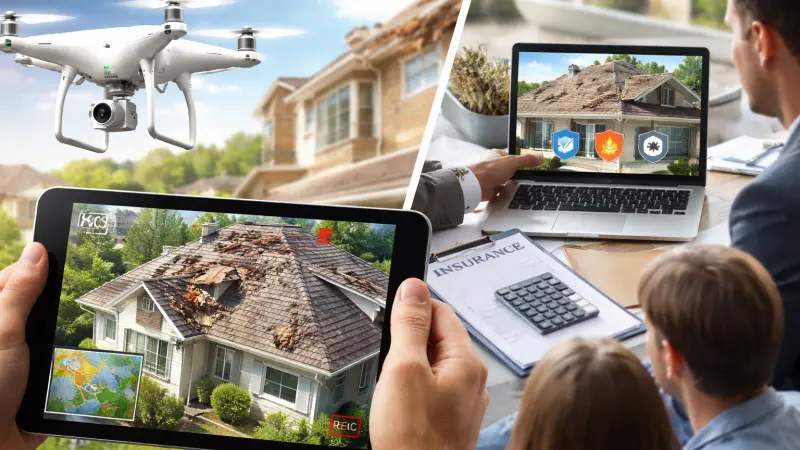
Could the future of insurance transparency be found in the clouds rather than the fine print? As the United Kingdom's financial services landscape becomes increasingly competitive, firms are looking for innovative ways to stand out, and drone video content has emerged as a transformative tool for the industry. Historically, property insurance was marketed through static imagery and abstract promises of protection. However, the introduction of high-definition aerial footage allows insurers to demonstrate a level of precision and technological sophistication that was previously unattainable. By utilizing Unmanned Aerial Vehicles (UAVs), insurance brands can provide prospective clients with a comprehensive view of their assets, moving beyond traditional risk assessment toward a more engaging and visually driven marketing narrative. This shift not only builds immediate trust but also positions the insurer as a forward-thinking partner capable of leveraging modern technology to protect physical assets more effectively than ever before.

Visual Storytelling and Emotional Connection in Insurance
The primary challenge in property insurance marketing is making an intangible product feel tangible and necessary. Drone video content addresses this by providing a cinematic perspective of the properties being protected. In the UK, where historic architecture and diverse landscapes present unique risks, aerial footage can highlight specific protective features—such as reinforced roofing or advanced flood defences—that traditional photography might miss. By showcasing these details from the air, marketers can create a compelling story about resilience and stewardship. This visual storytelling allows the consumer to see their home or commercial building as part of a larger, well-protected ecosystem. When a customer sees a high-resolution sweep of their neighbourhood, it evokes a sense of pride and a desire to maintain that security, making the insurance product a logical and emotional extension of their property ownership journey.
To implement this effectively, UK insurers are moving away from stock footage in favour of bespoke aerial surveys. This level of personalisation is a powerful marketing differentiator. For example, offering a "complimentary aerial health check" of a property's roof as part of a premium quote package is a highly effective lead generation tactic. This approach provides immediate value to the consumer while simultaneously allowing the insurer to gather accurate data for underwriting. The resulting video content can be shared with the client, creating a positive and interactive touchpoint that contrasts sharply with the often-dreaded process of filling out lengthy disclosure forms. By turning the risk assessment phase into a high-tech visual experience, brands can significantly improve their conversion rates and foster a sense of transparency that is vital for long-term customer loyalty in the sophisticated British market.
Furthermore, drone footage serves as an exceptional tool for content marketing across digital platforms. Short, engaging clips of aerial inspections or "before and after" repair videos perform remarkably well on social media channels like LinkedIn and Instagram. These visuals demystify the claims process and show the insurer in action, providing "behind-the-scenes" proof of their commitment to property maintenance. In an age where millennials and Gen Z are becoming major property owners in the UK, these digital-first visual cues are essential for engagement. Marketing that focuses on the proactive use of technology to prevent damage—rather than just paying out after a disaster—resonates deeply with a generation that values innovation and efficiency. This repositioning of insurance as a proactive service is perhaps the greatest marketing advantage that drone technology provides.
Enhancing Risk Assessment as a Marketing Differentiator
In the UK, property risks such as subsidence, coastal erosion, and storm damage are significant concerns for homeowners and businesses alike. Drone video content allows insurers to market their "precision underwriting" capabilities. By using thermal imaging and 4K zoom lenses, drones can identify thermal leaks, damp patches, or structural weaknesses that are invisible from the ground. When an insurer markets this capability, they are telling the consumer: "We understand your property better than anyone else." This expert positioning is a cornerstone of high-end property insurance marketing. It suggests that the resulting policy will be more accurately priced and more comprehensive, providing the "bespoke" service that modern UK consumers expect from their financial service providers. This move from generic risk pools to individualised data is a massive leap forward for the industry.
Moreover, the use of drones in the claims process itself becomes a powerful marketing hook. Insurers who can demonstrate a faster, safer, and more accurate claims assessment process have a significant competitive edge. Marketing materials that feature drones being deployed immediately after a storm to assess roof damage—without the need for scaffolding or dangerous manual inspections—highlight the insurer's efficiency and care for customer safety.
This "speed-to-settlement" narrative is incredibly persuasive. In the event of a claim, the primary concern for a UK policyholder is how quickly they can return to normalcy. By showcasing drone technology as a means to accelerate this process, insurance brands can build a reputation for reliability and rapid response that serves as a powerful magnet for new business during the renewal season.
Technical transparency also extends to the commercial sector. For large-scale industrial properties or agricultural estates in the UK, drone marketing is becoming the standard. Insurers can provide site managers with high-resolution maps and 3D models generated from drone data, offering insights into site safety and potential hazards. Marketing this "consultative protection" model moves the insurer from being a simple service provider to a strategic business partner. The video content generated can be used in annual reviews to show improvements in site safety over time, creating a virtuous cycle of risk reduction and premium stability. This data-driven approach to marketing is particularly effective for B2B insurance brands looking to secure high-value contracts with complex, multi-site organisations across the British Isles.
Strategic Keywords for Drone-Enhanced Insurance
- Primary Keyword: Drone video content
- Secondary Keywords: Property insurance marketing, aerial roof inspections, UK insurance technology, visual risk assessment, thermal imaging insurance, drone claims management, digital property protection.
- Semantic Keywords: UAV property surveys, high-resolution aerial footage, preventative maintenance marketing, UK PropTech trends, automated underwriting data, cinematic insurance storytelling.
Building Trust through Transparency and Precision
Trust is the fundamental currency of the UK insurance industry, and drone video content is perhaps the most effective way to build it in a digital environment. When an insurer provides an aerial view of a property, it eliminates the "information asymmetry" that often exists between the policyholder and the underwriter. The consumer can see exactly what the insurer sees. Marketing campaigns that focus on this "radical transparency" can effectively combat the negative perceptions sometimes associated with financial services. By showing the precise condition of a property at the time the policy is taken out, insurers can prevent future disputes regarding pre-existing damage. This level of clarity is a strong selling point for savvy UK consumers who are looking for a hassle-free and honest relationship with their insurance provider.
The "wow factor" of high-quality drone footage should also not be underestimated. In a sea of dry, text-heavy financial advertisements, a beautifully shot aerial video of a sweeping estate or a modern urban development stands out. It captures attention in the first few seconds, which is critical for digital marketing success. However, the true value lies in the follow-up: the transition from an impressive visual to a detailed, data-backed insurance proposal. Marketers must ensure that the drone content is not just "eye candy" but is intrinsically linked to the value proposition of the policy. For instance, an ad could show a drone detecting a potential roof leak, followed by a message about how the insurer's preventative maintenance cover saved the homeowner thousands in potential repairs. This links technology directly to financial savings and peace of mind.
Ethical considerations also play a role in the marketing narrative. In the UK, strict privacy laws and CAA (Civil Aviation Authority) regulations govern the use of drones. Insurance brands that market their "certified and compliant" drone operations are signalling a commitment to professional standards and consumer privacy. This is an important part of the brand discovery process; a customer is more likely to trust a firm that demonstrates a thorough understanding of the legal and ethical complexities of modern technology. Marketing materials should therefore highlight the use of licensed pilots and the implementation of robust data protection protocols. This builds a brand image of a responsible, high-tech protector that respects both the property and the privacy of the individual, which is a key consideration for the discerning British public.
Frequently Asked Questions
Is drone use for insurance legal in the UK?
Yes, provided the pilots are qualified and comply with Civil Aviation Authority (CAA)
regulations regarding flight paths, heights, and proximity to people and property.
How does drone video help with insurance quotes?
It provides high-resolution evidence of a property's condition, allowing for more accurate risk assessment and potentially more competitive pricing for well-maintained buildings.
Can drones see through roofs?
While they cannot see "through" materials, drones equipped with thermal sensors can detect heat patterns that indicate water ingress, poor insulation, or structural damp.
What happens to the data captured by the drone?
Reputable UK insurers must comply with GDPR, ensuring that all visual data is stored securely and used only for the purposes agreed upon with the policyholder.
Do I need to be home for a drone survey?
Not necessarily, though it is usually recommended. Drones can inspect roofs and
exteriors externally, but access permissions must be granted beforehand.
Does this technology make insurance more expensive?
Initially, it may seem like a high-tech extra, but by preventing major damage through early detection, it often leads to lower long-term costs and premium stability.
Can drones help in a claim dispute?
Absolutely. High-definition video taken at the start of a policy provides an indisputable record of the property's original condition, making it much easier to settle claims fairly.
Integrating Drone Data into the Multi-Channel Journey
Successful property insurance marketing in the UK requires a multi-channel approach where drone video content is integrated across various touchpoints. On the website, aerial footage can be used as the hero background for landing pages, immediately establishing a professional and modern tone. In email marketing, personalised GIF snippets of a customer's own property (if previously surveyed) can lead to much higher click-through rates for renewal reminders. For physical events or trade shows, 3D property models and VR (Virtual Reality) experiences derived from drone data can provide an immersive way for potential clients to explore their risks. This consistency of high-tech branding across all channels reinforces the insurer's position as a market leader in innovation and property protection.
We are also seeing the rise of "interactive insurance" where the drone footage is part of a digital dashboard for the policyholder. Marketing this dashboard as a "property management portal" adds significant value beyond the insurance contract itself. Users can log in to see historical aerial surveys of their roof, check for changes in vegetation that might affect foundations, or review thermal profiles. This transforms the relationship from a once-a-year transaction into a year-round service. Insurers who market these portals are essentially providing a "digital twin" of the property, offering a level of oversight that was once reserved for the largest commercial enterprises. This democratization of high-level property data is a powerful marketing message that appeals to the "smart home" generation in the UK.
Looking to the future, the integration of AI with drone video content will further enhance marketing automation. Imagine an insurer using AI to scan thousands of hours of drone footage to automatically identify properties in a specific region that need new roofing, then serving those owners targeted, helpful ads for specific coverage.
This "predictive marketing" is the next frontier. By staying ahead of these trends, UK insurance brands can ensure they remain at the top of the search results and the front of the consumer's mind. As the industry evolves, the ability to combine cinematic visuals with actionable data will be the hallmark of the most successful property insurance brands, turning every flight into a marketing opportunity and every pixel into a proof of protection.
In the rapidly evolving digital landscape of the United Kingdom, maintaining a visible and credible presence is essential for any firm looking to lead with innovation. As drones and other visual technologies redefine how we understand property risk, being easily discoverable by potential clients and partners is the key to sustainable growth. For organisations seeking to enhance their reach or for professionals looking for reliable industry connections, a Local Page UK provides a strategic digital advantage. These platforms function as a free business search directory and a free company search directory, allowing specialized surveyors and tech-forward insurance firms to showcase their expertise to a broader audience. By listing your details in a company directory online, you improve your local SEO and build the authority needed to win in today's market. To ensure your business is positioned correctly for the next wave of digital discovery, you can register for a verified business directory listing today.

Disclaimer: The information provided in this article is for general informational and research purposes only. Company details, features, services, and market positions may change over time. Readers are advised to visit official company websites and conduct independent research before making any business decisions or purchasing services.
Most Searchable Keywords

Recent Blogs


Related Listings

Categories
- Accountants (295)
- Advertising Agencies (559)
- Architects (149)
- Automobiles (377)
- Beauty (300)
- Carpenters (146)
- Cleaning Services (386)
- Dentists (189)
- Driving (62)
- Electricians (215)
- Energy (8)
- Event Organiser (685)
- Finance (599)
- Guide (3365)
- Health (2207)
- Information technology (206)
- Legal Services (353)
- Logistics (6)
- Maintenance (65)
- Manufacturing (35)

Sponsored Listings in Locksmith Services


Related Blogs

Gen Z Political Reporters and News Creators i...
Read this insightful article "Gen Z Political Reporters and News Creators in the UK" to expand your knowledge!

Famous Female Social Media Influencers Across...
Read this insightful article "Famous Female Social Media Influencers Across the UK" to expand your knowledge!

Your UK Sponsor Licence 2026 Step by Step Gui...
Read this insightful article "Your UK Sponsor Licence 2026 Step by Step Guide" to expand your knowledge!
Questions & Answers – Find What
You Need, Instantly!
How can I update my business listing?
Is it free to manage my business listing?
How long does it take for my updates to reflect?
Why is it important to keep my listing updated?
