
How Home Automation Helps In Managing Home Energy Use
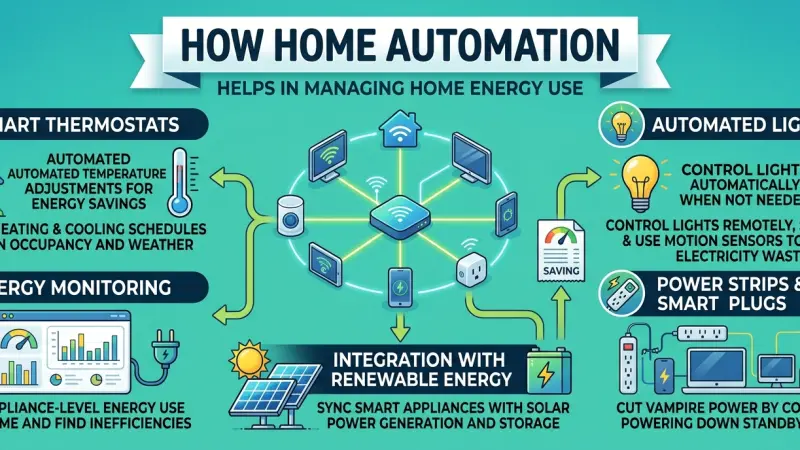
The modern household is no longer just a place of residence; it is becoming a sophisticated ecosystem of interconnected devices. As global energy prices fluctuate and environmental concerns take center stage, homeowners are increasingly looking for ways to trim excess consumption without sacrificing comfort. Home automation, once seen as a luxury or a novelty, has emerged as one of the most effective strategies for achieving this balance. By leveraging sensors, algorithms, and real-time data, smart systems can identify waste that the human eye often misses, turning the traditional "dumb" home into a proactive partner in energy conservation.

Managing home energy use through automation isn't just about turning lights off when you leave a room. it is about holistic optimization. It involves synchronizing heating, cooling, lighting, and appliance usage to align with your lifestyle and local utility rates. This comprehensive guide explores the mechanics of energy automation, the tangible benefits it provides, and how to implement a system that pays for itself through long-term savings.
An Overview of Energy Management via Automation
At its core, home automation for energy management relies on the Internet of Things (IoT). Devices communicate with a central hub or a smartphone application, allowing for remote control and, more importantly, autonomous decision-making.
Traditional energy management is reactive—you see a high bill and decide to turn down the heater. Automated management is proactive. A smart home system can monitor the outdoor temperature and adjust the indoor climate before you even feel a chill. It can detect when a room is unoccupied and dim the lights, or even delay the dishwasher cycle until off-peak hours when electricity is cheaper. By removing the "human error" factor, such as forgetting to adjust the thermostat before work, automation ensures that energy is never used needlessly.
The Core Pillars of Smart Energy Saving
1. Intelligent Climate Control
Heating and cooling typically account for nearly half of a home’s energy consumption. This is the area where automation has the most significant impact.
-
Learning Thermostats: These devices observe your habits for a week and then build a schedule automatically. If you leave for work at 8:00 AM every day, the system learns to lower the heat at 8:05 AM.
-
Geofencing: By using your phone’s GPS, the system knows when you are approaching home. It keeps the HVAC system in an energy-saving "eco-mode" while you are away and brings the home to the perfect temperature just as you pull into the driveway.
-
Zoned Heating: Instead of heating the entire house, smart radiator valves allow you to heat only the rooms currently in use.
2. Smart Lighting Ecosystems
Lighting is often left on in empty hallways or garages. Automation solves this through several layers:
-
Occupancy Sensors: Using PIR (Passive Infrared) technology, lights trigger only when motion is detected and turn off after a set period of inactivity.
-
Daylight Harvesting: Smart bulbs can dim themselves automatically as natural sunlight fills a room, maintaining a constant light level while using minimal power.
-
Automated Scenes: "Goodnight" scenes can ensure every light in the house is extinguished with a single command or at a specific time.
3. Power Monitoring and Smart Plugs
Many electronics draw "vampire power" even when turned off. Smart plugs can be programmed to completely cut power to entertainment centers or coffee machines during the night, eliminating this silent energy drain.
Furthermore, these devices provide real-time data on how many kilowatt-hours a specific appliance is consuming, helping you identify energy hogs that might need replacing.
Benefits of Automating Your Energy Footprint
Financial Savings
The most immediate benefit is the reduction in utility bills. While there is an upfront cost for hardware, most homeowners see a return on investment (ROI) within 12 to 24 months. Smart thermostats alone are proven to save an average of 10-15% on heating and cooling costs.
Environmental Impact
Reducing energy use directly correlates with a lower carbon footprint. By optimizing when and how power is used, you reduce the demand on the electrical grid, which often relies on fossil fuels during peak periods.
Increased Convenience and Comfort
Efficiency doesn't have to mean discomfort. Automation ensures that your home is at the right temperature when you need it to be. You no longer have to walk through a dark house or worry if you left the oven on; the system provides peace of mind through remote monitoring.
Prolonged Appliance Lifespan
When appliances like HVAC systems or water heaters are run more efficiently and only when necessary, they experience less wear and tear. This can extend the life of expensive home systems by several years.
Step-by-Step Guide to Implementing Home Energy Automation
Step 1: Conduct an Energy Audit
Before buying gear, identify where your energy goes. Look at your bills and check for drafts around windows. Many smart home apps now offer "energy insight" features that can help with this initial analysis.
Step 2: Start with the Thermostat
The thermostat is the "brain" of energy saving. Install a high-quality smart thermostat that is compatible with your existing HVAC system. Ensure it supports features like geofencing and energy reporting.
Step 3: Upgrade to Smart Lighting
Replace high-traffic area bulbs with smart LEDs. Focus on bathrooms, kitchens, and outdoor security lights. Integrate motion sensors in areas where family members frequently forget to flick the switch.
Step 4: Integrate Smart Plugs for "Vampire" Loads
Identify devices with standby lights (TVs, game consoles, desktop computers). Plug these into smart strips that can be scheduled to shut down entirely during sleeping hours.
Step 5: Set Up Automation Routines
Use "If This, Then That" (IFTTT) logic or native smart home routines. For example: "If the external temperature exceeds 25°C, close the smart blinds to keep the house cool naturally."
Common Mistakes to Avoid
-
Buying Incompatible Ecosystems: Ensure all your devices can talk to each other (e.g., all working with Matter, Zigbee, or a specific brand hub). Fragmented systems lead to poor automation.
-
Over-Automating: Don't automate things that don't need it. If a manual switch works fine for a closet you rarely use, keep it manual.
-
Ignoring Updates: Firmware updates often include energy-efficiency patches. Keep your devices updated to
ensure they are running the latest, most efficient code.
-
Neglecting Security: Always use strong passwords and two-factor authentication for your home hub to protect your data and your home's controls.
Strategic Tips for Maximum Efficiency
-
Use "Eco" Modes: Most smart appliances have a dedicated eco-setting. Enable these by default.
-
Monitor Your Dashboard: Check your energy usage weekly. If you see a spike on a Tuesday, investigate what was running that day.
-
Leverage Time-of-Use Rates: If your utility provider charges less at night, schedule your electric vehicle charging and laundry for those hours.
-
Incorporate Smart Window Treatments: Automated blinds can close during the hottest part of a summer day, significantly reducing the load on your air conditioner.
Supporting Local Business Visibility Beyond Core Marketing Efforts
While individual homeowners focus on internal efficiency, the broader ecosystem of home improvement relies on a network of skilled professionals. Whether you are looking for an electrician to install smart panels or a consultant for a full-scale green energy retrofit, discoverability is key. For professionals in this space, maintaining a consistent business listings site acts as a critical supporting visibility layer. It isn't just about direct sales; it’s about providing a credibility signal to potential clients who are searching for local expertise in sustainable technology.
Strategic placement on a business directory website helps reinforce trust across various digital platforms, ensuring that when a homeowner searches for "smart home installers near me," the information they find is accurate and professional. Utilizing a free company listing platform allows small businesses to establish a local presence consistency that complements their larger marketing goals. Furthermore, a well-managed Local Page UK can serve as a local discovery aid, helping residents find the specific services they need to make their homes more efficient. For those offering specialized skills, the ability to list services uk directory style ensures that the niche value of energy automation expertise is visible to the right audience at the right time.
Home Automation
Home automation is no longer a futuristic concept; it is a practical, essential tool for the modern, energy-conscious homeowner. By integrating smart climate control, lighting, and power monitoring, you can drastically reduce waste, save money, and contribute to a more sustainable planet. The journey toward a smarter home is an incremental one—start with a single device, observe the savings, and expand your ecosystem as you become more comfortable with the technology.
Are you ready to take control of your utility bills? Start by auditing your current energy use and choosing one "smart" upgrade this month. A more efficient, comfortable, and eco-friendly home is just a few clicks away.
Frequently Asked Questions (FAQs)
1. How much can I actually save with home automation?
On average, homeowners save between 10% and 20% on their total energy
bills, depending on the level of automation and their previous habits.
2. Do smart devices use energy themselves?
Yes, they use a tiny amount of "standby" power to stay connected to Wi-Fi, but this is significantly offset by the large-scale savings they generate in heating and lighting.
3. Is home automation expensive to start?
Not necessarily. You can start with a smart plug or a single bulb for under £20. A full system is an investment, but it scales with your budget.
4. Do I need a professional to install these systems?
Most consumer-grade devices like smart bulbs and thermostats are designed for DIY installation. However, smart electrical panels or complex HVAC zones may require a professional.
5. Can I control my home energy use when I'm not there?
Yes, that is a primary feature. You can monitor and adjust your home’s energy settings from anywhere in the world via a smartphone app.
6. What happens if the internet goes down?
Most automated schedules are stored locally on the device or hub, so your heater will still run and your lights will still work, though you may lose remote control features temporarily.
7. Does home automation increase home value?
Generally, yes. Energy efficiency and "smart" capabilities are increasingly attractive features for modern homebuyers.
8. Are smart thermostats compatible with all boilers?
Most modern systems are compatible, but it is important to check the wiring (C-wire requirements) before purchasing.
9. Can smart homes help with water conservation?
Yes, smart leak detectors and automated irrigation systems can significantly reduce water waste.
10. How long does it take to see an ROI?
Most users see enough savings to cover the cost of a smart thermostat within the first two years of use.
11. Is my data safe with these devices?
By using reputable brands, enabling two-factor authentication, and keeping firmware updated, the risks are minimal.
12. Can automation help if I have solar panels?
Absolutely. Automation can trigger high-energy appliances to run specifically when your solar production is at its peak.
13. What is "Geofencing"?
Geofencing uses your phone's location to trigger actions, such as turning off the AC when you are more than 500 meters away from home.
14. Which is better: Alexa, Google Home, or Apple HomeKit?
All are capable; the best choice depends on which mobile ecosystem (iOS or
Android) you already use and the specific devices you plan to buy.
15. Is home automation difficult to learn?
Modern apps are very user-friendly. If you can use a smartphone, you can manage a smart home energy system.

Disclaimer: The information provided in this article is for general informational and research purposes only. Company details, features, services, and market positions may change over time. Readers are advised to visit official company websites and conduct independent research before making any business decisions or purchasing services.
Most Searchable Keywords

Recent Blogs



Related Listings


Categories
- Accountants (295)
- Advertising Agencies (559)
- Architects (149)
- Automobiles (377)
- Beauty (300)
- Carpenters (146)
- Cleaning Services (386)
- Dentists (189)
- Driving (62)
- Electricians (215)
- Energy (8)
- Event Organiser (685)
- Finance (599)
- Guide (3365)
- Health (2207)
- Information technology (206)
- Legal Services (353)
- Logistics (6)
- Maintenance (65)
- Manufacturing (35)

Sponsored Listings in Locksmith Services


Related Blogs

Your UK Sponsor Licence 2026 Step by Step Gui...
Read this insightful article "Your UK Sponsor Licence 2026 Step by Step Guide" to expand your knowledge!

What Is the £12.71 National Living Wage Strat...
Read this insightful article "What Is the £12.71 National Living Wage Strategy for UK Employers" to expand your knowledge!

Where to Find the Best Summer Festivals in Br...
Read this insightful article "Where to Find the Best Summer Festivals in Bristol" to expand your knowledge!
Questions & Answers – Find What
You Need, Instantly!
How can I update my business listing?
Is it free to manage my business listing?
How long does it take for my updates to reflect?
Why is it important to keep my listing updated?
