
How Insurance Firms Build Loyalty with NFT Rewards Programs
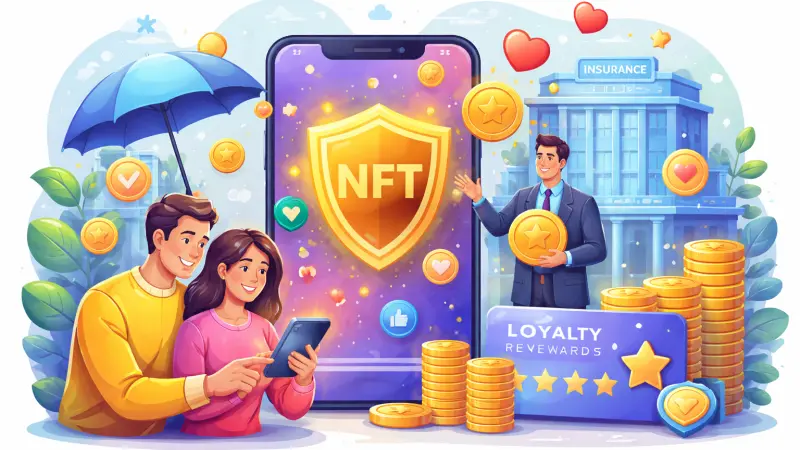
Could a digital token, secured by blockchain technology, be the key to solving the insurance industry's perennial struggle with customer retention? As traditional loyalty schemes face diminishing returns, forward-thinking NFT rewards programs are emerging as a sophisticated tool for British insurers looking to foster deeper connections with a tech-savvy generation. In the UK, where the cost-of-living crisis has made consumers more willing to switch providers for marginal gains, the challenge for insurance firms is to move beyond price-based competition. By introducing non-fungible tokens (NFTs) into their value proposition, firms can offer unique, tradable, and emotionally resonant rewards that transform a standard policy into an interactive membership experience. This shift towards digital asset-based loyalty represents a significant departure from legacy systems, promising a future where protection and digital ownership coexist seamlessly.
The integration of NFTs into the insurance ecosystem is not merely about following a digital trend; it is about addressing the fundamental "engagement gap" in the sector. For most policyholders, the only touchpoints with their insurer occur during renewal or at the point of a claim both of which can be high-friction experiences. Innovative NFT rewards programs allow firms to create a continuous, positive narrative. By gamifying safe driving, healthy living, or proactive home maintenance, insurers can issue digital collectibles that serve as both a badge of honour and a key to tangible benefits. This article examines the strategic deployment of these programs within the UK's regulatory framework, exploring how they can be used to demystify complex financial products while providing policyholders with a sense of belonging and verifiable value that extends far beyond the basic terms of their insurance contract.
To implement such a program successfully, UK insurance firms must navigate a landscape of technological curiosity and regulatory scrutiny. The goal is to move the customer journey from a transactional "grudge purchase" to an aspirational digital partnership. Whether through limited-edition digital art, access to exclusive partner events, or tiered membership levels stored on a public ledger, NFTs provide a transparent and immutable record of loyalty. As we move further into the decade, the insurers who successfully bridge the gap between traditional risk management and the burgeoning digital economy will likely be the ones who capture the highest levels of advocacy. This comprehensive exploration details the mechanics of digital loyalty, the psychological drivers behind asset ownership, and the practical steps required to build a resilient, compliant, and highly engaging rewards ecosystem in the modern British financial landscape.
The Mechanics of Digital Asset Loyalty Schemes
Understanding the underlying technology is essential for any firm considering NFT rewards programs as a primary retention driver. Unlike traditional loyalty points, which are often siloed within a specific company's database and lack external value, NFTs exist on a blockchain, giving the consumer true ownership of their rewards. For a UK policyholder, this means their "loyalty status" is a portable digital asset. If an insurer issues an NFT for five years of accident-free driving, that token can be displayed in a digital wallet, potentially unlocking discounts at partner garages or lower premiums with associated brands. This transparency builds a unique form of trust; the customer knows their loyalty is recorded on a ledger that cannot be arbitrarily changed by the corporation. It shifts the power dynamic, making the reward feel like a earned asset rather than a corporate gift.
Strategically, these programs allow for the creation of "dynamic NFTs" that evolve based on consumer behaviour. Imagine a health insurance policy where the customer receives a digital "seed" NFT upon signing. As they hit their fitness targets or attend annual check-ups, the NFT "grows" or changes its visual attributes, unlocking higher tiers of rewards such as private hospital access or wellness retreats. This visual and interactive progression provides a powerful psychological nudge, encouraging long-term healthy habits that ultimately reduce the insurer's risk profile. In the British market, where health and lifestyle choices are increasingly under the spotlight, such a narrative-driven approach to loyalty can significantly improve brand sentiment while providing the firm with high-quality, engagement-driven data that informs more accurate actuarial modelling over time.
Furthermore, the secondary market potential of NFTs introduces a novel element to insurance loyalty. While firms may restrict the sale of certain tokens to maintain exclusivity, the ability to trade or "burn" tokens for specific services creates a vibrant internal economy. For instance, a small business insurer could issue NFTs that grant the holder "consultancy hours" with industry experts. These tokens could be traded among business owners within the insurer's network, creating a community of mutual support. This ecosystem building is particularly relevant for the UK's SME sector, where networking and professional advice are highly valued. By facilitating these interactions through a secure NFT framework, the insurance firm positions itself not just as a silent backer, but as a central orchestrator of business growth and resilience in a challenging economic environment.
Enhancing Customer Engagement via Gamification
One of the primary advantages of NFT rewards programs is their ability to facilitate gamification within a traditionally "dry" industry. Insurance is often perceived as complex and unengaging, yet by introducing game-like elements—levels, quests, and rare rewards—firms can significantly increase the frequency of app interactions. For a UK insurer, this might involve a "Safe Driver Quest" where users earn specific digital badges for completing winter driving modules or maintaining consistent speeds. These badges, stored as NFTs, can be collected to form "sets" that trigger substantial premium rebates. This transforms the mobile app from a place where one only views documents into a platform for achievement. The psychological satisfaction of completing a collection is a well-documented driver of loyalty that transcends age demographics.
Moreover, the use of NFTs allows for "exclusive access" storytelling. UK insurers can partner with British artists, sports teams, or cultural institutions to offer NFTs that serve as VIP passes. A home insurance provider might offer a limited series of NFTs that grant the holder early access to home improvement exhibitions or priority booking for emergency repairs. This creates a sense of "membership" that is far more compelling than a generic cashback offer. By aligning the brand with the lifestyle interests of the policyholder, the insurer becomes a part of the customer's identity. When the renewal period arrives, the consumer is not just choosing an insurance provider; they are choosing to remain part of an exclusive club that provides tangible, culturally relevant benefits that their competitors simply cannot match.
The gamified approach also helps in educating the consumer about risk. Instead of reading a lengthy PDF about cyber security, a policyholder might play a series of interactive scenarios, earning "Security Tokens" for correct decisions. These tokens can then be used to upgrade their cyber insurance coverage limits or reduce their excess.
This interactive education reduces the likelihood of claims while simultaneously building a positive brand association. In an era where the Financial Conduct Authority (FCA) is heavily focused on "Consumer Understanding" under the new Duty, these gamified NFT programs provide a measurable and effective way to prove that customers are being actively engaged and educated throughout the lifecycle of their policy, rather than just at the point of sale.
Regulatory Compliance and Ethical Considerations in the UK
While the potential for NFT rewards programs is vast, UK insurance firms must tread carefully regarding the regulatory landscape. The FCA has expressed clear views on crypto-assets and their promotion, particularly concerning high-risk investments. It is crucial that insurance NFTs are framed strictly as loyalty rewards with no "investment" or "speculative" promise. The marketing must be informational and focused on the utility of the token—such as unlocking discounts or services—rather than potential price appreciation. British firms must ensure that their programs do not inadvertently fall into the category of "regulated activities" involving crypto-investments, which requires a robust legal framework and clear communication to ensure consumers are not misled about the nature of the digital assets they are receiving.
Data privacy and security under UK GDPR are also paramount. Since NFTs are hosted on blockchains, which are often immutable and transparent, firms must ensure that no Personal Identifiable Information (PII) is stored directly on the chain. Instead, the NFT should act as a "pointer" to a secure, private database where the customer's sensitive information is kept. This hybrid approach allows the firm to leverage the benefits of blockchain transparency while adhering to strict British privacy standards. Additionally, the environmental impact of certain blockchain networks remains a concern for the ESG-conscious British consumer. Insurers should prioritise "Proof of Stake" networks or Layer-2 solutions that offer low carbon footprints, ensuring that their loyalty program aligns with their broader corporate social responsibility goals and public commitments to net-zero targets.
Ethical considerations also extend to digital inclusion. While many UK consumers are comfortable with digital wallets, a significant portion of the population may feel excluded by a purely NFT-based loyalty scheme. Successful firms will implement "phygital" (physical and digital) strategies, where the NFT acts as a digital twin to a physical reward or where the technical complexity is abstracted away behind a user-friendly interface. A customer shouldn't need to be a "crypto expert" to enjoy the benefits of the program. By focusing on the user experience and providing comprehensive support, insurers can ensure that their innovation serves all segments of their customer base, maintaining the industry's commitment to fair treatment of customers and ensuring that technological progress does not come at the expense of accessibility for older or less tech-literate policyholders.
Measuring ROI and Long-Term Brand Equity
For a UK insurance board to sanction the budget for NFT rewards programs, the return on investment (ROI) must be clearly demonstrable. Unlike traditional advertising, which can be difficult to track, blockchain analytics provide a wealth of data on how customers are interacting with their rewards. Firms can track the "velocity" of tokens, how often they are used to claim benefits, and the correlation between NFT engagement and policy renewal rates. Initial data from global pioneers suggests that customers engaged in digital asset loyalty programs have a significantly higher "Lifetime Value" (LTV) than those on traditional schemes. By reducing churn—even by a few percentage points—the program can pay for itself many times over, particularly in the competitive UK motor and home insurance sectors.
Beyond immediate financial metrics, the impact on brand equity is profound. An insurer that successfully implements a modern digital loyalty program is perceived as an innovator, attracting a younger, more affluent demographic. It changes the brand's narrative from "old-fashioned and bureaucratic" to "modern and forward-thinking." This "halo effect" can improve the efficacy of all other marketing efforts. Furthermore, the data gathered through engagement with NFTs allows for more sophisticated customer segmentation. Firms can identify their "super-fans" and offer them bespoke opportunities, creating a tier of brand advocates who provide organic, high-trust referrals. In the UK, where trust in financial institutions is often fragile, these advocates are a priceless asset that can drive sustainable, long-term growth.
Ultimately, the goal is to create a "sticky" ecosystem. When a customer has built up a significant collection of achievement-based NFTs with one insurer, the "switching cost" becomes more than just financial; it becomes emotional and status-driven. Leaving the insurer would mean abandoning their digital history and the exclusive benefits they have earned through years of safe or healthy behaviour. This creates a powerful barrier to exit that is based on positive reinforcement rather than punitive contract terms. By investing in NFT rewards programs today, UK insurance firms are essentially building the infrastructure for a new era of customer relationship management, where loyalty is a tangible, verifiable, and mutually beneficial asset that evolves alongside the customer's life journey.
Frequently Asked Questions
What are NFT rewards programs in insurance?
They are loyalty schemes where customers earn non-fungible tokens (digital assets on a blockchain) for positive behaviours, which can be used to unlock exclusive benefits or discounts.
Are these NFTs an investment for the customer?
No, in a compliant insurance loyalty program, NFTs are designed for utility and rewards, not as financial investments or speculative assets.
How do NFTs help with customer retention?
They create a sense of ownership, gamify the experience, and offer unique benefits that make switching to a competitor less appealing.
Is blockchain technology safe for insurance data?
Yes, when used correctly with a hybrid approach that keeps personal data in secure private databases while using the blockchain for token verification.
Do I need to be a tech expert to use these rewards?
Leading insurers design their apps so the "NFT" part is hidden behind a simple interface, making it as easy to use as traditional digital coupons.
What are the environmental impacts of these programs?
Most modern insurers use "Proof of Stake" blockchains, which are highly energy-efficient and have a minimal carbon footprint compared to older technologies.
Can NFT rewards be used for B2B insurance?
Absolutely; they can be used to reward businesses for risk management milestones, providing access to professional services or industry events.
Are these programs regulated by the FCA?
While the rewards themselves may not be regulated products, the way they are marketed and their impact on consumer understanding fall under FCA oversight and the Consumer Duty.
Strategic Partnerships and the Future of the Ecosystem
The future of NFT rewards programs in the UK insurance sector lies in cross-industry collaboration. No insurer is an island, and the most successful tokens will be those that unlock value across a broad network of partners. A life insurer might partner with high-street gyms, health food retailers, and mental health apps to create a unified "Wellbeing NFT." This ecosystem approach makes the reward infinitely more valuable to the consumer, as it integrates into their daily life. For the insurer, these partnerships provide a source of "warm leads" and a way to share the costs of the loyalty program. It creates a "network effect" where the value of the NFT grows as more partners join the scheme, further entrenching the insurer at the centre of the customer's digital lifestyle.
As the "Metaverse" and Web3 technologies continue to mature, the role of these NFTs will likely expand. A digital token earned through a UK car insurance policy could potentially be used to customise an avatar in a virtual world or gain access to virtual branded spaces. While this may seem futuristic, the groundwork is being laid now.
Insurers who understand the importance of digital identity will be best positioned to serve the customers of 2030 and beyond. The transition from physical documents to digital assets is inevitable, and NFTs represent the most secure and flexible way to manage this transition. By starting with simple, utility-focused rewards, British firms can build the technical competency and customer trust required to lead this digital revolution, ensuring they remain relevant in an increasingly decentralised financial world.
In conclusion, the adoption of NFT rewards programs represents a transformative opportunity for the UK insurance industry to redefine customer loyalty. By leveraging blockchain technology to create transparent, engaging, and valuable digital assets, firms can overcome the traditional barriers to consumer engagement. This innovative approach fosters a sense of ownership and community that price-cuts alone cannot achieve. In an increasingly digital marketplace, maintaining a strong and recognisable presence is vital. For UK businesses aiming to enhance their online profile and reach new demographics, being listed in a free business search directory is a foundational step. By engaging with a Local Page UK and ensuring their details are present in a free company search directory or a wide-reaching company directory online, firms can improve their discoverability. Ultimately, a verified business directory provides the necessary visibility for innovative companies to thrive, ensuring that their modern loyalty initiatives are seen by the right audience and helping to improve online visibility for businesses across the United Kingdom.
Disclaimer: The information provided in this article is for general informational and research purposes only. Company details, features, services, and market positions may change over time. Readers are advised to visit official company websites and conduct independent research before making any business decisions or purchasing services.
Most Searchable Keywords
Recent Blogs


Related Listings
Categories
- Accountants (295)
- Advertising Agencies (559)
- Architects (149)
- Automobiles (377)
- Beauty (300)
- Carpenters (146)
- Cleaning Services (387)
- Dentists (189)
- Driving (62)
- Education (1)
- Electricians (215)
- Energy (8)
- Event Organiser (686)
- Finance (602)
- Guide (3381)
- Health (2207)
- Information technology (206)
- Legal Services (359)
- Logistics (6)
- Maintenance (65)
Sponsored Listings in Home and Garden

Related Blogs

Strictly Come Dancing Pros Net Worth Salary a...
Read this insightful article "Strictly Come Dancing Pros Net Worth Salary and Personal Life" to expand your knowledge!

Britains Richest Authors Ranked for 2026 by N...
Read this insightful article "Britains Richest Authors Ranked for 2026 by Net Worth" to expand your knowledge!

Why Basel Market Risk Deadline Has Shifted to...
Read this insightful article "Why Basel Market Risk Deadline Has Shifted to 2028" to expand your knowledge!
Questions & Answers – Find What
You Need, Instantly!
How can I update my business listing?
Is it free to manage my business listing?
How long does it take for my updates to reflect?
Why is it important to keep my listing updated?
