
How to Choose a Water Purification Service Provider in UK
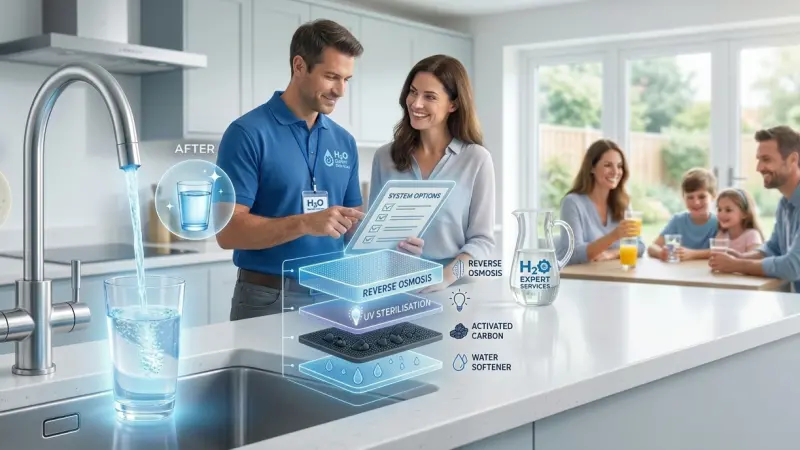
Have you ever paused to consider the complex journey water takes before it reaches your kitchen tap? While the United Kingdom boasts some of the highest water quality standards globally, an increasing number of households and businesses are seeking more refined solutions. Selecting a professional water purification service provider is no longer just a luxury for the health-conscious; it has become a practical necessity for those dealing with hard water scaling, aged piping systems, or specific filtration preferences. Navigating the myriad of local services requires a clear understanding of your specific needs and the technical expertise offered by various industry specialists.

Understanding the Need for Water Purification in the UK
The UK's water landscape is diverse. In regions like the South East and East Anglia, "hard water" is a prevalent issue caused by high concentrations of calcium and magnesium. Conversely, while Scotland and the North West often enjoy "soft" water, they may face different challenges related to lead piping in older properties or residual chlorine used during the disinfection process. A professional service provider helps bridge the gap between standard municipal supply and the bespoke quality required for sensitive appliances, premium drinking water, or industrial processes.
Key Factors When Selecting a Service Provider
Choosing the right partner for your water health involves more than a simple price comparison. It requires a deep dive into their credentials, the technology they employ, and their long-term support structure.
1. Technical Expertise and Accreditation
The first benchmark of a reputable provider is their adherence to UK standards. Look for companies that employ engineers certified by recognized bodies. Membership in the Water Quality Association (WQA) or the UK Water Treatment Association (UKWTA) often indicates a commitment to industry best practices. Furthermore, ensure that any equipment installed complies with the Water Regulations Advisory Scheme (WRAS), which confirms that the materials and fittings do not contaminate the water supply or cause waste.
2. Comprehensive Water Testing Services
A trustworthy provider will rarely suggest a solution without first performing a thorough analysis of your current supply.
Professional water testing should examine several variables, including:
- Hardness Levels: Measured in degrees Clark or mg/L of calcium carbonate.
- PH Levels: To ensure the water is not overly acidic, which can corrode pipes.
- Contaminant Presence: Checking for nitrates, lead, copper, or chlorine by-products.
- Microbiological Safety: Particularly vital for those using private boreholes or wells.
3. Range of Filtration Technologies
Every property has unique requirements. A specialist provider should offer a variety of technologies rather than a "one size fits all" product. Common solutions include:
- Reverse Osmosis (RO): Ideal for high-purity drinking water, removing up to 99% of dissolved solids.
- Ion Exchange Softeners: The gold standard for tackling limescale in hard water areas.
- Activated Carbon Filters: Excellent for removing unpleasant tastes and odours, particularly chlorine.
- UV Sterilisation: A chemical-free method to neutralise bacteria and viruses, often used in rural settings.
Evaluating Maintenance and Aftercare
Water purification systems are not "set and forget" installations. They require regular maintenance to remain effective and hygienic. When interviewing potential providers, enquire about their service contracts. Do they offer automated reminders for filter changes? What is their response time for emergency repairs? A provider with a robust local presence in the UK will typically offer more reliable aftercare than a distant manufacturer with no local engineering footprint.
Transparency in Pricing and Estimates
A professional organisation will provide a clear, itemised quote. This should include the cost of the unit, installation fees, and an estimate of annual running costs (such as replacement filters or salt for softeners). Beware of providers who use "scare tactics" regarding tap water quality to drive sales; the focus should always be on factual improvements and the specific benefits of the proposed system.
The Role of Local Knowledge
Local providers often have a better grasp of the specific hydrogeology of your area. For instance, a provider based in Kent will be intimately familiar with the extreme limescale issues of the region, whereas a specialist in Cornwall might focus more on removing mineral particulates or acidity.
This local insight ensures that the system recommended is perfectly tuned to the chemical profile of the water entering your property.
Environmental Considerations
In the modern era, sustainability is paramount. Ask your provider about the water efficiency of their systems—particularly with Reverse Osmosis, which can produce waste water. Modern, high-efficiency systems are designed to minimise this footprint. Additionally, consider how the reduction in plastic bottled water consumption, facilitated by a home purification system, contributes to your overall environmental goals.
Last Look
Ultimately, the objective of engaging a specialist is to achieve peace of mind regarding the water your family or employees consume daily. By prioritising technical accreditation, local expertise, and transparent maintenance schedules, you ensure a long-lasting and effective solution. For those looking to find reputable specialists or to explore a business listing uk, platforms like Local Page UK provide a valuable resource for identifying trusted professionals. If you are a service provider yourself, participating in free business directories uk can significantly enhance your visibility to local clients. Utilising a uk business directory free of charge is a strategic way for small firms to grow, ensuring that an online business directory uk free for all users remains a cornerstone of community commerce and local service discovery.
Frequently Asked Questions
Most domestic systems require a professional check-up once every 12 months. However, sediment filters might need replacing every
6 months depending on the volume of water used and the quality of the incoming supply.
This depends on your goal. A water softener specifically removes minerals that cause limescale (calcium and magnesium), protecting your plumbing. A water filter improves the safety and taste of the water by removing contaminants and chemicals.
Yes, UK mains water is among the safest in the world. Purification services are typically sought to improve taste, remove specific local contaminants like lead from old pipes, or to prevent limescale damage to appliances.
While some point-of-use filters are simple, whole-house systems usually require professional installation to ensure compliance with UK water regulations and to prevent leaks or cross-contamination.
WRAS approval indicates that a product has been tested to ensure it doesn't contaminate water or waste it.
Using WRAS-approved components is a legal requirement for many plumbing installations in the UK.
Costs vary significantly. A simple under-sink filter may cost £150-£300, while a comprehensive whole-house softener and filtration suite can range from £800 to over £2,000 depending on the property size.

Disclaimer: The information provided in this article is for general informational and research purposes only. Company details, features, services, and market positions may change over time. Readers are advised to visit official company websites and conduct independent research before making any business decisions or purchasing services.
Most Searchable Keywords

Recent Blogs



Related Listings


Categories
- Accountants (295)
- Advertising Agencies (559)
- Architects (149)
- Automobiles (377)
- Beauty (300)
- Carpenters (146)
- Cleaning Services (386)
- Dentists (189)
- Driving (62)
- Electricians (215)
- Energy (8)
- Event Organiser (685)
- Finance (598)
- Guide (3364)
- Health (2207)
- Information technology (206)
- Legal Services (353)
- Logistics (6)
- Maintenance (65)
- Manufacturing (35)

Sponsored Listings in Plumbers

Related Blogs

Where to Find the Best Summer Festivals in Br...
Read this insightful article "Where to Find the Best Summer Festivals in Bristol" to expand your knowledge!

Provisional Driving Licence UK Benefits and L...
Read this insightful article "Provisional Driving Licence UK Benefits and Limits Explained" to expand your knowledge!

Ross on Wye Minibus Hire for Group Travel Mad...
Read this insightful article "Ross on Wye Minibus Hire for Group Travel Made Simple" to expand your knowledge!
Questions & Answers – Find What
You Need, Instantly!
How can I update my business listing?
Is it free to manage my business listing?
How long does it take for my updates to reflect?
Why is it important to keep my listing updated?
