
How to Choose Ethical and Reputable Horse Breeders & Dealers
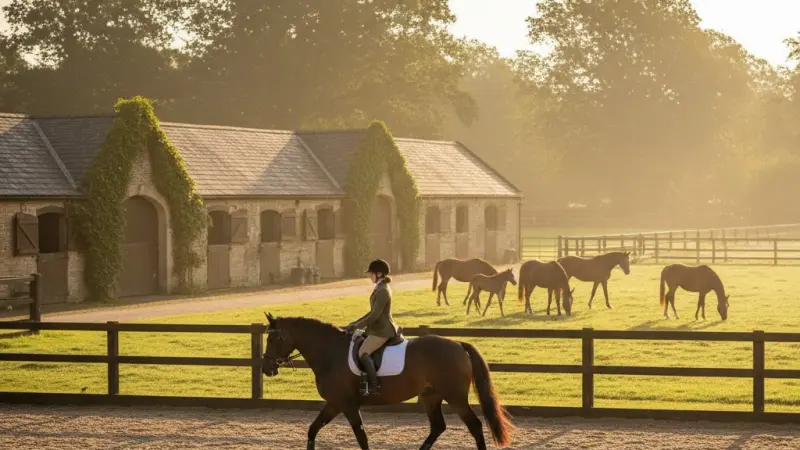
The equestrian sector in the United Kingdom is far more than a recreational pastime; it is a sophisticated, multi-billion pound pillar of the British rural economy. Representing an estimated £5 billion in annual economic value, the "Breeders & Dealers – Horses" niche serves as the foundational engine of this industry. From the high-stakes world of Thoroughbred racing to the grassroots of pony club competition, the ethics and professional standards of breeders and dealers dictate the long-term health, performance, and welfare of the nation’s equine population.

For the prospective owner, navigating this landscape requires a blend of business acumen and emotional intelligence. Choosing a horse is a significant financial investment and a decade-long commitment. However, the market is historically fragmented, ranging from world-renowned studs to smaller, independent traders. In an era where digital presence is paramount, finding a reputable partner often starts with a reliable uk online business directory, which helps bridge the gap between rural stables and urban-based buyers.
Ethical breeding is the practice of producing horses with a focus on health, temperament, and "fitness for purpose," rather than purely for aesthetic or short-term profit. Reputable dealers, similarly, act as vital intermediaries who ensure that a horse’s capabilities match the rider's skill level. As we delve into this guide, we will explore the intricacies of the UK market, the evolution of digital trade, and the rigorous criteria consumers should apply to ensure their next equine partner comes from a source that prioritizes welfare over the bottom line.
The Landscape of Breeders & Dealers – Horses in the UK
The UK horse market is a diverse ecosystem characterized by deep historical roots and regional specialisation. Traditionally, areas like Newmarket (Suffolk) have remained the global epicentre for Thoroughbred breeding, while regions such as the West Country and Northern England are famed for hardy native breeds and sport horse production. According to recent industry reports, there are over 4.3 million people in the UK who connect with horses, supported by thousands of registered breeding and dealing businesses.
The post-pandemic era has significantly reshaped this landscape. During the initial lockdowns, the industry experienced an unprecedented "boom." Demand for horses surged as individuals sought outdoor pursuits and "lifestyle" changes, leading to a market where horses were often sold unseen within hours of an advert being posted. However, by 2025 and 2026, the market has entered a "cooling" phase. Rising inflation and the cost-of-living crisis have increased the price of hay, bedding, and veterinary care, making horse ownership a more considered financial decision.
This shift has forced a "survival of the fittest" among professionals. To remain competitive, modern breeders and dealers have had to embrace digital transparency. The traditional "word of mouth" recommendation, while still vital, has been augmented by the need to appear in a high-quality uk business directory. Today’s savvy buyers conduct extensive pre-purchase research online, looking for digital footprints that prove a dealer's longevity and consistency. Furthermore, the industry is seeing a consolidation of power, with elite operations thriving through international exports, while smaller local dealers rely on building trust within their immediate communities through verified online profiles.
Comprehensive Services Breakdown
The services provided by professional horse breeders and dealers go far beyond the mere sale of an animal. This sector provides a complex array of specialised products and expertise designed to support a horse from conception through to its competitive peak.
1. Stud and Breeding Services
At the heart of the industry is the stud farm. Ethical breeders offer stallion services (natural cover or Artificial Insemination), foaling livery, and "youngstock" rearing. These facilities are often equipped with modern laboratories for semen evaluation and storage. In recent years, embryo transfer has become more accessible, allowing high-performance mares to produce offspring while continuing their competitive careers.
2. Production and Producing
Dealers often act as "producers." This involves taking a "green" or inexperienced horse and providing it with a professional education. This service is invaluable for amateur riders who may not have the skill to train a young horse safely. A reputable producer will show a horse under saddle, providing videos and evidence of the horse's progress in various environments, such as cross-country, showjumping, or dressage.
3. Sourcing and Importers
Many top-tier dealers specialise in importing quality sport horses from Ireland and Europe (notably the Netherlands, Germany, and Belgium). They handle the logistical complexities of transport, health papers, and VAT, providing a "turnkey" solution for buyers looking for specific bloodlines.
4. Consignment Sales
For owners who need to sell a horse but lack the facilities or time, many dealers offer "sales livery." The dealer takes the horse, improves its fitness and schooling, manages the marketing, and handles all viewings. To find these specialised service providers, many owners now turn to a business listing uk to identify local yards that offer transparent commission-based sales models.
How to Choose the Right Service Provider
Selecting an ethical breeder or dealer is a process of due diligence. Because the horse industry is largely self-regulated, the onus is on the consumer to verify the credentials of the seller.
Accreditations and Affiliations
Check if the breeder is a member of a recognised Breed Society or Studbook (e.g., the British Hanoverian Horse Society or the Thoroughbred Breeders' Association). For dealers, look for those who are members of the British Equestrian Trade Association (BETA). These affiliations often mandate a code of conduct regarding horse welfare and business transparency.
Reviews and Reputation
In the digital age, a business's reputation is visible for all to see. Look for local business listings uk that include verified customer feedback. Be wary of sellers with no online history or those who only operate through temporary social media profiles. A reputable business will have a physical address, a professional website, and a history of positive interactions within the local equestrian community.
Vetting and Transparency
An ethical dealer will always encourage a Pre-Purchase Examination (PPE) or "vetting" by an independent veterinarian of your choice. They should provide a full medical history, including vaccination records and passport details.
If a seller pressures you to skip a vetting or insists you use "their" vet, treat this as a significant red flag.
Insurance and Contracts
Always ensure the dealer has Public Liability insurance and that they provide a written Sales Agreement. This contract should clearly state the horse’s description, the purchase price, and any warranties (such as being "vice-free"). Under the Consumer Rights Act 2015, if you buy from a professional dealer, you have more protection than in a private sale, provided the business is legally registered.
Industry Challenges & Future Outlook
The UK equestrian industry is currently navigating a period of rapid transition, driven by environmental concerns, technological advancements, and shifting public perceptions of animal welfare.
The Sustainability Shift
Climate change is directly impacting the industry through volatile hay yields and the increased cost of land management. Consequently, we are seeing a rise in "green" initiatives among top-tier breeders. This includes the implementation of regenerative grazing patterns, the use of biodegradable bedding, and a move toward carbon-neutral stable designs. Professionals who highlight these sustainable practices often find greater success in attracting the modern, eco-conscious equestrian.
Technology and Traceability
Digital passports and microchipping are now mandatory in the UK, but the next frontier is blockchain-based traceability for pedigrees and medical records. This technology aims to eliminate "passport fraud" and ensure that a horse’s history is immutable. Furthermore, "AI-driven matchmaking" platforms are emerging, helping dealers use data to match a horse’s temperament and stride length to a specific rider’s profile.
Regulatory Changes
Following the UK's departure from the EU, "high health status" movements for horses have become more administratively complex. Breeders and dealers must stay abreast of evolving DEFRA regulations. To keep up with these shifts, businesses often list themselves on a business listing uk to ensure they are connected with broader trade networks that provide regulatory updates.
Business Tips for Breeders & Dealers – Horses Professionals
For professionals in this sector, the challenge is no longer just about breeding a champion; it is about being discovered in a crowded digital marketplace.
1. Optimise for Local Search
Equestrianism is inherently local. Buyers usually start their search within a 50-mile radius of their home. Therefore, having your business appear in uk service listings is crucial. Ensure your Google Business Profile is up to date and that you are active on local community forums.
2. High-Quality Content Marketing
A "blurry photo in a field" is no longer an acceptable standard for selling a horse. Professional dealers invest in high-definition videography, including footage of the horse being caught, groomed, and ridden by both professional and amateur riders. This builds "virtual trust" before the buyer even sets foot on your yard.
3. Transparency as a USP
The most successful modern dealers are those who are "brutally honest." Highlighting a horse's quirks alongside its strengths prevents "mismatched" sales, which lead to negative reviews and returned horses. This level of integrity is what helps a business rise to the top of any uk verified business listings.
4. Leverage Directories
Don't rely solely on social media algorithms, which can hide your posts. Listing your stud or training facility in a dedicated uk business directory website ensures a permanent, searchable presence that works for you 24/7.
Wrapping Up & Local Page Integration
The "Breeders & Dealers – Horses" sector remains a vital, vibrant, and resilient part of the British economy. As we have explored, the key to success for both buyers and sellers lies in the intersection of traditional horsemanship and modern digital transparency. Whether you are a breeder looking to showcase your latest foal crop or a buyer searching for a reputable dealer, the importance of verified information cannot be overstated.
In a market where trust is the primary currency, Local Page UK provides the essential infrastructure for discovery. It serves as the premier uk local business directory, connecting high-quality equine professionals with the dedicated community of UK horse lovers. By centralising information and fostering transparency, we ensure the British equestrian industry continues to thrive for generations to come.
Boost Your Visibility with Local Page UK
For businesses in the Breeders & Dealers – Horses sector, being found online is no longer optional—it is critical. In a landscape where the "pandemic boom" has cooled, your digital reputation and visibility are what set you apart from the competition. Local Page UK is designed to help high-quality British businesses reach their local audience effectively. We encourage all horse professionals—from stud owners to sport horse dealers—to business listing uk today. Claiming your spot on our platform allows you to reach more customers, build verified trust, and ensure your business remains at the forefront of the UK equestrian market.
Frequently Asked Questions
1. What is the first thing I should check when visiting a horse dealer?
You should immediately ask to see the horse's passport. A reputable dealer will have the passport on-site and ready for inspection. Ensure the microchip number matches the documentation and check for a clear history of ownership.
Additionally, observe the general condition of the yard; a clean, well-managed environment usually reflects the standard of care given to the animals.
2. Is it better to buy from a breeder or a dealer?
Buying from a breeder allows you to see the horse's parents and understand its upbringing from day one, which is ideal if you want a young horse. Dealers, however, often have a wider variety of "ready-to-go" horses and can offer more protection under consumer law. The best choice depends on your experience level and whether you want a "blank canvas" or a horse with a proven competition record.
3. How can I verify a horse dealer's reputation online?
The most effective way is to look for their business on a uk local business search. These platforms provide verified listings where you can see how long the business has been operating and read reviews from previous buyers. You should also check equestrian forums and local "word of mouth" groups to see if there are any consistent patterns of feedback regarding their horses.
4. What protection do I have if the horse I buy is "not as described"?
If you purchase from a professional dealer (rather than a private individual), you are protected by the Consumer Rights Act 2015. This states that the "goods" (the horse) must be of satisfactory quality, fit for purpose, and as described. If the horse has a significant pre-existing condition that was not disclosed, you may have the right to a refund or replacement within the first 30 days.
5. How do I find reputable horse breeders in my specific county?
You should utilise a high-quality Localpage to filter businesses by region and specialisation. This allows you to find breeders who focus on specific breeds—like Shire horses or British Sports Horses—within your local area, saving you time on travel and ensuring you support the local rural economy.
6. Should I always get a vetting done on a new horse?
Yes, absolutely. A Pre-Purchase Examination (PPE) by an independent vet is the most important step in the buying process. It identifies potential lameness, heart issues, or respiratory problems that aren't visible to the naked eye. Even for lower-priced horses, the cost of a vetting is a fraction of the potential long-term veterinary bills for an unsound animal.
7. What are the signs of an unethical horse dealer?
Red flags include refusing to allow a vetting, rushing the sale, or having a "no returns" policy (which is often illegal for professional dealers). Also, be cautious if the horse appears "dull" or overly quiet during the first viewing but very different on the second; this can occasionally indicate the use of sedatives, which is why blood tests during vettings are recommended.
8. Can I buy a horse "unseen" if the dealer has good videos?
While this became common during the pandemic, it is generally discouraged unless you are working with a highly trusted agent or dealer you have used before. Videos can be edited, and they don't allow you to feel the horse's temperament or "spirit" in person. If you must buy unseen, ensure you have a contract that includes a trial period or a return policy.
9. What is "sales livery" and how does it benefit a seller?
Sales livery is where you pay a professional dealer to school and sell your horse for you. This is beneficial because the dealer has the facilities, the marketing reach, and the "nerves" to handle difficult viewings. They often achieve a higher price for the horse than a private seller could, which typically covers their commission and livery fees.
10. How much should I expect to pay for a quality amateur-friendly horse?
Prices vary wildly, but as of 2026, a safe, "all-rounder" horse with some competition experience typically ranges between £7,000 and £12,000. Prices have increased significantly due to the rising costs of production and the scarcity of truly "safe" horses. Remember that the purchase price is just the beginning; the monthly upkeep is the most significant financial factor.
11. Are there specific British breeds that are easier for beginners?
British Native breeds (the "M&M" breeds) like the Connemara, Welsh Section D, or the Highland Pony are renowned for their hardiness and sensible temperaments. Many amateur-friendly "cobs" are also highly sought after for their versatility. However, temperament is individual, so always judge the horse in front of you rather than just the breed.
12. How do I know if a breeder prioritizes welfare?
An ethical breeder will be happy to show you where the horses live, including their grazing and stable conditions. They will be knowledgeable about the sire and dam’s health tests and will often "vet" the buyer to ensure the foal is going to a suitable home. If they seem more interested in your money than your experience level, they may not be welfare-focused.
13. What is the significance of a "five-stage" vetting?
A five-stage vetting is the most comprehensive exam, involving a clinical exam, trot-up, strenuous exercise, a period of rest, and a final foot-and-eye exam. It is designed to see how the horse's body reacts under pressure. For many insurance companies, a five-stage vetting is required to provide full "loss of use" cover.
14. How can technology help me as a horse buyer?
Technology allows you to see more than ever before. You can request "live" video calls to see the horse being tacked up or loaded into a trailer. Thermal imaging and gait analysis apps are also becoming more common during the vetting process, providing objective data on a horse's movement and potential "hot spots" of inflammation.
15. Where is the best place to start my search for a local horse professional?
The best place to start is a trusted Local page. By using a dedicated directory, you avoid the noise of general social media and can focus on businesses that have taken the time to establish a professional, verifiable online presence within the UK market.

Disclaimer: The information provided in this article is for general informational and research purposes only. Company details, features, services, and market positions may change over time. Readers are advised to visit official company websites and conduct independent research before making any business decisions or purchasing services.
Most Searchable Keywords

Recent Blogs

Related Listings

Categories
- Accountants (295)
- Advertising Agencies (559)
- Architects (149)
- Automobiles (377)
- Beauty (300)
- Carpenters (146)
- Cleaning Services (386)
- Dentists (189)
- Driving (62)
- Electricians (215)
- Energy (8)
- Event Organiser (685)
- Finance (599)
- Guide (3365)
- Health (2207)
- Information technology (206)
- Legal Services (353)
- Logistics (6)
- Maintenance (65)
- Manufacturing (35)

Sponsored Listings in Locksmith Services


Related Blogs

Gen Z Political Reporters and News Creators i...
Read this insightful article "Gen Z Political Reporters and News Creators in the UK" to expand your knowledge!

Famous Female Social Media Influencers Across...
Read this insightful article "Famous Female Social Media Influencers Across the UK" to expand your knowledge!

Your UK Sponsor Licence 2026 Step by Step Gui...
Read this insightful article "Your UK Sponsor Licence 2026 Step by Step Guide" to expand your knowledge!
Questions & Answers – Find What
You Need, Instantly!
How can I update my business listing?
Is it free to manage my business listing?
How long does it take for my updates to reflect?
Why is it important to keep my listing updated?
