
How to Choose Reliable Bulb Growers & Horticultural Suppliers
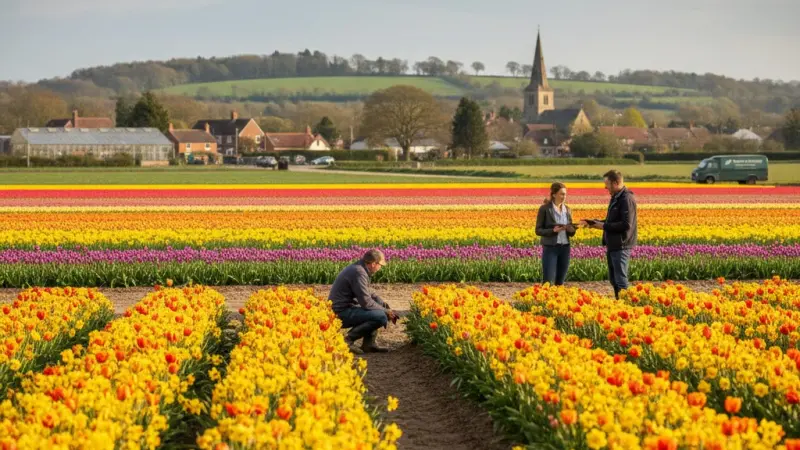
The horticultural sector is a cornerstone of the British economy, contributing billions in Gross Value Added (GVA) and supporting hundreds of thousands of jobs across the United Kingdom. Within this sprawling industry, the production and supply of flower bulbs represent a specialized and culturally significant niche. From the iconic daffodil fields of Lincolnshire to the heritage bluebells of the Scottish Highlands, the UK’s bulb-growing heritage is world-renowned. Choosing the right supplier is not merely a matter of aesthetic preference; it is a critical business decision for landscapers, local authorities, and retail garden centres who depend on the biological integrity and seasonal reliability of these products.

For those navigating this market, the first step often involves a search through a uk business directory website to identify established growers with a verifiable history. The sector’s economic importance extends beyond direct sales. It fuels the UK's thriving tourism industry through garden visits and supports a complex logistics network. As consumers increasingly prioritize domestic provenance and environmental stewardship, the pressure on horticultural suppliers to demonstrate transparency has never been higher. This guide provides an in-depth analysis of how to navigate the UK supplier landscape, ensuring that your horticultural investments yield healthy, vibrant results for years to come.
The Landscape of Bulb Growers & Suppliers in the UK
The UK’s bulb-growing industry is characterized by a mix of historic family-run farms and large-scale industrial producers. Post-pandemic, the market has seen a significant shift. While the global supply chain was disrupted, UK growers stepped up to meet a domestic demand surge as "stay-at-home" gardening became a national pastime. Today, the market size continues to grow, bolstered by a renewed interest in biodiversity and "rewilding" projects that require vast quantities of naturalising bulbs.
Key regions of activity remain concentrated in areas with optimal soil conditions. South Lincolnshire, particularly around Spalding, remains the "bulb capital" of the UK, while the Scilly Isles and parts of Cornwall lead the way in early-season production. The evolution of the industry post-pandemic has seen a rapid digital transformation. Traditional growers who once relied solely on trade shows and word-of-mouth are now prominently featured in a uk online business directory to capture the growing B2B and B2C digital markets. This shift toward online visibility has leveled the playing field, allowing smaller, specialist growers of rare or heritage varieties to compete with international wholesalers.
Comprehensive Services Breakdown
Horticultural suppliers in the UK offer far more than just a bag of dry bulbs. Their service portfolios have expanded to include technical consultancy, custom planting plans, and "pre-planted" solutions for urban environments. Understanding these services is essential for procurement managers and domestic enthusiasts alike.
Wholesale Bulb Supply: The core of the industry involves the bulk distribution of Narcissus, Tulipa, Crocus, and Allium varieties. High-quality suppliers provide graded bulbs, ensuring uniformity in size and flowering time.
Specialist and Heritage Varieties: Some growers focus exclusively on rare or native UK species, such as the Galanthus nivalis (Snowdrop) or Hyacinthoides non-scripta (English Bluebell).
Contract Growing: For large-scale infrastructure or estate projects, suppliers can be contracted to grow specific quantities and varieties over multiple seasons.
Export and Documentation: Post-Brexit, the complexity of plant health certificates (Phytosanitary Certificates) has made the role of the supplier even more technical.
Businesses looking for these niche services can easily find specialist partners by browsing business listing uk platforms that categorize growers by their specific horticultural expertise. This breakdown of services ensures that whether you are a local council looking for thousands of bedding plants or a florist seeking unique floral architecture, the right provider is accessible.
How to Choose the Right Service Provider
Selecting a horticultural partner requires more than just price comparison. The biological nature of the product means that "cheap" often leads to "expensive"
failures if the bulbs are diseased or poorly stored. When evaluating a supplier, look for the following "Gold Standards":
Accreditations: Look for membership in the Horticultural Trades Association (HTA) or the Ornamental Horticulture Roundtable Group. These bodies ensure that growers adhere to best practices regarding biosecurity and sustainability.
Reviews and Local Reputation: In the digital age, social proof is paramount. High-quality suppliers will have visible feedback on local business listings uk, where other professionals and consumers share their experiences regarding delivery times and plant health.
Insurance and Liability: Ensure the supplier has appropriate product liability insurance, particularly for large-scale landscaping contracts where a failure to thrive could result in significant financial loss.
Biosecurity Protocols: A reliable grower will have strict "Plant Passport" protocols in place to prevent the spread of pests like the Lily Beetle or fungal pathogens.
By prioritizing these factors, you ensure that your garden or landscape project is built on a foundation of health and professional integrity.
Industry Challenges & Future Outlook
The UK horticultural sector is currently at a crossroads, facing significant regulatory changes and technological shifts. The most pressing challenge is the transition toward peat-free production. While bulbs themselves are grown in the ground, the associated composts and nursery products must now align with the UK government’s sustainability mandates. Furthermore, climate change is shifting planting and blooming cycles, forcing growers to adopt advanced meteorological tracking and soil sensors.
Sustainability is no longer a "nice to have"; it is a regulatory requirement. Many growers are now investing in water reclamation systems and solar-powered cold storage facilities to reduce their carbon footprint. To help businesses navigate these greener options, many eco-conscious suppliers are listing their green credentials on a business listing uk to attract modern, environmentally aware clients. The future will likely see a greater integration of AI in predicting crop yields and robotic harvesting, ensuring the UK remains a global leader in horticultural innovation despite labor shortages and shifting trade barriers.
Business Tips for Bulb Growers & Suppliers Professionals
For professionals operating within this niche, the competition is fierce. Marketing a local horticultural business requires a blend of traditional expertise and modern digital savvy. Even the most skilled grower will struggle if they are invisible to potential clients searching online.
Hyper-Local SEO: Ensure your business is registered on every relevant uk professional services listings platform. This ensures that when a local landscaper searches for "bulb growers near me," your farm or nursery appears at the top of the results.
Visual Content: Horticulture is a visual industry. Use high-quality photography of your blooms on your digital profiles.
Educational Marketing: Provide value by publishing planting guides and seasonal calendars. This
establishes your business as an authority rather than just a vendor.
Networking: Utilize B2B directories to connect with landscape architects and interior designers who require consistent floral supplies.
Digital visibility is the modern equivalent of a high-street storefront. Without it, you are ceding market share to competitors who may have inferior products but superior online presence.
Wrapping Up & Local Page Integration
The Bulb Growers & Horticultural Suppliers industry is an indispensable part of the UK’s national identity and economic health. From the domestic gardener to the commercial developer, the quality of bulbs sourced today determines the beauty of the landscape tomorrow. As we have explored, the key to success in this sector lies in choosing suppliers who balance traditional growing wisdom with modern technological and environmental standards.
For businesses looking to thrive in this space, or for consumers searching for the best local talent, Local Page provides the essential bridge. As a premier uk local business directory, it simplifies the process of discovery, vetting, and connection. In an era where "buying local" and "supporting British" are more than just slogans, having a centralized hub for verified horticultural excellence is vital for the continued growth of the industry.
Boost Your Visibility with Local Page UK
In the competitive world of horticulture, being the best grower isn't enough—you have to be the most visible. For professionals in the Bulb Growers & Suppliers sector, digital discovery is the primary driver of new contracts. Whether you provide wholesale narcissus or rare heirloom tulips, your customers are searching for you online right now. Don’t miss out on these opportunities. You can reach a wider audience of landscapers, retailers, and gardening enthusiasts by taking a simple, proactive step: claim your business listing uk today. Join the community of trusted British businesses on Local Page UK and grow your digital footprint as successfully as you grow your crops.
Frequently Asked Questions
1. What are the signs of a healthy flower bulb?
A healthy bulb should feel firm and heavy for its size, similar to a high-quality onion. Avoid bulbs that feel mushy, light, or have visible mold growth. While some surface "paperiness" is normal for varieties like tulips or daffodils, the underlying structure should be intact. Additionally, look for bulbs that show no signs of premature sprouting or deep bruises, as these can be entry points for pathogens. Suppliers listed on a uk business directory often provide guarantees on the quality and grade of their stock.
2. When is the best time to buy and plant bulbs in the UK?
In the UK, spring-flowering bulbs like daffodils, crocuses, and hyacinths should be purchased and planted in the autumn, ideally from September to November. Tulips are an exception and are best planted in late October or November to avoid "tulip fire" disease. Summer-flowering bulbs like lilies and dahlias should be planted in the spring after the risk of frost has passed. Always check with your supplier for specific variety recommendations.
3. How do I verify if a horticultural supplier is reliable?
Reliability can be verified through several channels. First, check for professional memberships such as the Horticultural Trades Association. Second, examine their presence on local business listings uk to read independent customer reviews.
A reliable supplier will also provide detailed plant passports and phytosanitary certificates where required, demonstrating their commitment to biosecurity and legal compliance in the post-Brexit trade environment.
4. What is the "Plant Passport" system and why does it matter?
The Plant Passport is a standardized label used for the movement of plants within the UK. It ensures that the bulbs can be traced back to their source, which is critical for managing outbreaks of pests and diseases. When you source bulbs from a professional supplier, ensure they are authorized to issue these passports. This protects your garden or commercial project from devastating biological threats and ensures you are supporting ethical and legal growing practices.
5. Can I find specialist organic bulb growers in the UK?
Yes, there is a growing niche of organic bulb producers who avoid synthetic pesticides and fertilizers. These growers often focus on soil health and biodiversity. Finding these specialists is made easier by using a dedicated Localpage search, where you can filter by specific horticultural categories. Organic bulbs are particularly popular for rewilding projects and for gardeners who wish to protect local pollinator populations like bees and butterflies.
6. What should I do if my bulbs fail to flower?
Bulb failure, often called "blindness," can be caused by several factors: planting too shallow, poor drainage, or overcrowding. If you have purchased from a reputable supplier, they may offer a replacement policy or advice on soil amendment. Check the supplier's terms and conditions on their business profile to see if they offer a flowering guarantee. Often, a quick consultation with a professional grower can identify if the issue is environmental or related to the bulb stock itself.
7. How has Brexit affected the supply of bulbs in the UK?
Brexit has introduced new customs requirements and phytosanitary inspections for bulbs imported from the EU (especially the Netherlands). This has led to increased costs and longer lead times. Consequently, many UK buyers are turning to domestic growers to avoid these complications. Using a find local businesses uk tool can help you identify UK-based farms that produce their own stock, significantly reducing the administrative burden and carbon footprint of your horticultural procurement.
8. Are wholesale bulb prices different from retail prices?
Yes, wholesale prices are significantly lower but usually require a minimum order quantity (MOQ), often in the hundreds or thousands of units. Wholesale is ideal for landscapers, councils, and large estates. Retail prices are for smaller quantities and often include more decorative packaging. Professionals should always seek out a B2B relationship with growers to access trade rates, which can be done by reaching out to companies found on professional service directories.
9. What are "naturalising" bulbs?
Naturalising bulbs are varieties that are left in the ground to multiply and return year after year, eventually forming large drifts. Common examples include snowdrops, wood anemones, and certain varieties of daffodils. They are perfect for low-maintenance areas or wilder parts of a garden. Suppliers often sell these in large "bulk bags" for landscape projects. When searching for these, look for growers who specialize in "wildlife-friendly" or "native" UK species.
10. How should I store bulbs before planting?
If you cannot plant your bulbs immediately upon delivery, store them in a cool, dry, and well-ventilated place. Keep them away from direct sunlight and moisture, which can trigger rot or premature growth. Avoid storing bulbs in the same area as ripening fruit (like apples), as the ethylene gas produced by the fruit can damage the developing flower bud inside the bulb. Proper storage is essential to maintain the quality of the stock you've purchased.
11. Is it better to buy bulbs in person or online?
Both have advantages. Buying in person allows you to feel the weight and quality of the bulbs. However, buying online from a verified supplier gives you access to a much wider variety of rare and specialist plants that local garden centers may not stock. When buying online, ensure the website is secure and the business is listed in a reputable uk local business directory to ensure you are dealing with a legitimate entity.
12. What are the most popular bulb varieties for UK gardens?
Daffodils (Narcissus) remain the most popular due to their hardiness and variety. Tulips are a close second for their vibrant colors, though they are often treated as annuals in the UK. Alliums have surged in popularity recently for their structural "pom-pom" shapes. For shade, Snowdrops and Bluebells are top choices. A diverse supplier will offer a catalog that covers the entire flowering season from January through to August.
13. Do growers offer advice on planting depths?
Yes, most professional growers provide detailed planting instructions with their orders. A general rule of thumb is to plant a bulb at two to three times its own depth. However, specific varieties like Nerines or certain Lilies have very different requirements (some need to be near the surface). If instructions are missing, you can usually find contact details for the grower's technical team on their online business listing to ask for professional advice.
14. What are the environmental benefits of buying from UK growers?
Buying from UK growers reduces "plant miles," lowering the carbon emissions associated with transport. It also supports local biodiversity and ensures that the plants are already acclimated to the British climate.
Furthermore, UK growers are subject to some of the world's strictest environmental and labor regulations, ensuring that your horticultural choices are ethical and sustainable. Supporting domestic agriculture also strengthens the UK's food and floral security.
15. How can I list my own horticultural business online?
If you are a grower or supplier, the best way to increase your reach is to ensure your business is listed where customers are looking. You can create a professional profile and reach thousands of potential clients by utilizing a Local page listing. This allows you to showcase your products, collect reviews, and provide contact information to a targeted audience of UK-based buyers. Being part of a recognized directory builds trust and authority in the competitive horticultural market.

Disclaimer: The information provided in this article is for general informational and research purposes only. Company details, features, services, and market positions may change over time. Readers are advised to visit official company websites and conduct independent research before making any business decisions or purchasing services.
Most Searchable Keywords

Recent Blogs



Related Listings


Categories
- Accountants (295)
- Advertising Agencies (559)
- Architects (149)
- Automobiles (377)
- Beauty (300)
- Carpenters (146)
- Cleaning Services (386)
- Dentists (189)
- Driving (62)
- Electricians (215)
- Energy (8)
- Event Organiser (685)
- Finance (599)
- Guide (3365)
- Health (2207)
- Information technology (206)
- Legal Services (353)
- Logistics (6)
- Maintenance (65)
- Manufacturing (35)

Sponsored Listings in Locksmith Services


Related Blogs

Gen Z Political Reporters and News Creators i...
Read this insightful article "Gen Z Political Reporters and News Creators in the UK" to expand your knowledge!

Famous Female Social Media Influencers Across...
Read this insightful article "Famous Female Social Media Influencers Across the UK" to expand your knowledge!

Your UK Sponsor Licence 2026 Step by Step Gui...
Read this insightful article "Your UK Sponsor Licence 2026 Step by Step Guide" to expand your knowledge!
Questions & Answers – Find What
You Need, Instantly!
How can I update my business listing?
Is it free to manage my business listing?
How long does it take for my updates to reflect?
Why is it important to keep my listing updated?
