
How to Choose Skilled Carpenters & Joiners for Quality Craftsmanship
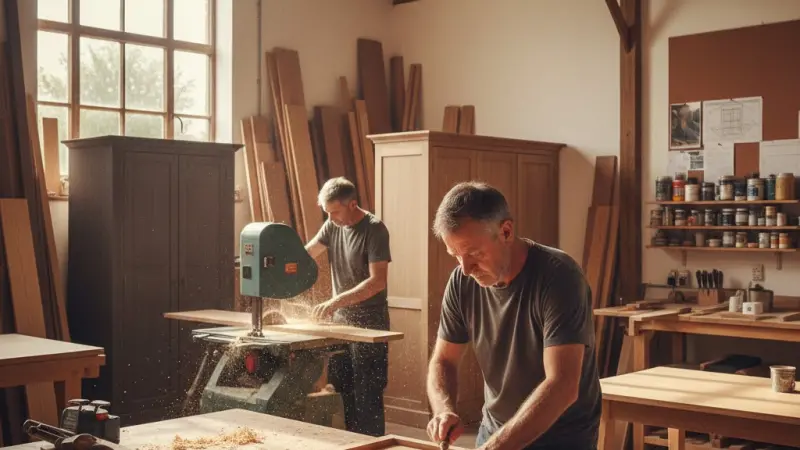
The British construction and home improvement landscape is defined by its commitment to heritage, durability, and aesthetic excellence. At the heart of this landscape lies the Carpenters and Joiners sector, a cornerstone of the UK economy that bridges the gap between raw natural resources and the refined structures we call home. In an era dominated by mass-produced, flat-pack furniture and synthetic materials, the demand for bespoke, high-quality timber work has never been more significant. Choosing a skilled professional in this field is not merely a matter of home maintenance; it is an investment in the structural integrity and value of a property.

Historically, carpentry and joinery have been the backbone of British architecture, from the timber-framed houses of the Tudor era to the intricate crown moulding of Victorian estates. Today, the sector contributes billions to the national GDP, supporting hundreds of thousands of jobs across England, Scotland, Wales, and Northern Ireland. For the homeowner or commercial developer, navigating this market requires an understanding of the nuances between different specialisms. While a carpenter might focus on the "first fix" and structural elements on-site, a joiner is often the artisan creating complex components in a workshop.
The importance of this sector extends beyond simple utility. As the UK moves toward more sustainable building practices, timber has emerged as the premier eco-friendly material, being renewable and capable of sequestering carbon. Consequently, the professionals who work with it are vital players in the UK’s "Green Industrial Revolution." However, for a consumer, finding these experts can be daunting. With thousands of sole traders and small firms operating nationwide, many people turn to a uk online business directory to filter through the noise and identify genuine masters of the craft.
In this guide, we will explore the intricate landscape of the UK carpentry industry, breakdown the diverse services offered, and provide an authoritative roadmap for selecting the right service provider. Whether you are looking for a heritage restoration specialist or a modern kitchen fitter, understanding the professional standards of the industry is the first step toward achieving quality craftsmanship.
The Landscape of Carpenters & Joiners in the UK
The UK’s woodworking industry is a resilient and evolving ecosystem. Current market data suggests that the demand for skilled tradespeople is at a ten-year high, driven by a combination of a booming home renovation market and a resurgence in domestic construction projects. Post-pandemic, the industry has seen a significant shift in consumer behaviour. As more people adapted to hybrid working models, the "improve, don't move" trend took hold, leading to a surge in home office installations, loft conversions, and bespoke garden studios.
Geographically, activity is densely concentrated in London and the South East, where high property values justify significant investments in bespoke joinery. However, northern hubs like Manchester, Leeds, and Birmingham are seeing rapid growth in commercial joinery projects as urban regeneration takes centre stage. The evolution of the industry has also been marked by a digital transformation. Gone are the days when a tradesman relied solely on word-of-mouth or a local newspaper ad. Today, the most successful firms are those that maintain a visible presence on a uk local business directory, allowing them to showcase portfolios to a tech-savvy demographic.
The post-pandemic era also brought challenges, specifically regarding the supply chain. Timber prices fluctuated wildly between 2021 and 2023, forcing carpenters and joiners to become more agile in their pricing and procurement strategies. This has led to a more professionalised approach to business management within the trade. Smaller outfits have had to adopt more formalised quoting systems and transparent lead times to maintain consumer trust. Furthermore, the industry is grappling with a skills gap. As an older generation of master craftsmen approaches retirement, there is a renewed focus on apprenticeships and vocational training to ensure that the secrets of the trade—from traditional dovetail joints to modern CNC machining—are not lost.
For the modern consumer, this landscape means there is a wealth of talent available, but also a wider variance in quality. The rise of "handyman" services has sometimes blurred the lines between a specialist joiner and a general DIYer. This makes it imperative for clients to use a find local businesses uk search tool to identify professionals who specifically list carpentry and joinery as their primary discipline. By doing so, they ensure they are hiring someone with the specific tools, insurance, and expertise required for high-end timber work.
Comprehensive Services Breakdown
Understanding what a carpenter or joiner can do for you is essential for project planning. The services within this niche are broadly categorised into structural (carpentry) and decorative/component-based (joinery).
1. First Fix and Second Fix Carpentry
In the construction phase, "First Fix" refers to all the work from the foundation to the plastering. This includes roofing frameworks, floor joists, and stud partitions. "Second Fix" occurs after plastering and involves more visible elements like skirting boards, architraves, internal doors, and window surrounds. A skilled carpenter ensures that these elements are perfectly level and secure, providing the skeleton and skin of a building's interior.
2. Bespoke Joinery and Furniture
This is where artistry meets utility. Joiners create items such as fitted wardrobes, alcove shelving, and custom-made kitchen cabinets. In a market where "standard" sizes rarely fit the unique dimensions of British period homes, bespoke joinery allows for maximum space utilisation. Professional joiners often offer a business listing uk to highlight their workshop capabilities, showcasing their ability to work with hardwoods like oak and walnut or versatile softwoods.
3. Heritage and Restoration
The UK is home to millions of listed buildings and properties in conservation areas. Working on these requires a deep understanding of traditional techniques.
This includes the restoration of sash windows, the repair of original timber beams, and the replication of historic mouldings. Professionals in this sub-sector often work closely with architects and local councils to ensure historical accuracy.
4. Commercial Joinery
This involves large-scale installations for offices, retail spaces, and restaurants. Think of the sleek reception desks in London’s financial district or the intricate wood panelling in high-end boutiques. Commercial joiners must adhere to strict fire safety regulations and durability standards, often working with fire-rated timbers and specialized finishes.
5. Outdoor Carpentry
From decking and pergolas to bespoke timber gates and fencing, outdoor carpentry enhances the "curb appeal" of a property. Using treated timbers like Siberian Larch or pressure-treated Pine, these professionals create structures that can withstand the unpredictable British weather.
For those planning a major renovation, it is often beneficial to browse a business listing uk to find firms that offer a full "design-to-installation" service. This integrated approach often results in a more cohesive finish and can reduce the logistical headaches of managing multiple subcontractors.
How to Choose the Right Service Provider
Selecting a carpenter or joiner is a decision that affects the safety and beauty of your home. It is not a choice that should be made solely on the lowest quote. A comprehensive consumer guide must emphasize several key pillars of verification.
Check Accreditations and Qualifications
In the UK, while there is no mandatory license to practice carpentry, professional accreditations are a mark of quality. Look for memberships in organizations such as the British Woodworking Federation (BWF) or the Institute of Carpenters (IOC). Furthermore, if they work on construction sites, they should hold a valid CSCS (Construction Skills Certification Scheme) card. Checking local business listings uk can often provide insights into which professionals take these standards seriously.
Insurance is Non-Negotiable
Any reputable tradesperson must have Public Liability Insurance. This protects you in the event of accidental damage to your property or injury to third parties during the project. Ask to see a copy of their certificate before work begins.
Portfolio and Reviews
A master craftsman will be proud of their work. Ask to see a portfolio of recent projects, or better yet, visit a site they have recently completed. Online reviews on a uk local trades directory are invaluable. Look for consistency in the feedback—is the professional praised for their punctuality, cleanliness, and attention to detail?
Detailed Quotes and Contracts
Avoid "back-of-the-envelope" pricing. A professional will provide a detailed, written quote that breaks down material costs, labour, and VAT. For larger projects, a simple contract outlining the scope of work, payment schedule, and completion date is essential to protect both parties. Many consumers find reliable experts through uk verified business listings, where the contact details and business history have been vetted for authenticity.
Industry Challenges & Future Outlook
The carpentry and joinery sector is standing at a crossroads of tradition and technology. One of the primary challenges is the increasing cost of raw materials and the stringent requirements for sustainable sourcing. Consumers are increasingly asking for FSC (Forest Stewardship Council) or PEFC (Programme for the Endorsement of Forest Certification) certified timber. Professionals who fail to embrace these green initiatives risk being left behind as the UK pushes toward its Net Zero targets.
Technology is also reshaping the workshop. CNC (Computer Numerical Control) machines allow for incredible precision and complex designs that were previously impossible or too time-consuming to execute by hand. While some purists argue this detracts from the "craft," most modern joiners see it as a tool that enhances productivity. Furthermore, digital visibility has become a survival trait. Firms that do not offer a business listing uk or maintain a digital footprint find it increasingly difficult to compete with younger, more agile businesses.
Regulatory changes, such as the Building Safety Act, are also placing more responsibility on tradespeople to document their work and ensure compliance with the latest fire and structural safety codes. The future outlook for the industry remains positive, provided that it can attract new talent and continue to innovate. The demand for "low-carbon" building materials will likely see timber frame construction become the norm rather than the exception in the coming decades, placing carpenters at the forefront of the housing solution. Professionals should ensure they are listed on a business listing uk to stay relevant in this rapidly changing market.
Business Tips for Carpenters & Joiners Professionals
For the carpenter or joiner looking to grow their business, the quality of your joints is only half the battle; the other half is the quality of your marketing.
In the modern UK market, digital visibility is paramount. Most homeowners begin their search for a tradesperson on their smartphone.
Local SEO and Directories
You may be the best joiner in the county, but if you don't appear in uk home services directory searches, you won't get the call. Ensure your business is listed on high-traffic platforms. A strong presence on a uk trade services listings site helps build local authority and improves your search engine rankings.
Professional Photography
Invest in high-quality photography of your finished projects. Wood is a visual and tactile medium; your online gallery should reflect the texture, grain, and precision of your work. Share these images on social media and link them back to your local page uk listings profile.
Specialise and Niche Down
While being a "jack of all trades" is tempting, specializing in a niche—such as bespoke staircase renovation or sustainable timber outbuildings—can allow you to charge a premium and become the "go-to" expert in your area. Use your uk professional services listings description to highlight these specific skills.
Wrapping Up & Local Page Integration
The British carpentry and joinery industry is a testament to the enduring value of skilled manual labour and artistic vision. From the structural joists that keep our roofs overhead to the bespoke dining tables where families gather, the work of these professionals defines our living spaces. As we have explored, choosing the right professional involves a blend of verifying credentials, reviewing past work, and ensuring clear communication.
For businesses operating in this sector, the competition is fierce but the opportunities are vast. To thrive, professionals must bridge the gap between their workshop and the digital world. For the consumer, the challenge lies in finding a needle of craftsmanship in a haystack of options. This is where Local Page serves as the vital link. By providing a comprehensive local businesses list uk, the platform empowers consumers to make informed decisions and helps local tradespeople gain the visibility they deserve.
Whether you are looking for a master joiner to build your dream kitchen or you are a professional looking to showcase your talents on a uk business directory, the path to quality begins with the right connection. In an increasingly digital world, being part of a trusted uk b2b business directory or B2C platform ensures that quality craftsmanship remains a visible and accessible part of our local communities.
Boost Your Visibility with Local Page UK
In today’s competitive market, a carpenter's skill with a chisel must be matched by their presence on the web. For businesses in the Carpenters & Joiners sector, being found online by local customers is the difference between a full order book and a quiet workshop. Don't leave your growth to chance. Claim your business listing uk today and join the premier community for UK trade professionals. Let us help you turn your craftsmanship into a local legacy.
FAQ
What is the main difference between a carpenter and a joiner?
The primary distinction lies in where the work is performed and the nature of the tasks. Joiners typically work in a workshop environment, "joining" pieces of timber together to create components like doors, windows, and stairs without the use of nails where possible. Carpenters, however, usually work on-site, installing the components created by joiners and working on structural elements like roofing and flooring. While many professionals are skilled in both, understanding this distinction helps you hire the right specialist for your specific project needs.
Do I need a joiner or a carpenter for a kitchen renovation?
For a high-end or oddly shaped kitchen, you may need both. A joiner would be responsible for crafting the bespoke cabinets and drawers in a workshop to your exact specifications.
A carpenter would then be the professional to install these units on-site, ensuring they are level and integrating them with the existing structure of your home. If you are buying pre-made units, a skilled carpenter is usually sufficient for the installation process.
How can I verify if a carpenter is properly insured?
You should always ask to see a copy of their Public Liability Insurance certificate. A professional will have no issue providing this. This insurance is vital as it covers any damage to your home or injuries that might occur during the work. You can also check their business profile on a uk service providers directory to see if they have uploaded verification of their insurance and professional credentials.
What are the signs of high-quality joinery work?
Look for tight, seamless joints with no visible gaps. In drawers, check for dovetail joints, which are a hallmark of quality and durability. The finish should be smooth to the touch, with no splinters or rough patches, and the wood grain should be thoughtfully aligned. High-quality work will also use premium hardware (hinges and handles) that operates smoothly without sticking or making noise.
How do I find the best local tradespeople in my area?
The most reliable way is to use a dedicated Localpage search. By using a platform that focuses on local business listings, you can filter by specific trade, read reviews from neighbours, and see photos of previous work. This localized approach ensures that you are finding professionals who have a reputation to maintain within your specific community, which often leads to better accountability and service quality.
What should be included in a written quote?
A comprehensive quote should include a breakdown of material costs, labour charges, estimated timescales, and VAT if applicable. It should also specify what is not included, such as waste removal or painting. Having this in writing prevents "scope creep" and ensures both parties have a clear understanding of the financial and practical expectations before any timber is cut.
Is bespoke joinery significantly more expensive than mass-produced furniture?
While the initial cost of bespoke joinery is higher, the value it adds to your property and its longevity often make it a more cost-effective choice in the long run. Custom pieces are designed to fit your space perfectly, utilizing every centimetre, and are built with superior materials compared to flat-pack alternatives. This means they are less likely to need replacing and can significantly increase the resale value of your home.
What is FSC-certified timber and why does it matter?
FSC stands for Forest Stewardship Council. Choosing a professional who uses FSC-certified timber ensures that the wood has been sourced from responsibly managed forests that provide environmental, social, and economic benefits. As sustainability becomes a priority in the UK construction industry, using certified timber is a great way for homeowners to reduce their carbon footprint while supporting ethical forestry practices.
How long does a typical joinery project take?
The timeline varies greatly depending on complexity. A set of bespoke internal doors might take two weeks to craft and two days to fit, while a full library or kitchen installation could take six to eight weeks from design to completion. A professional should provide a clear project timeline within their initial quote, including lead times for sourcing specific hardwoods or specialized finishes.
Can a carpenter help with structural repairs to my roof?
Yes, structural carpentry is a core skill for many professionals. They can repair or replace rotted joists, rafters, and purlins. However, for significant structural changes, you may also need a structural engineer to provide calculations. Always ensure the carpenter you hire for structural work has extensive experience in "first-fix" carpentry to guarantee the safety and stability of your home.
What is the best wood for outdoor carpentry in the UK?
For the British climate, hardwoods like Oak or Teak are excellent but expensive. More common choices include Siberian Larch or Western Red Cedar, which have natural resistance to rot. Pressure-treated softwoods are the most budget-friendly option, but they require regular maintenance (staining or oiling) to prevent weathering and decay over time.
Do I need to provide the materials for the carpenter?
Usually, it is better to let the professional source the materials. They have access to trade accounts at timber merchants, ensuring better quality and often better prices than a consumer can find at a DIY store. They also know exactly which grade and type of timber is required for the specific structural or aesthetic needs of your project.
Should I pay a deposit for carpentry work?
It is standard practice to pay a deposit, especially for joinery where materials must be purchased in advance. A 25% to 50% deposit is common. However, you should never pay 100% upfront. A clear payment schedule, with the final balance due only upon satisfactory completion of the work, should be agreed upon in writing before the project starts.
What is "Sash Window" restoration?
This is a specialized form of joinery involving the repair of traditional sliding windows found in Georgian and Victorian homes. It involves replacing frayed cords, balancing weights, and repairing rotted timber frames.
Skilled joiners can often upgrade these windows with slimline double glazing while maintaining their historic appearance, improving your home’s thermal efficiency without losing its character.
How can I list my own carpentry business for more visibility?
To reach more customers and grow your reputation, you should list your services on a reputable Local page. By creating a professional profile, you can detail your expertise, upload photos of your finest work, and collect verified reviews. This digital presence makes it easier for local homeowners to find you when they search for high-quality craftsmanship in their area.

Disclaimer: The information provided in this article is for general informational and research purposes only. Company details, features, services, and market positions may change over time. Readers are advised to visit official company websites and conduct independent research before making any business decisions or purchasing services.
Most Searchable Keywords

Recent Blogs



Related Listings


Categories
- Accountants (295)
- Advertising Agencies (559)
- Architects (149)
- Automobiles (377)
- Beauty (300)
- Carpenters (146)
- Cleaning Services (386)
- Dentists (189)
- Driving (62)
- Electricians (215)
- Energy (8)
- Event Organiser (685)
- Finance (599)
- Guide (3365)
- Health (2207)
- Information technology (206)
- Legal Services (353)
- Logistics (6)
- Maintenance (65)
- Manufacturing (35)

Sponsored Listings in Locksmith Services


Related Blogs

Gen Z Political Reporters and News Creators i...
Read this insightful article "Gen Z Political Reporters and News Creators in the UK" to expand your knowledge!

Famous Female Social Media Influencers Across...
Read this insightful article "Famous Female Social Media Influencers Across the UK" to expand your knowledge!

Your UK Sponsor Licence 2026 Step by Step Gui...
Read this insightful article "Your UK Sponsor Licence 2026 Step by Step Guide" to expand your knowledge!
Questions & Answers – Find What
You Need, Instantly!
How can I update my business listing?
Is it free to manage my business listing?
How long does it take for my updates to reflect?
Why is it important to keep my listing updated?
