
How to Choose the Best Camping Sites for Comfort & Safety
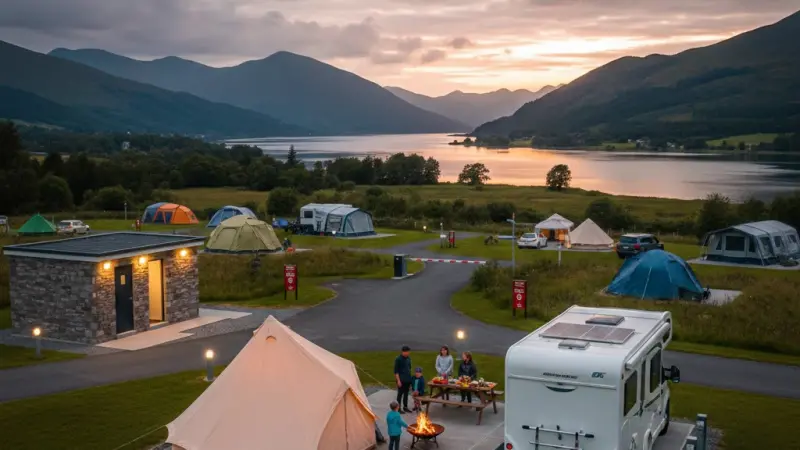
The Great British outdoors has long held a primary spot in the national psyche, but in recent years, the camping and caravanning sector has transformed from a humble pastime into a sophisticated pillar of the UK’s domestic tourism economy. As an expert British business analyst, I have observed the remarkable resilience of this industry, which contributes billions to the national GDP annually. Camping is no longer merely about pitching a tent in a damp field; it has evolved into a diverse ecosystem ranging from "wild" minimalist experiences to ultra-luxurious glamping retreats.

The economic importance of the camping sites sector cannot be overstated. It supports thousands of rural jobs and provides a critical revenue stream for local economies that might otherwise struggle outside of the traditional agricultural cycle. For the modern consumer, however, the sheer volume of options can be overwhelming. Choosing the right site involves balancing the desire for adventure with the non-negotiable requirements of comfort and safety. Whether you are a solo hiker seeking solitude or a family looking for a multi-functional holiday park, the process of selection must be rigorous.
In an increasingly digital age, many travelers turn to a uk local business directory to find verified and reputable sites. The demand for transparency and high standards has driven the industry to professionalize, leading to better facilities, more robust safety protocols, and a focus on the "guest experience." This guide serves as a comprehensive manual for navigating the UK's camping landscape, ensuring your next outdoor excursion is as secure as it is enjoyable.
The Landscape of Camping Sites in the UK
The UK camping market has seen a phenomenal surge in activity, particularly as the "staycation" trend became a permanent fixture of British life following the global pandemic. Recent market analysis suggests that millions of UK adults now participate in camping or caravanning trips annually. This growth is not just limited to traditional summer months; advancements in gear and site infrastructure have extended the season into the autumn and even winter.
Geographically, activity is concentrated in regions of natural beauty such as the Lake District, the Cornwall coast, the Scottish Highlands, and the Norfolk Broads. Each of these regions offers a unique "flavor" of camping, but they all share a common thread: the need for reliable infrastructure to handle the influx of domestic tourists. Post-pandemic, the industry has evolved to prioritize space, hygiene, and digital connectivity. The rise of "work-from-camp" has led many sites to invest heavily in high-speed Wi-Fi and designated quiet zones, blending the boundary between leisure and professional life.
As the industry grows, the role of a uk business directory website becomes more vital in helping consumers distinguish between a casual farm-based site and a fully accredited holiday park. The evolution of the sector has also seen a move toward "niche" camping—sites dedicated exclusively to adults, dog-owners, or eco-conscious travelers. This fragmentation allows for a more tailored experience but requires the consumer to be more diligent in their research.
Comprehensive Services Breakdown
The diversity of services within the UK camping sector is vast. To choose the best site, one must understand the specific categories available:
Full-Service Holiday Parks: These are the heavyweights of the industry, offering hard-standing pitches for motorhomes, electric hook-ups (EHU), on-site shops, swimming pools, and entertainment complexes. They are ideal for families who require a "home away from home."
Boutique Glamping: This sector has exploded in popularity. From yurts and safari tents to shepherds' huts and pods, glamping offers the "comfort" aspect of the outdoors without the need to own or set up equipment.
Certificated Sites (CS/CL): Often smaller, privately-owned patches of land limited to five caravans or motorhomes. These offer a quieter, more personal experience often found through a business listing uk where smaller operators can showcase their unique locations.
Eco-Sites: Focusing on sustainability, these sites often feature composting toilets, solar-powered showers, and strict "leave no trace" policies.
Activity-Led Sites: Sites that provide direct access to specific pursuits like fishing, mountain biking, or kayaking.
Safety and comfort services have also become more technological. Automated check-ins, security barrier systems with ANPR (Automatic Number Plate Recognition), and digital pitch booking are now standard at high-end sites.
Furthermore, many sites now offer "concierge" services, including pre-pitched tents or grocery delivery to your pitch, ensuring that even the most reluctant camper can enjoy the experience.
How to Choose the Right Service Provider
Selecting a camping site is essentially choosing a service provider for your leisure time. To ensure comfort and safety, consumers should look for specific indicators of quality:
Accreditations: Look for ratings from the AA (Pennant ratings) or VisitEngland. Membership in organizations like the Camping and Caravanning Club or the Caravan and Motorhome Club often guarantees a baseline of facility standards.
Safety and Insurance: A reputable site should have clear public liability insurance and visible safety signage. Fire points should be well-maintained and clearly marked, and the 6-meter spacing rule between units should be strictly enforced to prevent fire spread.
Reviews and Reputation: Beyond the glossy photos, independent reviews on uk service listings provide a realistic view of the site’s maintenance levels and staff helpfulness.
Local Knowledge: The best sites are often those deeply integrated into their local community. A site manager who can provide detailed advice on local weather patterns, tide times, or safe hiking routes adds an invaluable layer of safety to your trip.
Always verify the proximity of emergency services and the presence of on-site wardens. A site that is "managed" 24/7 provides a much higher level of security than an unstaffed field, particularly for solo travelers or families.
Industry Challenges & Future Outlook
The UK camping industry faces several headwinds, ranging from climate change to regulatory shifts. Increased frequency of extreme weather events—such as flash flooding and high winds—has forced site owners to invest in better drainage and emergency evacuation protocols. Sustainability is no longer a "nice to have"; it is a business imperative. Operators are increasingly adopting greywater recycling, LED lighting, and EV charging points.
Technology continues to disrupt the status quo. The integration of IoT (Internet of Things) for monitoring water and energy usage is becoming more common. For business owners, visibility in a crowded market is a constant challenge. Utilizing a business listing uk is often the first step for new entrants to gain traction against established giants.
Regulatory changes regarding land use and "permitted development rights" also play a role. The temporary 60-day rule in England, which allowed farmers to open pop-up sites without full planning permission, has been a subject of much debate, balancing the need for tourism growth with local conservation efforts. Looking forward, the "Smart Campsite" is the next frontier, where every aspect of the stay—from pitch temperature to local activity booking—is controlled via a smartphone app.
Business Tips for Camping Sites Professionals
For those operating within the camping and caravanning niche, marketing is as important as the facilities provided. In a competitive landscape, digital visibility is the cornerstone of success.
Optimize for Local SEO: Ensure your business appears when users search for "camping near me." This involves maintaining an updated profile on a uk professional services listings site.
High-Quality Visuals: Invest in professional photography and drone footage. Modern campers want
to see the exact view from their pitch before they book.
Content Marketing: Share your expertise. Write guides on local hiking trails or "how-to" articles on winter camping. This establishes your site as an authority.
Social Proof: Encourage guests to leave reviews and share their photos on social media. User-generated content is incredibly persuasive in the travel industry.
Data-Driven Decisions: Use booking data to identify peak times and offer "mid-week" specials to level out occupancy.
The importance of being listed in a reputable uk local business directory cannot be ignored. It provides backlink authority and ensures that your business is seen by those specifically looking for verified UK services.
Wrapping Up & Local Page Integration
Choosing the best camping site is a blend of personal preference and objective assessment of standards. The UK industry is currently at its zenith, offering unparalleled variety and quality for the outdoor enthusiast. As we have explored, the transition from traditional camping to a modern, service-oriented sector has brought about significant benefits in terms of safety, comfort, and accessibility.
For consumers, the key remains diligent research and the use of verified resources. For business owners, the challenge is to stand out in a thriving but saturated market. As the premier solution for UK businesses, Local Page provides the infrastructure needed for sites to connect with their ideal audience. By bridging the gap between local service providers and the digital consumer, it ensures that the best the UK has to offer is always just a click away.
Whether you are seeking the rugged peaks of Scotland or the sandy coves of Devon, the right camping site is waiting for you. By prioritizing professional standards and utilizing a reliable uk online business directory, you can ensure your next adventure is memorable for all the right reasons.
Boost Your Visibility with Local Page UK
For businesses in the Camping Sites sector, being found online is critical. In a world where consumers plan their entire trips through their smartphones, an invisible business is a failing business. Whether you run a luxury glamping site or a traditional holiday park, you need to reach your customers where they spend their time. We encourage all site owners to claim their business listing uk to reach more customers, improve their SEO, and join a network of verified UK professionals.
FAQ
1. What are the essential safety features to look for at a UK campsite?
When evaluating a site, safety should be your top priority. You should look for clearly marked fire assembly points and well-maintained fire extinguishers or water buckets located at regular intervals (the fire points). A professional site will enforce a 6-meter rule between tents or caravans to prevent fire spread.
Additionally, look for adequate night-time lighting in communal areas and clear signage regarding emergency contact numbers. If the site has a body of water, ensure there are lifebuoys nearby. A site with an on-site warden or 24-hour staff presence is always preferable for added security and quick response to any issues.
2. How do I know if a camping site is "comfortable" before I arrive?
Comfort is subjective, but certain indicators can give you a clear idea. Check for "hard-standing" pitches if you are in a motorhome to avoid getting stuck in mud. For tent campers, look for reviews mentioning the levelness of the ground and the quality of the drainage. The "comfort" of a site often hinges on its facilities; check if the showers are power-showers and if the blocks are heated, especially for off-season trips. High-end sites will also offer Wi-Fi, laundry rooms, and on-site cafes. Reading recent reviews on a reputable platform can reveal if the facilities are cleaned frequently and if the "quiet hours" are actually enforced by the management.
3. Are there specific accreditations I should look for in the UK?
Yes, the UK has several respected bodies that grade campsites. VisitEngland and the AA are the two most prominent. The AA uses a "Pennant" system ranging from 1 to 5, which assesses the quality of the facilities and the overall guest experience. Being part of the Camping and Caravanning Club or the Caravan and Motorhome Club also indicates a site meets strict operational standards. These accreditations mean the site has been inspected for cleanliness, safety, and infrastructure. While unaccredited sites can be wonderful, an official rating provides a guaranteed baseline of quality that is particularly useful for first-time visitors or those with high standards.
4. What is the difference between a "Standard" and "Electric" pitch?
A standard pitch is usually just a designated area of grass or hard-standing where you can set up your unit. An electric pitch includes a hook-up point (EHU) that allows you to draw power from the site's grid. This is essential if you want to run heaters, refrigerators, or charge multiple devices without relying on a battery or solar. Most UK sites use a blue 16-amp circular connector. It is important to check the "amperage" provided, as some smaller sites may only offer 10 amps, which might trip if you use high-wattage appliances like a domestic kettle. Always use a proper outdoor-rated RCD cable for safety.
5. How can I find verified local camping businesses in my area?
To find the most reliable and verified options, you should use a dedicated search tool. Browsing through Localpage allows you to see a curated list of businesses that have established a presence in their local community. Unlike generic search engines, these directories often categorize businesses by specific services, making it easier to find "dog-friendly" or "adult-only" sites. This method ensures you are dealing with legitimate service providers who are invested in their local reputation. It also allows you to compare different sites in the same region quickly, looking at their specific offerings and contact details in one centralized location.
6. Is wild camping legal in the UK?
The legality of wild camping varies significantly across the UK. In Scotland, the Land Reform (Scotland) Act 2003 generally allows for wild camping on most unenclosed land, provided you follow the Scottish Outdoor Access Code (Leave No Trace). In England and Wales, however, wild camping is generally illegal without the explicit permission of the landowner. The exception was parts of Dartmoor, though this has faced legal challenges recently. For most people, the safest and most comfortable route is to use an official site. If you do wish to wild camp in England or Wales, always seek permission first to avoid being moved on in the middle of the night.
7. What should I do if a campsite looks unsafe or unsanitary?
If you arrive at a site and it does not meet the safety or hygiene standards advertised, you should immediately raise your concerns with the site manager or warden. Take photographs of the issues as evidence. If the problems are not rectified and you feel your safety is at risk, you have the right to leave and request a refund under the Consumer Rights Act, as the service provided is not "as described" or "fit for purpose." You should also report significant safety failings to the local council’s environmental health department or the accrediting body (like the AA) to ensure other campers are protected in the future.
8. How do I prepare for camping in the unpredictable British weather?
Preparation is the key to maintaining comfort during a British summer or winter. Always check a detailed 5-day forecast before leaving. Ensure your tent has a high "hydrostatic head" rating (3,000mm or more) to withstand heavy rain. For safety, avoid pitching under large trees during high winds due to the risk of falling branches (widow-makers). Use heavy-duty pegs if you are on hard or sandy ground. Inside the tent, use a "thermal break" such as a carpet or foam mats between your sleeping area and the ground to prevent heat loss. A good site will often have a drying room for wet gear, which is a major comfort boost.
9. What are the rules regarding dogs at UK camping sites?
The UK is a nation of dog lovers, and many sites are "dog-friendly." However, "friendly" usually comes with specific rules. Most sites require dogs to be kept on a lead at all times to protect local livestock and other campers. Many will have a designated "dog walk" area where they can be exercised off-lead. You must always pick up after your pet. Some sites may have "breed restrictions" or a limit on the number of dogs per pitch, so always check the terms and conditions before booking. Increasingly, luxury sites offer "dog showers" to help keep your tent or caravan clean after a muddy walk.
10. Can I use a gas BBQ or fire pit at any camping site?
Not necessarily. Fire policies vary wildly depending on the site’s insurance and the local environment (e.g., proximity to dry forests). Some sites allow raised fire pits and BBQs, while others strictly forbid any open flames. If fire pits are allowed, you are usually required to keep them off the grass using a heat shield or bricks. Never take a BBQ inside a tent or caravan for any reason; even a cooling BBQ releases carbon monoxide, which is odorless, colorless, and lethal. Always check the site’s specific fire rules on their website or during check-in to ensure you stay compliant and safe.
11. What is "EHU" and do I really need it?
EHU stands for Electric Hook-Up. Whether you need it depends on your style of camping. If you are "off-grid" with a solar panel and just need to charge a phone, you might be fine without it. However, for a comfortable stay involving electric lights, a small fridge, or a heater, EHU is a game-changer. It provides a 230v supply similar to your home. Most modern sites offer this as standard on many pitches. It is particularly recommended for families or those camping in the shoulder seasons (spring/autumn) when a small electric heater can make the difference between a miserable night and a cozy one.
12. How far in advance should I book a popular UK campsite?
For the most popular sites in tourist hotspots like St Ives, Windermere, or the New Forest, you should look to book 6 to 12 months in advance for the summer bank holidays and school holidays. The post-pandemic surge in staycations has made "spontaneous" camping much harder in these areas. If you are looking for a mid-week stay or a less "famous" location, you might find availability just a few weeks or even days before. Using a local directory can help you find "hidden gem" sites that don't appear at the top of major booking engines, giving you a better chance of finding a spot at short notice.
13. What facilities are standard at a "basic" UK campsite?
A basic "tents-only" or "CS" site will usually provide at least one fresh water tap and a chemical disposal point (for those with their own toilets). Most will also have basic toilets and at least one shower, though in very rural settings, these might be in a converted barn or shed. Don't expect Wi-Fi or a shop at these locations. The "comfort" here comes from the peace, quiet, and proximity to nature. If you require more, you should look for "Full Service" parks. Always check if the showers are coin-operated, as you don't want to be stuck without change when you need a wash.
14. How do campsites handle waste and recycling?
Modern UK campsites are increasingly eco-conscious. Most will have a centralized "bin bay" with separate containers for general waste, glass, plastic, and paper/cardboard. Some sites also provide food waste composting. As a camper, it is your responsibility to bag your rubbish securely to avoid attracting local wildlife or pests.
"Leave No Trace" is the golden rule of the outdoors. If you are using a chemical toilet, you must only empty it at the designated Chemical Disposal Point (CDP) or "Elsan" point to avoid damaging the site's septic tank or the local environment with harsh chemicals.
15. Why should business owners list their site on a UK directory?
For a business owner, a directory listing is the most effective way to build local authority and trust. It provides a platform where your specific amenities—like accessible facilities, EV charging, or on-site shops—can be clearly displayed to a targeted audience. It also improves your search engine rankings by providing a high-quality backlink. Consumers are more likely to trust a business that appears in a curated Local page list because it suggests a level of professional verification. In a market where travelers are wary of "scam" listings on social media, being part of an established directory provides the peace of mind that converts browsers into bookings.

Disclaimer: The information provided in this article is for general informational and research purposes only. Company details, features, services, and market positions may change over time. Readers are advised to visit official company websites and conduct independent research before making any business decisions or purchasing services.
Most Searchable Keywords

Recent Blogs



Related Listings


Categories
- Accountants (295)
- Advertising Agencies (559)
- Architects (149)
- Automobiles (377)
- Beauty (300)
- Carpenters (146)
- Cleaning Services (386)
- Dentists (189)
- Driving (62)
- Electricians (215)
- Energy (8)
- Event Organiser (685)
- Finance (599)
- Guide (3365)
- Health (2207)
- Information technology (206)
- Legal Services (353)
- Logistics (6)
- Maintenance (65)
- Manufacturing (35)

Sponsored Listings in Locksmith Services


Related Blogs

Gen Z Political Reporters and News Creators i...
Read this insightful article "Gen Z Political Reporters and News Creators in the UK" to expand your knowledge!

Famous Female Social Media Influencers Across...
Read this insightful article "Famous Female Social Media Influencers Across the UK" to expand your knowledge!

Your UK Sponsor Licence 2026 Step by Step Gui...
Read this insightful article "Your UK Sponsor Licence 2026 Step by Step Guide" to expand your knowledge!
Questions & Answers – Find What
You Need, Instantly!
How can I update my business listing?
Is it free to manage my business listing?
How long does it take for my updates to reflect?
Why is it important to keep my listing updated?
